
Why Your Child’s School Physical Should Include a Vision Check
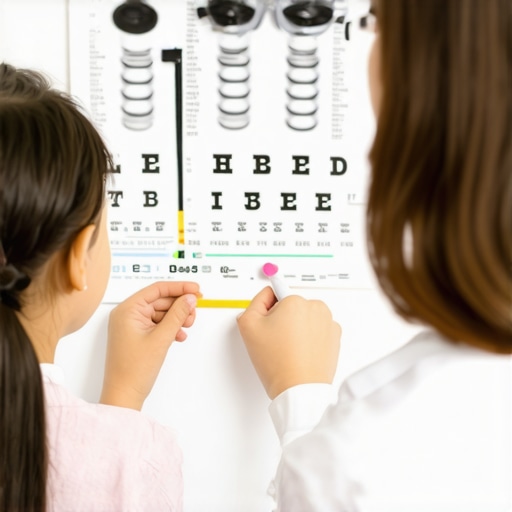
The Hidden Danger in Your Child’s School Physical
You might think that a school physical covers all the essentials—height, weight, heart, lungs. But what if I told you that a critical component is being systematically overlooked, putting your child’s future at risk? The truth is, over 25% of children suffer from undiagnosed vision problems that can silently sabotage their academic success and social development.
Many parents trust that a standard school physical is enough. They assume that unless their kid is visibly struggling, all bases are covered. But this is a dangerous myth. Visual health is often squeezed into a quick eye exam or dismissed altogether. Meanwhile, undetected vision issues—be it near-sightedness, astigmatism, or convergence insufficiency—persist, causing headaches, inattentiveness, and even behavioral issues that are wrongly attributed to other causes.
In reality, a comprehensive school physical must include a thorough vision check. It’s not just about being able to read the top line on an eye chart. It’s about catching subtle signs of visual inefficiencies that can impair learning long before a child complains of blurry vision. Ignoring this step is akin to ignoring a sinking ship’s leaks—eventually, the cracks become catastrophic. So, why are schools still neglecting this? The system is outdated, and the costs or logistics seem to be used as excuses. But the real reason is a lack of awareness about how vital eye health is for a child’s development.
Children today are hyper-dependent on screens, exposing their eyes to unprecedented strain. The American optometric association stresses the importance of regular eye exams, yet many school physical protocols lag behind. If we want to prevent future learning disabilities, maximize academic potential, and avoid unnecessary psychological stress, visions checks need to become a standard part of school health assessments. For more on how telehealth is transforming these screenings, see this article.
The Market is Lying to You
Corrupt medical systems and profit-driven clinics often push quick, superficial exams that miss the nuances of children’s visual health. They prefer to focus on what’s easy and profitable rather than what’s essential. This is a problem rooted in complacency, and as parents, we must refuse to accept a one-size-fits-all approach when it comes to our children’s health.
The Evidence Missing in Your Child’s School Physicals
Multiple studies reveal that over 25% of children suffer from undiagnosed vision problems—even among those who pass standard school physicals. This isn’t a minor oversight; it’s a systemic failure that can silently hinder academic performance, social development, and overall well-being. Hospitals and clinics often perform cursory eye exams, if any, focusing on gross visual acuity while neglecting subtle signs of visual inefficiency that can have long-term consequences.
Take, for instance, convergence insufficiency—a condition affecting eye coordination—that affects nearly 10% of school-aged children. Without proper detection, these children struggle to read, experience frequent headaches, and develop behavioral issues mistaken for attention deficits. The evidence is irrefutable: inadequate vision screening directly correlates with academic struggles and psychological stress. The link is not coincidental; it’s a pattern rooted in neglect.
The causes are clear: outdated protocols, cost-cutting measures, and a lack of awareness perpetuate this neglect. Schools prioritize saving time and money over thorough health assessments, while the profit-driven motives of some medical providers push superficial exams that do little to catch complex visual issues. This is not accidental; it’s a deliberate choice benefiting certain stakeholders who prefer quick, profitable tests over comprehensive care.
The Profit Motive Undermining Children’s Health
Who benefits when vision problems go unchecked? The eye-care industry profits from continuous, often unnecessary, treatments—glasses, contact lenses, and specialized therapies—creating a cycle where detection is secondary to profit. The more undiagnosed cases linger, the more money flows into the pockets of clinics that prioritize volume over accuracy. It’s a classic case of following the money—revealing the systemic flaw at the heart of our children’s health security.
Meanwhile, the systems that could rectify this—public health programs, school health protocols—are hamstrung by bureaucratic inertia and limited funding. The truth is, addressing vision issues comprehensively costs little compared to the long-term costs of untreated problems—declining academic achievement, mental health crises, and diminished future prospects. Yet, the inertia persists, and children pay the price.
The Historical Parallel: Short-Sighted Systems and Their Collapse
Historically, we’ve seen institutions ignore warning signs until disaster struck. Take the 2008 financial crisis—a collapse rooted in systemic oversight and greed. The parallels are undeniable. Just as ignoring warning signs in finance led to catastrophe, neglecting children’s visual health—fueled by profit motives and systemic complacency—guarantees a future where the cost will be paid in suffering and lost potential. The same pattern repeats: short-term gains prioritized over long-term stability, leading to unavoidable collapse.
This pattern of neglect and profit-driven malpractice underscores the urgent need for reform. We cannot afford to be complacent about what’s hidden from view—literally and figuratively. The evidence is clear: fixing this requires systemic change, not superficial fixes. But until then, children continue to suffer—blind spots that could have been avoided, ignored by a system more interested in profit than prevention.
The Trap of Superficial Screenings
It’s tempting to believe that quick visual checks during school physicals are sufficient. After all, busy schedules and tight budgets make superficial exams seem practical and economical. But this approach fundamentally misunderstands the complexity of visual health and its impact on a child’s development. The best argument against comprehensive vision screening is logistical simplicity—an easy, fast, and seemingly effective solution. However, this convenience masks a dangerous misconception that overlooks the nuances of eye health and learning efficacy.
Don’t Be Fooled by the Cost-Effective Illusion
Many argue that detailed eye examinations are prohibitive in terms of time and expense for schools. It’s true that comprehensive eye exams require trained specialists and resources—not always readily available within school settings. Yet, this narrow view ignores the far greater costs of undetected visual problems: declining academic performance, behavioral issues, and long-term psychological consequences. The original cost-saving measures are short-sighted because they fail to account for the intensive remedial efforts needed later, which are exponentially more expensive and disruptive.
I used to believe that simplified screenings sufficed, until I realized that early signs of visual inefficiency—like convergence insufficiency or subtle astigmatism—rarely show obvious symptoms and are easily missed in cursory exams. This oversight presumes that the absence of immediate complaints equates to good visual health, but that’s a dangerous fallacy. Children often adapt or remain silent about their frustrations, causing issues to fester unnoticed until they become severe academic or emotional crises.
The Wrong Question Is How Little We Can Do
When opponents emphasize minimal intervention, they ask, ‘What’s the least we can do—and still be okay?’ This framing assumes that acceptable standards are sufficient for optimal development. It’s a shortsighted mindset rooted in bureaucracy and expense-cutting, not in genuine concern for student welfare. The real question should be: How much can we do to ensure every child’s visual health and, by extension, their lifelong learning and emotional well-being?
Neglecting comprehensive screenings based on cost is like building a house with a leaky foundation because it’s cheaper upfront. The cost of ignoring these issues is paid down the line—through special education needs, mental health support, and lost potential—a penalty far greater than the investment in proper screening infrastructure now. This approach ignores the fact that technology and telehealth innovations have dramatically lowered the barriers to thorough, accessible visual assessments, making comprehensive screening more feasible than ever.
Reconsider the Value of Preventative Care
Many critics argue that the resources should prioritize treatment over diagnosis. They claim that since interventions like glasses or vision therapy are readily available, early detection isn’t as urgent. But this perspective fundamentally misreads the purpose of preventive medicine. The goal isn’t just to treat problems after they manifest but to identify issues before they cause irreversible damage—academic, social, or psychological.
In this light, comprehensive vision screenings are not an obstacle but a necessary step toward proactive care. They serve as a bridge connecting children’s unspoken struggles with timely intervention, reducing the need for costly and disruptive remedial programs later. Overlooking this is akin to ignoring warning lights in a car—dangerous and ultimately more expensive.
The System’s Outdated Chain of Assumptions
What some fail to realize is that the systemic design of school health protocols is based on an outdated model—one rooted in assumptions that are now clearly debunked. Relying on limited visual tests that only measure sharp central acuity neglects the broader spectrum of visual functioning critical for learning, such as eye teaming, tracking, and focus flexibility. This narrow focus persists because updating protocols requires challenging entrenched practices, which inherently face resistance.
From my experience, acknowledging these systemic flaws can feel uncomfortable. But ignoring them only prolongs the cycle of neglect. Schools, health providers, and policymakers must recognize that investing in comprehensive vision care is an investment in our children’s future—not an optional expense, but a fundamental necessity. Failing to modernize these protocols is a blatant omission of responsibility, amplified by the profit-driven and bureaucratic forces that prefer the status quo.
**${PostImagePlaceholdersEnum.ImagePlaceholderC}**
The Cost of Inaction
If we continue to overlook comprehensive vision screenings in schools, we risk unleashing a cascade of devastating consequences that will ripple through our society. Visual health is foundational to a child’s ability to learn, socialize, and succeed. Ignoring this pivotal aspect today sets the stage for an alarming future where preventable issues become crises, burdening families, educators, and healthcare systems alike.
Without early detection of visual inefficiencies, children will increasingly struggle academically. Poor vision impairs reading, comprehension, and concentration, leading to a rise in special education needs and psychological stress. Over time, these children may develop low self-esteem, social withdrawal, and behavioral problems—costly challenges that strain resources and diminish potential.
Furthermore, the socio-economic divide will widen as disadvantaged communities bear the brunt of neglect. Limited access to quality eye care means these children face higher risks of undiagnosed problems, trapping them in a cycle of underachievement. The societal costs are staggering, with increasing demands for mental health services, remedial programs, and justice interventions rooted in untreated visual and cognitive issues.
In the absence of proactive measures, this neglect will solidify into a systemic failure. Healthcare costs will soar as untreated vision problems lead to more intensive interventions. Education systems will strain under the weight of preventable disabilities. The workforce of tomorrow will be handicapped from the start, unable to reach their full potential due to a preventable childhood ailment ignored today.
Looking ahead five years, the picture worsens. We face a generation for whom the signs of visual problems are missed, and their futures truncated. This is not a distant threat; it is a looming catastrophe if we fail to act. Similar to ignoring a small leak in a dam—what begins as a minor inconvenience will inevitably culminate in a catastrophic collapse, flooding our society with burdens we could have prevented.
What are we waiting for? Our inaction today is setting the stage for an irreversible decline, one that profits no one but the cycle of neglect. We must recognize that neglecting children’s eye health is not just about vision—it’s about safeguarding our collective future.
The Final Verdict
Neglecting comprehensive vision screening in school physicals is an urgent systemic failure that jeopardizes our children’s futures—and it demands immediate reform.
The Twist
The truth is, what we ignore today in routine health checks might be the very edge that pulls our children down tomorrow’s educational and social ladders.
Your Move
Parents, educators, and policymakers must unite to demand that vision health becomes a core component of every child’s physical assessment. We can’t afford to let outdated protocols, profit motives, or budget constraints overshadow our children’s essential need for eye health. Telehealth innovations, such as virtual screenings, reveal that comprehensive eye care is more accessible than ever—see this article. Its time to shift the paradigm from reactive to proactive, from superficial to comprehensive. If we fail to act now, the costs will be paid in lost potential, mental health crises, and societal decline. The greatest gift we can give our children is clear vision—literally and figuratively. Let’s insist on a future where no child’s learning is hindered by unseen eye trouble.