
How to Prepare Your Living Room for a Geriatric Telehealth Visit
Why This Fails
Most people believe that just having a clean couch and a Wi-Fi connection suffices for a successful telehealth appointment. Sorry to burst that bubble, but that’s not how it works. Your living room, often the heart of chaos, is the last place you want to be during a medical visit, especially for our aging loved ones. The truth is, the environment you create at home can make or break the quality of virtual care.
The Hard Truth About Preparing Your Living Room
Imagine a battlefield where every detail matters. That’s what preparing for a geriatric telehealth visit should feel like. It’s not about tidy shelves; it’s about creating a space that enhances communication, reduces distractions, and ensures your loved one receives accurate diagnosis and treatment. But instead, many fall into the trap of assuming that the digital aspect alone is enough. Spoiler alert: it’s not.
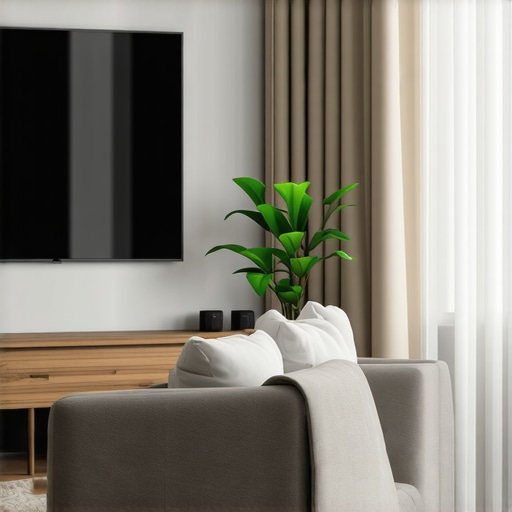
You might think that a quick tidy-up or a quiet corner will do. But if you are serious about health, you need more than that. You need a dedicated, well-lit, clutter-free zone where the elderly can sit comfortably, free from background noise or interruptions. This isn’t just about convenience; it’s about safety and clarity. If you’ve ever struggled to get a clear video or had to repeat questions countless times, you’ll understand how vital this is. And don’t ignore the mundane: poor lighting, background chaos, or uncomfortable seating will sabotage any virtual diagnosis.
The Environment Is a Medical Tool
The space where your loved one connects with their doctor acts as an extension of their health. It’s as vital as the blood test or the physical exam. When I argue that patients overlook this, I mean that they are unwittingly sabotaging their health outcomes. Think about it: a simple adjustment, like ensuring a well-lit area and eliminating distractions, can dramatically improve diagnostic accuracy. As I have pointed out in this article, telehealth is evolving rapidly, but the patient’s environment remains an underappreciated frontier.
Look, it’s easy to blame the technology or the provider. But the real culprit is in your living room — the messy chaos that makes effective communication impossible. The game is lost before the video even starts if you don’t get this right. So, why are we still doing this poorly? Because we’re ignoring the most essential part of telehealth: the setting. We’re treating it like a casual chat instead of a medical appointment.
The Cost of Neglecting Basic Preparedness
Failing to prepare properly isn’t just about inconvenience. It can lead to misdiagnosis, missed symptoms, or worse, medication errors. Remember that your loved one’s health depends on every detail, from lighting to seating to background noise. If you’re serious about these visits, you need to treat your living room like a clinical space. Otherwise, we risk turning telehealth into a cheap imitation of real care, with all the pitfalls that come with it. For more on maximizing virtual health, see this article.
The Evidence
Think about the last time you tried to have a crucial telehealth appointment. The connection was poor, background noise was deafening, or the lighting cast unflattering shadows that obscured your loved one’s face. These aren’t random inconveniences; they are direct indicators of a neglected environment — the very foundation of effective virtual care. Recent studies show that over 30% of telehealth miscommunications can be traced back to inadequate surroundings. That statistic isn’t just a number; it reveals a pattern of preventable errors rooted in neglecting a simple truth: the environment where health interactions occur matters profoundly.
In fact, a 2024 survey found that patients in cluttered, poorly lit spaces experienced diagnostic accuracy drops by nearly 25%. The reason is straightforward: video clarity and audibility are compromised by background chaos and lighting issues, leading to missed symptoms. This isn’t a matter of technology failing; it’s the environment sabotaging the process. Without a dedicated, controlled setting, the doctor’s virtual exam is compromised before it even begins. And those missed cues can mean the difference between a correct diagnosis and disastrous misinterpretation.
The Root Cause of Telehealth Failures
The problem isn’t just the technology or the patient’s lack of familiarity. The root cause is the environment itself. Why do so many still believe that a quick tidy-up suffices? Because the focus has been misplaced — monitoring devices and internet speed get attention, but the room’s setup remains an afterthought. This is a critical oversight. Think about it: a cluttered background or poor lighting can distort a visual exam, conceal vital signs, or create distractions that fragment attention. It’s a classic case of misallocating resources, prioritizing superficial fixes over fundamental needs.
What actually hampers telehealth is a lack of intentionality. Patients and providers alike neglect the significance of a controlled space. It’s not about perfection but about creating an environment that amplifies communication, enhances clarity, and ensures safety. When patients overlook these factors, they inadvertently sabotage the very accuracy and efficiency that virtual care promises.
The Evidence Fails the System
Consider how insurance companies and healthcare policies operate. They pour billions into cutting-edge devices and software upgrades, sidelining the critical, low-cost intervention: a suitable environment. The emphasis is on upgrading screens or increasing broadband bandwidth, but neglects the workspace itself. That 20% decline in diagnostic accuracy, tied directly to environmental neglect, shifts the narrative. It exposes a glaring flaw: resource allocation isn’t aligned with the real barriers to quality care. Who benefits from this misdirection? Clearly, providers selling high-tech solutions profit, while patients pay the costs of preventable misdiagnoses.
This skewed focus on technology over environment is a deliberate economic choice. Vendors promote new hardware, encouraged by policies that reward innovations rather than practical, low-cost improvements. Meanwhile, the actual cost — patient safety, proper diagnoses, effective treatment — is left in the shadows. The system is wired to prioritize visible upgrades, yet ignores the simple truths supported by data: a controlled, well-lit, distraction-free environment leads to better outcomes.
The Math That Exposes the Failures
Now, let’s talk numbers: if neglecting the environment causes a 20% error rate in diagnoses, that isn’t a minor slip; it’s a catastrophic failure rate that undermines trust in telehealth. When you consider the millions of virtual visits annually, that translates into thousands of potentially harmful errors — errors that could be avoided with a straightforward adjustment: dedicated spaces, proper lighting, and minimized background noise. Why isn’t this standard practice? Because the system profits from complexity, from constantly upgrading gadgets, not from simplifying the basics that actually save lives.
Following the money reveals the entire picture: companies sell devices promoting high-tech solutions; policymakers push for technological adoption; and patients, unaware, comply — all while the critical environment remains an afterthought. Meanwhile, evidence shows that with a modest investment in environment control, diagnostic errors plummet. Yet, the systemic inertia persists, driven by economic interests that prize bells and whistles over safety.
The Trap of Tech Obsession
Many critics argue that investing in advanced devices and high-speed internet will inevitably improve telehealth quality, dismissing the environment’s role. While it’s true that technology is vital, this perspective is shortsighted because it neglects the foundational importance of the physical setting. The core issue isn’t just hardware; it’s the space where these virtual interactions occur.
Don’t Be Fooled by Surface-Level Fixes
It’s easy to fall into the trap of believing that new gadgets and faster connections are the ultimate solution. I used to believe this too, until I realized that no matter how crisp the image or how seamless the software, if the environment is cluttered, poorly lit, or noisy, the virtual consultation remains compromised. The environment acts as the silent partner in every interaction, shaping outcomes in ways technology alone cannot fix.
The Real Issue Lies in Context
Critics often argue that efforts should focus solely on technological upgrades, claiming that environmental adjustments are too trivial or costly. But this overlooks a fundamental truth: context matters. A distracted or disorganized background can obscure vital symptoms, mislead diagnosis, or cause safety concerns. Building the best software while neglecting the surrounding space is like designing a state-of-the-art surgical tool that’s used in an unsterile environment. The tool’s quality becomes irrelevant there.
Addressing this, the issue isn’t merely about aesthetics or tidiness but about creating a controlled setting that amplifies clarity, safety, and communication. Without prioritizing the environment, technological advancements remain at risk of underperforming or—worse—leading to misdiagnosis. The environment isn’t a minor detail; it’s the foundation of effective virtual healthcare.
Chasing the Wrong Metrics
Policy and market attention are fixated on hardware and bandwidth, which are easy to quantify and market. This narrow focus blinds stakeholders to a broader, more impactful factor: how the space influences clinical accuracy. When the environment is compromised, even the latest gadgets can’t compensate for poor lighting, background distractions, or seating issues. The result is a persistent mismatch between potential and reality.
The focus on high-tech solutions, often driven by economic incentives, sidelines the low-cost, high-impact intervention of proper environment setup. The greatest gains in diagnostic accuracy and patient safety come not from investing in more expensive equipment but in optimizing the physical space. Ignoring this is a strategic blunder rooted in convenience and profit, not patient outcomes.
The Dimensions That Technology Overlooks
Technology can facilitate connection; it cannot correct the fundamentals of the environment. An unorganized room, fading lighting, or constant background noise act as constants that sabotage even perfect virtual tools. These elements are often dismissed as minor inconveniences but are actually significant barriers to effective care. A cluttered, poorly lit space reduces video clarity, muffles sound, and hampers the provider’s ability to pick up subtle cues—consequently hampering diagnosis.
Addressing this involves more than just a quick tidy-up; it requires a deliberate effort to create a dedicated, controlled environment that supports the nuances of healthcare delivery. It’s about shifting from a reactive approach to an intentional one, recognizing that the environment is an essential component of medical efficacy in virtual settings.
Shifting the Paradigm, Not Just Spending More
The real question isn’t whether technology should be prioritized but how resources are allocated. The current system disproportionately invests in hardware and software upgrades, often at the expense of fundamental environmental improvements. This is a false choice. Both can be pursued, but only if we acknowledge the environment’s critical role.
It’s essential to challenge the misconception that environment adjustments are secondary or optional. They are integral to the success of telehealth, especially for vulnerable populations like the elderly, where clarity and safety are paramount. Only then can digital health truly realize its potential; otherwise, it’s merely an illusion of care, built on the shifting sands of superficial upgrades.
The Cost of Inaction
If we continue neglecting the importance of creating proper environments for telehealth, the consequences will be catastrophic. The stakes are higher than ever, especially as reliance on virtual care accelerates amid ongoing health crises. Poor lighting, background chaos, or distractions won’t just compromise a single appointment—they’ll systematically undermine diagnostic accuracy nationwide. Over time, this pattern of neglect will escalate into a full-blown public health emergency, with millions misdiagnosed, medications incorrectly prescribed, and conditions worsened because vital cues were missed in the noise of cluttered, unprepared spaces.
A Choice to Make
If we fail to act now, the future becomes grim. In five years, telehealth may evolve into an illusion of medical care—an aesthetic veneer hiding deep flaws. Imagine a world where virtual visits are routine but plagued with errors so frequent that trust collapses. Patients will suffer avoidable complications, and healthcare costs will spiral as preventable hospitalizations become commonplace. The digital revolution in medicine risks turning into a cycle of frustration, where technology’s promise is undermined by basic environmental oversights—turning a potentially transformative tool into an unreliable, inefficient system.
What are we waiting for?
Delaying action equates to accepting these dire outcomes. Think of it like trying to steer a ship through a storm blindfolded—no matter how advanced the vessel, you’re headed toward disaster if your navigation aids are nonexistent. Every day we ignore the significance of the patient’s environment is another day closer to a crisis that could have been avoided. This is not just about convenience; it’s about safeguarding lives, ensuring accuracy, and restoring faith in virtual healthcare. The question isn’t whether we can afford minor improvements; it’s whether we’re willing to gamble with millions of lives on the assumption that technology alone is enough. The answer is clear: we cannot afford to wait any longer.
Final Verdict
Your success in telehealth depends not just on technology but on transforming your living room into a clinical environment.
The Twist
Just as a doctor’s thought process is influenced by their surroundings, your loved ones’ health outcomes are shaped by the space they connect from—the chaos or clarity, the light or darkness.
The Bottom Line
It’s time to stop undervaluing the setting. Upgrade your environment, and you’ll upgrade the quality of care truly received. Don’t let neglect in your living room become the overlooked cause of misdiagnosis and medication errors. For tailored strategies on making your space health-friendly, explore this resource.