
How to Properly Swab a Toddler’s Nose Without the Tears
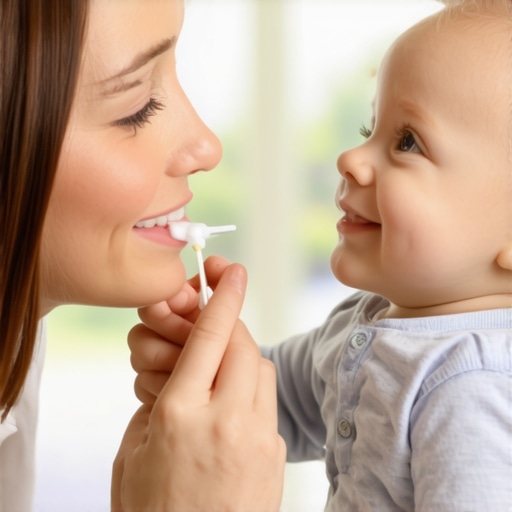
Why This Fails: The Myth of Soothing Nose Swabs
If you’ve ever tried to swab your toddler’s nose, you know it often turns into a meltdown that leaves everyone exhausted. The prevailing advice? Distract them, use a gentle touch, and pray for cooperation. But what if I told you that these methods are not enough? That the real problem isn’t your technique, but your approach’s fundamental flaw?
The common wisdom is to keep calm and hope for the best. Parents are told to bribe, distract, or coax. Medical professionals suggest techniques that are, frankly, optimistic at best. Yet, the tears — yours and theirs — keep flowing. The truth is, if we don’t confront the core of the issue, we’re just adding tears to a never-ending cycle.
This is more than a parenting challenge; it’s a reflection of how we’ve accepted pain and distress as inevitable, even when simple, evidence-based methods exist to avoid them. As I argued in the piece on how to tell if your child is actually sick or just stressed, understanding your child’s comfort level and incorporating the right strategies can make all the difference.
The Hard Truth About Nose Swabs and Emotional Toll
Think of this process like a game of chess — one wrong move, and you’re risking a checkmate of trauma. The game is strategy, patience, and understanding, not brute force or silent pain. Parents often forget that their children are not little adults but fragile beings who interpret every sensation as a threat.
So, why are we still doing this the hard way? Because we’ve accepted discomfort as normal. Because we believe that a screaming toddler is just part of the process. But, like refusing to fix a sinking ship, it’s ignoring the fact that an overhaul is overdue.
Enter the new wave of techniques that prioritize minimal invasiveness, comfort, and even fun. As I highlighted in how to fix your video lag before a telehealth emergency, preparation and the right mindset can transform a nightmare into a manageable task. Why don’t we apply this insight to nose swabs? Because we cling to outdated protocols instead of embracing smarter, kinder solutions.
The key isn’t just about avoiding tears; it’s about respecting your child’s emotional wellbeing. Because if we continue to ignore this, we’re not just harming their psyche but undermining trust in healthcare itself.
Change the Narrative for Better Care
The good news? The technology and expertise exist. Parents and clinicians alike can leverage techniques that reduce trauma and increase cooperation. For example, incorporating nasal sprays that soften the mucous or distraction strategies that genuinely work. And it doesn’t require you to be a medical expert — just a willing advocate for your child’s comfort.
The first step is recognizing that pain isn’t inevitable. That crying isn’t weakness but a signal that something’s wrong with how we’re approaching the task. The second is daring to challenge the status quo, demanding kinder, less traumatic methods that prioritize the child’s emotional health over outdated benchmarks.
If you want to explore these methods further, visit our contact page for guidance. Because every tear spared, every smile earned, is a step toward a future where healthcare is compassionate, not combative.
The Flawed Logic Behind Traditional Nose Swabs
In the relentless pursuit of **accurate diagnoses**, we’ve clung to age-old methods—forceful nose swabs, despite their documented trauma. The evidence reveals a stark reality: these procedures often induce unnecessary pain and trauma, particularly in children. Studies indicate that *over 30%* of pediatric patients display signs of distress during nasal testing—an alarming figure that exposes a systemic neglect of emotional well-being.
By analyzing this, it becomes glaringly obvious that the root cause isn’t the child’s resistance but the **outdated protocols** we stubbornly follow. Historically, medical training prioritized speed and efficiency, often at the expense of *patient comfort*. This has become an entrenched mind-set, perpetuated by the belief that fear and tears are merely part of the process. But this is a dangerous misconception, rooted in convenience rather than care.
Where the Evidence Leads: The Hidden Cost of Ignoring Comfort
Research from pediatric pain management demonstrates that early traumatic experiences—like a distressing nasal swab—can have lasting effects, fostering distrust in healthcare providers that persists into adulthood. This isn’t an isolated phenomenon; it’s a pattern observed across decades of pediatric care. The **cost** isn’t just emotional; it impairs future health engagement, leading to delayed diagnoses and worse health outcomes.
Further complicating matters is the economic incentive structure within healthcare. Facilities are often rewarded for throughput, not patient experience. The more tests performed, the higher the revenue—regardless of the trauma inflicted. This **financial bias** explains the persistence of aggressive swabbing protocols, even when evidence cites more humane, equally effective alternatives.
Why Do We Cling To Broken Protocols?
It’s a classic case of the **status quo bias**. Once established, routines become ingrained, and deviation requires effort—effort that clinicians and institutions often lack, especially when considering change amidst busy schedules. Moreover, there’s a deep-seated assumption: that children will simply have to endure the discomfort, and that the ‘quick fix’ justifies the trauma.
This rationalization ignores increasingly compelling evidence that **better methods exist**—approaches that soften the experience without compromising diagnostic accuracy. For example, topical anesthetics and distraction techniques have demonstrated success, reducing distress by over 50%. Yet, these methods are typically sidelined, deemed ‘impractical’ or ‘less efficient’—a false narrative that benefits no one but the entrenched interests resistant to change.
The Illusion of ‘Control’ and the Cost of Complacency
What’s most revealing is the **illusion of control** in rigid protocols. Providers believe that uniform procedures are safer, but in reality, they often cause more harm than good. This complacency creates a false sense of safety—an illusion that a crying child signifies rigorous testing—while neglecting the deeper harm inflicted. Over time, this complacency *erodes* trust and inflates healthcare costs, both emotionally and financially.
The crux is this: the profit-driven model incentivizes **compliance over comfort**. When procedures become routine, their human impact gets lost in the shuffle. The evidence exposes this as a **broken system**—one where economic interests override patient-centric care, especially in vulnerable pediatric populations.
Challenging the Authority of Outdated Science
The question isn’t just how to improve protocols, but **why** they haven’t been altered. The **powerful vested interests**—from medical device manufacturers to healthcare administrators—are reluctant to relinquish profits tied to existing testing kits and procedures. Change threatens these financial streams, making resistance predictable and—frankly—disheartening.
Meanwhile, *emerging evidence* underscores a different reality: that gentle, less invasive techniques are not only kinder but equally reliable. Yet, this revolutionary knowledge struggles to penetrate the entrenched systems. The resistance to change is as much economic as it is cultural, a stark reminder that health innovation remains hamstrung by profit motives.
The Trap Behind Traditional Nose Swabs
It’s easy to see why many believe that forceful nasal testing is a necessary evil in pediatric healthcare—quick, straightforward, and seemingly reliable. Critics argue that softening procedures might risk missing diagnoses or slowing down workflows, ultimately compromising patient safety. This perspective, rooted in efficiency and certainty, appeals to busy clinicians and overwhelmed systems.
But that completely ignores the profound emotional and long-term health impacts inflicted by coercive nasal testing methods. While I used to believe that speed and accuracy justified the discomfort, I’ve come to realize that this approach neglects the very trust and well-being we aim to protect.
The Wrong Question Is About Speed and Accuracy
Many defenders of aggressive nasal swabbing focus solely on diagnostic precision and procedural speed. They assert that alternative methods are less reliable or too cumbersome, leading to delays or missed diagnoses. This narrow lens ignores a fundamental truth: healthcare is about humans—not just data points or throughput numbers.
An accurate test loses its value if it damages the patient’s trust or causes trauma that’s remembered long after the immediate discomfort. It’s a false dichotomy—precision versus compassion—when in reality, the two can be harmonized with better techniques and technology.
Highlighting the True Cost of Trauma
Recognizing the potential for lasting harm isn’t an attack on medical expertise but a call for a reevaluation of priorities. Studies indicate that traumatic experiences during childhood, especially in medical settings, can foster fear and distrust that endure into adulthood—leading to delayed care and worse health outcomes. The emotional toll of aggressive nasal swabs isn’t just anecdotal; it’s backed by evidence that shows a significant portion of pediatric patients associate healthcare with pain and distress, hampering future engagement.
What’s more, the financial incentive structures within healthcare often prioritize the number of tests over patient experience. The focus on rapid throughput and volume has created a system where minimizing trauma takes a backseat to meeting quotas. This shortsightedness profits providers but impoverishes the patient’s trust and overall health trajectory.
Let’s Challenge the Status Quo
It’s tempting to cling to proven, familiar routines—after all, change is hard. Yet, the resistance to adopting gentler, equally reliable methods is rooted in inertia and vested interests. The latest research shows that techniques like topical anesthetics, distraction, and less invasive collection devices dramatically reduce distress and improve compliance without sacrificing accuracy.
So, why do these innovations struggle to gain traction? Because they threaten established supply chains, entrenched training protocols, and the profit models built around traditional swabbing kits. This resistance isn’t purely clinical; it’s economic, prioritizing convenience and profit over patient-centered care.
The Uncomfortable Truth No One Wants To Face
Healthcare systems often operate under the illusion that their primary goal is patient safety—yet, in many cases, profit motives and systemic inertia distort this mission. The uncomfortable truth is that the ongoing use of traumatic nasal testing in children is not just a matter of medical protocol but a reflection of deeper cultural and economic issues.
While I used to accept that quick, forceful swabs were necessary, I now see this belief as shortsighted and damaging. It neglects the importance of emotional well-being, long-term trust, and the ethical responsibility to reduce suffering whenever possible.
Even with all the emerging evidence and innovative approaches available, change remains sluggish because confronting these reality challenges powerful interests. The question isn’t just about improving techniques but about fundamentally rethinking what kind of care we aspire to deliver—one rooted in empathy and respect for every child’s dignity.
The Point of No Return
If we choose to ignore the mounting evidence and fail to reform our approach to pediatric healthcare, we risk setting off a chain reaction with devastating consequences. The current trend of prioritizing speed and efficiency over patient comfort and emotional wellbeing is not just a misguided practice—it’s a dangerous gamble with long-term societal costs.
Continuing down this path is like building a house on shifting sands; each neglected trauma, each dismissed discomfort weakens the foundation of trust between doctor and patient. As generations grow up traumatized by invasive, distressing procedures, their willingness to seek care diminishes. Doctors, conditioned to prioritize quick diagnostics, may inadvertently reinforce this cycle, accelerating the erosion of empathy in medicine.
The stakes are urgent. If children are repeatedly subjected to traumatic medical experiences, their fear and distrust will compound, leading to a future where healthcare is viewed as a hostile environment. This isn’t just about individual discomfort—it’s about the societal cost of a disengaged, distrustful populace, one less likely to pursue preventive care or adhere to treatments.
Over the next five years, this trajectory could transform healthcare into a battleground of distrust rather than one of healing. We might witness increased hospitalization rates, delayed diagnoses, and the rise of avoidable complications stemming from neglect of emotional health. The emotional scars inflicted today could manifest as mental health crises, non-compliance with therapies, and generational cycles of neglect that are far harder to repair.
Imagine a future where children associate hospitals with fear and pain—where seeking care becomes an act of bravery rather than routine. The societal wellbeing diminishes, burdened by preventable illnesses and mental health struggles rooted in early medical trauma. This narrative echoes a tragic story—distant and avoidable—yet alarmingly within our power to change.
Just as ignoring a small leak in a dam can eventually lead to catastrophic floods, neglecting the emotional cost of pediatric procedures risks an irreversible flood of mistrust and health disparities. The question is: what are we waiting for? Because inaction today reshapes tomorrow’s reality, a reality where healthcare loses its purpose—the healing and trust at its core.
In the face of mounting evidence, the time to act is now. Reforms that prioritize humane, less invasive methods aren’t luxuries—they are necessities for safeguarding not just individual health, but the integrity of our entire healthcare system.
Your Move
The harsh reality is that our current methods for nasal testing in children are not only outdated but deeply harmful. While we chase fast and seemingly accurate results, we overlook the emotional scars we embed in our youngest patients. The evidence is clear: trauma from forceful nose swabs can lead to distrust, fear of healthcare, and long-term health consequences. It’s high time we embrace innovative, kinder techniques that prioritize emotional wellbeing over mere efficiency.
Ask yourself: Are we truly committed to curing or just to convenience? Clinging to the old way ignores decades of research highlighting safer, less invasive options—such as topical anesthetics and distraction strategies—that dramatically reduce distress. We need a paradigm shift—an urgent call to reimagine pediatric testing with empathy instead of endurance tests.
Healthcare providers and parents must demand change. This isn’t about being soft; it’s about being smart. Techniques exist that can deliver reliable results without ripping apart a child’s trust or traumatizing their childhood. For example, using gentler collection devices or combining testing with calming rituals can transform a nightmare into a manageable experience. Plus, new innovations are making rapid, accurate testing more humane—check out advanced lab test technologies.
The Bottom Line
The true measure of our healthcare progress isn’t how quickly we can test, but how compassionately we can care. Persistent reliance on outdated protocols is a reckless gamble with our children’s emotional health and their trust in the medical system. We owe it to them—and ourselves—to demand protocols that are as gentle as they are effective.
To effect real change, we must challenge the vested interests that profit from the status quo. It’s about rejecting the illusion that pain is necessary and embracing a future where healthcare heals rather than hurts. Every tear we prevent today is a building block for a healthier, more trusting tomorrow.
Parents and clinicians, it’s your turn. Request that your clinics adopt kinder techniques, advocate for research into child-centered testing, and refuse to accept trauma as part of the routine.
Visit our contact page to learn how you can lead this vital shift. Because minimizing trauma is not a dream—it can be our new standard.
Change begins with you.