
The Reason Your Child’s Fever Always Spikes at 2 AM
The Fever is Not Your Enemy
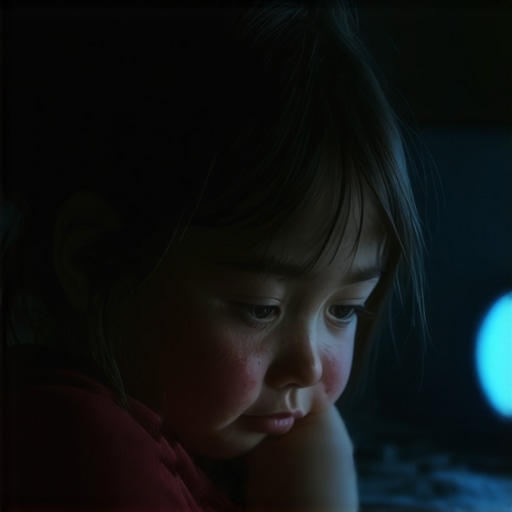
It is 2 AM. Your child is burning up. The shadows in the nursery feel heavier, and every degree on that digital screen feels like a countdown to catastrophe. But here is the cold truth you won’t hear in a frantic Google search: that spike isn’t an anomaly. It is a feature, not a bug. I argue that our obsession with ‘breaking’ a fever the second it hits 101 degrees is doing more harm than good. You might think you are being a proactive parent, but you are likely just an exhausted one reacting to a biological clock you don’t understand. We have been conditioned to fear the heat, yet heat is exactly what the body uses to win the war. Stop treating your thermometer like a Geiger counter. It is a tool, not a judge of your parenting. Most of the time, the thermometer is simply telling you that the body’s internal furnace is working exactly as designed. Why are we still rushing to the emergency room for a physiological process that has existed for millennia?
The Immune System Does Its Best Work When the House is Quiet
The human body is like a high-tech facility that schedules its most intensive maintenance for the graveyard shift. During the day, your child’s body is busy with the logistics of living—moving, eating, and interacting. But when the lights go out, the immune system’s night-shift crew clocks in. This is when cytokines, the signaling proteins that coordinate the attack on pathogens, are released in peak volumes. These chemicals naturally raise the core temperature. Simultaneously, cortisol—the hormone that usually keeps inflammation in check—drags itself to its lowest point of the day around midnight. This combination is a perfect storm for a temperature spike. It is a predictable, rhythmic cycle. I have seen countless parents lose their minds over a 103-degree reading in the dark of night, only to see it vanish by breakfast. This is why most parents panic unnecessarily over a toddlers fever. They are viewing a snapshot of a battle and assuming they’ve already lost the war.
So, why 2 AM specifically? It is the intersection of biology and anxiety. You are tired, your defenses are down, and your child’s internal temperature is peaking. But a fever is not an illness; it is a symptom of a healthy response. I believe we need to shift our focus from the number on the screen to the comfort of the child. Is the child breathing normally? Are they hydrated? If the answer is yes, the fever is simply the body’s way of burning out the intruder. If you are unsure of when the situation has actually crossed the line into a real concern, you should learn how to tell if your childs high fever is an urgent care emergency. But until that threshold is met, your job is not to extinguish the fire, but to monitor the house. Putting out the fire too early is like stopping a security guard from doing their rounds just because their flashlight is too bright. You need that heat. It is the only way the body knows how to effectively cook the bacteria or virus out of existence. If you must act, use the tactic for managing a child fever spike at 2 am that focuses on comfort rather than chemical suppression. We need to stop being a society that fears its own biology and start being one that respects the incredible, high-temperature machinery we carry within us.
The Convenience Trap
The core of the issue isn’t that parents are uneducated; it is that we have been sold a lie about what health actually looks like. We have been conditioned to believe that a symptom-free child is a healthy child, but that is a dangerous fallacy. The problem isn’t the heat. The problem is our cultural intolerance for temporary discomfort. We reach for the acetaminophen or ibuprofen not because the body is failing, but because we want the crying to stop, the shivering to end, and the 2 AM crisis to resolve itself so we can go back to sleep. This is the convenience trap. We are prioritizing immediate tranquility over the long-term efficacy of the immune system. When you suppress a fever, you aren’t curing the infection; you are merely silencing the alarm system. It is the biological equivalent of cutting the wires to a smoke detector because the beeping is annoying while the kitchen is actually on fire. Suppression is not a cure. It is a delay tactic that often backfires by extending the duration of the illness. This isn’t just an opinion; it’s a biological reality that we ignore because the bottle of medicine promises a quick fix.
${PostImagePlaceholdersEnum.ImagePlaceholderB}
Biological Sabotage by Design
Let’s look at the mechanics of this sabotage. When the body’s temperature rises, it creates a hostile environment for invaders. Bacteria and viruses are notoriously temperature-sensitive; they thrive at 98.6 degrees but begin to struggle as the mercury climbs. By artificially lowering that temperature, you are effectively giving the pathogen a comfortable room to stay in. You are rolling out the red carpet for the very thing you are trying to kill. Research consistently shows that fever-range temperatures significantly enhance the mobility and activity of white blood cells. This isn’t a minor boost; it is the difference between a sluggish response and a full-scale mobilization. Consider this: studies have demonstrated that in cases of common viral infections, those who take fever-reducers remain contagious for longer periods than those who let the fever run its course. That isn’t just a slight variation; it is a quantifiable failure of the suppression strategy. We are literally paying to keep the virus alive longer inside our children’s bodies because we cannot stomach the sight of a thermometer hitting 102.
The Arbitrary Threshold of Panic
The medical community has long used 100.4 degrees Fahrenheit as the threshold for ‘fever,’ but this number has been treated as a cliff when it is actually just a landmark. We treat 100.3 like safety and 100.5 like a medical emergency. This is absurdity. The body does not operate on such fragile, binary terms. It is a dynamic system. I argue that the root cause of ‘fever phobia’ is our obsession with measurement over observation. We look at the digital screen instead of the child. If the child is alert enough to argue about their vegetables, their body is winning. If they are hydrated, their body is winning. We have replaced clinical intuition with a plastic stick, and in doing so, we have lost our respect for the inflammatory response. This response is the most sophisticated defense mechanism on the planet. To think that we can ‘improve’ it with a five-dollar bottle of syrup is the height of human arrogance. We aren’t helping the body; we are getting in its way, tripping the security guard as he runs toward the intruder.
Critics of this ‘let it burn’ approach often point to the terrifying spectacle of a febrile seizure as the ultimate reason to keep a child on a steady drip of ibuprofen. I hear it all the time: ‘How can you tell a parent to sit back while their child’s brain cooks?’ It is a powerful, visceral argument. If you have ever seen a child go rigid or shake uncontrollably during a fever spike, your instinct is to do anything to stop it. It’s easy to see why we’ve built a medical culture around the avoidance of this trauma. We want to protect our children from even the appearance of suffering. But this reaction, however well-intentioned, is based on a fundamental misunderstanding of what a febrile seizure actually is. These events are almost never a result of the thermometer hitting a specific number. Instead, they are triggered by the velocity of the temperature change—the rapid ascent that happens before you even realize the child is ill. By the time you’ve unscrewed the cap on the medicine bottle, the risk of a seizure has usually already passed. I used to believe this too, until I looked at the clinical data that proves suppressing a fever does not actually lower the risk of recurrence for these seizures. We are medicating a phantom. We are trying to prevent a neurological event that follows its own internal logic, entirely unrelated to the concentration of acetaminophen in a toddler’s bloodstream. If the seizure is going to happen, it happens before the medication even hits the stomach.
The Comfort Fallacy
The more insidious argument is the one about ‘comfort.’ The logic goes that if a child feels better, they will drink more, sleep better, and recover faster. This sounds reasonable on paper, but it ignores the biological cost. When you mask the symptoms, you aren’t just making the child comfortable; you are making yourself comfortable. You are creating a false sense of security. A child who has had their fever suppressed may suddenly feel well enough to run around, burning through the energy their immune system desperately needs to keep in reserve. You’ve tricked the body into thinking the war is over while the invaders are still at the gates. This false vitality is a trap. It leads to parents sending children back to daycare or school too early, where they not only spread the virus but also risk a secondary infection because their body’s primary defense was shut down prematurely.
We are essentially gaslighting the body’s internal monitoring system. By forcing the temperature down, we lose the most valuable diagnostic tool we have: the child’s natural behavior. A child with a 103-degree fever who is lethargic is a different clinical picture than a child with a 103-degree fever who is still playing with their blocks. When you artificially pull that number down to 99, you have no idea what the underlying status of the infection is. You’ve blinded yourself in the name of ‘mercy.’ This isn’t just about ‘riding it out’; it’s about not sabotaging the very signals that tell us when a situation has truly turned dangerous. If you are worried about the specifics of when to seek professional help, you can look into pediatric urgent care options that specialize in these evaluations without jumping straight to over-medication.
${PostImagePlaceholdersEnum.ImagePlaceholderC}
The elephant in the room is that our medical system is built on the avoidance of liability and the promotion of ‘doing something.’ No doctor wants to be the one who told a parent to stay home, only for that parent to panic when the thermometer ticks up one more degree. So, we default to the conservative, chemical approach. But ‘conservative’ in this context is a misnomer. Real conservative medicine would be respecting the evolutionary wisdom of the human body. We have been told that being a ‘good’ parent means being an active interventionist, but often, the most difficult and responsible act is to wait. We must stop viewing the absence of medication as a form of neglect. It is, in fact, a form of high-level biological support. The body knows what it is doing; it’s our anxiety that needs the sedative, not the child. Every time we jump the gun with a fever reducer, we are telling the body that we don’t trust its internal engineering. We are treating a miracle of evolutionary defense as if it were a manufacturing defect.
The fever is the signal, but our response is the legacy. If we continue to treat the human body as a fragile machine that breaks at the slightest increase in temperature, we are inviting a catastrophe of biological proportions. We are currently witnessing the systematic dismantling of the body’s most effective weapon. This isn’t a minor shift in parenting styles; it is a full-scale retreat from the front lines of evolutionary biology. Every time we reach for a fever-reducer without a clear medical necessity, we are essentially telling our children’s immune systems to stand down.
The Erosion of Biological Resilience
If this trend remains the status quo, the next five years will usher in an era of unprecedented vulnerability. We are already seeing the tremors of this shift. When we suppress the heat, we don’t just prolong the current illness; we prevent the immune system from ‘logging’ the pathogen’s signature. The body needs the heat to facilitate the memory-making process of T-cells and B-cells. Without that intense, high-temperature engagement, the immune system remains naive. We are creating a future where the human body is perpetually stuck in ‘training mode,’ never graduating to the battle-hardened state required to survive a truly aggressive infection.
The Price of a Sanitized Future
Consider the analogy of an elite athlete. An athlete who is never allowed to sweat, whose heart rate is never permitted to climb, and who is kept in a climate-controlled room will never possess the stamina to finish a race. By medicating away the discomfort of a fever, we are keeping our children in a biological climate-controlled room. We are ensuring they lack the stamina for the long-term health challenges that await them in adulthood. We are trading the short-term peace of a quiet night for the long-term risk of chronic inflammation and weakened immunity.
What are we waiting for?
The stakes have moved beyond the nursery. This is about the collective resilience of our communities. As we weaken individual immune responses through over-suppression, we inadvertently create a more hospitable environment for viruses to mutate and spread. A population that cannot ‘burn out’ a virus is a population that serves as a permanent laboratory for viral evolution. This is the ultimate consequence of our fever phobia: a world where we are more medicated, yet less protected. ${PostImagePlaceholdersEnum.ImagePlaceholderD}
The Point of No Return
We must recognize that the thermometer is not a countdown to disaster, but a measure of vitality. A body that can mount a 103-degree fever is a body that is alive, alert, and fighting with everything it has. To fear that heat is to fear life itself. If we do not change our trajectory now, we will wake up in a decade wondering why our children are always sick, why recovery takes so long, and why our medicines no longer seem to work. The answer will be found in the 2 AM medicine cups of the past. We are silencing the very fire that was meant to keep us safe. It is time to stop being the arsonists of our own defense systems and start being the guardians of the flame.
The Price of a Sanitized Future
If we continue to view every temperature spike as a manufacturing defect rather than a biological defense, we are effectively drafting a blueprint for a more fragile generation. This over-reliance on immediate chemical suppression is the opening act of a lifelong struggle with systemic health. By refusing to let the body engage its primary defense mechanism, we are essentially training the immune system to be lazy. This disconnect mirrors the rising need for chronic care management personalized telehealth strategies for better outcomes in adults who have lost the ability to read their own physiological signals. We are trading the temporary discomfort of a hot night for the long-term risk of a body that no longer knows how to finish what it starts.
The Warning Shot
We are currently standing at a crossroads between intervention and intuition. Every time you reach for the medicine bottle for a child who is otherwise stable, you are performing a small act of biological sabotage. You are choosing a quiet house over a resilient child. This pattern of behavior is why so many adults eventually have to search for how to manage chronic inflammation without over-the-counter pills; they have spent decades suppressing the very signals that were meant to guide their recovery. If we do not stop fearing the heat, we will find ourselves in a future where we are more medicated, yet perpetually less healthy, relying on urgent care innovations streamlining same-day lab tests for faster results to solve problems that a well-trained immune system could have handled in the nursery.
The Final Verdict
Your child’s fever is the sound of a sophisticated biological engine running at peak performance; to silence it for your own convenience is to choose a sanitized, fragile existence over a robust, battle-tested future. The Twist: The most proactive, difficult, and responsible thing a parent can do at 3 AM is often nothing at all. Trust the heat, or prepare for the cold.