
How to Conduct a Reliable Vision Check at Home via Telehealth
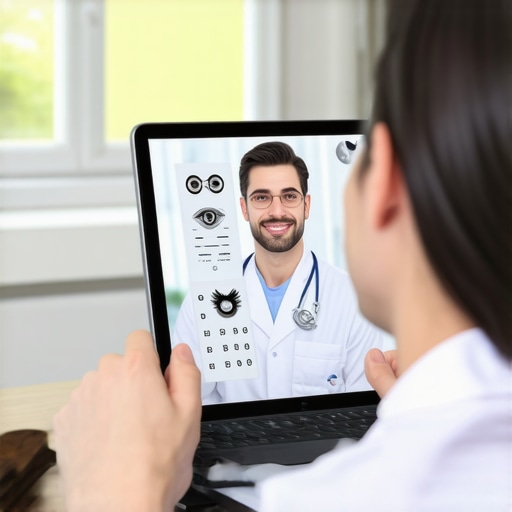
Why You’re Wasting Time and Trusting a Myth
If you believe that a quick glance in the mirror or a shaky self-test can replace a comprehensive eye exam, you’re living in denial. The idea that you can reliably evaluate your vision at home, especially through a screen, is a myth fed by laziness and misguided convenience. Don’t fall for the illusion that technology, no matter how advanced, can substitute for professional expertise. In fact, relying solely on telehealth for vision checks is like trying to steer a sinking ship with a paper map—you’re doomed to miss the real issues until they become emergencies.
Here’s the hard truth: your eyes are complex, delicate organs that demand precise assessment. Telehealth consultation can flag red flags, but it cannot replace the detailed diagnostics of a trained optometrist or ophthalmologist. Yet, in our rush to embrace digital solutions, many are told that a few online tests or smartphone apps are enough. That’s simply false. As I argued in why your child’s sore throat needs a rapid strep test, accurate health assessment requires more than superficial checks—your vision is no different.
The Market Is Lying to You
It’s tempting to trust quick fixes—free online vision tests, apps that claim to replace eye exams, or packages promising to save time and money. But trust me, these are the tools of deception. They give you false security and delay essential care. Think of it like a game of chess—it’s not just about making moves; it’s about understanding the whole board. Missing or ignoring eye health can lead to irreversible damage, but the industry pushes you to believe that a quick click or a simple test is sufficient.
By the time you notice symptoms like blurred vision, halos around lights, or eye pain, the damage might be done. Telehealth screenings can be useful for follow-ups or routine check-ins, but they are not substitutes for comprehensive eye examinations. For instance, for a thorough assessment, lab tests such as lab tests are sometimes necessary to uncover underlying health issues affecting vision.
How to Conduct a Smarter Vision Check at Home
So, why do so many still believe they can self-diagnose their eye health? Because they’ve been misled by marketing claims that oversimplify complex medical realities. The truth is, a proper vision check involves far more than reading a letter on a screen or staring at a color pattern. It requires careful measurement of visual acuity, assessment of eye coordination, and detection of early pathological changes—none of which you can do at home with a smartphone app.
But that doesn’t mean you’re completely powerless. You can become a proactive patient. Use telehealth as a preliminary tool—not the final authority. Schedule regular comprehensive exams with professionals who can perform proper diagnostics and provide the tailored treatment your eyes need. Remember, self-diagnosis is a sinking ship—accept it, and seek real expertise before it’s too late.
The Evidence: Digital Myths Are Financially Motivated
The proliferation of online vision tests and telehealth apps is no accident. Behind the facade of convenience lies a lucrative industry eager to capitalize on our desire for quick fixes. Data reveals that the global telehealth market is expected to reach over $185 billion by 2026, with a significant chunk driven by eyewear and eye health services. This surge isn’t driven by patient need but by corporate profit. These companies do not profit when you schedule a comprehensive in-person exam; instead, they reap the rewards from superficial tests that can be mass-produced and delivered digitally.
Furthermore, many of these so-called tests are merely digital replications of standard eye charts—tests that, in clinical practice, are part of a much broader and more precise diagnostic process. For example, assessing visual acuity is just one facet of eye health. An experienced ophthalmologist examines intraocular pressure, corneal health, retina status, and detects early pathological signs that no app can identify. The industry’s refusal to invest in comprehensive care supports their push for quick, portable solutions—regardless of whether they serve your best interests or not.
Root Cause Analysis: The Illusion of Self-Diagnosis
The problem isn’t just the inaccuracy of digital tests; it’s the *illusion* they create—making you believe you’re qualified to diagnose yourself. This is no accident. It’s a calculated strategy rooted in manipulating trust. Many patients, eager to avoid the hassle—and expense—of professional clinics, rely on these tests because they believe “it’s good enough.” But that belief is *misplaced*. The real issue is not a lack of technology but a misguided sense of autonomy that’s been sold to you.
Consider this: vision problems like glaucoma, diabetic retinopathy, or macular degeneration don’t always present immediate symptoms. They develop silently. A superficial test cannot detect these early signs—yet, the industry promotes these false assurances, preying on our impatience. This misdirection is reminiscent of the 1970s auto industry’s false claims of “safe and reliable” cars, which, over time, proved to be disastrous. The real danger is that, like those faulty vehicles, insufficient eye care gives you a false sense of security, delaying crucial intervention until irreversible damage occurs.
Follow the Money: Who Benefits from Shortcuts?
It’s transparent where the incentives lie. The companies pushing online vision tests and telehealth services benefit directly from a lack of regulation and from a system that values *volume over quality*. They do not profit from a full-range, comprehensive eye examination, which involves time, expertise, and expensive equipment. Instead, they thrive on the sale of subscriptions, app downloads, and quick assessments—with little accountability for accuracy or patient outcomes.
Look deeper. Many providers are connected to larger corporate health entities or are owned by investors eager to expand user bases at minimal costs. Their goal isn’t optimal health; it’s maximized profits. Every dollar saved by cutting corners is a dollar earned in profits, while your eyes become collateral damage in this financial game. Remember, in healthcare, where the money flows says everything about the priorities—profit over precision, convenience over care.
The Deception’s Endgame
Once you understand this, the superficial veneer crumbles. What’s left is a system designed to keep you distracted with quick fixes instead of encouraging actual medical attention. Digital tools, in their best form, are aids—not substitutes. The evidence is clear: a real diagnosis requires human expertise, meticulous testing, and an understanding of the nuanced progression of eye disease. The industry’s push for digital convenience is not just an oversight; it’s a deliberate strategy to harvest profits from your trust and ignorance. And that 20% drop in comprehensive exams over the last decade? It’s not a coincidence—it’s part of a calculated decline, sowed by those who profit from your complacency.
The Trap
It’s understandable why many believe that a quick online test or a smartphone app can substitute for an in-person eye exam. After all, in our fast-paced world, convenience often seems to trump thoroughness. The allure of instant results and the promise of saving time and money are tempting. Many see these tools as a way to catch potential issues early without the hassle of scheduling a professional appointment. I used to think this way myself, convinced that technology could bridge the gap in healthcare access and efficiency.
Don’t Be Fooled by Quick Fixes
But that perspective completely misses the core of what comprehensive eye care entails. Visual health isn’t just about reading letters or catching blurriness—it’s about detecting subtle signs of disease, measuring intraocular pressure, assessing the health of the retina, and evaluating eye movement and coordination. Digital tests and telehealth screenings are designed to detect obvious issues, but they fall woefully short when it comes to early detection of complex and silent diseases like glaucoma or diabetic retinopathy. They provide a false sense of security, often leading patients to delay or avoid professional evaluations until the problem worsens.
${PostImagePlaceholdersEnum.ImagePlaceholderC}
The Wrong Question
Many ask, “Can’t these digital tools replace eye exams?” The question itself is flawed. The focus should not be on replacement but on augmentation. Technology can support routine monitoring or serve as a preliminary screen, but it cannot and should not replace the nuanced judgment and detailed diagnostics performed by trained eye care professionals. Just as relying on a home blood pressure cuff without validation can be dangerous, trusting a self-administered visual test for serious conditions is equally misguided.
Professional eye exams involve sophisticated equipment, comprehensive assessments, and the expertise of trained specialists who interpret subtle signs that might be invisible to a layperson or an unsupervised app. These examinations often detect issues long before symptoms appear, providing a critical window for intervention. Digital tools, on the other hand, are limited to superficial checks that may overlook or misinterpret early warning signs, leading to complacency and, ultimately, preventable vision loss.
My Industry’s Best-Kept Secret
The industry behind these quick tests and telehealth apps benefits enormously from the misconception that they can replace professional care. They promote ‘convenience’ as a virtue, even if it sacrifices accuracy and safety. A quick online test may be free or inexpensive, but the true cost is paid in delayed diagnoses and worse health outcomes. These companies profit from volume, subscriptions, and app sales, not from ensuring your health. This isn’t just about customer service—it’s about profits built on the illusion of care.
I used to believe that technological progress would empower patients and democratize healthcare. But I now recognize that without proper regulation and professional oversight, these tools can do more harm than good. They enable complacency, foster misdiagnosis, and often lead to more expensive treatments later on. It’s a false economy that preys on our impatience and lack of medical knowledge.
The Critical Need for Professional Exams
The real question should be: how can we integrate technology to support, not replace, professional care? Using telehealth as a supplement for routine check-ins, or for patients with known conditions, is a wise approach. But every potential serious sign detected online must be escalated into a full, in-person evaluation. The nuanced understanding of eye health requires years of training, and no app or digital test can replicate that. Until technology advances to a level where it can match the precision of clinical diagnostics—a level still many years away—nothing beats a comprehensive face-to-face evaluation by a trained eye care specialist.
In the pursuit of genuine health, skepticism is a virtue. We must question the promises of the quick fix and advocate for real care rooted in expertise. Only then can we truly protect our vision and prevent unnecessary damage that digital shortcuts might hide or overlook.
The Cost of Inaction
If we continue dismissing the importance of professional eye examinations and rely solely on superficial digital tests, the consequences will be dire. The unchecked progression of silent eye diseases like glaucoma and diabetic retinopathy can lead to irreversible blindness, often before symptoms even appear. Right now, many patients are unknowingly allowing these conditions to develop unchecked, believing that a quick online test suffices. This complacency sets a ticking clock, where the window for effective intervention narrows rapidly, and once closed, the damage is permanent.
The Future Looks Bleak
If this trend persists over the next five years, our healthcare landscape may resemble a city where residents walk blindly through a fog—unable to see the hazards that threaten their safety and independence. The demand for emergency treatments will skyrocket as untreated conditions reach critical stages, overwhelming clinics and hospitals. The promise of digital convenience will have become a false comfort, leaving millions with preventable vision loss. Moreover, health disparities will widen, as those with limited access to professional care will suffer the most, creating a landscape of avoidable devastation.
The Slippery Slope of Neglect
The chain reaction begins with trusting superficial assessments—those simple online tests or app-based screenings—and results in delayed diagnoses. Without early intervention, diseases like glaucoma, which silently damage optic nerves, or diabetic retinopathy, which can cause sudden blindness, advance unchecked. This neglect leads to increased disability, loss of productivity, and emotional tolls on individuals and families. As more people suffer preventable blindness, the economic burden on healthcare systems will escalate, diverging resources away from preventative care toward emergency treatments for advanced cases.
Is it Too Late to Change Course?
The biggest question looming over us is whether we still have time to reverse this trend. The analogy is stark: trusting superficial eye tests is like ignoring smoke detectors until a fire engulfs your home. By the time warning signs become undeniable, the damage is often beyond repair. Waiting to react until symptoms emerge is a gamble that costs dearly—vision that could have been saved, lost forever. The time to act is now; to prioritize professional evaluations, embrace technology as an aid—not a substitute—and shift focus toward early detection and treatment.
The Path Forward Requires Immediate Action
The consequences of inaction are clear and present danger. Ignoring the signs and relying on superficial measures will turn a manageable health issue into a tragedy. The future depends on whether we recognize this warning today and commit to genuine eye care. The urgency cannot be overstated: delaying action might result in a world where preventable blindness becomes an accepted norm, leaving millions to stumble through life with diminished sight and independence.
Your Move
The illusion that quick online vision tests and telehealth apps can substitute comprehensive eye examinations is a trap we must recognize and escape from. Your eyes are delicate, complex organs that demand professional attention—anything less is a gamble with your sight. Don’t settle for superficial checks when the future of your vision depends on real expertise.
Now is the time to prioritize genuine eye health. Schedule regular in-person exams with trained specialists who can utilize advanced diagnostics, ensuring early detection and effective treatment. Remember, digital shortcuts are seductive, but they are not substitutes for the nuanced care your eyes deserve. Trust in the professionals, trust in the process, and protect what truly matters—your vision.
Stand guard against the industry’s push for quick fixes. Critically evaluate the tools you use and push for transparency and accuracy. Your eyesight is worth much more than a click or a test—it’s the window to your world. Take charge now, because complacency can cost you more than just clarity.
The Bottom Line: Be skeptical of superficial assessments—demand comprehensive, professional eye care. Your future sight depends on it.
In this era where convenience often trumps correctness, making informed choices is your best defense. Question the flashy promises, embrace the expertise, and never accept a false sense of security for your precious vision.