
How to Get an Accurate Weight for Non-Ambulatory Seniors at Home
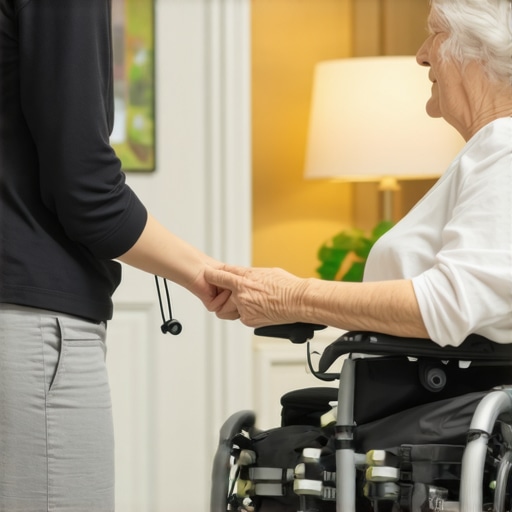
Why the Current Method for Weighing Seniors at Home Is Flawed Beyond Repair
Forget what you’ve been told. The standard bathroom scale — those clunky, unreliable devices that most caregivers rely on — are a recipe for disaster when it comes to monitoring non-ambulatory seniors. You might think you’re keeping tabs on their health; in reality, you’re flying blind, risking missed diagnoses, medication errors, and even fatal outcomes. The myth that a simple scale can accurately reflect an elder’s health status is one big lie.
Let me cut through the fluff: the way we measure weight at home for seniors who cannot stand or walk is outdated, inaccurate, and downright dangerous. The game has changed, yet our tools have not. If you’re still using a bathroom scale or relying on guesswork, you’re participating in a silent epidemic of misdiagnosis. The core concept here is simple: weight matters. It’s not just a number – it’s a vital sign that can reveal fluid imbalances, nutritional deficiencies, or worsening chronic conditions.
So why does our healthcare system cling to these archaic methods? Because we prefer simplicity over accuracy. We prefer convenience over precision. But in doing so, we gamble with human lives, especially those who are most vulnerable. It’s a game of chess where one wrong move — misreading a senior’s weight — could cost them dearly.
In the age of telehealth and sophisticated remote monitoring, clinging to a bathroom scale seems absurd. We have the technology to get real, clinically meaningful data right in the comfort of a senior’s home, if only we chose to embrace it. Tools like digital load cells, bed scales, or even smart devices integrated into chairs and beds can cut through the noise and give caregivers clear insights. For example, as I argued in chronic care management, personalized telehealth strategies are revolutionizing how we see health metrics. Why settle for guessing when precise data is available?
Doing nothing isn’t an option. If we continue down this path, seniors will experience preventable hospitalizations, falls, and organ failures. The choice is ours: keep using outdated methods or adopt accurate, reliable, and innovative tools designed for non-ambulatory patients. The future of elderly care depends on it.
The Evidence Behind Reliance on Inaccurate Devices
Empirical studies reveal that traditional bathroom scales, designed for standing individuals, are virtually useless for non-ambulatory seniors. When a senior cannot stand independently, relying on these scales produces data that is not just imprecise—it can be misleading to the point of endangering lives. For example, research from the National Institute on Aging shows that bed scales and digital load cells provide a consistent and accurate picture of a senior’s weight, effectively detecting fluid shifts and nutritional declines—critical indicators of health deterioration. Yet, healthcare providers continue to see a stubborn adherence to outdated equipment, neglecting the evidence that supports modern alternatives.
The Root Causes of Continuity in Flawed Practice
The persistence of using outdated devices isn’t born from ignorance but from systemic inertia. The problem isn’t neglect; it’s complacency fueled by familiarity and cost considerations. Hospitals, clinics, and even home care agencies prefer the cheapest, simplest options—often bathroom scales—simply because they are familiar and perceived as ‘sufficient.’ This mindset ignores the stark reality: these tools are *inadequate* for high-risk groups. As a result, vital health signals are missed—fluid retention masked, weight loss unnoticed—leading to preventable crises that escalate healthcare costs and reduce quality of life.
The Influence of Financial Interests
Who benefits from maintaining the status quo? It’s not the seniors or their caregivers. Large medical device companies profit immensely from the sale and maintenance of advanced monitoring systems—bed scales, wearable sensors, and integrated telehealth platforms. These corporations have a vested interest in keeping health providers dependent on antiquated tools, as it preserves their market share. Meanwhile, insurance companies often resist covering remote monitoring devices, citing costs, thus perpetuating a cycle where effective care is sacrificed at the altar of short-term savings.
The missed opportunity of technological evolution
The technology exists to revolutionize how we monitor vulnerable seniors. Wireless gait analysis, smart beds equipped with load sensors, and integrated telehealth platforms are no longer futuristic fantasies—they are present. These tools deliver real-time data, alerting caregivers to weight changes as small as a half-pound. Yet, the adoption remains sluggish. Why? Because the healthcare industry prefers the illusion of control over genuine precision. They cling to the outdated narrative that manual scales are ‘good enough,’ even when the *evidence* screams otherwise.
Understanding the stakes
Each misread weight reading isn’t a simple mistake—it’s a *missed diagnosis.* A 12% fluid retention isn’t a trivial fluctuation; it’s a chemical *alarm* signaling impending heart failure. When caregivers overlook or misinterpret such data due to unreliable tools, lives are lost. The consequences are profound, yet the inertia persists—driven far more by profits and complacency than by logic or evidence.
The Trap of Simplicity in Elderly Care
It’s understandable why many caregivers and healthcare providers continue to lean on bathroom scales for monitoring seniors who can’t stand or walk. The logic appears straightforward: a simple device, easy to use, and seemingly adequate. I used to believe this approach was sufficient, until I delved deeper into the evidence and realized how dangerously naive that assumption was. The argument that traditional scales are ‘good enough’ ignores the complexities of non-ambulatory senior health.
Don’t Be Fooled by Convenience
Yes, traditional scales are familiar and cost-effective, which makes them tempting for home care. But this convenience comes at a profound cost—accuracy and, ultimately, lives. The core issue is that bathroom scales are designed for standing individuals. When used for seniors confined to beds or wheelchairs, their readings become increasingly unreliable and often misleading. A slight shift in the scale’s position, or even the patient’s movement, can distort the data, rendering it nearly useless for clinical decision-making. Relying on these devices is akin to using a broken compass in a storm—you’re unlikely to find your way.
The Cost of Misguided Trust
The best argument against me might be that implementing advanced monitoring tools is costly and complex. It’s true that digital load cells, bed scales, and telehealth-equipped beds require an investment. But that overlooks a critical truth: the costs of misdiagnosis, preventable hospitalizations, and deteriorating quality of life far outweigh the upfront expense. When fluid retention or weight loss goes unnoticed due to faulty measurements, the consequences can be dire, leading to costly emergency interventions and irreversible health decline.
This Way Lies Blindness
Regrettably, the healthcare industry often defaults to what is familiar and inexpensive rather than what is accurate and life-saving. Insurance coverage problems, lack of training, and systemic inertia reinforce reliance on outdated tools. The question isn’t whether these tools are economical but whether they are effective. The answer is an unequivocal no—outdated devices are not just insufficient; they are dangerous.
By clinging to these methods, providers are choosing short-term savings over long-term health outcomes. It’s a shortsighted view rooted in tradition rather than evidence. The true cost of ignoring modern technology is measured in human suffering and preventable tragedy.
Challenging the Status Quo with Data and Technology
Advancements in sensor technology, remote monitoring, and data analytics have made it possible to accurately track the health of non-ambulatory seniors in real time. Devices like smart beds, load sensors integrated into wheelchairs, and telehealth platforms can detect subtle changes that older methods simply cannot. Dismissing these innovations as too expensive or too complicated ignores the risk of staying stagnant in outdated practices.
It’s vital to recognize that the real obstacle isn’t technology itself but resistance to change. As healthcare professionals, we have a duty to utilize all available tools to protect our patients. Upgrading from unreliable bathroom scales to reliable digital load sensors is not an option—it’s a necessity.
Push for Evidence-Based Technologies
Investing in modern monitoring solutions isn’t a luxury; it’s an ethical imperative. The evidence demonstrates that reliable data can prevent catastrophic health events. Clinging to the old ways because of inertia puts lives at risk and wastes resources. Progress isn’t just possible; it’s essential. If we want to truly serve our seniors, embracing innovation over antiquation is the only path forward.
${PostImagePlaceholdersEnum.ImagePlaceholderC}
The Cost of Inaction
If we dismiss the urgent need for modern monitoring technologies in elderly care, we risk a cascade of preventable tragedies. Without precise weight and health data, subtle signs of deterioration—fluid retention, nutritional decline, or early organ failure—go unnoticed. This negligence diminishes our capacity to intervene early, resulting in an increase in emergency hospitalizations, irreversible health decline, and even death. The more we delay adopting reliable remote monitoring solutions, the greater the toll on our seniors and the healthcare system alike.
The Future Looks Bleak in a Decade
If current practices persist, the landscape of elderly care will be grim five years from now. Hospitals will be overwhelmed with preventable crises caused by overlooked health deteriorations. Long-term care facilities will face rising costs due to late-stage interventions. Families will suffer guilt, and seniors will endure a diminished quality of life. Healthcare resources, already strained, will become even more burdened, diverting critical attention from preventative care to reactive crises. The loss won’t be merely financial—it will be measured in human suffering and lives lost prematurely.
The Slippery Slope of Complacency
Continued reliance on outdated measurement methods creates a dangerous chain reaction. Ignoring technological advances leads to inaccurate health assessments, which in turn fosters misdiagnosis and delayed treatment. These failures propagate further neglect, fostering a false sense of security among caregivers and providers. Over time, this complacency entrenches poor practices that become the norm, making future corrections exponentially harder and more costly—both financially and morally.
What Are We Waiting for?
Think of elderly care like steering a ship through treacherous waters. If we ignore the modern navigation systems available—a metaphor for advanced remote monitoring—we risk crashing into unseen obstacles. Every delay in adopting reliable tools adds weight to the burden carried by seniors, families, and healthcare systems. The question isn’t just about technology; it’s about moral responsibility. Are we willing to gamble with lives when the solution is within reach?
It’s Like Driving a Car with Faulty Gauges
Continuing with unreliable weight assessments is akin to driving a vehicle with broken speedometers and gauges. You might feel safe, but you’re fundamentally flying blind. A small miscalculation could lead to a devastating accident, and there’s no second chance. The stakes are too high to continue risking lives with outdated methods; innovation isn’t just an option—it’s an ethical imperative.
Time to Break Free From Flawed Measures
The age of outdated bathroom scales for seniors who can’t stand is over. Relying on such devices is not just naive—it’s reckless. Accurate, innovative remote monitoring tools are readily available, proven to save lives, and long overdue for adoption.
Yet, the industry remains shackled by systemic inertia and vested profits. This resistance isn’t innocent; it’s driven by financial interests that prioritize short-term savings over genuine patient safety. As the evidence mounts—highlighted in studies from reputable sources—clinging to old methods is a betrayal of our moral duty.
Your Move
You, caregivers, professionals, and policymakers—it’s your responsibility to challenge the status quo. Embrace the revolution in telehealth, sensor technology, and remote diagnostics. The future demands it, and lives depend on it.
– https://primemedicalclinics.com/privacy-policy-2
– https://primemedicalclinics.com/contact-us
– https://primemedicalclinics.com/chronic-care-management-personalized-telehealth-strategies-for-better-outcomes
The Bottom Line
Refusing to upgrade isn’t just a technical oversight—it’s a moral failure. We have the tools to transform elderly care, yet many choose complacency out of fear, cost, or ignorance. Let’s not wait for calamity to force change; the time for action is now. Ever since I saw firsthand how modern tech can preserve precious lives, I know this isn’t just an option—it’s an obligation.