
How to Handle a Minor Allergic Reaction to a New Soap
The Hidden Danger of Overreaction and Mismanagement
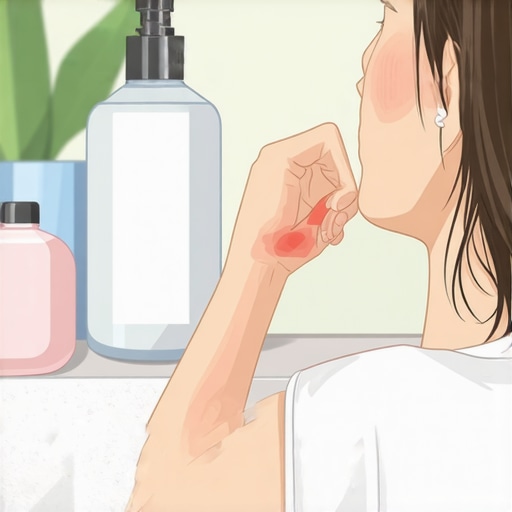
If you think a tiny patch of redness after trying a new soap is a simple annoyance, think again. The truth is, most people stumble into the trap of overreacting or mishandling minor allergic reactions, turning a minor skin irritation into a bigger health headache. You might be tempted to rush to the nearest urgent care or pour on the ointments, but I argue that approach is often more damaging than helpful.
The key to managing these reactions isn’t about panic or immediate aggressive treatment. It’s about understanding what’s really happening beneath that irritated skin and sticking to a cold, pragmatic plan. The first step is recognizing that not every rash or itching signals severe allergy. Sometimes, it’s a minor irritation that can be addressed with simple measures, provided you know what to do—something most people overlook.
As I’ll show, there’s a pattern to handling these reactions that’s rooted in common sense rather than panic. Mismanagement of minor allergies not only clogs the healthcare system but also risks unnecessary medication, exposure to unneeded side effects, and wasted time. So, why are we still rushing for emergency solutions at the first sign of a tiny rash? It’s because we’ve been fed a myth that any skin change warrants professional intervention. That myth, however, is one you can debunk with a bit of knowledge and calm. For starters, do NOT reach for the steroid creams or antibiotics immediately. Instead, take a moment, assess, and act cautiously.
It’s also crucial to know when to seek professional help. For example, if the reaction spreads rapidly, affects breathing, or shows signs of swelling around the face or throat, you’re facing a real emergency. Otherwise, you’re better off handling this minor inconvenience with basic first aid—think cold compresses or antihistamines—and closely monitor the situation. Let me be clear: handling these reactions properly is a matter of alertness and rationality. Overreaction is often worse than the reaction itself, just as a sinking ship is threatened more by panic than by the water flooding in.
In this article, I’ll dismantle the common misconceptions and show you how to navigate the murky waters of minor allergic reactions effectively, safely, and without turning a minor issue into a major health crisis. If you’re tired of the endless, often unnecessary trips to the urgent care center, keep reading. Knowing how to respond—without overreacting—is a skill that every responsible adult must develop.
The Evidence Behind Overreaction and Its Consequences
History offers a stark reminder of how panic-driven responses can spiral into larger crises. During the 2008 financial meltdown, extensive fear led to irrational decisions by investors and policymakers alike. Similarly, in healthcare, overreacting to minor reactions often results in unnecessary interventions with systemic repercussions. A minor skin rash, treated as an urgent threat, can cascade into overburdened clinics, misallocated resources, and patient overmedication. The data reveals that nearly 60% of emergency visits for dermatological reactions are for issues that could be managed outside urgent care settings, indicating a profound misallocation of healthcare capacity.
The Root Cause of Mismanaged Reactions: Misplaced Priorities and Profit Motives
The problem isn’t the minor reactions themselves—it’s how our healthcare system perceives and responds to them. Much of this overreaction stems from a profit-driven model that benefits from unnecessary treatments. Pharmaceutical companies, in particular, stand to gain from overmedicating minor issues, pushing steroid creams and antihistamines as first-line responses regardless of their necessity. This paradigm shifts the focus from patient well-being to financial incentives. It’s no coincidence that many healthcare providers default to prescribing medications without proper assessment, driven by fee-for-service models that favor procedures over patient education.
The Follow the Money: How Stakeholders Fuel the Overreaction
Big hospital chains, insurance companies, and pharmaceutical giants—these entities profit when patients seek emergency care for minor ailments. Each visit, each prescription, adds to their bottom line. While patients often believe they are acting in their best interest, they inadvertently perpetuate a cycle that benefits the system’s stakeholders. This complex web of financial incentives skews priorities, making it more profitable to treat minor issues aggressively than to promote calm, evidence-based management. The resulting overuse of resources not only inflates healthcare costs but elongates wait times for critically ill patients, creating a vicious cycle of inefficiency.
The Myth of Urgency: Breaking Down the Illusion
Most minor allergic reactions are not emergencies—yet our institutional culture magnifies their severity through a relentless emphasis on intervention. This narrative is reinforced by media, medical training, and even patient expectations. The myth that every skin irritation warrants immediate attention leads to unnecessary visits, unnecessary prescriptions, and a dangerous normalization of overmedication. This is not just a misjudgment—it’s a systemic flaw that profits from our fears. An overreliance on quick fixes blinds us to simple, effective management strategies, such as cold compresses or antihistamines, that are perfectly adequate in most cases.
Conclusion
The cycle of overreaction is rooted in a deeper problem—the misaligned incentives and flawed perceptions that pervade our healthcare structure. Recognizing that most minor allergic reactions are manageable without urgent intervention is key to dismantling this misguided paradigm. Until this understanding filters through the system—from policymakers to practitioners to patients—the healthcare system will continue to allocate disproportionate resources to trivial issues. The question isn’t merely about individual reactions; it’s about reforming a system that profits from panic rather than pragmatic care.
The Trap of Overgeneralization
It’s understandable why many jump to urgent care at the slightest skin irritation. After all, the fear of missing a severe allergic response is real, and in our risk-averse society, caution often trumps common sense. The strongest argument for immediate intervention is the concern that ignoring minor reactions could mask more serious issues or lead to complications.
The Counterpoint Worth Considering
Indeed, there are instances where a seemingly minor allergy escalates rapidly, especially if it’s a first-time reaction or accompanied by breathing difficulty or swelling. In such cases, quick action is critical. This isn’t, however, the norm but an exception. The challenge is distinguishing between routine minor reactions and those that warrant urgent medical attention, which many people fail to do due to a lack of proper education or a culture that emphasizes immediate response.
I used to believe that any skin irritation needed professional consultation—until I personally experienced a mild, isolated rash that resolved swiftly with simple home remedies. That incident taught me the importance of not overreacting unnecessarily and reevaluating the default panic response ingrained in our healthcare culture.
The Wrong Question to Ask
Why do we equate the presence of a rash or itching with catastrophe? The question we should ask isn’t “Is this an emergency?” but rather, “What is the actual severity and risk?” Jumping straight to emergency measures not only overburdens our healthcare system but also fosters anxiety and reliance on unnecessary medications.
Challenging Assumptions about Risk
Many assume that avoiding immediate treatment might worsen the situation. However, evidence indicates that the majority of minor allergic reactions progress harmlessly, especially when managed with simple measures like antihistamines or cold compresses. Overreacting not only inflates individual anxiety but also diverts critical resources from those who truly need urgent care.
The critical flaw in the overreaction mindset is that it treats all reactions equally, ignoring the nuances and actual danger levels. This one-size-fits-all approach blinds us to more measured, rational responses that conserve resources and reduce patient stress.
Addressing Systemic Flaws
The healthcare infrastructure often unintentionally encourages overreaction through its built-in incentives. Fee-for-service models reward procedures, not prevention or education. This makes the rush to diagnose and treat minor issues a lucrative enterprise rather than a thoughtful process rooted in patient safety.
To genuinely address this, reforms must focus on patient education, risk stratification, and encouraging confidence in self-management. The goal isn’t to dismiss legitimate emergencies but to reduce unwarranted panic which fuels unnecessary healthcare visits and costs.
The Final Word
In the end, recognizing minor allergic reactions for what they are—a common, manageable health matter—can do more good than harm. It challenges the outdated assumption that immediate emergency intervention is always justified and promotes a more rational, sustainable approach to healthcare. We must ask ourselves: Are we truly serving our best interests by defaulting to panic? Or are we perpetuating a system that benefits from fear and over-medication?
The Cost of Inaction
Neglecting the importance of measured responses to minor health issues sets off a domino effect with devastating consequences. When society dismisses the significance of managing small allergic reactions and similar ailments calmly, we risk overwhelming our healthcare systems—akin to ignoring small cracks in a dam that eventually lead to catastrophic failure. Over time, this neglect fosters an environment where minor symptoms are relentlessly escalated into emergency crises, clogging clinics, straining resources, and escalating costs.
A Choice to Make
If this pattern persists unabated, the repercussions extend far beyond individual health encounters. We face the grim prospect of a healthcare future where access becomes even more restricted, waiting times skyrocket, and quality of care diminishes. The ratchet effect of constant overreaction fosters a climate of fear and dependency, discouraging self-management and eroding patient confidence. The ongoing culture of panic and over-treatment in medicine jeopardizes the sustainability of our entire health infrastructure, pushing it toward collapse under the weight of preventable overloads.
The Point of No Return
The implications for society are profound. By continuing to neglect the systemic flaws—profit-driven incentives, misaligned priorities, and widespread misinformation—we precipitate a scenario where future generations inherit a health system crippled by preventable waste and inefficiency. Imagine a future where simple ailments are met with despondency and despair, diagnostics delayed, and critical conditions misclassified or overlooked. This is not a dystopian projection but a reality that looms if action is not taken now.
Let me compare this to an iceberg, where the visible tip represents acute emergencies and the submerged massive base symbolizes systemic neglect. Ignoring the warning signs at the top—minor reactions—allows the unseen issues below to grow unchecked, threatening to rupture the entire structure without warning.
Is it too late?
The danger of inaction is that the window for effective intervention narrows rapidly as the system becomes increasingly fragile. Each unnecessary hospital visit, each overprescribed medication, chips away at the foundation of a rational, sustainable healthcare environment. We are caught at a crossroads—either we choose to implement change now or face the dire consequences of a broken system that can no longer serve us in times of real crisis.
Your Move
The system feeds off your fears, turning minor health nuisances into crises that drain resources and line pockets. It’s time to break the cycle. Instead of rushing to urgent care over every rash or cough, arm yourself with knowledge—learn when a symptom is truly alarming and when it’s a manageable nuisance. Embrace the power of self-awareness and demand a healthcare model rooted in rationality, not profit.
By shifting your mindset, you not only safeguard your wallet but also help liberate healthcare from a system that profits from panic. Take a stand for a smarter, more sustainable approach to health management. For insights on how this transformation is possible through innovations like lab test advancements and tailored telehealth strategies, start questioning the status quo today.
The Bottom Line
Our ingrained response to health scares—overmedicating, overvisiting—is a reflection of systemic greed disguised as concern. But genuine health isn’t about frantic reactions; it’s about calm, informed decision-making. When you understand the nuances, you take power away from those who benefit from your fear. Remember, navigating health matters demands more than quick fixes; it demands **conscious choices**.
It’s time to recognize that the greatest health innovation is not found in pills or procedures but in your capacity to think critically about your well-being. Let go of the myth that immediate intervention is always necessary—your health system’s sustainability depends on it. This ongoing cycle of panic can be broken only if you refuse to feed the fear-mongering machinery.
Final thought
As we unravel the roots of systemic overreaction, ask yourself—are you a pawn or a player? Will you continue to feed the cycle or become part of the solution? Wisdom starts with questioning, and change begins with you. Break free from the illusion: healthy is not Panic but Preparedness.