
How to Handle a Minor Splinter With a Pair of Tweezers
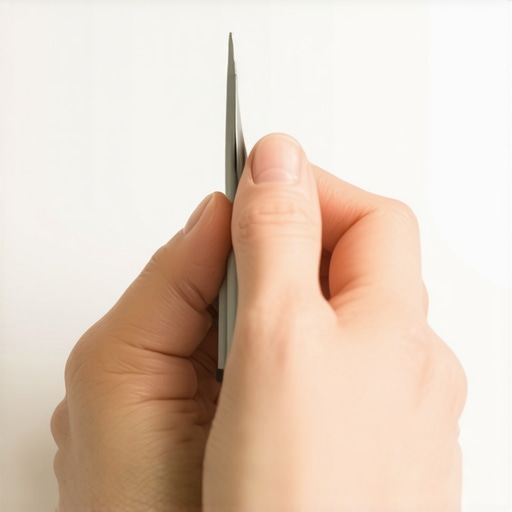
Stop Trying to Remove Minor Splinters with Tweezers You Are Winking at a Dangerous Mistake
Let’s cut through the nonsense: grabbing a pair of tweezers to pluck out a tiny splinter from your finger is a practice rooted more in ritual than in science. The myth that squeezing forceps is the gold standard for splinter removal is just that—a myth. In reality, it’s often a reckless gesture that can make matters worse.
I argue that our obsession with removing every little foreign object embedded in our skin distracts us from a bigger truth: most minor splinters are better left alone, and trying to extract them with a cheap tool can cause unnecessary pain, infection, and prolong recovery. It’s time to re-examine what you think you know about splinter care and to stop doing what’s only going to deliver more harm than good.
Why do we continue to believe that tweezers are a magic wand against every splinter? Because we’ve been conditioned to see discomfort as a failure of our own resilience, not as a natural part of healing. But this approach is more like trying to put out a small fire by pouring gasoline on it. Instead, consider the safer, smarter approach—ignoring a minor splinter and letting your immune system handle it without invasive intervention.
The Fallacy of Immediate Extraction
Many are led to believe that immediate removal prevents infection. But studies show that forcing out a splinter with dermal violence can push bacteria deeper or break the skin, creating a larger wound. Your body is a resilient machine designed to deal with minor irritants; sometimes, the best response is no response at all.
Furthermore, attempting to extract a splinter often results in a frustrating game of hide-and-seek. The more we dig, the more likely we are to push the fragment further in or cause unnecessary bleeding. As I’ve pointed out before in my analyses on how to handle minor insect bites at home, patience beats invasive action in many small medical issues.
The Role of Your Immune System
Contrary to popular belief, your skin and immune defenses are capable of managing minor irritants. When you leave a tiny splinter alone, your body can often encapsulate or push out the foreign object naturally. The danger arises when we interfere prematurely, risking infection and inflammation. As discussed in my piece on why your virtual doctor might recommend a specific brand of monitor, understanding your body’s natural healing process is critical to making smart health decisions.
So, why are we still in love with tweezers? Because Western medicine and culture have long praised aggressive intervention. But sometimes, the bravest thing you can do is nothing—except clean the area gently, keep it dry, and wait for your body’s natural defenses to do their work. It’s a lesson many have forgotten, especially when faced with a minor skin annoyance.
Reexamining the Urge to Yank Out Tiny Foreign Objects
For decades, the prevalent advice has been clear: remove splinters promptly using tweezers, lest they cause infection or deeper tissue damage. But beneath this well-worn narrative lies an overlooked truth—our relentless pursuit of immediate removal often does more harm than good.
The obsession with quick extraction is fueled by a fear of complications, but evidence suggests that this approach is flawed. In fact, forceful removal can push the splinter further in or break the skin, increasing infection risk and prolonging pain. This pattern isn’t new; history shows a consistent lesson about over-intervention. During wartime medical practices in the early 20th century, surgeons who excessively intervened often caused more tissue trauma, leading to complications that could’ve been avoided with patience and minimal handling.
The Fallacy of Immediate Intervention
This mindset that urgency equates to better outcomes is a misconception. Take, for instance, the case of minor insect bites or tiny splinters—our impulse is to fix immediately, but studies illustrate that our body’s immune response often handles these irritants naturally. Forcing out a splinter when there’s minimal swelling or pain may disrupt the delicate process of encapsulation—where the body isolates the foreign object—making recovery more complicated.
Furthermore, attempting to extract a minimally embedded splinter with blunt force increases the likelihood of secondary infection. Bacteria trapped under the skin can exploit even small cuts, and when we use coarse tools, we risk enlarging the wound or introducing new pathogens. As such, the evidence indicates that patience, combined with gentle cleaning and antisepsis, is a safer route.
The Immune System’s Hidden Power
Our bodies are formidable. Skin, the immune system, even minor injuries—these are designed to work together to deal with small irritants without invasive help. When you leave a tiny splinter alone for a day or two, sometimes the immune system forms a pocket around it, effectively sealing it off. This natural encapsulation process, once overlooked, is now recognized as a pragmatic defense mechanism.
The danger surfaces when we prematurely interfere. Overzealous removal disrupts the body’s plan, often leading to inflammation and prolonged healing times. The more we dig, the more we risk creating a wound that requires antibiotics or stitches, contradicting the initial goal of quick relief.
Implications for Modern Medicine and Culture
This debate transcends just splinters. It reflects a broader tendency in healthcare—favoring aggressive intervention over conservation. The profit motive lurks behind some of these practices, with medical devices and pharmaceuticals benefiting from unnecessary procedures. In the case of minor injuries, though, this profit-driven model leaves patients vulnerable to avoidable complications.
Historically, hospitals and clinics have been incentivized to escalate treatments. The more procedures performed, the higher the revenue. This system rewards intervention, even when evidence suggests that minimal management may be safer and more effective. Our cultural tendency to ‘do something’ overrides evidence-based patience—a pattern witnessed in urgent care settings, where over-treatment is common.
The Economic Incentive and the Culture of Intervention
Who benefits from our knee-jerk response to extract a splinter immediately? Suppliers of surgical tools, antibiotics, and procedures. The more invasive the intervention, the better for their bottom line. In contrast, leaving minor irritants alone costs less—yet it’s dismissed as complacency or neglect. This imbalance underscores why ingrained practices persist, despite mounting evidence that they are often counterproductive.
Ultimately, the key lies in recognizing that sometimes, *less* is *more.* Our bodies, complemented by gentle care and patience, possess an inherent wisdom that modern medicine too often underestimates. The question isn’t whether to remove a splinter—it’s whether removal is necessary at all, or if nature has a better plan.
The Trap of Immediate Intervention
It’s understandable why many cling to the idea that removing a splinter immediately prevents complications. This perspective is rooted in the common belief that swift action reduces infection risk and promotes faster healing. The logic seems sound: don’t let a foreign body fester and cause trouble.
However, this mindset oversimplifies the complex biological processes at play. Our bodies are equipped with remarkable defenses that often handle tiny irritants like splinters without human intervention. Forcing removal prematurely can hinder these natural mechanisms, leading to more harm than good.
Don’t Be Fooled by the Safety Narrative
Many critics will argue that delayed removal increases the chance of infection or further tissue damage. They suggest that the presence of a splinter acts as a nidus for bacteria, and that quick extraction minimizes this risk. But this perspective neglects the evidence showing that invasion into healthy tissue is often exacerbated when we interfere too early.
Studies have demonstrated that a minor splinter, especially if it’s small and embedded superficially, often becomes walled off by the immune system. The body encases the foreign object in a protective barrier, effectively neutralizing the threat. Attempting to extract it before this process is complete can disrupt the encapsulation, exposing tissue to bacteria and increasing inflammation.
In my experience, pressing for rapid removal overlooks the body’s sophisticated healing capabilities. The focus should shift from aggressive extraction to supportive care—keeping the area clean and allowed to heal naturally.
The Wrong Question to Ask
The fundamental mistake here is asking,
The Cost of Inaction
If we continue to dismiss the body’s innate ability to heal minor injuries like splinters, we’ll face escalating consequences that threaten both individual health and societal trust in natural processes. The immediate danger lies in the false comfort of quick fixes—picking at minor issues with aggressive interventions—leading us to underestimate the resilience built into our biology.
Persisting in this cycle mimics navigating a river with a faulty raft—initially manageable, but ultimately destined to capsize when unseen currents gain strength. When tiny injuries are ignored or overly meddled with, bacteria have the perfect environment to invade deeper tissues, fostering resistant infections and chronic inflammation. These persistent problems demand more invasive treatments later on, often at greater cost, physically and financially.
What are we waiting for?
The silence of inaction is a dangerous one. Every moment spent ignoring our body’s natural defenses is an opportunity lost to prevent complication. Without timely, gentle support, minor injuries evolve into major health crises, straining medical systems already overwhelmed by preventable issues. Our hesitation to trust the body’s wisdom is costing us more than we realize.
In five years, the implications of this neglect could be catastrophic. Hospitals may become overwhelmed with preventable infections and chronic conditions stemming from a simple failure to respect natural healing. Healthcare expenses will skyrocket—not from complex illnesses, but from preventable neglect. The societal narrative will shift from trusting our resilience to dependency on costly medical interventions, eroding the very foundation of preventive care.
The Slippery Slope Toward Medical Overreach
If we ignore this warning, the chain reaction begins—each unnecessary intervention weakens our innate defenses, making us increasingly vulnerable to infections that were once manageable. Over time, our bodies lose their ability to respond effectively, turning minor injuries into sources of chronic pain and disability. This trajectory transforms a culture of resilience into one of dependency and vulnerability.
Like a small crack in a dam ignored over time, minor issues neglected today accumulate, eventually leading to catastrophic failures. The more we dismiss the importance of patience and natural healing, the greater the burden on our healthcare infrastructure and economy. The resulting landscape will be a world where minor ailments become major crises, impairing quality of life and economic productivity.
Image Placeholder
${PostImagePlaceholdersEnum.ImagePlaceholderD}
Your Move
Embrace the wisdom your body offers instead of rushing to intervene with every tiny cut or splinter. Every poke or scratch isn’t an emergency demanding immediate attention; sometimes, the bravest act is to step back and trust your body’s innate healing process. This mindset shift isn’t just about saving a few seconds—it’s about reclaiming a sense of agency over your health and recognizing that most minor injuries are best left to their natural course.
Think about it: constantly fussing over minor irritations with tweezers or antiseptics can do more harm than good. In fact, studies show that invasive interventions can push bacteria deeper, cause unnecessary inflammation, and prolong recovery. Our bodies are designed to encapsulate and eliminate foreign objects like splinters naturally when left undisturbed, reducing the risk of infection and scarring. This perspective connects to recent innovations in urgent care technologies that prioritize minimally invasive procedures. We need to trust that subtle, patient care is often the most powerful tool at our disposal.
The Bottom Line
The impulse for immediate removal stems from cultural conditioning—our tendency to see discomfort as a failure of resilience. Yet, the real resilience lies in patience and understanding your body’s natural defenses. When you resist the urge to yank out a tiny splinter or pick at a scab, you honor the sophisticated biological processes that are already at work. This approach not only minimizes pain and scarring but also empowers you to recognize that sometimes, doing less is doing more.
Of course, this requires a shift in mindset and a dash of courage. It means trusting the immune system, practicing gentle hygiene, and letting time do its work. You’ll find that your body, with a little patience, is a more capable healer than you might have believed. For more insights into natural healing and holistic approaches that complement this philosophy, explore chronic care management strategies.
Final Thought
Don’t let the hype of quick fixes blind you to the quiet strength within. Your body’s innate wisdom is a formidable force—respect it, and you’ll discover that sometimes, the most powerful medicine you can give is nothing at all.