
How to Measure Your Oxygen Levels Accurately During Telehealth
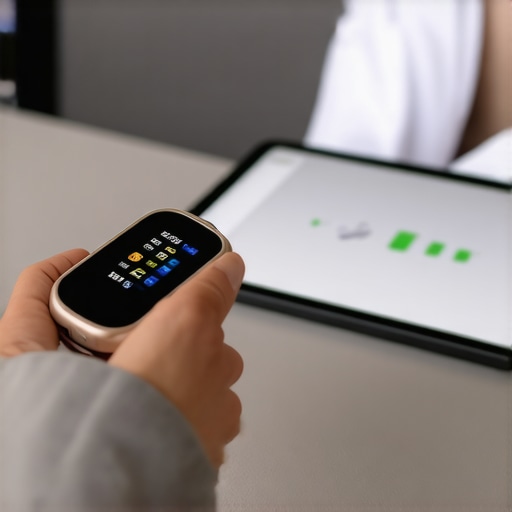
Stop trusting your pulse oximeter blindly
If you’re relying solely on a Fitbit, Apple Watch, or even the cheap pulse oximeters at your local pharmacy, you’re rolling the dice. These devices are often inaccurate, especially during a telehealth consultation, where every second counts. The truth is, many of us have been duped by these gadgets into a false sense of security.
I argue that measuring your oxygen levels isn’t as simple as glancing at a number. It requires precision, context, and understanding. The mainstream approach — grabbing a device and checking off a box — is a sure path to misdiagnosis or worse, overlooking a critical deterioration in your health.
The Myth That Any Device Will Do
Many consumers assume that all pulse oximeters are created equal. This is not only false but dangerous. The disparity between medical-grade monitors and consumer devices can be astronomical. For example, during a telehealth visit, if your satellite device reads 94%, but a clinical device says 89%, which one do you believe? Clearly, not the one you bought on Amazon.
To get an accurate measure, you need to understand the nuances — such as proper placement, calibration, and conditions that affect reading accuracy. Relying on a device that hasn’t been validated for medical accuracy could give you a skewed picture of your lung function, leading to unnecessary panic or, worse, ignoring a sign of impending crisis.
Why This Fails the Telehealth Patient
When health professionals attempt to assess your respiratory status remotely, they depend heavily on accurate data. If that data is flawed, their entire diagnosis becomes compromised. Imagine trying to navigate a stormy sea with a broken compass. That’s what relying on low-quality devices does during a telehealth session.
Furthermore, many people do not understand how environmental factors— like cold hands, motion artifacts, or skin pigmentation — can distort readings. Without proper guidance, these variables turn your measurement into a meaningless number. This is why I’ve often pointed out that a home monitoring system isn’t a set-it-and-forget-it tool, but a skill requiring expertise and correct technique. For that, I recommend reviewing comprehensive guides, like those that explain how to correctly use remote tools for chronic care. You can explore more about this at here.
What the Experts Are Missing in Telehealth Tools
Standard devices are designed to sell, not to serve your health. They overlook critical markers and environmental factors. The problem isn’t only the device but the simplistic metrics they provide. To truly understand your lung function, you need to combine pulse oximetry with detailed symptom tracking and contextual data.
Additionally, many labs now offer more reliable metrics that can give you deeper insights into your respiratory health— like blood markers for inflammation or oxygen transport efficiency. This is where proper lab work, paired with remote monitoring, becomes a potent combo. If you’re curious about which markers might be missing from your standard readings, check out this resource.
The Path Forward
Measuring your oxygen accurately during telehealth isn’t rocket science—but it does require rigor and the right tools. Stop trusting unreliable gadgets and start demanding precision. Invest in validated devices, learn proper techniques, and supplement home readings with professional lab tests.
If you’re serious about your respiratory health, then question the status quo. Don’t accept a quick check as the whole truth. The future of telehealth depends on smarter, more reliable data—so why settle for less? Take control, get informed, and ensure your measurements aren’t just numbers, but accurate reflections of your health.
The Evidence That Devices Deceive
Consider the case of a patient relying on a popular consumer pulse oximeter. During a telehealth consultation, the device reports an oxygen saturation of 94%. Yet, a clinical-grade monitor reveals an alarming 89%. This 5% disparity isn’t mere measurement noise—it’s a chasm that can dictate life or death. Studies indicate that many off-the-shelf pulse oximeters can vary by up to 4-5% from validated medical devices, especially in patients with darker skin pigmentation or cold extremities. Such inaccuracies are not anomalies; they are systemic flaws rooted in the quality and calibration of these gadgets.
This inconsistency is no coincidence. Device manufacturers prioritize profit margins over precision. They sell millions of cheap units, basking in a false narrative that their products are equivalent to hospital-grade equipment. The result? Patients are lulled into a false sense of security, unaware that what they measure at home might be a superficial illusion.
The Root Cause: A Profitable Illusion
The core issue isn’t simply poor device calibration. It stems from a fundamental misalignment of interests. Manufacturers of consumer-grade pulse oximeters are driven by mass production, not accuracy. Certifications like FDA approval are often based on limited testing, insufficient for the high-stakes reality of telehealth. This creates a marketplace flooded with devices that meet minimal standards but fall short in critical situations.
Furthermore, environmental factors exacerbate the problem. Cold hands, movement, skin pigmentation—these variables skew readings. Yet, the manufacturers offer no guidance on accounting for these when interpreting results. This oversight isn’t accidental; it’s profitable. Devices that produce inconsistent data maintain the cycle of consumer dependency and repeated purchases, fostering a market where flawed products thrive.
The Follow the Money Trail
The beneficiaries are clear—device companies and telehealth platforms that lack incentives for rigorous validation. They push the narrative that their gadgets democratize health monitoring, but in reality, they cultivate a cycle of misinformation. Insurance companies, too, play a role by reimbursing the use of these devices without demanding validation, incentivizing widespread adoption of unreliable technology.
On the other side, healthcare professionals remain hamstrung. Inaccurate data leads to misdiagnosis, unnecessary anxiety, or dangerous complacency. Yet, they are often trapped within a system that values quick assessments over thorough, validated testing. The profit-driven expansion of consumer health gadgets fuels this imbalance, diverting attention from the real goal—accurate, reliable patient data.
A Broken System Perpetuated
The widespread belief that a simple device can replace clinical assessment is a myth that benefits several stakeholders. Devices aren’t tested with the rigors of clinical validation; they are marketed through appealing interfaces, flashy displays, and promises of empowerment. But empowerment without accuracy is a mirage.
The systemic issue isn’t only with the devices themselves but with the entire telehealth ecosystem that accepts subpar data as a proxy for true health status. This favors scalability and profit over safety—a costly trade-off. Until these underlying incentives are restructured, reliance on consumer-grade pulse oximeters remains a gamble, often with high stakes hidden behind a false veneer of simplicity and convenience.
The Trap of Oversimplification
It’s easy to see why many believe that having a pulse oximeter at home is enough to monitor respiratory health. The core argument from critics hinges on the idea that modern consumer devices are sufficiently accurate for everyday use, and that improved technology will eventually surmount current limitations. They contend that widespread access to these gadgets democratizes health and enables early detection, potentially saving lives.
The Challenge to the Critics
I used to believe that consumer pulse oximeters were an advancement worth promoting—until I uncovered the systemic flaws embedded in their design and validation processes. The reality is that these devices, despite their convenience and affordability, are riddled with inaccuracies, especially in real-world conditions. This isn’t just a matter of minor measurement noise; it impacts clinical decisions and patient outcomes on a profound level.
The best argument against my skepticism is the rapid technological evolution and increasing validation efforts by reputable manufacturers. Critics say that improvements in sensor technology and regulatory standards will bridge the gap between consumer and clinical-grade devices over time. If this were true, the entire discourse about unreliable home measurements would be moot, and we could accept these devices as trustworthy companions in health management.
But here’s the catch—this optimistic outlook overlooks the entrenched systemic issues. Validation standards in the consumer market are often minimal or loosely enforced, especially outside strict regulatory jurisdictions. Many devices on the market are approved based on limited testing, often in ideal lab conditions that do not reflect everyday usage or diverse populations.
The Wrong Question
Many proponents focus on whether current devices are
The Cost of Inaction
If the current trend of neglecting reliable, validated telehealth tools continues, we risk unleashing a cascade of health crises that could have been avoided. In five years, our healthcare landscape may resemble a fragile, crumbling edifice built on a foundation of shaky data. Patients relying on inaccurate pulse oximeters and superficial symptom checks will face misdiagnoses, delayed treatments, and increased mortality rates. The danger intensifies as healthcare providers are forced to make decisions based on misleading information, akin to navigating a storm with a broken compass.
A Choice to Make
Now is the moment to confront the systemic flaws embedded in our telehealth ecosystem. Ignoring this warning isn’t just an individual oversight—it’s a collective negligence that undermines trust in medical technology and jeopardizes lives. Failing to prioritize validated, precise tools means continuing to gamble with health outcomes, trusting unreliable gadgets over rigorous diagnostics. The opportunity to recalibrate our approach and demand better standards exists, but hesitation only deepens the risk.
The Point of No Return
Procrastination in addressing these issues transforms future health crises into unavoidable disasters. If we dismiss the importance of accuracy today, we set the stage for a world where preventable illnesses become the norm, overwhelming hospitals and straining resources. It’s like ignoring a tiny leak in a dam—what begins as minor can quickly escalate into a catastrophic flood. Immediate action is essential to prevent this nightmare from unfolding.
What are we waiting for?
It’s time to recognize that the stakes are too high to remain passive. The unchecked proliferation of unreliable devices, without proper validation, has already begun to corrode the integrity of telehealth. This complacency could lock us into a future where health data is as trustworthy as a house of cards—fragile and prone to collapse when most needed. To avoid that disastrous collapse, we must prioritize accuracy, invest in validated technology, and demand accountability from manufacturers and regulators alike.
While the temptations of convenience and immediacy are strong, they pale in comparison to the importance of precise health information. Our future depends on whether we choose to act now or remain passive and watch our health system degrade into chaos. The warning signs are clear—only decisive, collective effort can steer us away from the impending catastrophe.
${PostImagePlaceholdersEnum.ImagePlaceholderD}
Your Move
The relentless march of technology has wrapped us in a comforting lie: that digital gadgets and quick tests can fully substitute the expertise of healthcare professionals. But as we’ve seen, relying on consumer-grade pulse oximeters and superficial telehealth checks is a dangerous game—one that risks lives and undermines trust in true medical science.
It’s time to challenge the false assumption that convenience equals accuracy. The systemic flaws—manufacturers prioritizing profits over precision, environmental factors skewing readings, and regulators falling short—are not minor hiccups but fundamental issues rooted in profit-driven complacency. We must demand validated, reliable tools and proper interpretation of data, not quick fixes masked as medical progress.
Consider this: every inaccurate reading, every superficial glance at a number, chips away at the foundation of a trustworthy healthcare system. The stakes are too high for passive acceptance. Instead, embrace a culture of informed skepticism—question your devices, seek professional assessments, and demand the integrity that true health warrants.
The Twist
This isn’t just about device accuracy; it’s about reclaiming agency over our health. The same system that profits from our complacency will resist change, but it’s our refusal to accept mediocrity that can ignite real transformation. Your health isn’t a commodity to be bought with cheap gadgets; it’s a critical asset, demanding the highest standards, validation, and expertise.
For those ready to take control, start by exploring comprehensive guides on proper remote monitoring and understanding vital markers beyond surface-level data. Deepen your knowledge at `- https://primemedicalclinics.com/3-remote-tools-that-fix-chronic-care-data-gaps` and ensure your measurements reflect reality, not just convenience.
Signature Sign-off
Don’t let the illusion of simplicity sabotage your future. The path to genuine health security begins with asking tough questions—because when it comes to your well-being, there’s no room for guesses or shortcuts. Own your data, verify your tools, and demand the accountability that true healthcare deserves.