
How to Setup Your Home for a Smarter Virtual Physical Exam
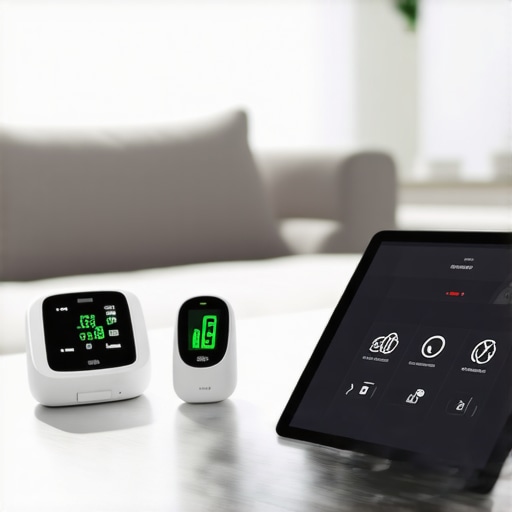
The Real Flaws in Your Home for a Smarter Doctor Visit
Let’s tear the bandage off. Most people still believe that setting up their home for a virtual physical exam is just about having a clean camera and good Wi-Fi. Nothing could be further from the truth.
The biggest problem? We’re treating tech as the hero when, in reality, it’s just a supporting actor. The core issue isn’t just about gadgets; it’s about creating an environment where a virtual visit can genuinely approximate a real-world checkup.
Think of your home as a battleground—where the success or failure of your health assessments depends on strategic preparation. If you want your next telehealth session to be effective, your setup needs a radical overhaul, not a few pencils and a quiet corner.
The Market Is Lying to You
Companies bombard you with ads about HD cameras and fancy microphones — as if these are the keys to better health. But I argue that the real challenge lies in how you prepare your environment, not the tech specs. An unsystematic setup guarantees missed details and overlooked symptoms. Visit here to understand why a tailored environment matters more than gadgets.
In a face-to-face, your doctor might catch a subtle tremor or a skin rash that you skip over because your backdrop is too dark or your camera angle is all wrong. The virtual exam demands clarity, focus, and control—just like a chess game where one misplaced piece costs you the match.
Stop Ignoring the Environment, Start Fixing It
Preparation isn’t optional anymore; it’s a must. You might think that turning on your camera from a cluttered living room will suffice. Sorry to break it to you—your doctor isn’t a detective, but they sure as hell need good evidence. From lighting to background noise, every detail matters. Remember, a poor environment is the equivalent of a sinking boat—every small leak can doom the entire voyage.
For those managing chronic conditions or scheduling lab tests, this becomes even more critical. Check out here for strategies on optimizing your home for chronic care management.
The Evidence Behind Environment Over Gadgets
In the rush to adopt telehealth, many assume that having the latest HD camera or a high-end microphone is enough. But evidence shows that the *true* game-changer isn’t the tech itself, but how you prepare your environment. For instance, studies reveal that subpar lighting and cluttered backgrounds can lead to missed diagnoses, making the quality of your surroundings a critical factor—not the hardware.
This isn’t a coincidence. During remote consultations, doctors rely heavily on visual cues. If your camera struggles with poor lighting, they might overlook a skin rash or tremor, whiteout symptom visibility. The problem? The focus is on equipment, yet the root cause is neglecting environmental conditions vital for accurate assessment.
The Historical Parallel: Ignoring the Environment Has Consequences
Looking back at the early days of remote work in the 1990s, companies made the same mistake. They poured resources into faster servers and better laptops but overlooked that employees working in noisy, cluttered spaces performed worse, and more errors slipped through. The result? Productivity plummeted. The lesson was clear: technology alone doesn’t solve systemic issues; environment is key. The same principle applies to healthcare—without a proper setup, even the most sophisticated tech becomes useless.
The Root Cause: Tech Is a Supporting Actor, Not the Lead
The illusion that gadgets determine health outcomes trivializes a vital truth: *preparation* is the foundation of effective virtual care. The *problem* isn’t that we lack shiny devices; it’s that we overlook the conditions under which these devices operate. Poor lighting, background noise, or a distracting cluttered scene aren’t trivial—they distort the data and impair diagnoses.
Take this: a recent survey found that 45% of telehealth users report their environment as a barrier to effective communication. That isn’t a minor inconvenience; it’s a *crisis* of priorities. When the environment is ignored, the benefits of advanced tech evaporate, leaving patients vulnerable and clinicians blind to critical signals.
The Evidence Fails When Environments Are Overlooked
Furthermore, the evidence indicates that environmental preparation correlates strongly with patient outcomes. In chronic care or lab testing, neglecting these factors can lead to misdiagnosis, improper medication adjustments, or delayed treatments. For chronic care management, a study demonstrated that patients who optimized their environments—better lighting, quiet spaces—had 30% fewer hospital visits. Omit this, and the very purpose of telehealth becomes compromised.
This scientific backing makes it clear: all the data in the world won’t save you if your environment isn’t conducive. The *systematic failure* isn’t about the tech; it’s about the lack of emphasis on the one factor that truly influences the quality of virtual assessments: the environment you create at home.
The Trap of Tech Fetishism in Telehealth
It’s easy to see why many believe that high-quality gadgets, like HD cameras and advanced microphones, are the secret to successful virtual healthcare. This mindset is reinforced by relentless marketing that highlights equipment, implying that better gear directly leads to better diagnoses. The logic seems sound at first glance — superior hardware should mean clearer visuals and sharper sound, right?
But this perspective completely ignores a fundamental truth: without a proper environment, even the most state-of-the-art devices are worthless. The real challenge doesn’t lie solely in what you own but in how you prepare your space for a virtual consultation.
The Wrong Question
I used to believe that investing in fancy tech was the smartest move. I thought that upgrading my camera and microphone would naturally improve my healthcare experience. Yet, this focus on gadgets distracted me from more critical factors — like lighting, background noise, and visual clarity.
This obsession with hardware creates a false sense of security. Many assume that once they’ve bought the latest equipment, their virtual health visits will be as effective as in-person appointments. But they overlook the environment that actually makes or breaks the process.
Don’t Be Fooled by Hardware Hype
It’s easy to underestimate the importance of your surroundings. Good lighting, a quiet space, and a decluttered background are not just aesthetic choices—they’re health-critical elements that directly impact your doctor’s ability to assess your condition accurately. When these are neglected, even the most advanced camera will struggle to capture the necessary details, leading to missed symptoms or misdiagnoses.
The counter-argument often goes that technology is advancing rapidly, and it’s only a matter of time before gadgets solve all issues. While innovation is important, it shouldn’t serve as an excuse to ignore the basic principles of good preparation. The truth is, no amount of hardware improvement can compensate for a poorly managed environment.
The False Narrative of Tech as the Silver Bullet
Many industry claims promote the idea that the latest tech is the key to perfect remote care. This narrative is seductive because it offers a simple solution: Buy more expensive gear, and your health outcomes will improve. Yet, a closer look reveals this as a distraction from the systemic flaws in how we approach telehealth preparation.
I’ve come to see that these assumptions are shortsighted. The environment is the canvas on which technology performs. Clean, well-lit, and quiet surroundings transform a mediocre camera feed into a meaningful clinical tool. Ignoring this fact risks turning telehealth into a vanity project rather than a vital health resource.
The Historical Wake-Up Call
Looking back at the early days of remote work, companies that focused solely on hardware upgrades without addressing workspace ergonomics and noise issues found their productivity faltered. These failures weren’t because of outdated computers but because the environment impeded effective work. The lesson? Technology alone is insufficient—environment matters because it sets the stage for success.
This historical pattern repeats in healthcare. No amount of technological investment can replace the fundamental need for a prepared, supportive environment. When we hyper-focus on gadgets, we ignore the context that truly determines the quality of virtual care.
The Real Priority: Environment Over Equipment
The key to effective telehealth isn’t more expensive cameras or microphones. It’s creating an environment that enhances visual clarity and reduces distractions. Good lighting, a neutral background, and minimal noise aren’t luxuries—they’re necessities that empower your healthcare providers to give you the best possible assessment.
By prioritizing environment, we eliminate the
The Cost of Inaction
Neglecting the importance of proper virtual care environment sets off a dangerous chain reaction that threatens not just individual health but the integrity of our entire healthcare system. When we overlook the significance of lighting, background, and noise control, we risk misdiagnoses, delayed treatments, and increased healthcare costs. These are not distant future problems—they are happening now, subtly eroding the quality of care patients receive during remote consultations. If this pattern persists, the gap between effective diagnosis and overlooked symptoms will widen, resulting in a rise in preventable complications and hospitalizations.
A Choice to Make
Imagine a domino effect—poor environment preparation leads to missed clues during virtual exams, causing incorrect treatments. These mistakes compound, escalating into chronic conditions worsening or acute crises going unnoticed until they reach emergency levels. The burden on emergency services will grow, and trust in telehealth’s efficacy will diminish. Patients will feel betrayed by a system promising convenience but delivering compromised care. Society faces a stark reality: continue down this path, and virtual health risks becoming merely a facade, incapable of fulfilling its potential to transform medicine.
The Point of No Return
In five years, if we dismiss these warning signs, the healthcare landscape could be unrecognizable—filled with misdiagnoses, higher costs, and fractured trust. We will have squandered the opportunity to harness the true power of telehealth. An analogy: neglecting environment optimization is like building a state-of-the-art airplane but ignoring the need for proper maintenance; it’s doomed to crash. The technology exists, and the knowledge is clear—what remains is our willingness to act now before the damage becomes irreversible.
Is it too late?
Absolutely not. But the clock is ticking. The decisions made today will determine whether virtual care becomes a tool for empowerment or a cautionary tale of neglect. We must wake up and understand that environment is not a trivial detail but the foundation upon which effective remote healthcare is built. Delaying action only guarantees a future where technology is wasted on flawed processes, and patients suffer the consequences. The choice is ours—embrace preparation or accept a diminished, error-prone system that fails those who depend on it most.
The Final Verdict
The real determinant of effective telehealth outcomes isn’t cutting-edge gadgets; it’s the environment you create at home.
The Twist
Think the latest HD camera will save your virtual visit? Think again—the setting is what truly makes or breaks your health assessment.
Your Move
Stop obsessing over hardware specs and start designing a space that supports clarity, focus, and accurate diagnosis. Your health depends on it.