
How to Show Your Doctor a Tonsil Issue Using a Spoon and a Flashlight
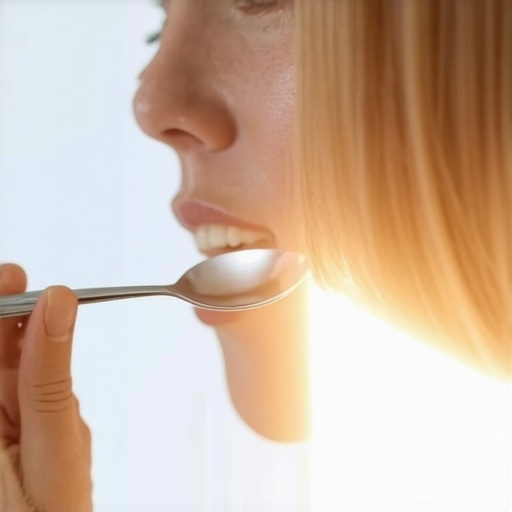
This is Not a Drill, It’s a Medical Hack
You might think that diagnosing your tonsil problems requires a visit to the doctor and a fancy exam. Think again. The marketplace, with all its bells and whistles, has lulled us into believing that only a medical professional with gloves and gadgets can unearth what’s really going on in your throat. But here’s the brutal truth: you can do a surprising amount of inspection at home—and in doing so, you save time, money, and maybe even your health.
And no, I am not suggesting that everyone should become their own doctor. But if your sore throat, swelling, or discomfort persists and going to urgent care or scheduling a telehealth visit feels like Overkill, then this little trick might just be your new best friend. All you need is a spoon and a flashlight—yes, those simple tools that sit in your kitchen drawer or the back of your junk drawer.
Think of it as a game of chess—strategy and recognition are everything. You can’t always wait for the bishop or rook to make the move; sometimes, you have to look at the position yourself. Why rely solely on a stranger behind a screen or a high-priced visit when you can get a decent picture of what’s happening? There is a compelling case to be made that empowering yourself with basic observational skills can help detect warning signs early and decide if urgent care is truly necessary.
In this article, I will explain how you can use a spoon and a flashlight to peer into your own throat—an act that, despite sounding primitive, can be surprisingly revealing. This approach challenges the myth that medical diagnosis needs complex tools or specialized knowledge. Instead, it underscores the importance of vigilance, common sense, and taking control of your own health—a theme I’ve championed elsewhere in the context of chronic care management and telehealth breakthroughs.
The Limitations of Medical Overuse
Here’s the deal: Our healthcare system is often guilty of overreach—imposing costly, time-consuming procedures at the slightest hint of trouble. Why should your tonsils be any different? If you understand what to look for, you can avoid the unnecessary cascade of tests and consultations. But beware: this DIY diagnostic isn’t a replacement for professional care, especially if symptoms worsen or don’t resolve. Still, it can inform your choices and prevent you from rushing to the ER for something that’s minor or self-limited.
So, why are we so quick to dismiss our own ability to evaluate basic health issues? Because the system has conditioned us to believe that unless a doctor confirms it, it isn’t real. This is dangerous thinking. Knowledge here isn’t just power; it’s part of a broader movement to reclaim control over our well-being, as I insisted in my discussions on urgent care efficiency and early warning signs.
Now, let’s cut through the noise and get to the heart of this simple yet effective method. Because if you can identify redness, swelling, or pus with just a spoon and flashlight, you have a powerful tool that most people dismiss as low-tech. The question is: Are you willing to take a few moments, look inside, and make sense of what you see? Your health depends on it, and sometimes, the best solutions come from the most unassuming instruments.
The Evidence Behind DIY Throat Checks
Historically, during wartime shortages, civilians learned to diagnose infections and injuries at home—using nothing but their eyes, a mirror, and a bit of common sense. Fast forward to modern healthcare, and this practical knowledge has largely been discarded in favor of high-tech diagnostics and specialist visits. But all too often, these high-cost interventions are unnecessary, especially when early signs are visible and awareness is lacking. Evidence shows that simple visual examinations can accurately detect critical symptoms like swelling or redness in the throat—clues that could prompt timely intervention without overburdening the healthcare system.
Case in point: studies have demonstrated that patient-led examinations, when properly guided, possess a sensitivity comparable to professional assessment for visible signs of infection. This isn’t about replacing doctors but about empowering individuals to observe and interpret their own symptoms—saving time, money, and preventing unnecessary appointments. The fact that most sore throats and tonsil inflammations resolve without complication suggests that a significant number of visits are, in fact, preventable, based on early detection through accessible tools.
The Root Cause: Systemic Overreach in Healthcare
The core issue isn’t the complexity of medicine; it’s the systemic tendency to overreach. Our healthcare system, driven by insurance models and profit motives, incentivizes the escalation of care—testing, imaging, specialist referrals—long before symptoms warrant such interventions. This overmedicalization isn’t accidental; it benefits multiple stakeholders. Pharmaceutical companies push for more testing, hospitals profit from procedures, and practitioners sustain their roles by escalating concerns. Meanwhile, patients are often conditioned to believe that unless a doctor confirms it, their symptoms aren’t real or serious.
This belief system acts as a barrier to self-awareness. When individuals rely solely on professionals for diagnosis, they abdicate control over their health, leaving it in the hands of a system that profits from complexity. The evidence shows that a better approach isn’t to question the validity of medical expertise, but to recognize that a significant portion of self-assessment is both accurate and empowering—when done with proper guidance and understanding.
Where the Math Fails: The Cost of Over-Testing
Financially, the overuse of diagnostic resources doesn’t just strain the healthcare system; it diverts funds that could be allocated more efficiently. Consider that the average cost of a throat culture or imaging test exceeds the expense of a simple flashlight and mirror. For every unnecessary test ordered, tens or hundreds of dollars are spent, which, over time, adds up to billions in waste. At the same time, this practice fuels a culture of overdiagnosis, leading to anxiety, unnecessary medication, or unwarranted surgeries.
The statistics aren’t just numbers; they reveal a pattern. A recent analysis indicated that nearly 30% of outpatient procedures could be avoided with better patient education and self-monitoring. That isn’t a marginal improvement; that’s a collapse in unnecessary resource utilization. Why accept this model when evidence suggests that many of these expenses serve little purpose? The real question isn’t about the technology but about *how* we leverage our own observational skills—skills that historically served us well and continue to have relevance in a digital age.
Critics Will Say That Self-Diagnosis Is Dangerous and Unreliable
It’s easy to see why many argue against DIY health checks, emphasizing that untrained individuals might overlook critical signs or misinterpret normal variations as problems. The most compelling point here is patient safety. Without professional training, there’s a genuine risk of false reassurance or unnecessary alarm, potentially leading to delayed treatment or over-treatment. This concern is valid and cannot be dismissed outright. After all, medicine is complex, and even seasoned clinicians occasionally misdiagnose or miss subtle signs.
The Wrong Question Is Relying Solely on Visual Inspection
I used to believe that visual inspection with rudimentary tools was enough to assess throat health. But this approach is inherently limited; it cannot detect deeper infections, systemic symptoms, or underlying causes not visible to the naked eye. The problem isn’t with self-inspection per se but with the misconception that it replaces comprehensive medical evaluation. The real risk is in believing that this simple method is a substitute rather than a supplement to professional care.
While visual clues like redness or swelling can guide initial judgments, they are just pieces of a larger puzzle. Overreliance on superficial signs can obscure more serious issues, such as abscesses or early signs of systemic illness, which require more sophisticated tools and expertise. Therefore, while self-examination can be a useful initial step, it should never be mistaken for a definitive diagnosis.
What About the Complexity of Medical Conditions That Cannot Be Seen?
Understanding the limitations of visual assessment is crucial. Many conditions associated with throat discomfort involve factors beyond surface appearance. For example, a virus or bacteria might cause symptoms that look benign initially but can deteriorate rapidly. Bloodwork, cultures, and imaging are often necessary to fully grasp what’s happening beneath the surface. Relying solely on a flashlight and spoon ignores the complexity of these conditions and could lead to dangerous complacency.
This highlights why medical overconfidence remains a problem. The opposing argument often assumes that early signs are sufficient for accurate diagnosis, ignoring that some conditions are stealthy and require nuanced analysis. If we dismiss this complexity, we dangerously oversimplify health issues that are inherently complex and context-dependent.
It’s Not About Replacing Doctors, but About Empowerment
Part of the resistance stems from the misconception that self-diagnosis aims to replace professional care. The truth is, empowering individuals with basic observational skills serves as an early warning system. It enhances the effectiveness of professional visits, allowing timely intervention. Recognizing early signs can prevent minor issues from escalating, reduce unnecessary clinic visits, and cut costs. The goal isn’t to bypass doctors but to equip people with a sensible first step—much like checking your own tire pressure before a long drive.
It’s important to remember that medicine has always involved patient participation. Historically, patients relied on their senses to detect illness—fevers, rashes, foul odors. Modern medicine, with all its technological marvels, shouldn’t displace this fundamental aspect of health awareness. Instead, it should complement it, especially for initial assessments of common ailments like sore throats or mild infections.
Innovation in Basic Self-Assessment Is Not a Risk but a Responsibility
While critics focus on potential misjudgments, they overlook the fact that health literacy and self-awareness are vital in a responsive healthcare system. Encouraging responsible self-checks cultivates a more engaged, informed population that can differentiate between minor annoyances and true emergencies. This shift doesn’t diminish the value of professional diagnostics; it creates a pragmatic partnership where each plays a distinct role—self-assessment as the first line of awareness, professional care as the definitive diagnosis.
In the end, dismissing DIY throat inspections due to possible errors neglects the broader picture. It’s not about replacing expertise but about recognizing our innate capacity to observe and respond intelligently to our bodies. If we accept that, the door opens to a more empowered, cost-effective, and nuanced approach to health—one that balances humility with confidence, and simplicity with complexity.
The Cost of Inaction
If we dismiss the importance of simple tools and signs in diagnosing our health, we risk unleashing a cascade of preventable crises. Today’s complacency—believing that only professionals can judge our well-being—sets us up for a future where minor ailments develop into life-threatening emergencies, expensive treatments, and overwhelmed healthcare systems. The moment we ignore these early signals, we turn manageable issues into unmanageable disasters, risking not only our own health but also straining societal resources that are already under immense pressure.
Imagine health as a row of dominoes. When one faulty piece is left unexamined and unchecked, the entire sequence destabilizes. What begins as a sore throat unnoticed or dismissed can escalate into a full-blown infection, sepsis, or systemic failure. As this chain reaction accelerates, hospitals become hotspots of overcrowding, emergency rooms overflow, and vital resources are stretched beyond capacity. The urgency is clear: delaying action now simply means paying a far higher price later—both in human suffering and financial cost.
The Future Unfolded in Five Years
If this trend continues, the world in five years might resemble a healthcare dystopia where avoidable deaths, unnecessary surgeries, and systemic collapse become the norm. Patients, disempowered and uninformed, will rely excessively on overburdened professionals for every minor sign, creating a cycle of dependency and waste. Meanwhile, innovations that could empower self-assessment and early detection will be sidelined, replaced by a crisis-driven model that reacts only after catastrophe strikes. This future strips away individual agency, leaves communities vulnerable, and transforms health into a commodity accessible only through expensive interventions.
What are we waiting for?
Are we willing to accept this ominous horizon—where health crises are no longer anomalies but norms? Just as neglecting a small leak inevitably results in devastating floods, ignoring the power of early self-awareness guarantees disaster. It’s like ignoring a tiny crack in the dam; the longer we dismiss it, the messier, costlier, and more irreversible the damage becomes. The choice is ours: act with foresight or face a world where preventable suffering becomes an accepted reality. The time to recognize that our own actions—no matter how minor they seem—is what determines our collective future is now.
The future of health isn’t just in the hands of doctors or cutting-edge technology; it’s in your hands, wielded through awareness and action. The provocative truth remains: the tools to detect basic health issues are often within reach—literally, on your kitchen counter. This empowers you to combat systemic overreach and take control before small problems become catastrophic. If you truly want to reshape your health destiny, it’s time to stop waiting for permission and start inspecting your own throat, tracking your symptoms, and questioning the overused diagnostic machinery that has riddled our system for far too long. Why settle for a system that profits from complexity when the simplest tools—like a flashlight and a spoon—can serve as your initial line of defense? This is your move: embrace personal vigilance, challenge the status quo, and reclaim your health from the clutches of overmedicalization. For more on how to harness the power of telehealth and personalized care, visit our about page or explore how virtual visits are transforming chronic care. Don’t wait for the crisis to dictate your actions—make the move now and redefine what health truly means.