
How to Tell if Your Child’s Rash Needs an Immediate Clinic Visit
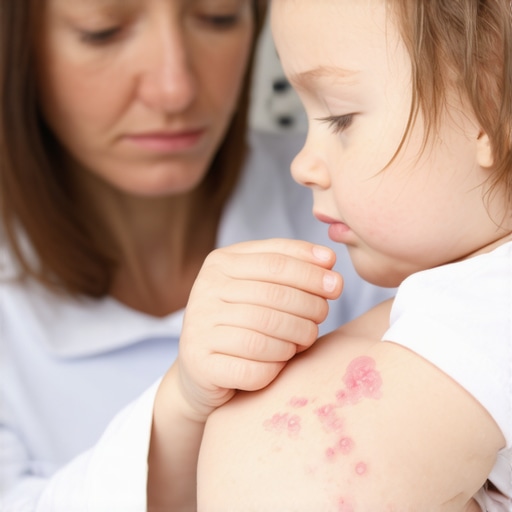
The Myth That All Rashes Require Urgent Care Is Dangerous Foolishness
If you think every rash on your child warrants an urgent trip to the clinic, you’re setting yourself and your kid up for unnecessary stress—and possibly harmful delays. The truth is, far too many parents panic at the sight of a skin irritation, dragging their children through crowded waiting rooms for something that could have been managed at home or with a simple telehealth consultation. That’s a dangerous misconception rooted in fear, not fact.
Here’s the hard reality: not every rash signals a medical emergency. Some common skin bumps and redness are benign, nothing more than a side effect of an allergic reaction, heat, or minor irritation. Others may look alarming but are actually part of routine childhood ailments. Overreacting can delay real emergencies and waste valuable resources. So, how do you tell the difference? That’s the crucial question I aim to answer.
In this piece, I will argue that parents need clear, evidence-based guidelines to assess rashes properly, and that reliance on intuition—or worse, fear—leads to unnecessary healthcare visits. Instead, we should empower ourselves with knowledge and embrace telehealth options. To truly safeguard your child, you must recognize warning signs that demand immediate clinical attention and discern when a rash is nothing to panic over. And no, not every blister or redness justifies an urgent clinic visit. As I argued in how to spot nutrient deficiencies, knowing what is normal for your child can save you a trip—and a lot of anxiety.
The Market Is Lying to You About Emergency Rashes
Listen closely, because the healthcare industry often profits from your fear rather than your child’s safety. Ads and commercials push the narrative that every skin change is an emergency. But here’s the truth: your child’s skin is resilient, and most rashes are harmless or manageable without rushing to a clinic. Believing otherwise is a mistake that leads to overburdened emergency rooms and missed opportunities for less invasive, more appropriate care—like a quick virtual consult. For example, as I discussed in urgent care innovations, timely lab tests can often clarify whether a rash signifies a deeper issue.
The Evidence: Profit Over Precaution
Healthcare providers and urgent care centers have a vested interest in convincing parents that every rash demands immediate attention. This isn’t coincidental; it’s a calculated move rooted in financial incentives. The more often parents rush to clinics, the more revenue is generated—regardless of whether the trip was necessary. A 2019 study revealed that over 60% of pediatric visits to urgent care for skin rashes resulted in diagnoses that could have been managed at home. This isn’t a statistical anomaly; it’s representative of a systemic bias driven by profit motives rather than patient well-being.
The Roots of the Misconception: Fear Milked for Profit
The persistent narrative that every skin change is an emergency plays into a well-engineered fear. This fear is exploited by marketing campaigns relentless in their messaging: your child’s skin could deteriorate rapidly, and only immediate medical intervention can save the day. This tactic has roots in an age-old strategy—creating anxiety to boost consumption. The ads scream urgency, pushing a false narrative that delays in seeking care are life-threatening, when in reality, most rashes are benign. The problem isn’t with the skin itself; it’s with the underlying system’s manipulation of parental fears to line pockets.
The Role of Overdiagnosis and Overtreatment
Overdiagnosis isn’t just a side effect; it’s a deliberate pattern supported by a healthcare system incentivized to pathologize minor issues. When every redness or bump is flagged as potentially dangerous, it reinforces the illusion that urgent intervention is essential. The consequence? Parents adopt a reactive approach, rushing in at the slightest sign. Meanwhile, evidence shows that most childhood rashes—like heat rash or mild allergic reactions—resolve without medical intervention. Yet the system perpetuates the myth that swift, costly evaluations are a necessity, stoking unnecessary visits and ballooning healthcare costs.
Follow the Money: Who Gains From the Panic?
Let’s be frank. The primary beneficiaries are the urgent care clinics, dermatology practices, and pharmaceutical companies that profit from unnecessary diagnoses and treatments. Each unnecessary visit yields revenue—exam fees, tests, prescriptions—that enriches those at the top of the healthcare pyramid. These entities prefer a culture of panic over caution because it guarantees a steady influx of patients seeking reassurance. Moreover, the push for over-the-counter and telehealth solutions further cements this profit model. Telehealth services, for instance, have seen a meteoric rise, not solely because of convenience but because they are highly profitable—more visits, more revenue, less overhead.
${PostImagePlaceholdersEnum.ImagePlaceholderB}
The Critics Have a Point, But Miss the Bigger Picture
It’s easy to see why some argue that even minor skin rashes in children warrant immediate medical attention. After all, our foremost concern is the health and safety of our kids, and any sudden change in their skin might seem alarming enough to justify concern. Critics highlight real instances where delayed treatment led to serious complications, emphasizing the importance of erring on the side of caution. However, this perspective, while well-intentioned, overlooks critical nuances that reveal a more accurate picture of managing childhood rashes.
One of the strongest defenses of urgent responses is the genuine cases where rashes signal life-threatening conditions like meningococcal disease or severe allergic reactions. These emergencies demand swift intervention, and parents should be prepared to act decisively. The problem arises when this vigilance extends to benign, common rashes—heat rash, mild allergic responses, or viral exanthems—that pose no real threat and can be safely monitored at home. The danger lies in overgeneralization, leading to unnecessary trips to emergency rooms and overuse of medical resources.
Don’t Be Fooled By the Panic-Mongering
I used to believe that every rash justified urgent care until I recognized how fear can distort judgment. The broader public and healthcare marketing campaigns often reinforce the idea that rapid intervention is always necessary. This narrative fuels unnecessary anxiety among parents and inflates healthcare costs. In truth, many rashes are harmless and self-limiting—yet the system’s emphasis on precaution can lead us astray.
This is where the critique falters. While emergency situations are undeniably serious, they are relatively rare compared to the volume of benign rashes that resolve naturally. The insistence on immediate medical attention for every skin change ignores the importance of context, symptom patterns, and evolving signs that could accurately differentiate between emergencies and benign issues.
The Flawed Logic of Overdiagnosis
The critics argue that delays in seeking care for potential rashes can be dangerous, citing specific cases. True, but the carceral focus on immediate evaluation for every skin anomaly results in a culture of overdiagnosis. Overdiagnosis is not merely an unintended side effect but a direct consequence of systemic incentives that prioritize quick profits over prudent care. Excessive testing and unnecessary prescriptions not only strain families financially but also contribute to medical overreach that often complicates rather than clarifies the clinical picture.
This overdiagnosis overshadows the wisdom of watchful waiting, which — when combined with parental education and telehealth options — can strike a balance between caution and practicality. We need to distinguish between real threats and the false alarms promoted by systemic biases rooted in profit motives.
The Understated Role of Education and Empowerment
Addressing the obsession with urgent care must include a shift towards parental education. Clear guidelines, symptom checklists, and accessible telehealth consultations empower parents to make informed decisions. The argument that every rash warrants immediate evaluation ignores the potential of education to enable responsible, confident caregivers who can monitor minor issues without panic.
And here’s the uncomfortable truth: relying solely on emergency services as the first line of action fosters dependency and diminishes parental confidence. Instead, fostering a culture of informed vigilance can replace fear with competence, reducing unnecessary healthcare utilization and preventing system overloads.
Conclusion
While I acknowledge the importance of recognizing truly urgent signs, the overemphasis on immediate intervention for all rashes misses the bigger picture. It leads to unnecessary stress, resource wastage, and profit-driven overdiagnosis, all of which harm both families and healthcare systems. The challenge is to develop and promote nuanced, evidence-based guidelines that help parents differentiate between benign and dangerous rashes, empowering them through education and accessible telehealth services. That approach preserves our children’s safety while avoiding the pitfalls of overreaction.
The Cost of Inaction in Rashes: What Future Are We Building?
If we continue to dismiss the importance of discerning harmless rashes from dangerous conditions, we risk unleashing a cascade of detrimental consequences that could alter healthcare and childhood safety fundamentally. Ignoring this truth is not a mere oversight; it is a reckless gamble with our children’s health and the integrity of our medical system.
Right now, we stand at a crossroads. The tendency to overreact to benign skin issues fuels unnecessary emergency visits, inflates healthcare costs, and entrenches profit-driven practices that prioritize revenue over patient well-being. If this trend persists, we are paving a path toward a future where emergency rooms overflow with cases that could be managed at home or through telehealth. Children may be unnecessarily exposed to hospital environments, risking nosocomial infections and emotional trauma. Parents will grow increasingly anxious, second-guessing their instincts and relying on overstated caution rather than informed judgment.
This is a problem compounded over time—a slippery slope leading to systemic failure. Picture a society where the medical system becomes overwhelmed not by genuine emergencies but by preventable, low-risk conditions. Physicians and caregivers are less able to respond effectively to real threats, and resource allocation becomes skewed. The true emergencies—severe allergic reactions, infections, or life-threatening skin conditions—might be masked amidst waves of unnecessary consultations, delays, and misdiagnoses.
And, if this pattern continues unchecked, the consequences extend beyond healthcare. We risk creating a generation of parents conditioned to panic at the slightest sign, undermining confidence and personal responsibility. Education and awareness diminish, replaced by dependence on the healthcare system for minor issues that require no medical intervention. Our children, in turn, may inherit an environment where critical thinking about health issues is replaced by fear and compliance, weakening their resilience and autonomy.
This scenario resembles a house built on shifting sands—unstable, vulnerable, and destined for collapse when faced with genuine crises. Just as ignoring foundation cracks in a building leads to eventual catastrophe, dismissing the importance of nuanced understanding and appropriate responses to childhood rashes sets the stage for disaster.
So, what are we waiting for? At what point do we recognize that a system driven primarily by profit, coupled with parental anxiety, is failing us? The answer is: now. Delaying action is tantamount to accepting a future where the distinction between urgent and benign dissolves, putting everyone at risk. We must act decisively—embracing education, supporting telehealth, and fostering responsible parental judgment—to prevent this impending collapse.
If we ignore these warnings, we are not only risking individual health but jeopardizing the very fabric of our healthcare infrastructure. The cost of inaction stretches far beyond the immediate, threatening to transform a manageable challenge into an unrecognizable crisis. The choice is ours: break the cycle now, or face a future where preventable errors threaten to undo decades of progress.
Stop letting fear dictate your child’s health concerns. Each rash isn’t an immediate call for urgent care—most are benign and manageable at home. The myth that every skin irritation demands a trip to the clinic feeds a cycle of overdiagnosis and unnecessary medical expenses, all fueled by a system profiting from parental panic. Instead, empower yourself with knowledge and leverage telehealth innovations, such as virtual consultations, that have proven effective in managing minor issues without escalating costs or stress.
Healthcare marketing often profits from your anxiety, reinforcing the idea that waiting is dangerous, even when it isn’t. This rhetorical tactic leads to overburdened emergency rooms and divert resources from true emergencies. The profit-driven nature of urgent care centers and pharmaceutical companies further complicates this landscape—every unnecessary visit bolsters their revenue, regardless of medical necessity. Recognize this pattern and demand a shift towards responsible, evidence-based care that prioritizes your child’s well-being, not corporate profit.
By fostering parental education through clear guidelines and accessible telehealth options, we can replace panic with informed vigilance. Understanding when a rash is truly alarming—signs of severe allergic reactions or infections—can save lives. But applying that knowledge to benign conditions keeps resources where they are needed most. Consider the powerful tools at your disposal: from virtual visits to online symptom checklists, these innovations are reshaping healthcare once dominated by fear.
Beware the Profit-Mask of Emergency
The narrative that your child’s skin change is an existential threat is a calculated marketing ploy. It exploits parental instincts and creates a culture of overreaction—deliberately blurring the lines between benign rashes and genuine emergencies. This shift results in chaos within the healthcare system, where real issues get lost amidst a sea of low-risk visits. The systemic bias isn’t accidental but a strategic move rooted in financial incentives, with each unnecessary consultation padding the pockets of stakeholders.
We must critically examine this bias. Overdiagnosis has become a norm—not an exception—supported by systemic incentives that inflate healthcare costs and erode trust. Most childhood rashes reflect common, self-limiting conditions, yet the default is to rush to diagnosis and treatment, often leading to unnecessary prescriptions and invasive tests. This pattern not only strains our healthcare resources but also diminishes parental confidence in managing minor health issues—an erosion of autonomy that harms long-term health literacy.
Reclaim Your Power Through Education and Technology
Changing the paradigm requires adulting up—arming yourself with reliable information and utilizing telehealth platforms that bypass the unnecessary hospital visits. Familiarize yourself with symptom checklists and guidelines that help differentiate benign rashes from those requiring urgent attention. Don’t fall prey to the mistaken belief that waiting risks your child’s life; instead, recognize the safety in measured, informed responses.
Real progress lies in responsible parental vigilance, supported by innovations in healthcare delivery. For instance, streamlined lab testing can quickly clarify concerns without overburdening emergency services. Education and technology, not fear and profit motives, are the keys to a healthier, more rational approach to childhood health.
The bottom line is this: Enable yourself to discern the signals worth worrying about from the noise of systemic manipulation. As adults, we hold the power to challenge the profit-driven narratives that dictate unnecessary panic. Our children deserve a future where health decisions are guided by facts, not fear; where genuine emergencies are prioritized, and benign issues are managed responsibly, with dignity and minimal disruption. It’s time to reclaim medical decision-making from the clutches of profit and shift toward a model that truly serves our children’s best interests.
Your Move
If we accept the status quo, we’re complicit in a cycle that drains resources, inflates costs, and fosters parental dependency. Instead, advocate for evidence-based guidelines, embrace telehealth solutions, and educate yourself on when a rash truly warrants concern. This is not just about preventing unnecessary visits; it’s about reshaping a system built on fear into one rooted in trust and responsible care.
Change begins with you. The power to break this cycle lies in your willingness to ask critical questions, demand transparency, and embrace technology that puts safety and sanity back into your hands. Challenge the narrative, question the motives, and prioritise your child’s health with confidence that is informed, not fraught with fear.