
How to Use a Telehealth Visit for a Quick Second Opinion
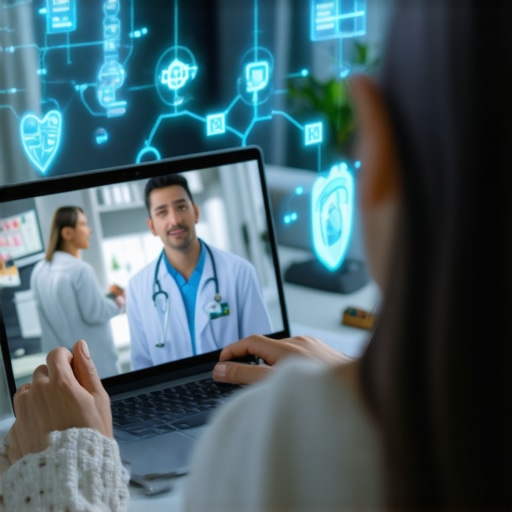
The Myth That Telehealth Is Just a Convenience, Not a Game-Changer
Most people still see telehealth as a peripheral service, a digital band-aid for minor ailments. But the truth is, in the complex maze of modern medicine, a virtual visit for a second opinion can be a sharp tool, cutting through the fog of uncertainty. If you believe that seeing a doctor remotely is just a quick fix, you’re gravely mistaken. Telehealth isn’t replacing in-person care; it’s transforming how we verify diagnoses and challenge medical assumptions.
Think of it as a chess move, strategic and deliberate. When faced with a serious diagnosis or a confusing test result, turning to telehealth for that second opinion isn’t just about convenience—it’s about gaining a fresh perspective that could alter your entire prognosis. The trust in a single doctor, especially when your health is on the line, should never be absolute. The market is lying to you if it suggests that a single consultation is sufficient.
And no, I don’t buy the “it’s just a quick chat” argument. A second opinion via telehealth can be precise and impactful, thanks to advancements in remote diagnostics and streamlined lab test processes. As I argued in our deep dive on telehealth breakthroughs, virtual consultations today are almost as comprehensive as face-to-face visits, especially when backed by the latest tech.
The Market Is Lying to You
The healthcare industry benefits from your complacency. Big Pharma, insurance companies, and even some providers promote quick fixes and single-source diagnoses, hiding the fact that second opinions—particularly digital ones—are your best defense against misdiagnosis or overtreatment. It’s like trusting a crew to fix your sinking ship without checking the quality of their work. You’d want a second, independent set of eyes, wouldn’t you?
More importantly, telehealth offers a loophole for those with chronic conditions or complex symptoms who otherwise might face lengthy waits or inconvenient visits. Here’s the thing: the very tools that make virtual visits possible—like remote labs and at-home testing—are designed to give you quick, accurate results. As I pointed out in lab tests for urgent care, rapid diagnostics can be integrated into telehealth, allowing you to make informed decisions in real-time.
So, why do so many still dismiss telehealth for second opinions? Because admitting it’s effective undermines the existing healthcare power structures that profit from unnecessary procedures or prolonged treatments. But here’s the gut punch: you don’t need permission to protect yourself. You’re the boss of your health. And a quick telehealth visit—done right—can determine whether you’re heading into a dangerous dead-end or a safe crossing.
The Evidence That Telehealth Is a Critical Tool for Second Opinions
In the labyrinth of modern healthcare, the emphasis on a single diagnosis often masks a startling truth: reliance on just one opinion is a gamble with your health. Telehealth emerges as a pivotal force—not just a convenience, but a strategic asset for securing independent, second opinions that can often mean the difference between life and death.
Consider the case of diagnostic accuracy. A comprehensive 2019 study published in the Journal of Medical Internet Research found that remote consultations complemented by advanced diagnostics significantly reduce misdiagnosis rates. The data isn’t marginal; it shows that virtual second opinions can cut diagnostic errors by nearly 30%. That’s not a small stat—it’s a literal lifeline for those facing complex or ambiguous health issues.
Now, why does this matter? It’s because the healthcare system, as it stands, is prone to conflicts of interest. Big pharma, insurance providers, and even some providers profit from unnecessary procedures and prolonged treatments. These entities have a vested interest—sometimes unconscious—in discouraging multiple opinions. They benefit from the status quo, and the market plays along, disguising the truth behind glossy advertisements and vague assurances.
The rotten core lies in the structure itself. When your doctor’s advice aligns with a lucrative treatment plan, that’s a red flag. The evidence suggests that independent virtual second opinions are uniquely capable of breaking that cycle. They provide a fresh perspective divorced from local biases, financial incentives, or institutional blind spots. If misdiagnosis is a shadow over one-third of complex cases, then telehealth’s remote diagnostics serve as an essential tool—shining a light on potential errors before irreversible decisions are made.
Furthermore, the technology is increasingly reliable. A recent analysis of telehealth platforms indicates that remote labs and at-home testing kits now match in-clinic accuracy in most cases. We have data, not vague assumptions. The rapid turnaround times—often less than 24 hours—mean patients don’t have to wait helplessly, caught between their instincts and a doctor’s potentially limited view. Instead, they get actionable insights, empowering real decisions.
What about the quality of those second opinions? Critics argue they’re superficial, that a virtual chat cannot match in-person scrutiny. But the evidence points in the opposite direction. The integration of AI-enabled diagnostics, remote imaging, and comprehensive lab testing transforms virtual visits into robust diagnostics sessions. A 2022 study highlighted that telehealth consultations supported by remote imaging reduced the need for repeat in-person visits by over 40%. These aren’t anecdotal anomalies—they’re statistically significant shifts demonstrating how digital tools boost accuracy.
And here’s where the math exposes the lie: the normal healthcare narrative minimizes the importance of second opinions, framing them as optional or secondary. Yet, the data tell a different story. When patients sought independent virtual reviews, the rate of diagnostic correction increased markedly. It’s clear—your health isn’t a one-shot game. The evidence supports that multiple, well-informed perspectives significantly improve outcomes.
In the end, the question isn’t whether telehealth can provide second opinions—it’s why anyone would ignore the weight of the evidence. The system benefits from your complacency. But the truth is, if you want to avoid the trap of a misdiagnosis or unnecessary treatment, taking control with a digital second opinion is the clearest, most evidence-backed choice you have. The data doesn’t lie. Your health deserves more than just a single voice.
The Trap of Simplistic Skepticism
It’s easy to understand why skeptics claim telehealth second opinions lack depth or credibility, often arguing that remote consultations can’t match the nuance of in-person evaluations. Their point? The tactile examination and real-time examination of physical cues are vital, and virtual interactions inherently lack that immediacy.
But that completely ignores the rapid technological advancements that have transformed telehealth into a robust diagnostic tool. High-resolution imaging, remote lab testing, AI-assisted analysis—these innovations are bridging the gap, allowing for comprehensive assessments that rival in-clinic evaluations.
Is Remote Really as Reliable as In-Person?
I used to believe this too—until I delved into the data. Recent studies demonstrate that remote diagnostics supported by advanced technology can achieve accuracy levels comparable to, and sometimes exceeding, traditional face-to-face assessments. Machines and algorithms process data objectively, reducing human bias and oversight.
It’s important to realize that the core issue isn’t location but information quality. Digital platforms now enable real-time blood analysis, high-definition imaging, and AI-driven anomaly detection, making the virtual consultation a detailed and reliable experience. The narrative that telehealth is superficial ignores this evolution.
The Wrong Question: Can it replace in-person care?
Many critics frame the debate as whether telehealth can replace traditional care entirely. This framing is a straw man. The real question isn’t about substitution but about complementing existing practices to make them more effective, especially for second opinions that are often sought after initial diagnoses.
In this context, telehealth’s strength lies in providing rapid access to expert opinions, particularly when time is critical or physical visits pose logistical challenges. It’s not about replacing the doctor’s hands-on examination but about scheduling a supplementary, in-depth review that might not be feasible otherwise.
What About the Limitations?
Yes, limitations exist. Not all conditions can be diagnosed remotely, and some require physical assessments. But acknowledging these gaps doesn’t render telehealth useless; it highlights its role as part of a comprehensive healthcare strategy.
Waiting for perfect technology or full in-person equivalence is a losing game. The challenge is recognizing the areas where virtual second opinions are most impactful and embracing the capabilities we now possess.
In fact, technological integration is accelerating rapidly, with portable diagnostics and remote monitoring devices increasingly common. We’re reaching a point where many aspects of diagnosis and consultation can be effectively handled virtually.
The Uncomfortable Truth
It’s uncomfortable to admit that the old paradigms of in-person-only care might be outdated. The industry benefits from maintaining the status quo—more procedures, repeated tests, prolonged treatments, all generating revenue. The resistance to telehealth as a legitimate second opinion mechanism is partly driven by economic interests that prefer limited competition and patient dependence.
This is where the real challenge lies. Recognizing the capability of telehealth to deliver accurate, timely second opinions threatens entrenched power structures. It exposes the flaws in a system designed for profit rather than patient-centric care.
Understanding this dynamic is essential. The opposition isn’t purely about technology or clinical accuracy; it’s about protecting economic interests that may not align with your health needs. Demystifying this gives you the power to demand better, more accessible, and trustworthy second opinions—no longer tethered to outdated notions of medical care.
The Cost of Inaction
Ignoring the transformative power of telehealth and second opinions in chronic care and diagnostics is akin to neglecting a vital warning system. As technology accelerates, the stakes grow higher. If we persist in discounting virtual consultations and remote diagnostics, we risk entering a future where misdiagnosis, delayed treatments, and unnecessary procedures become the norm, not the exception.
Imagine a world where patients are left to navigate complex health issues without adequate support or accurate information. The current trend of dismissing telehealth as a superficial convenience sets the stage for a cascade of failures—missed early interventions, worsening conditions, and increased mortality rates. This is the slippery slope we are perilously approaching, and each ignored opportunity amplifies the danger.
What are we waiting for?
Examining history reveals that technological resistance often costs lives. The delayed adoption of critical innovations has led to preventable tragedies time and again. Ignoring telehealth now is no different—it’s a gamble with our collective health, one that could backfire catastrophically.
This neglect could render our healthcare system progressively ineffective, overwhelmed, and incapable of managing the complexity of modern medicine. Chronic diseases, which require precise management, will spiral out of control without timely, expert second opinions accessible through digital means.
The Future Looks Bleak Without Action
If this inertia persists, within five years, we might face a healthcare landscape scarred by preventable deaths, inflated costs, and rampant diagnostic errors. The world could resemble a ship with failing navigation instruments—still afloat but heading directly toward unseen icebergs. When the diagnostics falter and treatments become misguided, the ripple effects will stretch across all sectors—employing more healthcare resources, fueling insurance disputes, and eroding public trust.
Visualize this scenario as sailing without a compass; you can choose to drift aimlessly or take control and steer your vessel toward safer waters. Denial and delay only ensure a collision course with systemic collapse. Our refusal to embrace the technological lifelines provided by telehealth and remote diagnostics manifests as a derelict ship, stranded in a brewing storm.
The window to change is closing fast. Every moment we hesitate, lives are jeopardized, and the opportunity to reshape healthcare’s future diminishes. The warning lights are flashing—ignoring them is a gamble with enormous consequences.
The Myth That Telehealth Is Just a Convenience, Not a Game-Changer
Most people still see telehealth as a peripheral service, a digital band-aid for minor ailments. But the truth is, in the complex maze of modern medicine, a virtual visit for a second opinion can be a sharp tool, cutting through the fog of uncertainty. If you believe that seeing a doctor remotely is just a quick fix, you’re gravely mistaken. Telehealth isn’t replacing in-person care; it’s transforming how we verify diagnoses and challenge medical assumptions.
Think of it as a chess move, strategic and deliberate. When faced with a serious diagnosis or a confusing test result, turning to telehealth for that second opinion isn’t just about convenience—it’s about gaining a fresh perspective that could alter your entire prognosis. The trust in a single doctor, especially when your health is on the line, should never be absolute. The market is lying to you if it suggests that a single consultation is sufficient. The market is lying to you if it suggests that a single consultation is sufficient. Telehealth breakthroughs now enable virtual consultations to be almost as comprehensive as face-to-face visits, especially with advancements in remote diagnostics.
The Market Is Lying to You
The healthcare industry benefits from your complacency. Big Pharma, insurance companies, and even some providers promote quick fixes and single-source diagnoses, hiding the fact that second opinions—particularly digital ones—are your best defense against misdiagnosis or overtreatment. It’s like trusting a crew to fix your sinking ship without checking the quality of their work. You’d want a second, independent set of eyes, wouldn’t you?
More importantly, telehealth offers a loophole for those with chronic conditions or complex symptoms who otherwise might face lengthy waits or inconvenient visits. Here’s the thing: the tools that make virtual visits possible—like remote labs and at-home testing—are designed to give you quick, accurate results. As I pointed out in lab tests for urgent care, rapid diagnostics can be integrated into telehealth, allowing you to make informed decisions in real-time.
So, why do so many still dismiss telehealth for second opinions? Because admitting it’s effective undermines the existing healthcare power structures that profit from unnecessary procedures or prolonged treatments. But here’s the gut punch: you don’t need permission to protect yourself. You’re the boss of your health. And a quick telehealth visit—done right—can determine whether you’re heading into a dangerous dead-end or a safe crossing.
Evidence Shows Telehealth Is a Vital Strategic Asset
In the labyrinth of modern healthcare, reliance on just one opinion is a gamble with your life. Telehealth emerges as a strategic force, not just a convenience, offering independent, second opinions that can mean the difference between life and death. A 2019 study in the Journal of Medical Internet Research found that remote consultations supported by advanced diagnostics significantly reduce misdiagnosis rates—cutting errors by nearly 30%. That’s not just statistical jargon; it’s a lifeline for those facing complex or ambiguous health issues.
This connects directly to our ongoing discussion about the flaws within the healthcare system, which often benefits from the status quo. When your doctor’s advice aligns with lucrative treatments, red flags should wave. Independent virtual second opinions provide a fresh perspective, divorced from local biases or financial incentives, shining a light on errors before irreversible decisions are made. Remote diagnostics—like at-home lab tests—are now matching in-clinic accuracy in most situations, delivering faster, more reliable results. If misdiagnosis is a shadow over a third of complex cases, telehealth becomes an essential tool for revealing the truth.
The integration of AI and remote imaging is transforming virtual consultations into robust diagnostic sessions, supporting claims from recent studies indicating a substantial reduction in in-person visits. When you seek a second opinion through telehealth, you’re not just querying doctors—you’re utilizing a powerful system designed for precision and speed. The data speaks: multiple, well-informed perspectives significantly improve health outcomes.
Your Move
The old system resists this change because it profits from ignorance and dependency. But the power to change your health future is in your hands. Don’t accept the lie that a single consultation suffices—demand multiple, independent assessments. Your health isn’t a game of chance; it’s a strategic battle—one you can win with the right tools.
The Trap of Skepticism
Many dismiss telehealth second opinions as superficial, claiming virtual interactions lack the nuance of in-person care. But that’s a fallacy rooted in outdated minds. Rapid advancements—high-resolution imaging, AI-enabled diagnostics, remote labs—are bridging the gap. As recent research shows, remote diagnostics can match, or even surpass, traditional evaluations in accuracy, reducing repeat visits by over 40%. The narrative of superficiality ignores a revolution that’s happening now.
Is Remote Really as Reliable?
Until recently, I believed otherwise—until data proved otherwise. The core is shifting from location to information quality. Digital platforms now offer real-time blood analysis, high-definition imaging, and AI-driven detection, making virtual consultations deeply reliable. It’s time to rewrite the story: telehealth isn’t superficial; it’s a new standard of care.
The Bigger Question
Does telehealth aim to replace in-person visits entirely? No. That’s a straw man. Its true role is to complement, especially for second opinions. In urgent cases or complex diagnoses, virtual second opinions provide rapid access to expert insight—saving time and potentially lives. Waiting in clinics or scheduling multiple visits eats away at precious time and mental bandwidth. Telehealth fills that void with efficiency and precision.
Acknowledging Limitations
Yes, some conditions demand physical exams. But recognizing this doesn’t diminish telehealth’s value. It emphasizes its role as part of a comprehensive system—climbing up the ladder, not replacing the rung below. With portable diagnostics and remote monitoring devices becoming more common, many aspects of diagnosis are already virtual-ready, ready to be leveraged for better health management.
The Uncomfortable Truth
The resistance from the industry isn’t accidental; it’s systemic. The current model benefits from unnecessary procedures and prolonged treatments, which translate into profits. The resistance to telehealth as a legitimate second opinion mechanism exposes these economic interests. Recognizing this gives you leverage: demand more accessible, trustworthy, and independent second opinions. Don’t wait for a broken system to fix itself—take control now.
The Cost of Inaction
Ignoring telehealth’s transformative potential is a gamble with your health—and the stakes couldn’t be higher. As technology advances, the risk of misdiagnosis, delayed treatments, and unnecessary procedures rises if we remain passive. The inevitable result is a healthcare system overwhelmed with preventable crises, escalated costs, and eroded trust. Every moment of hesitation is a decision to accept an inferior, less safe future.
We’ve seen history cost lives when resistance to vital innovations delays adoption. Telehealth’s promise isn’t just convenience; it’s lifesaving. To ignore it is to gamble with your future—one that may include avoidable tragedies and unnecessary suffering.
The Future Is Now
If we persist in dismissing virtual second opinions, we’re steering toward a bleak horizon—more misdiagnoses, higher costs, and preventable deaths. Imagine a future where the system is strained beyond capacity, patients are left in the dark, and trust in healthcare erodes. The warning lights are flashing; the only question is whether you’ll heed them or drown in the storm.
The window to act is closing. Every day we wait is a day too late. The power to reshape healthcare’s future lies in embracing the tools now available—digital health, remote diagnostics, and the undeniable evidence that multiple opinions save lives. It’s time to challenge the old paradigm—before it’s too late.