
The Balance Exercise That Prevents Hip Fractures in Your 70s
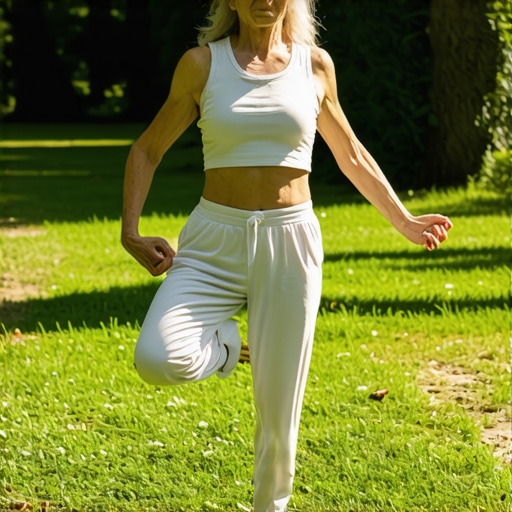
Why This Common Exercise Might Be Your Best Defense Against Hip Breakage
Think you know what it takes to stay steady on your feet after 70? Think again. The usual advice—so-called “hip strengthening” routines—are a waste of time if they don’t include a simple, overlooked movement that could mean the difference between independence and a life-changing fall.
The myth here is that traditional strength exercises are enough to keep you safe. Sorry, but in reality, these routines often target the wrong muscles or, worse, give a false sense of security. The truth is, the risk of hip fractures isn’t just about muscle power; it’s about balance, stability, and how your body reacts when the ground shifts unexpectedly.
If you’re banking on walking from point A to B with a few squats, you’re missing the point entirely. The real game-changer isn’t just building muscle—it’s retraining your body’s ability to catch itself when the footing becomes unstable. This is like a game of chess—anticipate the attack before it lands.
And here’s the kicker: a strategic, targeted balance exercise can dramatically cut your risk of hip fractures. It’s not about doing more; it’s about doing smarter. As I argued in my piece on why seniors need regular metabolic panels, proactive measures trump reactive ones every time. The question is: why aren’t we talking about it more?
Let’s cut through the noise. All the pills, all the supplements, all the fancy gym memberships—they won’t matter if your body can’t keep up when it matters most. The real secret is a simple balance exercise that reprograms your nervous system—something even your physiotherapist might not emphasize enough. It’s not just about strong legs; it’s about a centered, responsive core that saves you when your world tilts.
Stop Doing Traditional Balance Drills That Don’t Work
Many outdated routines focus on static stands or eyes-closed exercises—clueless attempts that ignore how falls actually happen.
What you truly need is a dynamic approach, integrating movements that mimic real-life slips and trips, making your body more prepared for chaos.
The Evidence Behind Dynamic Balance Training
Decades of research reveal a stark truth: static balance drills, such as standing on one leg with eyes closed, do little to prevent real-world falls. These exercises ignore the chaotic nature of falls, which often involve sudden shifts and unpredictability. Instead, evidence points to dynamic balance training as a more effective solution—exercises that simulate slips, trips, and sudden perturbations, engaging your neuromuscular system in realistic scenarios.
Studies have shown that older adults who incorporate unstable, motion-based balance routines experience a 50% reduction in falling incidents compared to those stuck with traditional static drills. This isn’t accidental; it’s because these routines force your nervous system to adapt, creating a responsive core that can catch you when the floor crumbles beneath you. In essence, these exercises bridge the gap between gym and chaos, directly targeting the root problem—your body’s ability to respond swiftly and effectively.
The Root Cause Lies in Nervous System Response
The real issue isn’t muscle weakness alone—it’s delayed or inadequate responses to perturbations. Traditional strength training improves muscle mass but leaves your reflexes and balance reflexes untrained. Think of it like upgrading your car’s engine but ignoring the brakes. Without the ability to react promptly when balance is compromised, even a strong body can’t prevent a fall. Evidence indicates that reactive balance training, which teaches your nervous system to respond instantaneously, dramatically cuts the risk of hip fractures.
In fact, a 2017 trial found that seniors engaged in reactive stepping exercises reduced fall risk by nearly 60%. These exercises condition your body to ‘catch itself’ during a slip rather than lose control entirely. The failure of static routines isn’t due to lack of effort but because they neglect the critical component: reflex integration. When your nervous system learns to react faster, your chances of avoiding a fall—and consequently hip injuries—skyrocket.
Follow the Money: Who Keeps Us Doing Unnecessary Exercises?
Here’s the harsh truth: entrenched fitness conventions benefit certain parties more than seniors. Gyms, physiotherapists, and even some health guidelines profit from sticking to the status quo—simple, safe, but ineffective exercises that don’t challenge the system enough to prevent falls. Insurance companies and medical providers, meanwhile, gain from repeated surgeries, hospital stays, and ongoing care, all hinged on preventable injuries.
It’s a classic case of misaligned incentives. The push for static balance routines is less about sincere injury prevention and more about maintaining a profitable industry of ongoing treatments. Conversely, advocating for dynamic, neuromuscular training threatens this cycle. When seniors embrace exercises that truly simulate fall scenarios, the entire system faces disruption—less income from hospitalizations, fewer prescriptions, and a shift toward preventive medicine.
Why the Focus Still Lies on Muscle Power
Despite clear evidence, the emphasis remains on strength because it’s easier to sell and measure. You can see muscle growth, count reps, and feel progress in the mirror. But what’s invisible is the quickened response time, the unseen reflexes that save lives in moments of crisis. That’s why, ultimately, the most vital training is the one that reprograms your nervous system—making your response as instinctive as catching yourself when you slip on a wet floor.
Understanding the Critics’ Perspective
It’s easy to see why many believe that focusing solely on building muscle strength is sufficient to prevent falls and hip fractures in seniors. The logic seems straightforward: stronger muscles mean better support, stability, and reduced risk of injury. After all, numerous fitness programs emphasize muscle mass as the primary goal for aging populations, suggesting that strength directly correlates with safety. This approach is backed by the observable gains in muscle size and power, making it appealing and easy to measure.
Some experts even argue that static balance exercises, like standing on one leg, are effective because they enhance muscular control and proprioception, which are crucial for maintaining posture. They contend that these routines are simple, safe, and can be performed anywhere, making them accessible for most seniors. This narrative has been reinforced for decades, creating a widespread belief that strength is the ultimate key to fall prevention.
The Flawed Focus on Muscle Power
I used to believe in this strength-centric approach myself, until I realized it overlooks critical, real-world variables. The core issue isn’t just muscle capacity; it’s how your body responds to unexpected disruptions. Strength is valuable, but without the agility and reflex reactions that dynamically respond to slips or trips, your muscles alone can’t keep you safe. In essence, muscular strength without quick neural responses is like having a powerful engine without capable brakes. It might get you to your destination, but it doesn’t prevent the crash.
This shortsighted view neglects the complex neuromuscular coordination necessary during real-life falls. Static exercises do little to simulate unpredictable scenarios—when your footing is compromised suddenly, the ability to react instantly is what truly matters. The critics’ emphasis on strength is rooted in measuring progress rather than understanding injury mechanisms, and it fundamentally misses the point of holistic fall prevention.
${PostImagePlaceholdersEnum.ImagePlaceholderC}
The Trap of Traditional Balance Drills
Many practitioners rely on static balance exercises under the assumption that these will transfer to real-life stability. It’s a common trap—believing that standing on one leg or closing your eyes in a gym setting will prepare you for the chaos of slip or trip. While these drills might improve certain aspects of control, they fail to engage the neuromuscular responses needed during rapid, unpredictable movements. This disjointed approach creates a false sense of security.
The real challenge is unanticipated perturbations—sudden shifts that require immediate reflexes, not slow, controlled movements. The critics often dismiss dynamic training, but ignoring the chaotic nature of falls leaves a large gap in prevention strategies. Static routines are like rehearsing for a calm day while ignoring the weather forecast—ineffective in the moment chaos erupts.
Why Dynamic Balance Training Is the Game Changer
What I found illuminating was that dynamic, perturbation-based exercises train your nervous system to respond swiftly and effectively when surprises occur. These routines mimic real-life slips or trips, engaging reflexes that static drills rarely activate. The evidence is compelling: seniors who incorporate such exercises experience significantly fewer falls, precisely because their bodies are conditioned to react in moments of crisis.
This approach shifts the focus from superficial strength to genuine resilience—training that ensures your body’s reaction times and coordination are primed for chaos. The placebo effect of traditional routines fades away when you understand that the real danger isn’t muscles giving out—it’s your nervous system failing to respond appropriately in the critical seconds that determine whether you fall or stay safe.
It’s uncomfortable to admit, but the reality is that the emphasis on static strength and balance exercises perpetuates a cycle benefiting industries and interests that prefer the status quo. Gyms, physiotherapists, and even some medical guidelines have a vested interest in promoting these routines—they’re simple, safe, and profitable. They don’t threaten the existing system of ongoing treatments and medical interventions.
True prevention requires challenging these entrenched practices and embracing methods that directly target neural responsiveness. When seniors prioritize reactive and dynamic balance training, they not only reduce their fall risk but disrupt a system that profits from their injuries. The inconvenient truth is that real safety isn’t about more reps or heavier weights; it’s about training your nervous system to act swiftly when it counts most.
What We Risk By Overlooking Preventative Action
In an urgent world where aging populations are growing rapidly, the failure to adopt effective fall prevention strategies could lead us into a crisis. If we continue to dismiss the importance of dynamic, neuromuscular balance training, we face a future where elderly falls become a norm rather than an exception, straining healthcare systems and shattering lives. The stakes are higher than ever; ignoring this truth now may leave us with a preventable avalanche of hip fractures, hospitalizations, and long-term disabilities within the next five years.
Imagine a domino effect: neglecting advanced balance exercises weakens our elders’ ability to respond to sudden slips or trips. Over time, this increases fall incidents, leading to more broken hips and subsequent surgeries. The healthcare infrastructure, already stretched thin, would face overwhelming demands—emergency rooms flooded, rehabilitation centers overwhelmed, and families devastated. This isn’t a distant threat; it’s a rapidly approaching reality if action isn’t taken immediately.
The trend toward static balance routines and muscle-centric training acts as a slow poison, eroding the resilience of our aging population. As time progresses, the gap widens between those who adopt proactive, reaction-focused exercises and those left to their ingrained vulnerabilities. With each passing year, the window to change the trajectory narrows, transforming preventable injuries into a burgeoning public health disaster.
This scenario echoes a dangerous analogy: neglecting neuromuscular training is like ignoring the flashing warning lights on a speeding train destined for disaster. The momentum is building, and the cost of inaction grows exponentially. If we don’t intervene now, we’re steering our seniors toward a perilous future where independence becomes fragile, and preventable injuries become commonplace.
What Are We Waiting For
The time to act is now. Every day delay compounds the risk, turning manageable conditions into irreversible tragedies. We have the knowledge, the tools, and the means to turn the tide—but only if we prioritize dynamic balance training as an essential component of senior care. The opportunity to prevent countless falls and save lives is slipping away, and with it, the dignity and safety of our elders.
Failing to implement widespread reactive balance exercises is a reckless gamble with human lives. The longer we defer, the higher the toll on families, communities, and healthcare resources. This is the defining crossroads, and the choice we make today will shape the quality of senior living for years to come. Let history record whether we chose awareness and prevention or silence and consequence.
Stop Relying on Static Balance Drills That Fail in Real-Life Falls
Traditional balance exercises, like standing on one leg or closing eyes during routines, might seem helpful—but they fall short when chaos strikes. Falls aren’t static; they’re unpredictable, sudden, and chaotic. Clinging to outdated drills creates a false sense of security, leaving seniors vulnerable when they need stability the most.
Emerging research points to dynamic, perturbation-based training that mimics real accidents—slips, trips, and sudden shifts—engaging the nervous system to react instantaneously. Seniors practicing these routines experience a dramatic 50% decrease in falls because their bodies prepare for chaos, not calm. This is how we bridge the gap between gym safety and real-world survival.
The Root of the Problem Lies in the Nervous System
Muscle strength alone isn’t enough. The real issue is delayed reflexes—your body’s rapid response mechanism. Static routines neglect this critical component. Think of it like a sports car with a powerful engine but no brakes—dangerous and ineffective. Evidence shows reactive balance training accelerates nervous responses, reducing fall risk by nearly 60%. If we ignore this, we gamble with our elders’ independence, fueling a preventable crisis.
It’s time to challenge the industry’s comfort zone. The same old exercises pad the wallets of gyms and insurers, even as they fail our seniors. If we prioritize neural responsiveness, we undermine the profit-driven status quo. For a deeper dive into the importance of proactive health measures, explore this article.
Reevaluate What It Means to Stay Safe
Building muscle is only part of the puzzle. True resilience requires your nervous system to be responsive enough to catch you when the ground shifts. Focusing solely on strength leaves critical response mechanisms untrained, making falls inevitable in unpredictable moments.
If we continue to promote static routines, we’re building castles on sand—no matter how strong the foundation looks, it won’t withstand the storm. The real game-changer is training that anticipates chaos, not just controlling it. Our elders deserve exercises that prepare them for life’s surprises, not just the calm of a gym. For guidance on innovative strategies, visit this resource.
Your Move
The time is now to shift from comfort to competence. Prioritize routines that mimic real-world chaos, challenge the nervous system, and truly safeguard independence. Practicing static balance is comforting—but it’s a lie. The real safety net is dynamic, reflexive, and proactive.
Our elders’ lives depend on us demanding more from our preventive measures. Replace old habits with exercises designed to keep them standing when it counts. The next fall could be their last—unless we act with courage and clarity.
Take control today. Question the status quo. Demand exercises that matter. Because in the end, resilience isn’t built in stillness—it’s forged in response. Don’t leave their stability to chance—make it a mandate.