
The Best Way to Sanitize Your Phone After an Urgent Care Visit
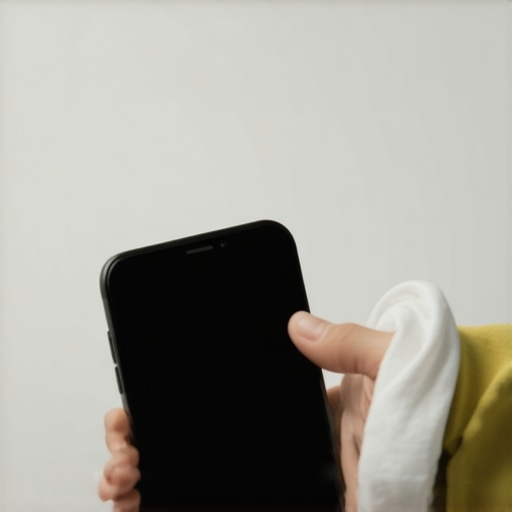
The Hard Truth about Sanitizing Your Phone After an Urgent Care Visit
Think sanitizing your phone is just about wiping it down with a disinfectant wipe? Think again. In an age where our devices are practically extensions of ourselves, the way we clean them can be a matter of life and death—not metaphorically, but literally.
You might believe a quick swipe with alcohol is enough after a visit to urgent care. But the reality is far more sinister. The methods most people rely on are outdated, ineffective, and often downright dangerous. They give a false sense of security while pathogens lurk in the shadows, ready to strike.
Here’s the uncomfortable truth: your beloved smartphone can harbor more bacteria than the toilet seat. During a visit to urgent care, when close contact with surfaces and hands-in-messy situations are common, your device becomes a sponge for germs. And if you’re not cleaning it properly, you’re inviting infections, especially when immune defenses are already compromised.
So, why are we still doing the same old routine? Because the industry has failed to catch up with the science. Most commercial wipes contain alcohol or harsh chemicals that damage your device or are insufficient against viruses. Moreover, many believe that any cleaning is better than none. Wrong.
The Market is Lying to You
Manufacturers push disposable wipes and alcohol sprays as the gold standard, but they hide the fact that these methods may only scratch the surface. Recent studies show that viruses and bacteria can survive on devices for days. If your cleaning method doesn’t reach every nook and cranny, you’re still risking infection.
Now, imagine your phone as a Trojan horse—carrying pathogens into your home, your workplace, and back into your body. If we don’t change our approach, we keep repeating the cycle of contamination, only to end up back at urgent care next flu season.
An Effective, Practical Solution
It’s time to abandon the old ways. The most effective way to sanitize your phone involves a two-step process: first, a thorough cleaning with UV-C light technology, which kills bacteria and viruses without harming your device, followed by a disinfectant wipe designed for electronics. For more on breakthrough innovations, check this article on virtual health breakthroughs.
But that’s not enough. You also need to be vigilant about hygiene habits—washing your hands properly and avoiding touching your face after handling your phone. Remember, your device is the new battlefield in the war against germs.
In the end, sanitizing your phone isn’t just about avoiding a few pesky viruses. It’s about protecting yourself and those around you. Are you doing enough, or are you unwittingly playing host to the invisible enemies that threaten your health? The choice is clear. Take control, or keep falling for the industry’s lies.
The Evidence of Inadequate Sanitization Methods
Recent microbiological studies reveal a startling truth: ordinary disinfectant wipes and alcohol sprays fail to eliminate all pathogens on smartphones, especially in high-risk environments like urgent care visits. These devices often harbor bacteria and viruses that can survive days, lurking in crevices and charging ports. This isn’t just about hygiene; it’s about vulnerability. When these germs enter your body, they find a host that has already weakened defenses, setting the stage for infection—a familiar cycle that repeats every cold and flu season.
The Root Cause of Our Sanitization Complacency
The core issue isn’t a lack of cleanliness; it’s a flawed understanding of what effective sanitation requires. The industry promotes quick fixes—disposable wipes, alcohol sprays—yet these are mere band-aids, offering a false sense of security. The real problem is systemic neglect, a failure to adopt science-backed methods like UV-C sterilization which penetrates nooks and crannies that traditional wipes can’t reach. Misplaced trust in outdated protocols sustains the cycle of contamination, especially in clinical settings where germs are most virulent.
The Follow the Money Principle in Industry Influence
Behind the marketing of these sanitization products lies an undeniable financial motive. Companies profit from constant repurchases of disposable wipes and chemical sprays, regardless of their actual efficacy. Their lobbying efforts keep regulations lax, preventing stricter standards based on scientific advances. This money trail reveals a troubling truth: consumer health takes a backseat, sacrificed at the altar of corporate profit. The industry benefits from our complacency, perpetuating a dangerous illusion of safety while the microbial battleground remains unchallenged.
The Broken System of Public Health Messaging
The public health narrative is muddled and inconsistent, often emphasizing handwashing but neglecting device hygiene. Authorities rarely push advanced solutions like UV sterilization, creating a void filled by industry giants selling ineffective products. This misdirection keeps us vulnerable, especially after visits to urgent care, where exposure to infectious agents is heightened. The failure isn’t just technical; it’s strategic, rooted in industry influence and inadequate regulation, allowing the status quo to persist—dangerous and damaging in equal measure.
The Trap of Easy Fixes
It’s easy to see why many believe that wiping their phones with standard disinfectant wipes suffices after a visit to urgent care. The prevailing narrative suggests that quick cleaning methods, like alcohol sprays or disposable wipes, are all that’s needed for adequate sanitation. This perspective appeals because it offers a seemingly simple, convenient solution to a complex problem. I used to believe this too, thinking that a quick swipe was enough to keep germs at bay and protect my health. But that naive confidence is precisely what makes this approach dangerous.
The Wrong Question Is About Quick Fixes
The real issue isn’t whether we can rely on disposable wipes or alcohol sprays. The question we should be asking is: Are these methods effective against the microbes lurking in every nook and cranny of our devices, especially after high-risk environments like urgent care? The answer, painfully, is no. These quick fixes are shortsighted, often failing to eliminate the resilient pathogens that can survive on device surfaces for days.
Many assume that any cleaning is better than none, but this misconception leaves the door open for persistent contamination. Those tiny crevices—charging ports, speakers, and corners—act as microbial safe havens, unreachable by conventional disinfectants. So, when we settle for superficial cleaning, we’re merely scratching the surface, while the bacteria and viruses continue their silent invasion.
Why Surface-Level Cleaning Fails
Surface cleaning methods like wipes are designed for on-the-spot hygiene, not comprehensive sterilization. They lack the capacity to penetrate biofilms or reach embedded pathogens deep within device components. This is especially problematic in high-stakes environments like urgent care clinics, where exposure to infectious agents is intense, and the microbial threat is ever-present.
Attempting to rely solely on these outdated methods reflects a shortsighted approach rooted in convenience rather than science. The pathogen’s resilience and ability to survive standard cleaning highlight the critical need for advanced sterilization techniques, such as UV-C light, that can actualize true disinfection.
A More Sophisticated Approach Is Necessary
To truly protect ourselves, we must abandon the illusion that quick surface wipes suffice. An effective strategy combines UV-C sterilization—destroying bacteria and viruses at the DNA level—and specialized disinfectants crafted for electronics. This multi-faceted approach addresses the blind spots that conventional methods simply cannot reach.
If you’re committed to safeguarding your health after exposure to high-risk environments, investing in these technologies is non-negotiable. It’s no longer a question of convenience but of responsibility—both personal and communal.
In summary, trusting quick cleans as an adequate barrier against microbial threats is a dangerous fallacy that leaves us vulnerable. We need to think beyond surface-level solutions and embrace scientifically validated sterilization methods that give us a fighting chance against unseen enemies lurking on our devices. Ignoring this reality only prolongs the cycle of contamination, underestimating the resilience of these microscopic foes and the importance of proper hygiene.
The Cost of Ignoring Smartphone Sanitization in a Post-Pandemic World
As we continue to navigate a world fraught with invisible microbial threats, neglecting proper sanitization of our devices poses grave consequences. The stakes have never been higher. Ignoring the urgent need to adopt scientifically validated sterilization methods could set us on a dangerous path toward widespread health crises.
The Point of No Return
If we dismiss the evidence and continue relying on superficial cleaning techniques, the microbial reservoirs in our pockets, purses, and workspaces will multiply unchecked. Every unsterilized device acts as a breeding ground for resistant bacteria and resilient viruses, which can swiftly adapt to conventional disinfectants. These pathogens don’t just linger; they evolve, becoming more formidable threats each day. In five years, this escalation could lead to a surge in infections resistant to current treatments, overwhelming healthcare systems and exposing millions to preventable illness.
Imagine a domino effect: each untreated device becomes a catalyst for transmission, fueling cycles of infection that ripple through communities and workplaces. The strain on urgent care centers and hospitals will intensify, further burdened by preventable cases of resistant infections. This cascade mirrors a wildfire— کوچک embers igniting widespread destruction, leaving communities destabilized and vulnerable.
The Wasted Opportunity of Inaction
Failing to act now means forfeiting the chance to change the trajectory of public health. What we lose isn’t just a few days or weeks of inconvenience; it’s the foundation of collective resilience. Our complacency allows microbial threats to embed themselves deeper, making future eradication exponentially more difficult and expensive.
This isn’t merely an individual accountability issue; it’s a societal one. The potential for future pandemics looms larger if we continue to ignore the science demanding more rigorous sterilization practices. We stand at a crossroads—a choice between safeguarding our health or surrendering to data-driven disasters. The longer we delay, the more irreversible the damage becomes, risking a landscape where infection is an ordinary, uncontrollable part of daily life.
Is It Too Late
Waiting for a perfect solution is like delaying the necessary repairs on a fragile bridge over turbulent waters. Every moment we postpone action, we deepen the cracks that threaten to demolish our health defenses. The window for meaningful change narrows with each passing day. We must recognize that in this fight against microscopic enemies, time isn’t on our side.
Your smartphone is a vector for infection, and trusting outdated cleaning methods puts your health at unnecessary risk. The research is clear: surface wipes and alcohol sprays fail to eliminate all pathogens, especially in high-risk environments like urgent care.
Nothing short of advanced sterilization techniques, such as UV-C light combined with specialized disinfectants, will adequately protect you from lingering germs. It’s time to demand better—from industry, from public health messaging, and from ourselves.
The twist? Your device isn’t just a gadget — it’s a potential Trojan horse carrying invisible enemies that can infiltrate your body and weaken your defenses. Rethinking your sanitization approach isn’t just about hygiene; it’s about survival.
Choose science-backed methods, stay vigilant, and refuse to accept superficial solutions. Your health depends on it. The fight against microbes is ongoing, and the first victory starts with you. Don’t just wipe your phone—sterilize it like your life depends on it—because, in truth, it does.