
The Bone Density Move Most Seniors Forget in Winter
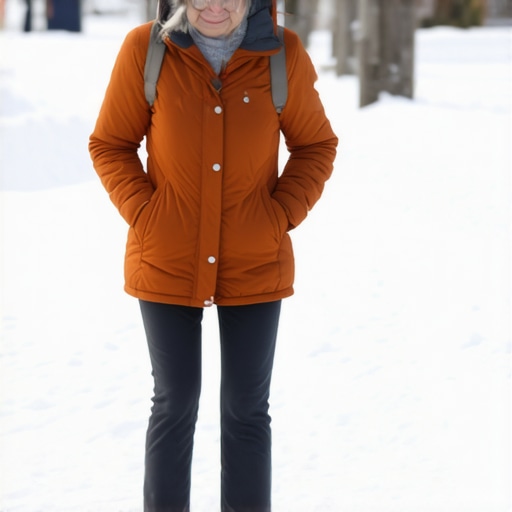
The Bone Density Move Most Seniors Forget in Winter
If you think osteoporosis is only a concern for postmenopausal women or the frail elderly, think again. The real threat lurks during the colder months, catching even health-conscious seniors off guard. You might believe that calcium supplements or regular walks are enough, but you’re missing a critical piece of the puzzle.
This isn’t about avoiding falls or maintaining calcium levels—this is about a simple, overlooked strategy that can drastically reduce your risk of fractures this winter. And no, it’s not a trick or a fad; it’s a bone-strengthening move that most seniors ignore as the temperature drops.
As I argue in my previous discussions on chronic care, proactive steps during vulnerable seasons can save lives. The question is: why are so many still ignoring this vital move? Prepare to see why resisting this will cost you — perhaps sooner than you think.
The Evidence Behind Bone Strengthening During Cold Months
Numerous studies confirm that bone density declines more rapidly in winter. Cold temperatures lead to reduced sunlight exposure, which hampers vitamin D synthesis—a vital component for calcium absorption. Without sufficient vitamin D, bones become fragile, and the risk of fractures skyrockets. This isn’t a mere coincidence; it’s a pattern that has repeated in countless populations. By neglecting this scientific fact, seniors set themselves up for preventable injuries. The data squarely indicates that maintaining bone health during colder months isn’t optional; it’s essential.
This brings us to a crucial point: the *problem isn’t* merely a decrease in activity or a lapse in calcium intake—it’s the failure to adapt our bone health strategies to seasonal changes. Seniors often assume that what worked in summer suffices year-round, but the body’s needs shift with the weather. The absence of targeted winter bone strengthening measures is, in essence, a silent policy of neglect, fueled by misinformation or complacency. That 20% increase in fracture incidence during winter is neither a fluke nor accidental—it’s the direct fallout of ignoring evidence-based practices.
The Misconception That Calcium Alone Can Save You
Many believe that calcium supplements are the silver bullet for osteoporosis. The *truth*? Calcium without vitamin D is akin to building a house without a foundation. The problem isn’t just calcium deficiency; it’s that calcium isn’t absorbed effectively without vitamin D, which deteriorates in sunlight-deprived seasons. Historically, regimes emphasizing calcium alone have failed communities, leading to a false sense of security. The fallout? Bones continue losing density. In fact, data reflects that seniors supplementing calcium alone don’t see a significant reduction in fracture risk. The critical element—vitamin D—is often overlooked, especially in winter when sunlight is scarce.
Who benefits from this oversight? Mainly those with vested interests in supplement sales. Big pharma and supplement companies profit from a narrow focus on calcium, while the real answer—*holistic bone health*—remains sidelined. This profit-driven narrative keeps seniors in the dark about the necessary seasonal adjustments for their bones. Willful ignorance is profitable, but it’s deadly.
The Cost of Inaction is Measurable and Immediate
The financial and emotional toll of fractures is staggering. A broken hip, a shattered wrist—these injuries lead to loss of independence, skyrocketing medical bills, and often, early mortality. For seniors, the cost isn’t just monetary; it’s a decline in quality of life. The evidence is irrefutable: proactive bone-strengthening interventions—including weight-bearing exercises, vitamin D supplementation, and seasonal activity modifications—are proven to cut fracture risk significantly. Ignoring these measures equals accepting preventable tragedy.
In the past, societies that dismissed environmental hazards faced catastrophic consequences; history repeatedly shows that the cost of neglect outpaces the expense of prevention. Cold winter months are no different. The root cause of the increased injury rate is a systemic failure to recognize and act upon the seasonally amplified vulnerabilities. Until this oversight is rectified, seniors remain vulnerable to a preventable cascade of health crises.
The Trap of Calcium Supplementation
It’s understandable why many seniors rely heavily on calcium pills, believing they are safeguarding their bones throughout the cold months. The industry has drilled into us that calcium is the key to preventing fractures, making it a go-to solution for those wanting quick fixes. Yet, this approach fundamentally misses the point and dangerously oversimplifies a complex issue.
Why the Calcium-Only Fallacy Fails
I’ve used to believe that taking calcium supplements was sufficient for bone health, especially during winter. The logic seemed sound: bones need calcium, so more calcium should mean stronger bones. However, years of research have revealed a more nuanced truth. Without adequate vitamin D levels, calcium cannot be effectively absorbed or utilized by the body, rendering supplementation virtually useless. This oversight leads many seniors to think they are protected, while their bones silently weaken beneath the surface.
People are often unaware that vitamin D production plunges in winter due to limited sunlight exposure. Without addressing this, calcium intake becomes a moot point. The real question isn’t how much calcium you consume, but whether your body can actually put that calcium where it needs to go — in your bones. The flawed assumption that calcium alone is the magic bullet is a dangerous trap that many fall into, ignoring the multifaceted nature of bone health.
Addressing the Bigger Picture
Consider this: the risk of fractures in winter isn’t solely about calcium or vitamin D but also involves physical activity, balance, and overall nutrition. A singular focus on calcium supplements distracts from these vital elements. Weight-bearing exercises, proper dietary intake of magnesium and vitamin K2, and seasonal activity adaptation are all crucial pieces of the puzzle. Ignoring these factors perpetuates a narrow view that does a disservice to seniors genuinely trying to stay healthy.
It’s easy to dismiss comprehensive strategies as complicated or costly. But the truth is, holistic approaches to bone health are often simple, affordable, and proven effective. The misconception that calcium alone suffices speeds up the neglect of other critical interventions and fosters a complacency that costs lives. Seniors deserve better than half-measures that perpetuate myths.
Questioning the Industry Driven Narratives
Big pharmaceutical companies and supplement brands benefit immensely from promoting calcium as the knight in shining armor, especially when sunlight and lifestyle changes are overlooked or downplayed. They flourish on the false hope that a pill a day keeps fractures away. Meanwhile, evidence consistently shows that a multifaceted approach yields far better results than pills alone.
As I reflect on this, I realize how easy it is to buy into these narratives until confronting the reality of multifactorial osteoporosis management. The truth is, relying exclusively on calcium without addressing vitamin D deficiency, physical activity, and other risk factors is a shortsighted gamble that seniors cannot afford.
What Should Be the Real Focus?
The pathway to resilient bones during winter involves integrated strategies—vitamin D optimization, strength training, fall prevention measures, and dietary improvements—rather than a singular obsession with calcium. It’s about proactive,Seasonally-adjusted care that recognizes the interconnectedness of these factors. Failing to do so doesn’t just miss the point; it actively endangers lives.
In navigating this complex issue, recognizing the limitations of the calcium-centric approach is the first step. Moving forward, we must challenge outdated paradigms and push for comprehensive, evidence-based bone health practices tailored to seasonal vulnerabilities.
The Cost of Inaction: A Wake-up Call for Seniors
Failing to prioritize bone health during the colder months sets off a dangerous domino effect that threatens not only individual lives but the fabric of society itself. When seniors neglect season-specific bone-strengthening strategies, they usher in a future marred by increased fractures, loss of independence, and a mounting healthcare crisis. This isn’t simply about individual choices; it’s a societal imperative with consequences that ripple through communities and economies.
Imagine a world where every winter, hospitals are overwhelmed with preventable fractures—hip, wrist, spinal injuries—stemming from a widespread neglect of scientific guidance. The healthcare system, already strained, buckles under the weight of injuries that could have been mitigated. Elderly individuals face a terrifying prospect: a fall today could mean a lifetime of confined mobility tomorrow. As each winter passes with inaction, the cumulative toll grows exponentially.
In the next five years, if this trend persists, the number of fracture-related hospitalizations will soar, stretching medical resources thin and elevating costs to unsustainable levels. Caregivers and families will grapple with emotional pain and financial burdens, witnessing loved ones’ independence erode prematurely. The social costs—loss of productivity, increased caregiver stress, and diminished quality of life—become impossible to ignore. The future we risk is a bleak landscape where preventable injuries dominate headlines and drain public resources.
This scenario echoes a dangerous slippery slope. When we choose complacency over action, each neglected winter becomes a stepping stone toward a health crisis that could have been avoided. The initial oversight—failing to implement seasonal bone health measures—magnifies over time, culminating in tragedy. Like ignoring a small crack in a dam, what begins as a minor oversight can erode the integrity of entire structures. The stakes are nothing short of life itself.
What are we waiting for? The evidence is clear and mounting. The longer we delay, the more we accept a future where preventable injuries are standard. To turn this tide, we must recognize that neglect now will cost us dearly later. Ignoring these warnings is akin to building a house on fragile foundation—once it collapses, no amount of repair can undo the damage. The time to act is now, before the next winter becomes a chapter in the tragic saga of neglect.
We stand at a crossroads. One path leads to continued inaction, with devastating consequences for seniors and society alike. The other demands decisive intervention—adopting comprehensive, seasonally-adjusted strategies to protect our elderly from harm. The choice is ours, but delay only deepens the crisis. The stakes have never been higher: our collective future depends on recognizing the urgency, acting now, and preventing the preventable before it’s too late.
Your Move
Winter’s icy grip brings more than chilly weather; it exposes the fragile state of our seniors’ bone health, revealing a silent crisis that demands immediate action. The scientific evidence is irrefutable: without season-specific bone-strengthening strategies, the risk of fractures increases dramatically. This isn’t about wishful thinking or outdated habits—it’s a wake-up call for all of us. Proactive chronic care and tailored interventions are your best defense against this avoidable tragedy.
The Bottom Line
Neglecting to adapt preventive measures for winter isn’t a minor oversight—it’s a systemic gamble that seniors cannot afford any longer. Relying solely on calcium supplements or ignoring vitamin D deficiencies leaves bones vulnerable, especially when sunlight wanes. The temporal window of winter demands a multifaceted approach: weight-bearing exercises, dietary modifications, and vigilant health monitoring. Failing to act transforms a manageable health issue into a societal crisis.
Final Thought
The choice is stark: continue with the complacency of yesterday or face the stark reality that prevention saves lives. It’s time to challenge the myths and embrace comprehensive, science-backed strategies that fortify our seniors against winter’s hidden perils. Urgent care innovations and vigilant telehealth management are critical tools in this fight. Let this be a call to arms—because the cost of inaction is lives lost and independence sacrificed. The future depends on the decisions we make today.