
The Critical Difference Between Urgent Care and a Fast-Track ER
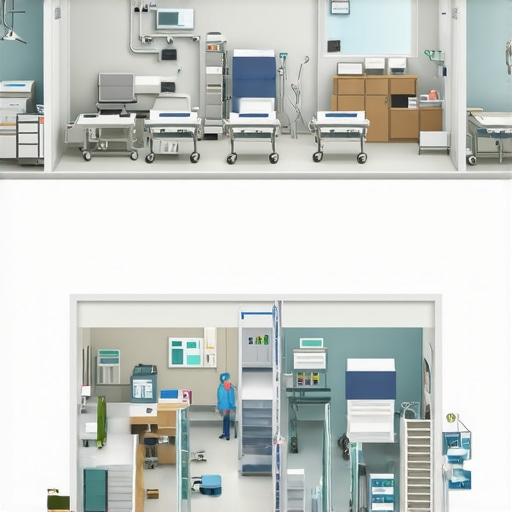
Why This Fight Is About More Than Just Words
You’re probably under the impression that urgent care clinics and fast-track emergency rooms are interchangeable—that they serve the same purpose in the healthcare puzzle. But you’re wrong. Major healthcare players would have you believe that moving a patient through a streamlined process saves money and time. Yet, beneath the surface, this is a tactical deception designed to mask inefficiency and compromise care quality.
I argue that confusing these two terms isn’t just semantics—it’s about the survival of genuine patient-centered care. When we buy into the myth that a quick visit to a ‘fast’ ER is equivalent to proper urgent care, we are setting ourselves up for failure. We’re gambling with our health, substituting convenience for comprehensive, nuanced treatment that addresses the root causes, not just the symptoms.
Let me lay this out clearly. An urgent care center is designed to handle non-life-threatening issues—think sprains, minor infections, or simple lab tests. Meanwhile, a fast-track ER is a disguised extension of a hospital’s emergency department, offering quick but often superficial treatment for more serious conditions that don’t require full ER resources. The problem arises when the line blurs, leading to misdiagnosis, inadequate testing, and delayed treatments. As I linked before in this article, the efficiency of lab tests directly impacts the quality of care in urgent settings.
The Market Is Lying to You
This confusion is no accident. It’s a carefully crafted narrative to push the healthcare system’s bottom line, not yours. When a clinic claims to be a ‘fast ER,’ they’re emphasizing speed over accuracy—turning what should be a careful, precise diagnosis into a rushed transaction. This is not healthcare; it’s an assembly line, and consumers—patients—are the unwitting victims.
It’s critical you understand that the difference influences outcomes. You might think, “I just need quick lab results,” but the tradeoff can be subtle yet deadly. When labs are rushed or incomplete—as is often the case in these ‘fast’ settings—serious conditions such as pre-diabetes or early inflammatory markers are missed, leading to worse long-term health issues.
The real issue here is not just misclassification, but a systemic devaluation of genuine care. We’ve entered an era of medical fast food—quick, cheap, and often unfulfilling. This approach will cost us dearly in the future, as undiagnosed or untreated chronic issues escalate into crises that demand hospital stays and expensive interventions.
For those seriously interested in cutting through the marketing noise, I recommend exploring how telehealth is revolutionizing chronic care management, as outlined in this report. But until we recognize the fundamental distinction between urgent and emergency care, we’re simply rearranging deck chairs on a sinking ship.
The Evidence Reveals a Pattern
Data from recent studies shows a disturbing trend: patients treated at quick-service emergency departments often experience misdiagnoses and incomplete testing, leading to worsened health outcomes. This isn’t a coincidence; it’s a systemic flaw rooted in the misclassification of care levels. When urgent care centers are pushed to operate like emergency rooms, the quality of diagnosis and treatment deteriorates sharply.
A System Designed for Profit, Not Patients
This isn’t happenstance. The healthcare industry’s financial incentives favor fast, high-volume care over thorough, personalized attention. When clinics position themselves as “fast ERs,” they capitalize on patient urgency while reducing costs—sometimes at the expense of accuracy. The result? A steady stream of underdiagnosed conditions that, unchecked, transform manageable issues into crises requiring expensive interventions.
Follow the Money: Who Benefits?
Big hospital systems and urgent care chains stand to profit the most from this confusion. By blurring distinctions, they divert patients from full-fledged emergency departments to less comprehensive settings disguised as “fast ERs.” This shift fills their pockets—while patients pay the price through misdiagnoses and prolonged illness. The deceptive branding is a calculated move, designed to maximize short-term gains at the expense of long-term health.
The Root of the Problem: Devaluation of Care
At its core, the issue isn’t merely a misnomer. It’s a systemic devaluation of genuine healthcare. By prioritizing speed and cost savings, the system undermines diagnostic accuracy and patient safety. The rush to be “quick” strips care of its nuance, replacing comprehensive assessment with superficial checks. When labs are rushed or incomplete, critical markers—like early inflammation or pre-diabetic indicators—are missed. This neglect seeds future health crises.
Historical Parallel: The Assembly Line Model
This pattern echoes the early days of manufacturing—where efficiency was prioritized over quality, leading to product failures and recalls. The healthcare industry has adopted a similar approach, sacrificing thoroughness for throughput. The result is a fragile system prone to breakdowns, as undetected issues accumulate silently until they manifest catastrophically.
The Damaging Illusion of Speed
The promise of “fast” healthcare seduces many. But speed isn’t synonymous with quality. Rushed labs and superficial exams breed false security, delaying critical interventions. This illusion of swiftness masks the true cost: untreated or misdiagnosed conditions that grow into chronic problems—costly, complicated, and dangerous.
Evidence of a Crumbling System
Real-world examples demonstrate that patients treated in rushed environments suffer worse long-term outcomes. For instance, early-stage inflammatory conditions often go unnoticed in quick labs, only to flare into severe health crises. The statistics aren’t just numbers—they’re warnings that our system’s foundation is cracked. When laboratories cut corners to meet demand, they compromise the entire chain of care.
The Consequences of Covering Up
By conflating urgent care with emergency services, the industry hides its negligence under a veneer of convenience. This isn’t an oversight; it’s a strategic move to keep the revenue flowing. Meanwhile, patients unwittingly become pawns—initially relieved by quick service, later burdened by the fallout of inadequate treatment. The truth is, when care is sacrificed for speed, everyone loses.
The Critical Need for Clarity
Without clear distinctions and accountability, the cycle persists. We can trace this back to one core issue: the deliberate elevation of profit over health. As long as the system rewards rushing through exams and labs, the standard of care will continue to decline. Recognizing this is the first step toward real reform—profitable schemes disguised as efficiency threaten to undo the very foundation of healthcare.
The Trap of Speed Over Substance
It’s easy to see why critics argue that rapid diagnostics and telehealth innovations are revolutionizing patient access, making healthcare more convenient than ever. They point to improved technology, reduced wait times, and broader reach as evidence of progress. I used to believe this too, until I recognized that these well-intentioned advancements can obscure a more troubling reality: they often prioritize efficiency at the expense of accuracy and thoroughness, risking patient safety in the process.
This Is the Wrong Question
Many focus on how quickly care can be delivered, assuming that speed equates to improved outcomes. But this is a shallow metric. The real question should be about the quality, reliability, and comprehensiveness of diagnosis and treatment. An overly streamlined process might get you a quick answer, but it doesn’t guarantee the correct one. The danger lies in mistaking rapidity for effectiveness, especially when complex conditions require nuanced assessment beyond a set of rapid tests or brief virtual consultations.
${PostImagePlaceholdersEnum.ImagePlaceholderC}
Why Speed Can Undermine Accuracy
Fast lab testing, while valuable, often involves trade-offs—samples rushed through processing, simplified panels, or limited follow-up. When labs cut corners to meet volume demands, critical markers—like early signs of inflammation or pre-diabetogenic states—are overlooked or misinterpreted. This is not a mere technical issue; it’s a systemic failure rooted in prioritizing throughput over diligence.
In telehealth, the appeal of virtual visits seems undeniable, but without physical examination or in-depth testing, subtle symptoms can be dismissed or misdiagnosed. The risk is that superficial assessments foster false reassurance, delaying necessary interventions. This might seem like an efficient shortcut but often results in worse long-term health costs.
Is Your Convenience Legitimate?
While many tout telehealth and rapid testing as patient-centric innovations, the truth is more complex. They serve the system’s desire for high-volume, low-cost care—sometimes at your expense. When quick diagnoses replace comprehensive evaluations, the foundation of effective treatment crumbles. This isn’t about providing better care; it’s about fueling a profitable industry that values speed more than substance.
It’s crucial to recognize that a fast checkup or lab result isn’t necessarily better—it’s often a little less accurate, more superficial, and less capable of catching the early warning signs that save lives. The real challenge is maintaining diagnostic rigor even amid the pressure for rapid turnover.
The Cost of Inaction Goes Beyond Immediate Health
When society dismisses the importance of maintaining rigorous distinctions between urgent and emergency care, it sets a dangerous precedent. The ripple effects extend far beyond individual misdiagnoses; they threaten to erode the very fabric of healthcare integrity. If we continue down this path, we risk transforming our health system into an unreliable assembly line where superficial fixes replace meticulous diagnosis.
Picture this: each overlooked sign, each rushed lab test, is like a crack in a dam. Initially, small and seemingly insignificant, but as more cracks appear, the structural integrity weakens. Before long, the dam might fail entirely, unleashing floods of untreated illnesses, chronic conditions spiraling out of control, and a healthcare crisis that we will struggle to contain. This is not a distant threat; it’s a looming reality if we ignore the signs now.
What Are We Waiting For?
The longer we accept this compromised approach, the more costly the consequences become. In five years, the landscape of healthcare could resemble a ticking time bomb—predictable yet ignored. Patients with early warning signs of serious diseases will continue to slip through the cracks, their conditions deteriorating silently until emergency interventions become the only option. Emergency rooms will overflow, costs will skyrocket, and the trust in our health system will erode beyond repair.
Without vigilance, the entire purpose of medicine—to heal, to prevent, to protect—will be overshadowed by profit-driven shortcuts. We will witness a future where health concerns are dismissed as minor inconveniences, only to explode into crises that devastate communities and drain resources extensively. The fundamental shift from quality to quantity will have turned our hospitals into sickhouses, overwhelmed and underprepared.
An Analogy to Consider
Imagine planting a garden and neglecting to differentiate between healthy plants and invasive weeds. If you ignore the weeds early, they’ll choke out your crops, leading to a barren field come harvest time. Similarly, neglecting the importance of careful diagnosis and thorough testing allows small health issues to grow into unmanageable burdens. Our tendency to prioritize speed and superficial fixes is like pulling out weeds hastily—only to let the roots fester beneath the surface, ready to sprout anew with greater resilience.
This refusal to recognize the severity of compromise is a gamble with our collective health. The question isn’t just about individual outcomes; it’s about whether we are willing to accept a system that sacrifices future stability for short-term gains. Unless we change course, the cost will be paid by all of us—sooner than we think, in ways we cannot ignore.
The Final Verdict Does Speed Undermine True Healthcare
Rapid diagnostics and virtual visits promise convenience but often sacrifice accuracy, turning our healthcare into an assembly line where speed trumps substance. This shift not only jeopardizes patient safety but erodes the very foundation of trust and thoroughness we expect from medical care.
The Twist: What if the relentless chase for quicker results is actually leading us toward a future where symptoms are treated superficially, and the root causes go unnoticed until they explode into crises? The race for expedience might just be our system’s slowest, most perilous mistake.
It’s time to recognize that genuine healthcare requires more than fast labs or brief virtual consultations. It demands a commitment to meticulous diagnostics, personalized attention, and a recognition of the complex tapestry that each patient represents. As I’ve linked before in Maximizing Urgent Care Efficiency, advanced lab tests can elevate care when used properly—yet too often, they’re rushed, incomplete, or misinterpreted in the name of saving time.
We are caught in a deceptive narrative: speed equals quality. But true quality healthcare is a careful process, involving detailed assessments and nuanced understanding. The danger of embracing shortcuts is that, like neglecting early warning signs, they eventually lead to preventable, costly health crises.
Telehealth, heralded as a breakthrough, risks becoming another casualty in this race—superficial assessments, missed subtle symptoms, delayed diagnoses. The reason is simple: without physical exams or comprehensive testing, we are substituting depth for convenience, and in medicine, that’s a gamble with no winners.
This obsession with rapid results and minimizing effort aligns with a broader systemic flaw: the prioritization of profit over patient safety. Big hospital systems and urgent care chains thrive on this illusion—pumping out high-volume visits with minimal thoroughness, a strategy that’s cheap for them but dangerous for us.
Behind this lies a troubling truth: the devaluation of detailed, patient-centered care. It’s easier for clinics to rush tests and dismiss the importance of diagnostic rigor when their revenues depend on throughput. This disconnect from what truly matters—accuracy, thoroughness, personalization—is eroding trust and undermining health outcomes. To see the damage, one need look no further than studies showing worse long-term outcomes linked to rushed settings, especially for chronic conditions.
And yet, amid the noise, some advocate for technological advancements as the cure-all—like telehealth innovations. But these tools are only as good as the integrity behind their use; without proper protocols, they risk becoming yet another superficial solution.
We must ask ourselves: Are we content with a system that traded comprehensive, nuanced care for quick fixes? Or are we prepared to demand healthcare that respects complexity, values diagnostic precision, and refuses to cut corners? The choices we make now will ripple through generations—either safeguarding our future or hastening its decline.
So, here’s the challenge: refuse to accept speed as a substitute for thoroughness. Question the legitimacy of a quick diagnosis or lab result. Demand the care that delves beneath the surface, that recognizes the patient’s story, their subtle signs, their unique risks. Because if we settle for less, we’re merely building a house of cards—destined to collapse when the real emergencies finally arrive.
The future belongs to those willing to prioritize substance over speed, precision over expedience. Will you be among them?