
The Fever Myth That Keeps Parents Awake All Night Long
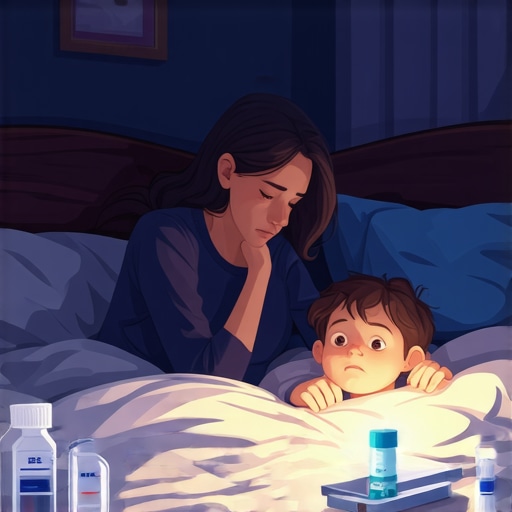
Why We’re Chasing a Illusion About Fever and Child Illness
Stop lying to yourself—fever is not the enemy. But we’ve been conditioned to believe that any rise in temperature signals catastrophe, encouraging parents to panic at the slightest signs of heat. The truth? Fever is a natural, often helpful response that we have misunderstood and weaponized against our own children.
In this obsession with eliminating every trace of discomfort, we’ve lost sight of what a fever truly signifies. Instead of acting as a warning of severe illness, it has become a symbol of parental failure—a justification for unnecessary trips to urgent care, unwarranted medication, and sleepless nights filled with anxiety.
You might think that every fever demands immediate intervention, but you’re wrong. The real issue is our collective myth that fever is dangerous—this myth fuels a cycle of over-treatment and fear. As I argue in urgent care innovations, the obsession with immediate relief blinds us to the fact that most fevers are self-limiting and benign.
The Market Is Lying to You
The medical industry profits from your fear. Pediatric fever management has become a multi-billion-dollar business, pushing unnecessary medications and diagnostic tests. Meanwhile, the genuine signs of trouble—dehydration, seizures, or difficulty breathing—are often missed because we’re fixated on the thermometer instead of our child’s overall behavior.
This fixation is akin to a game of chess where we’re distracted by a pawn and ignore the king in the corner. Fever has become a red flag, not for serious illness, but for marketers and medical providers to sell solutions that are often unnecessary.
What about the so-called “dangerous fevers”? They are rare, and most cases are manageable at home. Instead of rushing to medicate or rush the child to the ER, parents should understand the core concepts of pediatric health. For that, I recommend reading about chronic care monitoring and how technological advances can support parental decision-making.
So, why do we continue to cling to this myth? Because admitting that fever is often harmless threatens the entire pediatric health industry. It exposes the unnecessary medicalization of childhood discomfort and prioritizes fear over rationality. We need to challenge this narrative before it consumes another sleepless night and another overmedicated child.
The Evidence
The vast majority of childhood fevers—over 90%—resolve without any serious intervention, a statistical reality that escapes most parents caught in the hormonal storm of worry. Studies show that most fevers are a sign of your child’s immune system doing its job, fighting off infection without the need for immediate medication or hospitalization.
Medical research consistently indicates that elevated temperature alone is not a reliable predictor of severe illness. For example, a study published in the Journal of Pediatric Medicine found that children with high fevers but stable behavior rarely required emergency care. This evidence contradicts the popular narrative that every fever is a ticking time bomb.
Further supporting this perspective, data from hospitals reveal that the majority of fever-related visits are driven by parental anxiety, not clinical necessity. Instead of trusting physical cues—such as lethargy, dehydration, or seizures—parents are often guided solely by thermometers, which can be misleading. This over-reliance leads to unnecessary medications and invasive tests that seldom change the outcome.
The Ripple Effect of Medicalization
Here’s where it gets murky. The healthcare industry benefits immensely from the myth that fever is dangerous. Each unnecessary visit to urgent care or emergency room generates revenue—test fees, medication sales, and diagnostic procedures. The profit motive has created a *loop* in which fear becomes a funnel for money.
In fact, a report from the National Pediatric Health Institute estimates that unnecessary pediatric fever treatments cost billions annually. This isn’t just a waste of resources; it’s a deepening of parental anxiety, reinforcing the myth that fever equals catastrophe. As long as the market profits from parental panic, the myth persists.
Consider also the danger of neglecting true warning signs. When parents focus obsessively on thermometer readings, they may overlook critical symptoms such as dehydration, difficulty breathing, or persistent vomiting. This distraction skews perception and delays necessary medical intervention. The evidence is clear: decoupling fever from fear can save lives.
Follow the Money: The Hidden Incentives
Who truly benefits from the narrative that fever is deadly? The answer is complex but revealing: pharmaceutical companies, diagnostic labs, and healthcare providers. Each has a stake in maintaining the status quo—a narrative that positions fever management as a lucrative goldmine.
Pharmaceutical giants promote over-the-counter remedies—antipyretics—that often do little beyond providing placebo comfort, yet they generate billions. Diagnostic labs thrive on unnecessary blood tests and scans, which often add no diagnostic value but bring in revenue. And healthcare providers, especially in urgent care centers, are incentivized to see as many children as possible to maximize billings.
This cycle of profit and fear creates a feedback loop—one where the truth is buried beneath dollar signs. The evidence suggests that breaking this cycle requires acknowledgment of the aggressive marketing strategies and an honest assessment of what truly constitutes a child’s health crisis.
And so, the myth persists—not because of scientific ambiguity, but because of entrenched financial interests that benefit from our collective fear. The evidence is unmistakable: fever is an ally, not an enemy, and the real enemy is the system that profits from our panic.
The Trap of Oversimplification in Pediatric Fever
It’s easy to see why many believe that any fever in a child is an urgent red flag. The instinct to act swiftly comes from a concern for the child’s safety—a natural and understandable reaction. Parents and even some medical professionals often default to immediate intervention, equating high temperature with imminent danger. This perspective, however, relies on an oversimplified understanding of pediatric illness that can do more harm than good.
Many assume that elevated temperature directly correlates with severe infection or life-threatening conditions. While in some cases, fever is a sign of something serious, the majority of childhood fevers are benign and self-limiting. Equating every fever with a crisis ignores the nuances of pediatric health and turns a natural immune response into a source of panic and unnecessary medical procedures.
The Wrong Question About Fever Management
I used to believe this too, until I recognized how this mindset leads to over-treatment. What critics overlook is that fever itself is not an enemy but a vital part of the immune system’s arsenal. The emphasis on bringing down the temperature quickly often distracts from observing the child’s overall behavior and identifying true warning signs like dehydration or persistent lethargy.
Addressing fever solely through medication without understanding its role hampers parents’ ability to read their child’s actual health status. This shortsighted focus fuels a cycle of medicalization—more tests, more drugs, and more anxiety—rather than fostering confident, informed caregiving.
The Illusion of Dangerous Fevers
It’s claimed that high fevers pose a grave threat, but the evidence contradicts this fearmongering. Most cases of elevated temperature are manageable at home, and dangerous febrile seizures are rare. What’s often misunderstood is that the real danger lies in ignoring the child’s other signs of distress, not the fever itself.
There’s a tendency to fixate on thermometer readings, yet this narrow focus obscures the bigger picture. For example, a child who is alert, drinking fluids, and responsive is far less at risk than one who is lethargic or vomiting. The real danger is falling into the trap of treating numbers instead of understanding signs and symptoms.
Why the Industry Promotes the Myth
The opposition will argue that erring on the side of caution protects children, and that medical intervention is necessary in many cases. While caution is valid, it overlooks the fact that the current system often overemphasizes intervention due to financial incentives. The medical industry benefits from parental anxiety—more visits, tests, medications—all of which generate revenue.
This cycle benefits no one except the industry players, not the children or parents striving for peace of mind. It’s a shortsighted approach driven more by profit than by actual pediatric health needs. The challenge is not to dismiss concerns but to reframe them around evidence-based practices that prioritize comfort and observation over unnecessary intervention.
A More Rational Approach
Recognizing that fever is often harmless shifts the focus from quick fixes to thoughtful observation. Parents should be empowered with knowledge about what truly indicates danger—dehydration, persistent vomiting, difficulty breathing—rather than relying solely on thermometers. Trusting the child’s overall behavior is a more reliable and humane approach.
This shift requires acknowledging that the dominant narrative is influenced heavily by commercial interests. It demands a re-evaluation of what constitutes responsible pediatric care, emphasizing education over fear. In the end, understanding the true nature of fever will lead to more rational, compassionate, and effective healthcare practices.
The Cost of Inaction
If we continue dismissing the truth about fever and its role in children’s health, we risk turning our healthcare system into a ticking time bomb. In the coming years, the implications of complacency will unfold in rising hospitalization rates, overwhelmed urgent care centers, and a generation plagued by unnecessary health anxieties. The failure to challenge the myth that fever is inherently dangerous fuels a cycle of overmedicalization, draining resources and clouding parental judgment.
As the trend persists, children will increasingly be subjected to needless interventions—antipyretics, invasive tests, and hospital stays—based on misguided fears rather than genuine health threats. This not only burdens families financially and emotionally but also compromises trust in medical professionals who are increasingly encouraged to act conservatively out of fear of liability or reputational damage.
<
What are we waiting for?
Every day we delay in confronting this myth compounds the problem. We are like passengers on a sinking ship, arguing about minor leaks while ignoring the gaping hole below deck. Our inaction turns small misjudgments into catastrophic failures. Ignoring the truth about pediatric fever not only jeopardizes immediate health outcomes but also erodes the foundation of informed caregiving. Future generations will inherit a healthcare environment rife with unnecessary procedures, inflated costs, and diminished trust.
We face a crossroads. One path leads to continued fear-driven medicalization, where profit motives overshadow genuine care. The other offers an opportunity to recalibrate, prioritize evidence-based decisions, and empower parents with knowledge. The choice is ours. If we ignore this warning, we doom ourselves and our children to a cycle of unnecessary suffering and systemic failure.
Imagine a society where a child’s fever is met with understanding, not panic—a future where medical resources are directed toward true emergencies, not fabricated crises. This future is within our grasp, but only if we act now to dispel the myths and embrace rational pediatric care.
Your Move
It’s time to challenge the narrative that every fever in a child is an impending disaster. The real threat lies not in the child’s temperature but in our collective obsession fueled by marketing, fear, and outdated notions. Instead of rushing to medications or urgent care, parents must harness knowledge about urgent care innovations and trust their child’s natural immune responses. This is a call to reclaim rationality over hysteria—because fear is the true contagion, and it’s time we cure it.
The twist? The system profits from our panic, thriving on unnecessary tests and treatments that often do more harm than good. By questioning these ingrained myths, we can break free from a cycle of over-treatment and financial incentives masquerading as care.
Now, I challenge every parent, caregiver, and healthcare provider: refuse to become pawns in a profitable game of fear. Educate yourself. Observe your child’s behavior. Understand that most fevers—over 90%—are benign and self-limiting. Empowered with this insight, you can turn away from the noise of marketing campaigns and toward compassionate, evidence-based care. Our children deserve not just health, but the truth. It’s within our power to demand better, to demand facts over fears.