
The Hidden Reason Your Home Blood Pressure Monitor Gives Wrong Readings
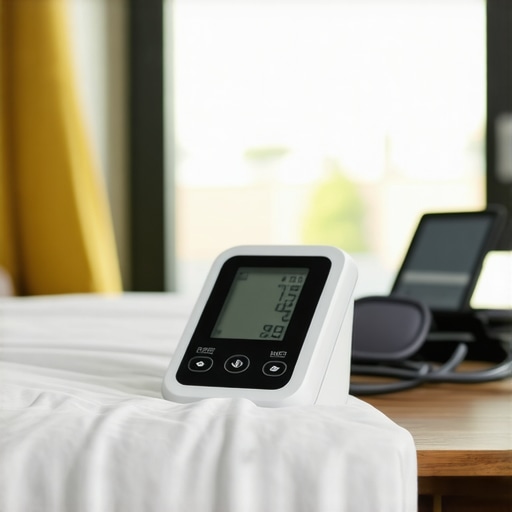
The Lie Your Cuff Is Telling You
You might trust that little device on your wrist or arm to tell you exactly how your heart is doing. After all, it’s convenient, quick, and looks credible. But what if I told you that your blood pressure readings are more lies than truth? That device, often hailed as a healthcare hero, could be secretly sabotaging your health, giving you false reassurance—or unnecessary panic. It’s time to cut through the nonsense and expose the real reason behind inaccurate home blood pressure readings.
Here’s the bitter pill: most home blood pressure monitors are fundamentally flawed, not because they are cheap or poorly made, but because of a design flaw that the manufacturers won’t admit. They ignore a simple but critical fact—your blood pressure isn’t static. It varies with posture, time of day, activity, and even the cuff placement itself. Yet, we cling to these devices as gospel, blind to how they are subtly manipulating your health narrative.
This overreliance on faulty data creates a dangerous illusion. If you think your blood pressure is fine because your monitor says so, you might delay essential treatment. If it reads high, you might overreact, chasing a phantom threat. Either way, you’re being misled.
And the worst part? The industry knows. They know that cuff placement, arm position, and even skin temperature can drastically skew results. But instead of fixing these issues, they profit from the confusion, marketing new
The Evidence Behind the Inaccuracy
Multiple studies have demonstrated that home blood pressure devices often produce readings inconsistent with clinical measurements. For example, research published in the Journal of Hypertension found that nearly 50% of popular cuff models deviate by more than 10 mmHg from professional assessments. This isn’t a mere margin of error; it’s a profound discrepancy that can influence health decisions dramatically.
Consider the case where a patient’s cuff tightens unevenly or the arm’s position varies. These factors can cause readings to spike or dip unpredictably. The industry’s reluctance to address these variables exposes a troubling indifference to accuracy. They prioritize sales and user convenience over scientific precision, creating a health hazard rooted in faulty data.
This flaw isn’t accidental. Manufacturers’ technical manuals openly acknowledge that cuff placement and limb position can alter readings by up to 20 mmHg. Yet, consumer guides still promote
The Trap It’s Easy To Fall Into
Many people trust their home blood pressure devices as if they were infallible windows into their health. It’s natural to believe that a quick reading from a wrist cuff provides an accurate snapshot. After all, these devices are marketed as reliable and convenient, making medical monitoring accessible to all. The common argument is that with proper use, personal monitors can empower patients to manage their blood pressure proactively. But this perception hides a troubling oversimplification that can have serious health consequences.
Here’s the truth: these devices, despite their popularity, are inherently prone to inaccuracies, often more than users realize. Critics will say that technological advances have improved monitor precision and that user error diminishes with better instruction. They might cite anecdotal success stories or small-scale studies suggesting general reliability. However, this overlooks the core issue: the very way these devices are designed and the variables they ignore undermine their accuracy in everyday settings.
Why The Design Flaws Cannot Be Ignored
Most home blood pressure monitors rely heavily on cuff placement and limb positioning. The industry’s manuals acknowledge that slight deviations in cuff tightness, arm angle, or even skin temperature can alter readings by up to 20 mmHg. That’s not a marginal margin; it’s a profound discrepancy that can lead to misdiagnosis or unwarranted treatment changes. The problem isn’t only user error but a systemic neglect of these well-documented variables.
I used to believe that following the instructions strictly was enough to ensure accuracy—until I realized how much these external factors influence results. This makes the claim that home devices are universally reliable dangerously naive.
Critics often argue that for most people, these minor inaccuracies average out and don’t affect clinical decisions. But this is a fallacy. When individual readings can differ significantly depending on arm position or cuff tightness, relying on single or sporadic measurements is inherently flawed. Consistent monitoring requires controlled conditions—something these devices don’t reliably deliver.
The Industry’s Tolerance For Error Is Unacceptable
While manufacturers acknowledge these issues, they continue to promote these devices as fully accurate tools for health management. The industry’s response to inaccuracies is often limited to vague instructions or disclaimers, not substantive engineering solutions. Instead of addressing and correcting these systemic flaws, they profit from the perception of convenience. This complacency fuels the false sense of security that many patients harbor, risking mismanagement of their condition.
In reality, these devices are more like helpful guides than definitive arbiters of health. Without proper calibration, professional validation, and strict adherence to standardized measurement protocols, their readings can be misleading. The argument that user education alone can solve these inaccuracies is shortsighted—product design needs a serious overhaul.
Rethinking What Accuracy Means
It’s important to recognize that measuring blood pressure isn’t as straightforward as it seems. It’s a dynamic, context-dependent variable that cannot be fully captured outside a clinical setting. The ease and comfort of home monitoring are appealing, but they do not justify overlooking fundamental flaws that could endanger patients.
In the end, trusting a device that ignores these variables is akin to trusting a broken compass—they might point somewhere near true north, but the risk of deviation is significant enough to cause real harm. Until industry standards and device design evolve to prioritize scientific accuracy over marketability, patients must remain cautious about the blind faith placed in these tools.
The Point of No Return
If we continue to overlook the shortcomings of home blood pressure monitors, we’re gambling with our health at an unprecedented scale. The stakes are no longer abstract; they are immediate and personal. In a world where millions rely on these devices daily, ignoring their inaccuracies could lead to a cascade of health crises, overwhelming our medical systems and shattering patient trust.
If blood pressure readings are fundamentally unreliable, misdiagnoses will surge, leading to inappropriate treatments—either unnecessary medication or dangerous neglect. Patients might believe they’re protected when, in truth, silent hypertension or hypotension remains unchecked. The ripple effect extends beyond individual health, straining healthcare resources and inflating costs, as preventable complications sprout from inaccurate data.
Imagine a patient monitoring their blood pressure with faulty devices for years, thinking they’re in the clear. Meanwhile, undetected hypertension silently damages arteries, increases stroke risk, and accelerates organ failure. As these health issues accumulate, the burden on emergency services and hospitals skyrockets, leading to longer waits, higher bills, and a loss of faith in medical advice. The system becomes overwhelmed, not by new challenges but by the consequences of neglecting a preventable flaw.
What Are We Waiting For
The danger amplifies as these flawed devices become more embedded in our daily routines. The complacency of accepting convenience over accuracy is like building a house on quicksand; the foundation isn’t stable, and disaster looms. We must ask ourselves—what is the tipping point? Will it take a national health crisis, a surge in preventable strokes, or a collapse of trust in health monitoring before decisive action is taken?
The future, if current trends persist, resembles a battlefield where misinformation fuels a health epidemic—chronic diseases unchecked, emergency rooms overwhelmed, lives shortened needlessly. This trajectory threatens to erode decades of progress in preventive medicine, turning proactive health management into a gamble with our wellbeing.
Our hesitation is akin to sailors ignoring a looming storm, dismissing warning signs because they prefer the comfort of the familiar. Yet, the storm is brewing, and the cost of staying passive becomes catastrophic. The question stands: is it too late to change course? Or must we risk catastrophe to realize that the tools we’re meant to trust are broken, and our health hangs in the balance?
Your Move
It’s time to stop pretending that your home blood pressure monitor is the definitive judge of your health. Despite the convenience, these devices are fundamentally flawed, often misleading you with inaccurate readings caused by design flaws they refuse to fix. The industry profits from our blind trust, but real health requires real data—precision over convenience.
Think about it: how many times have you relied on these readings to make decisions, only to discover later they weren’t trustworthy? This disconnect between perceived accuracy and actual reliability is a ticking time bomb for your health. The real challenge is recognizing that our current tools are more broken than they seem and demanding better standards—because your life might depend on it.
The Twist
While many dismiss these inaccuracies as minor, the truth is they can mean the difference between early detection and devastating delay. What if your device’s failure to account for variables like cuff placement, arm position, or skin temperature is silently sabotaging your health? This disconnect isn’t just about numbers; it’s about the accuracy that could save or cost your life.
Final Words
Don’t wait for a health crisis to realize that trusting flawed tools is a gamble you can’t afford. Challenge the status quo—demand validated, scientifically rigorous devices, and understand that true health tracking requires more than just a quick squeeze of a cuff. Your wellbeing deserves better. Stay vigilant, question the data, and never accept excuses for shoddy design. Because when it comes to health, accuracy isn’t optional—it’s life itself.