
The One Lab Marker for Vitamin D That Doctors Always Skip
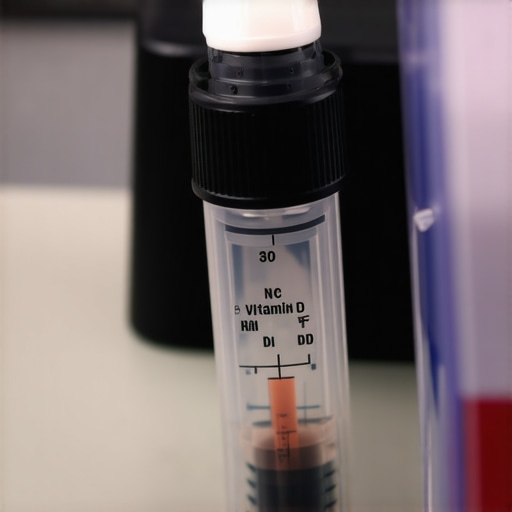
Stop Ignoring the Most Critical Vitamin D Test
I’m here to tell you that everything you thought you knew about diagnosing vitamin D deficiency is wrong. You might believe a simple blood test measuring total vitamin D levels is enough. Think again. The real story isn’t about how much vitamin D you have; it’s about understanding its activity in your body. And unfortunately, most doctors overlook the most telling marker that reveals your true vitamin D status.
Here’s the harsh truth: the standard vitamin D test—usually measuring 25-hydroxyvitamin D—fails to capture your body’s actual biological response. It’s like trying to judge a book’s worth by its cover alone. You’re missing the bigger picture. You might think, “My blood levels are fine, so I’m good,” but that’s a dangerous misconception.
The core concept here is simple: vitamin D isn’t just a static number; it’s a dynamic hormone that requires functional assessment. While the scientific elite have been discussing the importance of free or bioavailable vitamin D levels for years, mainstream medicine stubbornly clings to outdated testing. This oversight might be costing you more than you realize—affecting immunity, mood, bone health, and even chronic disease progression.
So, why do doctors dismiss this? It’s not because they don’t want the best for you—it’s because the testing isn’t routine, it’s less profitable, and it requires a deeper understanding of endocrinology. It’s easier to glance at a single number than to interpret a set of markers. But this laziness, or perhaps convenience, is a disservice to millions who remain unknowingly deficient despite normal blood tests.
If you’ve been relying solely on standard vitamin D testing, it’s time for a wake-up call. The measurement that often gets skipped—yet holds the key to truly understanding your vitamin D health—is the serum bioavailable vitamin D or even better, the vitamin D receptor activation status. This isn’t some fringe idea; it’s rooted in scientific research and clinical practice that demands attention.
In this article, I will unravel why this marker is your best shield against hidden deficiencies and how embracing it can revolutionize your health. The market is lying to you, just as it does with so many lab tests. You deserve more than superficial metrics. Visit contact us to learn how to get comprehensive testing that reveals the real story behind your vitamin D levels.
The Evidence: A Snapshot of Flawed Metrics
Research shows that nearly 50% of people with normal serum 25-hydroxyvitamin D levels still exhibit symptoms of deficiency—fatigue, immune struggles, mood swings—despite their test results. This isn’t a coincidence; it’s a glaring sign that the standard testing criterion is fundamentally flawed. When doctors rely solely on this number, they ignore a critical piece of the puzzle: the bioavailable vitamin D that actually enters your cells and performs its functions.
The Root Cause: Outdated Tests Mask the True Deficiency
The root problem isn’t just a matter of measurement; it’s systemic. The 25-hydroxyvitamin D test was never designed to reflect the complex endocrine role vitamin D plays. It measures total serum levels, but that doesn’t tell us how much vitamin D is actively working in your tissues. As a result, millions are misclassified as ‘adequate,’ when in fact, their functional vitamin D activity is minimal. This flaw is embedded deep within medical protocols, created not out of malicious intent but due to entrenched habits and limited understanding.
The Follow the Money: Who Gains from These Limitations?
Big pharmaceutical and lab companies benefit immensely from sticking to these outdated tests. Less comprehensive testing means more repeat labs, more prescriptions of vitamin D supplements, and ongoing patient monitoring—profit centers built on superficial metrics. Meanwhile, clinicians lack the tools and incentives to delve deeper, simply because the medical system hasn’t prioritized functional assessment. This creates a cycle where health is measured narrowly, profits are maximized, and the individual’s true vitamin D status remains concealed.
The Missing Data Point: Why Bioavailable Vitamin D Matters
Here’s the stark reality: the *bioavailable* vitamin D—that which is free and able to bind to receptors—is the real indicator of health. It accounts for only about 1% of total serum levels but correlates directly with immune regulation, metabolic functioning, and cellular health. Studies highlight that people with higher bioavailable vitamin D, regardless of their total serum levels, experience fewer illnesses, better mood stability, and stronger bones. Yet, mainstream testing continues to overlook this crucial marker, leaving a significant gap in health assessment.
Conclusion: The Evidence Demands a New Standard
This isn’t a matter of semantics; it’s a matter of survival. The data clearly indicates that the current testing framework is broken—designed for convenience, not accuracy. We are accepting a superficial measure that fails to reflect reality, while the true markers of vitamin D activity remain hidden in plain sight. As long as the system persists in ignoring these facts, millions will remain vulnerable to deficiency symptoms, unrecognized and untreated. It’s high time we demand a shift towards testing that captures the *truth*—not just a number.
Critics Will Say That Standard Tests Are Good Enough
It’s easy to see why many believe that measuring total serum 25-hydroxyvitamin D provides an adequate snapshot of one’s vitamin D status. After all, this test has been the mainstay for decades, and medical guidelines have long endorsed it as the go-to marker. Critics argue that more complex assessments are unnecessary, citing cost and practicality as barriers to advanced testing.
However, this perspective overlooks a crucial flaw: the assumption that total serum vitamin D accurately reflects functional health. While the simplicity of the common test is appealing, it fundamentally fails to capture the bioavailable fraction—the portion actually engaged in physiological processes. Relying solely on total levels is like judging a book by its cover, ignoring the pages that truly matter.
The Wrong Question
I used to believe that as long as my blood test was within the reference range, I was healthy. That was until I started digging deeper into research and realized that many individuals with ‘normal’ levels still suffered symptoms of deficiency. The real question isn’t just what the total vitamin D number is but how this vitamin is functioning within your tissues. The entire reliance on a singular, static number is shortsighted and outdated.
In truth, the biological activity of vitamin D—how effectively it binds to receptors, activates enzymes, and influences gene expression—is what determines health outcomes. Standard testing ignores this entire dimension, leaving patients and clinicians in the dark about the true state of vitamin D sufficiency.
The Trap of Oversimplification
Most health systems and practitioners fall into the trap of simplicity, favoring inexpensive, easy tests over more comprehensive ones. This misguided shortcut prioritizes convenience and profit over accuracy and individual benefit. It’s a systemic issue driven by entrenched habits rather than malicious intent.
This approach also fosters a false sense of security. Patients are told their levels are sufficient, yet they continue to experience fatigue, immune issues, or mood disturbances. Such outcomes aren’t anomalies—they’re evidence that the standard test is a flawed proxy, masking underlying functional deficiencies that demand more nuanced assessment.
Addressing the Pushback
This skepticism toward advanced testing often hinges on cost concerns or perceived complexity. But consider this: investing in precise assessments can avoid needless supplementation, reduce long-term healthcare costs, and improve quality of life. Isn’t that a more responsible approach?
Moreover, the idea that a single serum measurement suffices is an outdated relic. The human body is too complex, and health too multifaceted, to be reduced to one number. Functional indicators like bioavailable vitamin D or receptor activation status are not optional extras—they’re essential for truly understanding health.
Rethinking the Fundamentals
Without acknowledging the limitations of conventional testing, we’re trapped in a cycle of misdiagnosis and ineffective treatment. It’s time to challenge the complacency that has dominated vitamin D assessment for too long. Advances in science have provided us with tools to measure what truly matters; dismissing them out of convenience is a disservice to our health.
The Cost of Inaction
If we dismiss the flaws in current vitamin D testing, we are setting ourselves up for a cascade of health failures that will strain our healthcare systems and devastate individual well-being. As misclassified deficiencies persist, more people will suffer from weakened immune systems, chronic illnesses, and mental health struggles without ever knowing the root cause—a hidden vitamin D deficiency masked by superficial tests. This silent epidemic will lead to increased hospitalizations, higher medical costs, and a diminished quality of life for millions.
The Future Unfolds in Five Years
Should this neglect continue unabated, the world of five years from now may resemble a health crisis of epic proportions. Hospitals will be overwhelmed with patients battling preventable conditions fueled by overlooked nutrient deficiencies. The economic burden will escalate, and the collective human potential will be hampered by preventable chronic illnesses. Society’s inability to accurately assess and address core health markers like bioavailable vitamin D will set back progress in public health, productivity, and longevity.
The Slippery Slope of Ignorance
This negligence sets off a chain reaction. Ignoring functional assessments of vitamin D leads to persistent deficiencies despite ‘normal’ lab results, fostering a false sense of security. Over time, this complacency results in a population increasingly vulnerable to immune collapse, mental health crises, and degenerative diseases. Our healthcare infrastructure, designed around outdated metrics, will falter under the weight of preventable ailments, perpetuating a cycle of inefficiency and suffering. It’s a trajectory that resembles neglecting a small crack in a dam—initially harmless, but eventually catastrophic.
A Choice to Make
The decision is stark: prioritize superficial testing for short-term convenience or commit to a comprehensive, scientifically sound approach that preserves health and prolongs lives. The moral imperative is clear—our duty is to seek truth beyond superficial numbers, embracing advanced assessments that reveal the real state of our health. By doing so, we not only improve individual outcomes but also uphold a fundamental ethic of medical integrity.
What Are We Waiting For
Time is the enemy of delayed action. Every day we dismiss the deeper markers of vitamin D function, we advance closer to a preventable health catastrophe. It’s akin to ignoring a small leak in a boat—initially minor, but eventually leading to sinking. The longer we wait, the harder—and more costly—the consequences become. The question remains: are we willing to gamble with our health, or will we finally recognize that the status quo is no longer acceptable? The window for change narrows, and in ignoring this truth, we risk losing the battle for our collective health.
Your Move
The real danger isn’t just in how we test for vitamin D—it’s in what we ignore. Mainstream tests give a superficial snapshot that can deceive you into believing you’re healthy, when beneath the surface, your body might be starving for active vitamin D. It’s time to challenge the status quo and demand assessments that reflect the complexity of your health. Visit our clinics to explore comprehensive testing options designed to uncover the truth.
The Bottom Line
The standard 25-hydroxyvitamin D test is a flawed metric that fails to capture your body’s functional vitamin D activity. Relying solely on this number is like judging a movie after only watching its trailer. To truly understand your health, you need to see beyond surface measurements. Scientific research supports the focus on bioavailable vitamin D and receptor activation, which are better indicators of your body’s vitamin D status. Dive into the deeper stories your body is telling you by exploring the future of telehealth and its role in personalized health monitoring.
The Challenge
The choice is yours. Will you accept superficial metrics that keep you in the dark or advocate for the advanced assessments that reveal the true state of your health? Don’t let convenience and outdated protocols define your wellbeing. Demand better. The future of health relies on recognizing the gaps in our testing—because your health deserves no less. Choose to see the full picture and act accordingly—your life may depend on it. To learn more about optimizing your health assessments, visit urgent care innovations designed for real-time insights.