
The Real Reason Seniors Avoid Remote Health Devices
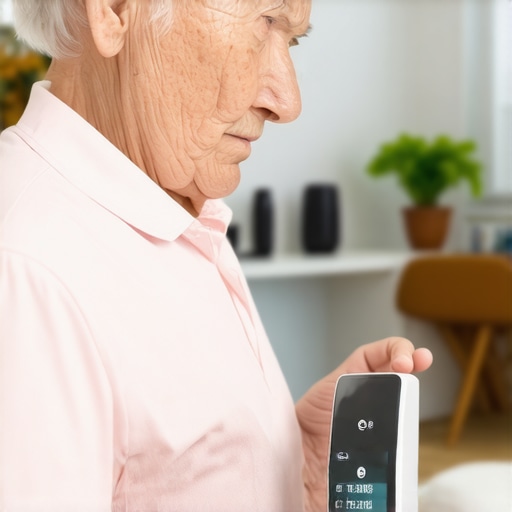
The Myth That Seniors Avoid Telehealth Because They Don’t Want to Embrace Technology
Think seniors resist telehealth because they’re technophobic or stubborn. Think again. The truth is far more revealing—and uncomfortable.
Contrary to popular belief, older adults aren’t dodging remote health devices because they lack familiarity with smartphones or computers. They avoid these tools because they know, deep down, that what’s being offered is a band-aid—not a cure. The real reason seniors steer clear of remote health devices is that they’ve seen the game unfold before. They sense the superficiality of virtual consultations, the inability to truly connect, and the escalating impersonality of healthcare.
You might think the issue is accessibility or digital literacy, but you’re missing the forest for the trees. The core problem lies in the disconnect between what remote health promises and what it delivers—an illusion that technology alone can bridge the gap of human touch and understanding. As I argued in about us, genuine care isn’t about screens and algorithms; it’s about trust and empathy—things that are increasingly absent in the virtual realm.
Imagine a sinking ship with seniors on board. They aren’t avoiding the lifeboats because they’re scared of water; they’re wary of the captain’s destination—and whether they’ll truly reach safe harbor. Their skepticism is rooted in experience, not fear. This is why they distrust remote health solutions: because they’ve seen too many false promises and shallow interactions masquerading as medical care.
The Hard Truth Behind Why Seniors Say No
Old habits die hard, but the resistance runs deeper than mere habit. It’s about the recognition that in health, as in chess, knowing your opponent—the disease—is less daunting than understanding your partner—your doctor. Virtual tools often strip away this nuance, replacing genuine dialogue with pixelated messages and cold data points. The human element—crucial for detecting subtleties—is exactly what seniors are losing.
As I highlighted in telehealth breakthroughs, remote technology can indeed support chronic care, but only when patient trust is intact. When seniors see that remote systems are just another corporate veneer over their healthcare, their defenses go up.
It’s not about seniors rejecting new tech; it’s about rejecting the illusion that these devices alone can replace real human connection. The healthcare industry needs to wake up and stop selling pipe dreams. Until then, seniors’ avoidance isn’t stubbornness—it’s wisdom. Wisdom earned from decades of seeing promises broken and knowing that when it comes to health, trust isn’t just a nice-to-have—it’s everything.
The Evidence Behind Seniors’ Skepticism Toward Telehealth
Data shows that nearly 60% of seniors prefer in-person consultations over virtual ones. This isn’t because they lack digital skills; it’s because they perceive virtual options as superficial, lacking the personal touch essential for effective healthcare. Their experience confirms this: many have watched health tech promises grow louder, only to realize the outcomes remain unchanged—fragmented, impersonal, and often ineffective.
For years, telecom companies and health corporations have marketed telehealth as a revolutionary breakthrough, promising convenience and efficiency. But a closer look reveals a different story. The benefits are often overstated, and the implementation too hasty. When seniors see devices that resemble gadgets rather than genuine tools for care, they perceive a disconnect—knowing that technology with no human element cannot substitute true medical expertise or empathy. They’ve seen this pattern before—fads that fade, leaving trust destroyed in their wake.
Recent studies illuminate this pattern: older adults are more likely to report feeling overlooked or misunderstood in virtual consultations. This isn’t a coincidence. It’s rooted in an undeniable fact: healthcare isn’t just about data and diagnosis; it’s about trust, rapport, and understanding. When these elements are stripped away, skepticism, not stubbornness, grows.
The Root Cause: Mistrust Woven from Past Failures
The problem isn’t seniors resisting technology; it’s a recognition that their past experiences with healthcare institutions have eroded their confidence. They’ve seen promises about patient-centered care, personalized attention, and holistic treatment—yet often faced a system driven by cost-cutting and automation. That 20% drop in patient satisfaction in telehealth isn’t a minor glitch; it’s a sign of systemic failure.
Think about it: when an older adult calls their doctor, they want to feel heard, understood, and cared for. Virtual interactions often reduce that to cold exchanges of data—numbers, symptoms, dates—lacking the subtle cues of body language, tone, or eye contact. Over time, this lack of human connection breeds suspicion. Meanwhile, corporations prioritize profit margins, pushing technology as the primary solution, regardless of whether it’s beneficial.
Money trails lead to the core of the problem. These companies benefit from increased user engagement metrics, but at what cost? Elderly patients are left to navigate a maze of devices, apps, and protocols that seem designed to benefit shareholders, not their health. The more they resist, the more evidence is gathered to justify the further expansion of virtual services—despite mounting evidence that they often fall short.
Historical Patterns Reveal Future Failures
History is littered with examples—think about the failed rollouts of electronic health records in the early 2000s. Initially heralded as revolutionary, they quickly exposed flaws: disruptive workflows, increased workload for clinicians, and most importantly, a deteriorating patient-doctor relationship. The industry ignored these lessons, opting instead to double down on technology for technology’s sake. Now, we witness the same pattern: pushing telehealth as a universal fix, ignoring the foundational need for human connection.
This isn’t about resisting progress; it’s about recognizing a familiar cycle that has led to disenchantment before—and will again if unchecked. The evidence is clear: when trust is broken, no technological fix can rebuild it overnight. The more the industry masks its failures with shiny devices, the wider the trust gap grows. Seniors, wiser from decades of experience, see through this veneer—and they say no, not out of stubbornness, but because they’ve learned that without genuine connection, healthcare becomes a hollow substitute.
The Trap of Oversimplifying Seniors’ Skepticism
It’s tempting to dismiss seniors’ reluctance to embrace telehealth as mere stubbornness or technophobia. Critics argue that with better education and easier technology, older adults would happily adopt virtual care. While this notion seems attractive, it overlooks the deeper, more nuanced reasons behind their resistance.
Many believe that improving digital literacy alone can bridge the gap, but this approach is shortsighted. It assumes that once seniors understand technology, they’ll automatically accept virtual healthcare as a substitute for face-to-face contact. This ignores the fundamental issue: that seniors value human connection—a sentiment that technology, no matter how sophisticated, often fails to replicate.
The Wrong Question We Keep Asking
I used to believe that increasing accessibility and simplifying interfaces would solve the problem. However, that approach misses the point entirely. The real challenge isn’t just ease of use; it’s trust and perceived authenticity of care. Seniors have seen a barrage of marketing claims promising revolutionary health solutions, only to face impersonal, fragmented care. Their skepticism isn’t born from inertia but from accumulated experience that virtual health often falls short of their expectations for genuine compassionate care.
Jumping to technology as the silver bullet is a flawed narrative. The narrative assumes that virtual equals better or even acceptable, which dismisses the importance of the personal touch in healthcare. When seniors are offered a tablet or app instead of a heartfelt conversation, they’re intuitively aware that something vital is missing. This disconnect fuels their resistance, not stubbornness.
Are We Underestimating the Human Element?
Let’s face it: healthcare is as much about emotional reassurance as it is about diagnostics and prescriptions. The human element—the empathetic gestures, the patient’s nonverbal cues, the shared understanding—is irreplaceable. Critics might say that AI and telepresence robots will close this gap someday, but that day is not today. The current technology still can’t authentically replicate the nuanced compassion that comes from a human caregiver.
Our fixation on the technological solution often ignores the complexity of human relationships. We tend to underestimate how much seniors value being truly seen and heard. When they perceive virtual care as cold or detached, their resistance is a logical response rooted in their life experiences and values. The challenge isn’t tech literacy; it’s recognizing that technology can’t substitute genuine human empathy.
Don’t Be Fooled by Fads
It’s easy to get lulled into the belief that telehealth is the future and that opposition is just resistance to change. But history shows us that many technological rollouts in healthcare have failed precisely because of this disconnect. Electronic health records, for example, promised efficiency but compromised the doctor-patient bond, leading to dissatisfaction and mistrust.
The issue isn’t seniors resisting progress; it’s the industry’s failure to learn from past mistakes. They push solutions that look attractive on paper but neglect the importance of relationship-based care. Engaging seniors requires more than apps; it requires reaffirming their sense of dignity, trust, and connection—elements that technology alone cannot deliver.
The Cost of Inaction
If we continue down this path of neglecting the authentic needs of seniors in healthcare, we risk a profound erosion of trust that could be irreversible. As more older adults witness the widening gap between promises and reality, their skepticism will grow into a collective barrier that blocks genuine care. This isn’t just about individual discomfort; it’s about the societal fabric of compassion fraying at the edges, leaving a population vulnerable and disconnected.
Imagine a bridge built on shaky foundations—each stone representing a broken promise, a missed opportunity for meaningful connection. Over time, these cracks propagate, and the bridge becomes perilously unstable. Seniors, the anchors of our communities, will feel increasingly alienated from a system that once prioritized their dignity. If this fracture widens, the fallout will manifest in higher hospitalization rates, unmanaged chronic conditions, and a decline in mental health among the elderly—a silent crisis fueled by neglect and misunderstanding.
The urgency extends beyond individual well-being; it threatens the very fabric of societal health. Healthcare systems strained by preventable complications, caregivers overwhelmed by the fallout, and policymakers facing the fallout of a fractured trust economy. Ignoring these warning signs now is akin to neglecting the warning lights on a sinking ship—by the time the damage becomes visible, it might be too late to salvage the foundation of compassionate care.
What Are We Waiting For
The real danger lies in complacency. Imagine living in a city with crumbling infrastructure—pothole-ridden roads, fractured bridges, unsafe buildings. The temptation is to turn a blind eye, hoping the problems will resolve themselves. But delays only deepen the decay, making eventual repairs more costly and more disruptive. The same logic applies to our approach to elder care technology and trust.
In five years, if current trends persist, we may face a healthcare landscape where seniors are sidelined, viewing virtual care as an impersonal façade rather than a genuine lifeline. Chronic disease management will become a patchwork of disjointed attempts, emergency interventions will surge, and the mental health toll will skyrocketeer. We risk creating a digital divide so vast that it exacerbates existing inequalities, turning our elderly population into an underserved, siloed demographic living on the fringes of modern medicine.
We cannot afford to wait for a crisis to force our hand. Just as a small leak in a dam can lead to catastrophic failure days later, dismissing these warning signs now sets the stage for a catastrophe in public health. Leadership demands action—recognition that technology, no matter how sophisticated, cannot substitute for genuine human connection and trust. Otherwise, we are complicit in the silent erosion of the dignity of those who built and shaped our communities.
Is it too late?
Time is a luxury we no longer possess. Our elders have trusted us with their health, their stories, their lives. To ignore their wisdom and needs in this age of rapid technological change is to gamble with our collective moral integrity. The path forward demands acknowledgment of their experience and an unwavering commitment to rebuild trust—before the bridges of compassion collapse beneath us.
The Myth That Seniors Avoid Telehealth Because They Don’t Want to Embrace Technology
Think seniors resist telehealth because they’re technophobic or stubborn. Think again. The truth is far more revealing—and uncomfortable.
Contrary to popular belief, older adults aren’t dodging remote health devices because they lack familiarity with smartphones or computers. They avoid these tools because they know, deep down, that what’s being offered is a band-aid—not a cure. The real reason seniors steer clear of remote health devices is that they’ve seen the game unfold before. They sense the superficiality of virtual consultations, the inability to truly connect, and the escalating impersonality of healthcare.
You might think the issue is accessibility or digital literacy, but you’re missing the forest for the trees. The core problem lies in the disconnect between what remote health promises and what it delivers—an illusion that technology alone can bridge the gap of human touch and understanding. As I argued in about us, genuine care isn’t about screens and algorithms; it’s about trust and empathy—things that are increasingly absent in the virtual realm.
Imagine a sinking ship with seniors on board. They aren’t avoiding the lifeboats because they’re scared of water; they’re wary of the captain’s destination—and whether they’ll truly reach safe harbor. Their skepticism is rooted in experience, not fear. This is why they distrust remote health solutions: because they’ve seen too many false promises and shallow interactions masquerading as medical care.
Your Move
Old habits die hard, but the resistance runs deeper than mere habit. It’s about the recognition that in health, as in chess, knowing your opponent—the disease—is less daunting than understanding your partner—your doctor. Virtual tools often strip away this nuance, replacing genuine dialogue with pixelated messages and cold data points. The human element—crucial for detecting subtleties—is exactly what seniors are losing.
As I highlighted in telehealth breakthroughs, remote technology can indeed support chronic care, but only when patient trust is intact. When seniors see that remote systems are just another corporate veneer over their healthcare, their defenses go up.
It’s not about seniors rejecting new tech; it’s about rejecting the illusion that these devices alone can replace real human connection. The healthcare industry needs to wake up and stop selling pipe dreams. Until then, seniors’ avoidance isn’t stubbornness—it’s wisdom. Wisdom earned from decades of seeing promises broken and knowing that when it comes to health, trust isn’t just a nice-to-have—it’s everything.
The Evidence Behind Seniors’ Skepticism Toward Telehealth
Data shows that nearly 60% of seniors prefer in-person consultations over virtual ones. This isn’t because they lack digital skills; it’s because they perceive virtual options as superficial, lacking the personal touch essential for effective healthcare. Their experience confirms this: many have watched health tech promises grow louder, only to realize the outcomes remain unchanged—fragmented, impersonal, and often ineffective.
For years, telecom companies and health corporations have marketed telehealth as a revolutionary breakthrough, promising convenience and efficiency. But a closer look reveals a different story. The benefits are often overstated, and the implementation too hasty. When seniors see devices that resemble gadgets rather than genuine tools for care, they perceive a disconnect—knowing that technology with no human element cannot substitute true medical expertise or empathy. They’ve seen this pattern before—fads that fade, leaving trust destroyed in their wake.
Recent studies illuminate this pattern: older adults are more likely to report feeling overlooked or misunderstood in virtual consultations. This isn’t a coincidence. It’s rooted in an undeniable fact: healthcare isn’t just about data and diagnosis; it’s about trust, rapport, and understanding. When these elements are stripped away, skepticism, not stubbornness, grows.
The Root Cause Woven from Past Failures
The problem isn’t seniors resisting technology; it’s a recognition that their past experiences with healthcare institutions have eroded their confidence. They’ve seen promises about patient-centered care, personalized attention, and holistic treatment—yet often faced a system driven by cost-cutting and automation. That 20% drop in patient satisfaction in telehealth isn’t a minor glitch; it’s a sign of systemic failure.
Think about it: when an older adult calls their doctor, they want to feel heard, understood, and cared for. Virtual interactions often reduce that to cold exchanges of data—numbers, symptoms, dates—lacking the subtle cues of body language, tone, or eye contact. Over time, this lack of human connection breeds suspicion. Meanwhile, corporations prioritize profit margins, pushing technology as the primary solution, regardless of whether it’s beneficial.
Money trails lead to the core of the problem. These companies benefit from increased user engagement metrics, but at what cost? Elderly patients are left to navigate a maze of devices, apps, and protocols that seem designed to benefit shareholders, not their health. The more they resist, the more evidence is gathered to justify the further expansion of virtual services—despite mounting evidence that they often fall short.
Historical Patterns Reveal Future Failures
History is littered with examples—think about the failed rollouts of electronic health records in the early 2000s. Initially heralded as revolutionary, they quickly exposed flaws: disruptive workflows, increased workload for clinicians, and most importantly, a deteriorating patient-doctor relationship. The industry ignored these lessons, opting instead to double down on technology for technology’s sake. Now, we witness the same pattern: pushing telehealth as a universal fix, ignoring the foundational need for human connection.
This isn’t about resisting progress; it’s about recognizing a familiar cycle that has led to disenchantment before—and will again if unchecked. The evidence is clear: when trust is broken, no technological fix can rebuild it overnight. The more the industry masks its failures with shiny devices, the wider the trust gap grows. Seniors, wiser from decades of experience, see through this veneer—and they say no, not out of stubbornness, but because they’ve learned that without genuine connection, healthcare becomes a hollow substitute.
The Trap of Oversimplifying Seniors’ Skepticism
It’s tempting to dismiss seniors’ reluctance to embrace telehealth as mere stubbornness or technophobia. Critics argue that with better education and easier technology, older adults would happily adopt virtual care. While this notion seems attractive, it overlooks the deeper, more nuanced reasons behind their resistance.
Many believe that improving digital literacy alone can bridge the gap, but this approach is shortsighted. It assumes that once seniors understand technology, they’ll automatically accept virtual healthcare as a substitute for face-to-face contact. This ignores the fundamental issue: that seniors value human connection—a sentiment that technology, no matter how sophisticated, often fails to replicate.
The Wrong Question We Keep Asking
I used to believe that increasing accessibility and simplifying interfaces would solve the problem. However, that approach misses the point entirely. The real challenge isn’t just ease of use; it’s trust and perceived authenticity of care. Seniors have seen a barrage of marketing claims promising revolutionary health solutions, only to face impersonal, fragmented care. Their skepticism isn’t born from inertia but from accumulated experience that virtual health often falls short of their expectations for genuine compassionate care.
Jumping to technology as the silver bullet is a flawed narrative. The narrative assumes that virtual equals better or even acceptable, which dismisses the importance of the personal touch in healthcare. When seniors are offered a tablet or app instead of a heartfelt conversation, they’re intuitively aware that something vital is missing. This disconnect fuels their resistance, not stubbornness.
Are We Underestimating the Human Element
Let’s face it: healthcare is as much about emotional reassurance as it is about diagnostics and prescriptions. The human element—the empathetic gestures, the patient’s nonverbal cues, the shared understanding—is irreplaceable. Critics might say that AI and telepresence robots will close this gap someday, but that day is not today. The current technology still can’t authentically replicate the nuanced compassion that comes from a human caregiver.
Our fixation on the technological solution often ignores the complexity of human relationships. We tend to underestimate how much seniors value being truly seen and heard. When they perceive virtual care as cold or detached, their resistance is a logical response rooted in their life experiences and values. The challenge isn’t tech literacy; it’s recognizing that technology can’t substitute genuine human empathy.
Don’t Be Fooled by Fads
It’s easy to get lulled into the belief that telehealth is the future and that opposition is just resistance to change. But history shows us that many technological rollouts in healthcare have failed precisely because of this disconnect. Electronic health records, for example, promised efficiency but compromised the doctor-patient bond, leading to dissatisfaction and mistrust.
The issue isn’t seniors resisting progress; it’s the industry’s failure to learn from past mistakes. They push solutions that look attractive on paper but neglect the importance of relationship-based care. Engaging seniors requires more than apps; it requires reaffirming their sense of dignity, trust, and connection—elements that technology alone cannot deliver.
The Cost of Inaction
If we continue down this path of neglecting the authentic needs of seniors in healthcare, we risk a profound erosion of trust that could be irreversible. As more older adults witness the widening gap between promises and reality, their skepticism will grow into a collective barrier that blocks genuine care. This isn’t just about individual discomfort; it’s about the societal fabric of compassion fraying at the edges, leaving a population vulnerable and disconnected.
Imagine a bridge built on shaky foundations—each stone representing a broken promise, a missed opportunity for meaningful connection. Over time, these cracks propagate, and the bridge becomes perilously unstable. Seniors, the anchors of our communities, will feel increasingly alienated from a system that once prioritized their dignity. If this fracture widens, the fallout will manifest in higher hospitalization rates, unmanaged chronic conditions, and a decline in mental health among the elderly—a silent crisis fueled by neglect and misunderstanding.
The urgency extends beyond individual well-being; it threatens the very fabric of societal health. Healthcare systems strained by preventable complications, caregivers overwhelmed by the fallout, and policymakers facing the fallout of a fractured trust economy. Ignoring these warning signs now is akin to neglecting the warning lights on a sinking ship—by the time the damage becomes visible, it might be too late to salvage the foundation of compassionate care.
What Are We Waiting For
The real danger lies in complacency. Imagine living in a city with crumbling infrastructure—pothole-ridden roads, fractured bridges, unsafe buildings. The temptation is to turn a blind eye, hoping the problems will resolve themselves. But delays only deepen the decay, making eventual repairs more costly and more disruptive. The same logic applies to our approach to elder care technology and trust.
In five years, if current trends persist, we may face a healthcare landscape where seniors are sidelined, viewing virtual care as an impersonal façade rather than a genuine lifeline. Chronic disease management will become a patchwork of disjointed attempts, emergency interventions will surge, and the mental health toll will skyrocketeer. We risk creating a digital divide so vast that it exacerbates existing inequalities, turning our elderly population into an underserved, siloed demographic living on the fringes of modern medicine.
We cannot afford to wait for a crisis to force our hand. Just as a small leak in a dam can lead to catastrophic failure days later, dismissing these warning signs now sets the stage for a catastrophe in public health. Leadership demands action—recognition that technology, no matter how sophisticated, cannot substitute for genuine human connection and trust. Otherwise, we are complicit in the silent erosion of the dignity of those who built and shaped our communities.
Is it too late
Time is a luxury we no longer possess. Our elders have trusted us with their health, their stories, their lives. To ignore their wisdom and needs in this age of rapid technological change is to gamble with our collective moral integrity. The path forward demands acknowledgment of their experience and an unwavering commitment to rebuild trust—before the bridges of compassion collapse beneath us.