
Tips for Managing Arthritis During Cold Winter Months
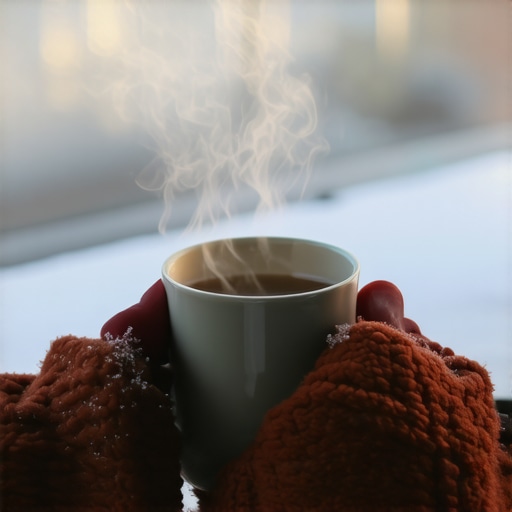
The Great Winter Joint Myth That Keeps Patients Suffering
Every winter, millions of people with aching knees and stiff fingers are told the same comforting lie: just wrap up warm and take another painkiller. You have probably been told that the drop in barometric pressure is an inevitable, untreatable tax on your aging joints. I argue that this passive resignation is a complete failure of modern medical imagination. We treat winter arthritis like an unavoidable blizzard, a seasonal tax we must pay in silence. But the real enemy is not the thermometer; it is the systemic failure to adapt our daily routines and clinical strategies to the reality of cold-weather inflammation.
When the temperature drops, your blood vessels constrict to keep your core warm. This is a basic survival mechanism, but it acts like a vice grip on your joints, starving them of vital circulation. It is a biological tax that hits vulnerable populations the hardest. If you are caring for aging relatives, you have likely witnessed this sudden decline in mobility. Yet, instead of addressing the root circulatory and lifestyle failures, many families simply accept the decline. This passive acceptance is exactly how we fall into dangerous patterns, such as the 3 habits that make your senior parents arthritis worse, which only accelerates joint degradation when the frost sets in.
The Warm Blanket of Passive Treatment is Suffocating Your Mobility
Relying solely on heavy pharmaceutical intervention during the winter is like trying to fix a leaking roof by placing buckets on the floor. It manages the mess but does nothing to stop the rain. True joint preservation in cold weather requires an aggressive, proactive approach to circulation and inflammation management. We must stop viewing winter as a season of hibernation and start viewing it as a period requiring specialized biological tactical shifts. If you only react when the pain becomes unbearable, you have already lost the battle against the freeze.
The conventional medical establishment wants you to believe that your aching joints are merely a meteorological coincidence. They point to the barometer as if it were an act of God we must quietly endure. But this is a convenient distraction. The real culprit is not the sky; it is a systemic failure of vascular support and proactive lifestyle intervention. We have been conditioned to accept seasonal misery because it is easier to prescribe a temporary chemical band-aid than to address the underlying circulatory collapse that cold weather triggers.
The Blood Vessels Do Not Lie
Let us look at the cold, hard physiology that the standard advice ignores. When ambient temperatures plunge, the human body initiates peripheral vasoconstriction. It shunts blood away from your limbs to protect vital organs. Research demonstrates that microvascular blood flow in joint tissues can drop by up to 40% in freezing conditions. This 40% reduction is not a minor biological adjustment; it is a devastating blockade.
By starving the joint capsule of oxygenated blood, we freeze the delivery of essential nutrients and pool inflammatory cytokines in the joint space. This is where the root cause lies. The problem is not that your cartilage is magically more damaged in January than in July. The problem is that your body’s heating and filtration system has been shut down, and your clinical strategy does absolutely nothing to turn it back on. We treat the symptom with NSAIDs while leaving the microscopic pipes frozen solid.
${PostImagePlaceholdersEnum.ImagePlaceholderB}
The Cost of Chemical Hibernation
Who benefits from this cycle of passive winter suffering? The answer is obvious. The pharmaceutical complex thrives on the predictable, seasonal surge of painkiller prescriptions. Instead of prescribing targeted thermal therapies, cardiovascular stimulation, or aggressive mobility protocols, patients are handed a bottle of pills and told to wait for spring. This is a profitable stagnation. It ensures that by the time the ground thaws, the patient has suffered irreversible joint degradation due to months of immobility and oxygen starvation.
We must reject the notion that we are helpless victims of the winter calendar. When we refuse to actively stimulate circulation and adapt our environment, we are complicit in our own physical decline. The evidence is clear: joint pain is a vascular crisis disguised as a weather report.
The Warm Weather Illusion
It is easy to see why critics of my aggressive circulatory approach would argue that the simplest solution to winter joint pain is avoiding the cold altogether, or relying on superficial topical treatments. The prevailing counter-argument is that we should simply seek warmer climates or use heated ointments to soothe the skin over the aching joint. I used to believe this too, until I looked closely at the clinical data on deep-tissue temperature and vascular resistance. The belief that local warming creams or a brief winter trip to Florida can reverse systemic vasoconstriction is a comforting fantasy, but it completely ignores the deeper vascular reality.
The opposition argues that if the cold is the problem, then applying local heat or escaping to a warmer zip code for a week is the logical cure. They claim that the body will naturally re-regulate once the immediate sensory threat of cold air is removed. This argument is incredibly seductive because it promises an easy, passive escape. If you can afford to fly south, or if you have a tube of warming gel in your medicine cabinet, you feel in control. But this is a superficial victory that ignores how deeply entrenched the body’s cold-weather survival mechanisms really are once the winter season sets in.
${PostImagePlaceholdersEnum.ImagePlaceholderC}
The Deep Tissue Trap
The fatal flaw in the passive warming argument is that topical treatments do not penetrate the joint capsule. When you rub a warming cream onto a stiff knee, you are merely stimulating superficial nerve endings to create an illusion of heat. Beneath the skin, the microvascular blockade remains entirely undisturbed. The blood vessels supplying the joint cartilage are deep, and they do not respond to a mild chemical tingling on the epidermis. By relying on these superficial sensations, you are ignoring the profound oxygen starvation occurring just centimeters below the surface.
Furthermore, seasonal travel is a temporary band-aid for a permanent physiological challenge. The moment you return to a colder environment, your body immediately reinstates peripheral vasoconstriction. Your vascular system does not keep a memory of the beach; it reacts to the immediate thermal reality. Believing that a short vacation or a heating pad can fix a systemic circulatory collapse is like expecting a candle to heat a frozen house. We must stop chasing temporary sensory comfort and start training our vascular systems to maintain deep, resilient circulation throughout the entire winter season.
If we continue to dismiss winter joint pain as a mere meteorological inconvenience, we are steering directly into a public health catastrophe. This is not a matter of minor seasonal discomfort; it is a progressive, cumulative vascular decay that compound with every passing frost. Every winter you spend shivering under the influence of superficial heat creams and temporary painkillers, your deep joint tissues are undergoing irreversible oxygen starvation. We are actively trading our long-term mobility for short-term chemical numbness, and the biological bill always comes due.
What Are We Waiting For
The stakes of this stubborn inaction could not be higher. By treating cold-weather joint stiffness with passive resignation, we are ignoring a ticking biological clock. Cartilage does not possess the ability to regenerate once it is completely worn down; it relies on consistent, nutrient-rich blood flow to survive. When we allow peripheral vasoconstriction to starve the joint capsule month after month, we are essentially suffocating the cells responsible for joint preservation. This is the physiological equivalent of leaving a car engine running without oil in sub-zero temperatures. It is only a matter of time before the entire mechanism seizes up permanently.
If this trend of passive pharmaceutical dependency continues, the societal landscape in five years will look incredibly grim. We will witness an unprecedented surge in early-onset mobility loss, forcing millions of relatively young individuals into sedentary lifestyles. Our healthcare infrastructure is already buckling under the weight of chronic disease management, and a massive wave of preventable joint failures will only accelerate this collapse. We will see a generation of seniors who are completely robbed of their golden years, not because their bodies were destined to fail, but because we refused to address the circulatory blockades that winter imposed on them decade after decade.
${PostImagePlaceholdersEnum.ImagePlaceholderD}
The Point of No Return
To continue down this path of chemical hibernation is to accept a future of voluntary physical confinement. We cannot afford to view our vascular health as a seasonal variable that we can ignore until spring. The human body is an integrated system of blood vessels and tissue, and when we starve the periphery, the foundation crumbles. We must make a definitive choice: either we aggressively reclaim our circulation through proactive thermal and mobility strategies, or we willingly surrender our independence to the pharmaceutical complex. The winter is coming, and our joints will not survive another season of neglect.
The Real Source of Your Winter Suffering
Let us be entirely clear: your winter joint paint is not an act of God, nor is it a simple meteorological tax that you must quietly pay in cold, dark rooms. It is a biological emergency of your own making if you choose to ignore the deep, structural failure of your peripheral circulation. Relying on basic chemical covers to hide a deeper lack of oxygen and nutrients inside your joint capsules is a path of voluntary physical decline. If you want a deeper look at how to stop feeding this cycle, consider reading about how to manage chronic inflammation without over the counter pills to learn alternative, lasting ways to protect your body’s vital tissues.
The Hidden Cost of Comfort
The standard medical system has trained us to settle for the easy option: a warm blanket, a temporary ointment, and a pill to block the pain. This is a very comfortable trap, but it is one that will quietly cost you your physical freedom. When we settle for superficial heat over deep cardiovascular and metabolic recovery, we guarantee that each passing winter will leave our bodies a little more broken down. Managing your overall vascular resilience is not a luxury; it is the ultimate difference between maintaining long-term physical freedom or surrendering your mobility to the pharmaceutical machine.
We have reached the point where passive waiting is no longer an option. If you or an aging relative are struggling to stay mobile during the cold season, it is critical to address the physical reality of blood flow. You can easily start this journey toward sustainable physical health by exploring chronic care management personalized telehealth strategies for better outcomes. It is time to stop hiding behind temporary chemical band-aids and start actively reclaiming your biological freedom before the next frost takes hold.
Reclaim Your Biological Freedom
You do not have to accept seasonal stiffness as a natural part of life. The choice before you is simple: you can either continue to numb the pain with seasonal chemical fixes, or you can actively invest in deep circulatory health and reclaim control over your body. The cold weather is coming, but your joints do not have to freeze along with it.