
What to Do When Your Child Has a Fever at Midnight
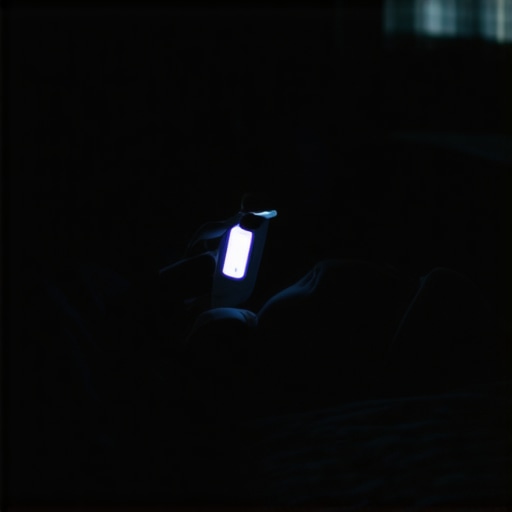
Midnight is not just a time; it is a psychological trap. When the house is dark and the rest of the world is asleep, a child’s elevated temperature feels like a ticking time bomb. You feel the heat radiating from their forehead, look at the glowing numbers of the thermometer, and instantly spirial into panic. You might think a late-night rush to the emergency room is the only responsible choice, but you are wrong. The collective panic surrounding pediatric fevers is a manufactured crisis, driven by a medical industrial complex that has conditioned parents to view a natural defense mechanism as an immediate threat.
I argue that the modern obsession with suppressing every minor spike in temperature does more harm than good. A fever is not the enemy; it is the body’s engine running exactly as designed to burn off an infection. When we rush to intervene with heavy medications or frantic midnight car rides, we are treating our own anxiety, not the child. We have traded basic biological understanding for systemic convenience, turning a standard physiological response into an expensive, stressful emergency.
The Thermometer is Your Worst Advisor
Let us be blunt: a thermometer is a blunt instrument that measures heat, not actual danger. Yet, parents treat it like a financial market ticker, reacting with hysteria to every quarter-point fluctuation. This obsession with numbers leads to dangerous over-medication and unnecessary trauma for the child. If you want to understand the physiological reality, you must recognize that the reason your child’s fever always spikes at 2 am has more to do with natural circadian rhythms and cortisol dips than a worsening illness. Your child is not sicker at midnight; their body is simply executing its nightly defenses.
By treating the temperature rather than the patient, we participate in a medical theater that costs families thousands of dollars and hours of lost sleep. We have been taught to ignore our instinct and instead submit to a checklist of fear. Instead of letting the immune system do its job, we try to micro-manage biology. This frantic intervention is like trying to put out a campfire with a fire hose; you end up soaking the entire campsite just to extinguish a few harmless embers. It is time to stop reacting to the thermometer and start observing the actual state of the child.
Why We Must Quit the Emergency Room Habit
Rushing to the local emergency department for a simple fever is a systemic failure. Not only do you expose a vulnerable child to actual hospital-acquired pathogens, but you also drain resources from those in critical need. Most of these midnight panics can be managed calmly at home. Understanding why most parents panic unnecessarily over a toddlers fever is the first step toward breaking this cycle of medical dependency. Once you realize that a high temperature is a sign of a robust, active immune system, the midnight panic dissolves into a manageable, quiet watchfulness. It is time to reclaim our agency as parents and refuse to let fear dictate our healthcare choices.
The core of this manufactured panic is not clinical necessity; it is a structural dependency on our anxiety. The problem is not the rising temperature of the child, the problem is actually the monetization of parental insecurity. We have built a multi-billion dollar urgent care industry that thrives on our inability to sit in a dark room with a warm child. When a commercial clinic opens on every suburban corner, they are not selling health; they are selling a temporary reprieve from our own unmanaged terror. They need you to believe that a thermometer reading of 102 degrees is a medical emergency because, without your panic, their late-night business model falls apart.
Where the Math Fails the Patient
Consider the raw numbers of pediatric emergency department admissions. National health data regularly demonstrates that over 60% of pediatric emergency visits for fevers are classified as non-urgent. This 60% saturation is not a minor statistical blip; it is a systemic collapse of common sense. Millions of families are funneled through a high-stress, high-cost pipeline for a physiological event that requires nothing more than rest and hydration. The system encourages this because a panic-driven visit is incredibly lucrative. A rapid flu swab, an unnecessary strep culture, and a dose of generic ibuprofen can easily run up a bill in the hundreds of dollars, all to tell you what your grandmother knew for free: your child is fighting off a cold.
${PostImagePlaceholdersEnum.ImagePlaceholderB}
We must look at the immediate alternative to this costly circus. The rise of modern clinical access points, which offer everything from basic urgent care and rapid lab tests to ongoing chronic care management and immediate telehealth services, should have theoretically relieved this pressure. But instead of educating parents through telehealth, these platforms are often used to feed the anxiety cycle, acting as digital triage desks that pass the buck and advise parents to go to the nearest physical clinic anyway. The technology has changed, but the underlying message remains the same: do not trust your own observation, always defer to the machine. We are being trained to treat our offspring like fragile, defective machinery that requires expert intervention at the first sign of warmth.
The Illusion of Chemical Safety
This systemic push has convinced us that a child’s natural defenses must be chemically flattened. We reach for the liquid acetaminophen with a hand that shakes, convinced that we are doing the right thing. It is a lie. The aggressive, round-the-clock administration of fever reducers does not cure the infection; it simply masks the symptoms while prolonging the viral shedding period. By artificially forcing the temperature down to satisfy a meaningless number on a plastic stick, we are actually working against the body’s evolutionary programming. We are trading the long-term robustness of our children’s immune development for a few hours of false comfort, proving that our primary goal is not clinical recovery, but the immediate cessation of our own discomfort.
It is easy to see why critics of my argument react with such intense hostility. They will tell you that defending a high fever is not just reckless; it is a dangerous gamble with a child’s neurological health. They point to febrile seizures—those terrifying, convulsive episodes that can occur when a toddler’s temperature spikes rapidly—as proof that fever is a monster that must be tamed immediately. It is a compelling, emotionally charged argument. No parent wants to witness their child shaking violently on a living room rug, and the sheer terror of that image is enough to make any rational person reach for the nearest bottle of liquid acetaminophen or run to the nearest clinic offering urgent care, lab tests, chronic care, or telehealth.
The Fear of Febrile Seizures Is a Paper Tiger
I used to believe this too, until I looked past the terrifying visuals and actually studied the clinical reality. The medical establishment leverages the fear of febrile seizures to keep parents in a perpetual state of hyper-vigilance, yet the science tells a completely different story. Febrile seizures, while deeply unsettling to witness, are almost entirely benign. They do not cause brain damage, they do not lower intelligence, and they do not cause epilepsy. More importantly, clinical studies have repeatedly shown that aggressively dosing a child with antipyretics does not actually prevent these seizures from occurring in the first place, because the seizure is triggered by the rapid rate of the temperature rise, not the absolute peak of the fever itself.
${PostImagePlaceholdersEnum.ImagePlaceholderC}
By treating the fever as an emergency to prevent a seizure, we are chasing a shadow. We subject children to unnecessary, invasive interventions in cold, sterile emergency rooms because we cannot distinguish between a scary symptom and a dangerous one. This is the common trap of modern parenting: we mistake our own visual discomfort for clinical severity. When we rush to a physical clinic because we cannot bear the sight of our child shivering, we are demanding that medicine cure our anxiety rather than treat the child’s self-limiting viral infection. The hard truth is that the child’s body is doing exactly what it evolved to do, and our desperate need to control the situation is the real pathology here.
If we refuse to break this toxic cycle of medical dependency, the consequences will extend far beyond a few sleepless nights and bloated credit card bills. By rushing to the emergency room for every elevated temperature, we are actively participating in the dismantling of our own parental intuition. We are raising a generation of children who will view their own bodies not as resilient, self-healing organisms, but as fragile, defective machines constantly on the verge of breakdown. This is the true tragedy of the manufactured fever crisis: the systemic erosion of human confidence in the face of basic biology.
The Point of No Return
Consider the trajectory we are currently on. In five years, if this trend goes unchecked, the neighborhood urgent care clinic will not just be a convenient option; it will be an absolute requirement for daily life. We are fast approaching a future where parental autonomy is entirely outsourced to algorithms and corporate medical portals. If we continue to treat every minor physiological fluctuation as an emergency, our healthcare infrastructure will buckle under the weight of our collective, unmanaged anxiety. True medical emergencies will be crowded out by parents seeking chemical reassurance for a common cold, turning our emergency rooms into expensive sanctuaries for the worried well.
${PostImagePlaceholdersEnum.ImagePlaceholderD}
This systemic capitulation is like installing a commercial fire sprinkler system in your living room to extinguish a single scented candle. You might successfully put out the tiny flame, but in doing so, you ruin the entire house, warp the floors, and destroy everything of value. Our current approach to pediatric fever does exactly this to a child’s developing immune system. By chemically suppressing every natural defense mechanism and exposing them to the sterile, pathogen-heavy environment of a hospital at midnight, we are weakening the very defenses we claim to protect.
What Are We Waiting For
The stakes could not be higher. We must choose whether we want to remain helpless consumers of medical security or reclaim our roles as confident, capable guardians of our children’s health. To continue on the current path is to accept a future of perpetual medicalization, where we are forever handcuffed to the thermometer and the prescription bottle. The choice is yours: you can continue to panic at midnight, or you can trust the brilliant, ancient design of the human body and let it do the work it was born to do.
When the sun rises after a long night of watching over a warm child, the temperature inevitably dips. The immediate crisis passes, the daylight brings perspective, and the frantic urge to seek emergency intervention dissolves. But the systemic machinery that fed your midnight terror remains fully intact, waiting for the next sunset to exploit your deepest insecurities.
The Threat of Outsourcing Our Intuition
We are standing at a critical cultural crossroads. If we continue to hand over our parental agency to corporate medical systems at the first sign of a minor physical challenge, we lose something irreplaceable. We trade our natural instincts for a clinical safety net that is often more interested in processing transactions than offering genuine, personalized reassurance. This structural dependence on quick fixes has completely distorted our relationship with basic human health.
This dangerous reliance on immediate, external validation is exactly why we must learn how to navigate modern healthcare on our own terms. There are times when professional care is necessary, but we must understand the difference between a self-limiting biological event and a true clinical emergency. For those moments when you actually require medical guidance, utilizing highly structured resources like chronic care management and personalized telehealth strategies can keep you out of the crowded emergency room while still protecting your family’s health.
The current system is incredibly skilled at turning our natural anxiety into a profitable business loop. We are taught to bypass our own critical thinking and defer entirely to the machine. Yet, the physical reality is that a child’s fever is a sign of biological vitality, not a systemic failure. When we frantically run to physical clinics for every minor warmth, we are essentially teaching our children that their bodies are inherently fragile and incapable of surviving without constant, aggressive medical intervention.
Reclaim Your Authority as a Parent
The solution is not to completely abandon modern medicine; it is to stop letting corporate anxiety dictate how we raise our families. We need to actively build our confidence and understand the basic physiological processes of our children. If you want to break the cycle of late-night panic, you must educate yourself on how to manage common childhood events calmly. A critical part of this is learning practical home skills, such as mastering the tactic for managing a child fever spike at 2 am, so you can make rational, level-headed decisions when the rest of the world is asleep.
By choosing calm observation over frantic, medicated panic, we reclaim our roles as the primary, capable protectors of our children. We must reject the commercial narrative that every warm forehead requires a midnight drive to a clinic. When we step back, take a deep breath, and allow the human body to perform its ancient, evolutionary work, we do more than just help a child heal; we preserve the integrity of our own parental intuition.
The choice is entirely yours. You can remain a passive, fearful consumer of the late-night medical industrial complex, or you can trust the brilliant, resilient design of the human body and reclaim your peace of mind.