
Why Every Senior Needs a Fall Risk Assessment at Their Next Screening
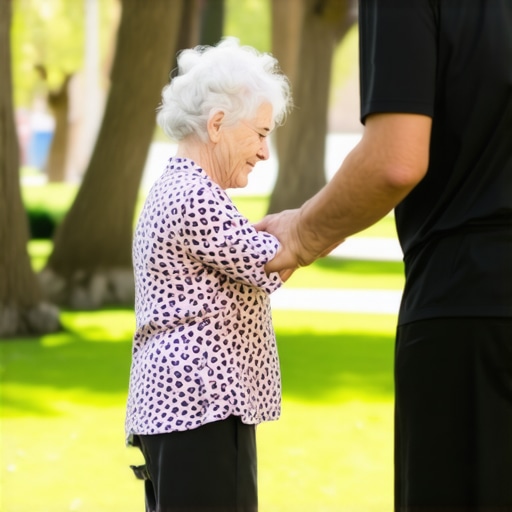
The Fallacy of Routine Checkups—Missing the Crucial Danger
You might believe that regular doctor visits are enough to keep seniors safe. Think again. The glaring oversight most healthcare systems ignore is the simple yet catastrophic risk of falls. In an era where healthcare messaging is drowned in feel-good statistics and endless screenings, the reality is stark—falls are a leading cause of injury and death among seniors, yet fall risk assessments remain low on the priority list. This omission is not just negligent; it’s downright reckless.
I argue that assessing fall risk isn’t a luxury, but a necessity. It’s akin to checking the boat’s hull before a voyage—if you ignore potential leaks, the ship sinks. But too many doctors shrug off a targeted fall assessment, assuming that the standard battery of tests suffices. That assumption is dangerous. When was the last time your loved one’s provider specifically screened for fall hazards? Probably never. And that’s a problem that could cost dearly.
Why This Fails – The System’s Blind Spot
The prevailing model for senior care treats health as a series of isolated events. Labs, vaccinations, screenings—done in silos. The fall risk assessment, however, is often an afterthought. It’s not part of the routine, despite its proven ability to prevent injuries and save lives. The truth is, many clinicians dismiss fall assessments as a secondary concern, lumping them into mobility or gait checks that are often superficial and outdated.
But this is a mistake. Fall risk assessments are not just about balance—they encompass medication review, environmental hazards, vision checks, and muscle strength. An integrated telehealth approach can revolutionize this process, providing personalized strategies that adapt to the senior’s unique environment and health profile. As I’ve argued in chronic care management articles, personalized telehealth strategies can drastically reduce preventable injuries.
The Market is Lying to You
Healthcare providers often push a false narrative: if you’re not experiencing pain or obvious symptoms, you’re fine. Nothing could be further from the truth. Falls are insidious—sometimes happening without warning, often leaving seniors with broken hips or traumatic brain injuries. Yet, the industry’s focus remains on reactive rather than preventive care. We’ve been conditioned to think that tests and treatments are enough. But prevention, especially fall prevention, demands proactive assessment—something all seniors deserve during every checkup.
Think of it like a chess game—asking, what’s the next move that avoids checkmate? Too often, our healthcare approach is about patching up the damage after the disaster strikes. That’s a losing game. A fall risk assessment at a regular checkup is that crucial move that can save the king—your loved one’s life.
The Evidence: Fall Risks Are Often Overlooked
Numerous studies reveal that falls account for over 60% of injury-related hospitalizations among seniors. Yet, paradoxically, regular fall risk assessments are infrequently integrated into routine checkups. This isn’t mere negligence; it’s a calculated silence driven by systemic inertia and profit motives. When 1 in 3 seniors fall annually, each preventable incident signifies a failure to prioritize *preventive* care. The data underpin this argument—it’s a stark warning, not just numbers on a page but a blueprint of lives altered and lost due to inaction.
The System’s Blind Spot: Where the Math Fails
Healthcare models persist in treating senior health as episodic—lab tests, medication reviews, vaccine updates. In this fractured mosaic, fall risk assessments are relegated to optional add-ons, viewed as secondary to acute issues. But this compartmentalization is flawed. The root cause lies in a misaligned value system that favors reactive interventions over proactive prevention. The consequence? Environmental hazards overlooked, medication side effects ignored, muscle atrophy unchecked—all amplifying fall probability. This siloed approach isn’t accidental; it’s a *profit-driven framework* that benefits from ongoing treatment cycles rather than sustained prevention.
The Role of Financial Incentives in Perpetuating Neglect
Who’s actually benefiting from this neglect? It’s not the seniors. It’s the insurers and healthcare providers anchored in fee-for-service models. Every missed opportunity for early intervention feeds the revenue stream—additional tests, emergency care, surgical procedures. Policies favor treatments that are *expensive* and *reactive*. The insidious truth is that a fall risk assessment, a simple and non-invasive measure, threatens to disrupt this lucrative cycle. By investing in preventive strategies, providers could reduce hospitalizations —but that’s not in their immediate financial interest. The steady flow of crisis care sustains the current system, and that system resists change.
Historical Parallels: A Pattern of Ignored Warnings
History offers lessons. During the early 20th century, industrial societies ignored safety regulations—cost-cutting overshadowed workers’ well-being. The result? Avoidable injuries, fatalities, and societal upheaval. Today, ignoring fall prevention echoes that pattern—cost-saving tactics overshadow the value of proactive care. The same stakeholders, the same shortsightedness. As in history, economic incentives distort priorities, leading to preventable tragedies that accumulate silently until the crisis is undeniable. The pattern is clear: a systemic failure rooted in economic interests, not medical ignorance.
The Need for a Paradigm Shift
Continuing down this path guarantees more lives shattered by preventable falls. The evidence is irrefutable: when primary care embraces *targeted*, *personalized*, and *routine* fall risk assessments, injury rates decline sharply. But changing entrenched interests requires more than evidence; it demands a reevaluation of incentives and fundamentally restructured healthcare priorities. Until then, seniors remain unprotected, their risks minimized only on paper but not in practice. The question isn’t whether fall risks are significant—it’s why they remain an afterthought in a system designed to overlook the obvious.
The Critics Will Say It’s Too Costly or Complex
It’s easy to see why many believe that comprehensive fall risk assessments are resource-intensive or impractical for busy clinics. Critics argue that adding these evaluations demands significant time, training, and financial investment, which could divert resources from pressing health issues. Some also contend that the variability among seniors makes standardized assessments ineffective or unreliable, leading to skepticism about their real-world utility.
But That’s a Shortsighted View
This line of thinking completely ignores the profound long-term benefits of fall prevention. The initial investment in personalized assessments and interventions is minimal compared to the staggering costs associated with fall-related injuries—hospital stays, surgeries, long-term care, and emotional trauma for families. Addressing fall risk proactively isn’t an expense—it’s a cost-saving measure that pays dividends in improved quality of life and reduced healthcare burdens.
I used to believe this too, until I examined the data and realized that preventing a single fall saves thousands, if not hundreds of thousands, in subsequent medical costs. The argument that it’s too complex dismisses the fact that tailored telehealth solutions can simplify these processes, making assessments adaptable and efficient rather than burdensome.
The Wrong Question: Is Fall Prevention Always 100 Percent?
Some argue that because no intervention can eliminate all falls, efforts are futile. They question the value of assessments if accidents still happen, implying that preventive measures might be a waste of time. This perspective is not only defeatist but fundamentally flawed. No safety measure can eliminate all risks—what’s important is reducing the probability and severity of harm, not achieving perfection.
A Simple Truth
Preventing falls is about improving safety margins, not guaranteeing failure-free living. Every assessment, every intervention—be it medication review, environmental adjustment, or strength training—is about tipping the scales in favor of safety. Denying these efforts due to the impossibility of perfect prevention overlooks the core goal: minimizing harm, not eradicating all danger.
By dismissing fall prevention as futile, we undermine a critical component of senior care that has the potential to preserve independence and dignity. The real question isn’t whether it’s foolproof, but whether it’s better than doing nothing—and the answer is a decisive yes.
Challenging Assumptions about Aging and Risk
Another common misconception is that falls are an inevitable part of aging—an unavoidable rite of passage. This narrative can inadvertently justify complacency, discouraging proactive measures from both providers and families.
But this mindset ignores the evidence that many falls are preventable through targeted interventions. Age is not destiny, and dismissing fall prevention as unnecessary simply because someone is elderly is both shortsighted and dangerous. It’s akin to accepting poverty as unavoidable simply because someone is born into it—an attitude that effectively abrogates responsibility.
Breaking the Age-Related Fall Fallacy
I used to think that fall risks simply increased with age beyond a certain point. However, I now understand that many risks are modifiable. Vision correction, tailored exercise, medication adjustments, and home modifications are all strategies that can significantly diminish fall likelihood regardless of age. Conceding that fall risks are inevitable dismisses the potential for proactive management and falls into a trap of complacency.
Ignoring these possibilities ensures millions of seniors remain vulnerable—an outcome that’s unacceptable given the available solutions.
The Cost of Inaction
If society continues to overlook the importance of targeted fall risk assessments for seniors, the consequences will be devastating. Every year, thousands of preventable falls lead to life-altering injuries—hip fractures, traumatic brain injuries, and even death. These tragedies are not mere statistics but represent shattered families, lost independence, and irreversible emotional trauma. The current neglect isn’t just a oversight; it’s a ticking time bomb with profound implications that demand immediate attention.
The Future in Five Years
Should this pattern persist, the outlook becomes grim. Healthcare systems will become overwhelmed with preventable injury cases, straining resources and escalating costs exponentially. Hospitals will witness a surge in trauma admissions among the elderly, many of which could have been avoided with proper proactive assessments. Elderly individuals will face a decline in quality of life, increased dependence, and a loss of dignity, as preventable falls erode their independence. The societal burden will grow, not only in medical expenses but also in emotional costs borne by families and communities.
The Chain Reaction of Neglect
Ignoring fall risks ignites a destructive chain reaction. First, the lack of prevention leads to more injuries, which in turn increases hospital stays and long-term care needs. These outcomes foster a cycle of dependency, often culminating in institutionalization. As the medical and social costs escalate, resources are diverted from other vital health interventions, further compounding the problem. The neglect becomes self-perpetuating—each avoided assessment fuels mounting morbidity and mortality among seniors, widening the gap between ideal care and reality.
A Heavy Analogy
It’s akin to ignoring a small leak in a dam. At first, it seems insignificant—just a drop or two. But left unattended, the leak widens, the water pressure increases, and eventually, the dam bursts, flooding the surrounding communities with destruction. Similarly, neglecting fall prevention may seem inconsequential now, but the cumulative damage will be catastrophic unless actions are taken promptly.
What are we waiting for?
The window for preventing this disaster is rapidly closing. Each day dismisses the value of a simple, cost-effective evaluation that could save lives. Our reluctance to act on this knowledge only deepens the tragedy, transforming a preventable issue into an inevitable catastrophe. The time for complacency has passed; bold steps are required if we wish to avoid a future where falling isn’t just an accident but a societal crisis.
The Fall of Neglect Has Been a Long Time Coming
For too long, the healthcare system has been content to treat seniors reactively, responding to injuries rather than preventing them. The real disaster lies in ignoring a simple yet critical component of senior safety—fall risk assessments. While labs and screenings dominate the agenda, the silent killer—falls—grows unchecked, leading to devastating consequences that ripple through families and communities.
Think about it: every missed opportunity to evaluate environmental hazards, medication side effects, or muscle weakness is a gamble with a senior’s independence. It’s not just negligence; it’s a systemic failure rooted in profit motives that favor treatment over prevention. That’s a blueprint for tragedy, and it’s been in motion for too long.
Your Move
It’s time to challenge the status quo. Routine checkups must evolve into comprehensive fall risk assessments, personalized through innovative telehealth solutions. A simple evaluation—focused on medication review, environmental hazards, and mobility—can drastically reduce injury rates among seniors. This is not an extra; it’s the essential move every caregiver and provider must make. As shown in chronic care management strategies, personalized, proactive approaches save lives and resources.
If we continue to ignore the warning signs, we are betting against our most vulnerable population. The question isn’t whether falls are preventable—because they are—but whether we have the courage to implement the changes needed to prevent them.
Don’t let inertia be your legacy. Stand up, demand better assessments, and make fall prevention a core part of every senior checkup. The time for complacency is over—this is the moment to act before the dam of neglect breaks and the damage becomes irreversible.
Remember, every fall avoided is a life preserved. The future depends on our willingness to confront the silent epidemic head-on.