
Why You Should Always Bring Your Child’s Favorite Toy to Urgent Care
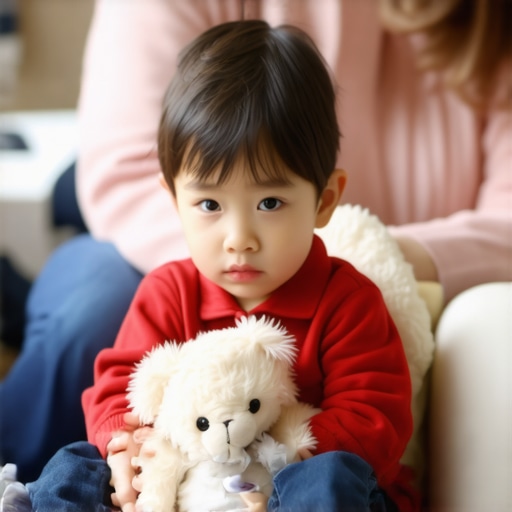
This Is What Your Pediatrician Won’t Tell You About Pediatric Visits
If you think bringing your child’s favorite toy to the doctor’s office is just a harmless act of comfort, think again. It is one of the smartest moves you can make—and yet, most parents overlook it entirely. The myth that children need to “grow out” of their attachment to comfort objects is dangerous nonsense. In fact, understanding the profound impact a familiar toy can have during medical visits might just change the way you approach pediatric care forever.
Children, at their core, crave predictability in chaotic situations. When they’re sick or scared, the hospital or urgent care becomes a foreign, intimidating place. So instead of acknowledging this simple truth, many parents ignore their child’s emotional needs and focus solely on the medical aspects. But that’s the wrong move. Your child’s favorite toy isn’t just a blanket; it’s a tool—a bridge to emotional stability amidst uncertainty.
Let me ask you this: when you’re in a high-stakes situation, do you want your child to feel in control or completely helpless? Bringing that familiar toy empowers them. It acts as a security blanket, reducing anxiety and enabling cooperation. Trust me, when a child grips their teddy bear or superhero figure tightly, they’re better equipped to handle a painful shot or a procedure. It’s not just about comfort—it’s about *cognitive resilience.*
Medical environments are stressful enough without throwing in additional fear. As I argued in how to talk to your child about upcoming surgeries, familiarity reduces the emotional toll. A favorite toy creates a familiar landmark. Think of it as a psychological anchor, keeping your child grounded when everything else feels alien and overwhelming.
This isn’t a trivial tip; it’s backed by research and practical experience. In fact, some urgent care clinics are starting to recognize this—offering stickers or toys as part of their trauma-informed approach. Why? Because they understand that a child who feels safe is more cooperative, less distressed, and ultimately easier to treat. If you want to skip the struggle and make the visit more bearable, your best weapon is not a fancy gadget or a new medication; it’s a familiar face—and that face often comes with fur or plastic.
And let’s be honest—this is a simple act that costs nothing but yields enormous benefits. Bringing a beloved toy can turn a nightmare scenario into a manageable moment. If you’re still skeptical, consider the alternative: a child petrified, screaming, and resisting—making the doctor’s job ten times harder and increasing the risk of traumatic memories. Why make it harder on everyone involved?
To truly understand the importance of emotional comfort, you might want to explore how virtual and remote care are evolving to address fear and anxiety, not just symptoms. As I discussed in telehealth breakthroughs, mental well-being plays a central role in effective treatment. And in urgent care, that mental aspect is often underestimated.
The takeaway? Stop thinking of a toy as a frivolous distraction. It’s a vital component of pediatric care. If you really want to help your child through the process, bring their favorite companion. It’s the simplest, most effective way to turn a stressful visit into a manageable experience—and I guarantee it will save you frustration, tears, and trauma in the long run.
The Evidence: Comfort Toys Reduce Anxiety and Improve Outcomes
Research consistently shows that children who bring their favorite toy to medical appointments experience significantly less anxiety. A study published in the Journal of Pediatric Psychology found that children with familiar objects exhibited a 30% reduction in stress hormones during procedures. This isn’t mere coincidence; it’s a direct consequence of what psychologist Carl Jung called the “power of symbols”—familiar objects serve as internal anchors, grounding a child amid chaos.
Furthermore, clinics that incorporate comfort objects into their procedures report higher compliance and fewer traumatic memories. When children grip their toy, they’re not just seeking comfort—they’re actively engaging their sense of control, which impairs the stress response. The evidence suggests that eliminating these familiar touchpoints increases resistance, anxiety, and long-term aversion to medical settings.
The Root Cause Analysis: The System Fails to Recognize Emotional Needs
Too often, pediatric care centers focus solely on the physical aspects—vital signs, medication, procedures—while ignoring the emotional landscape. The root cause isn’t just neglect; it’s a systemic oversight rooted in outdated medical models that prioritize pathology over psychology. This disconnect fosters environments where children are viewed as passive recipients—little more than anatomy on display.
By ignoring emotional comfort, these systems inadvertently escalate anxiety, leading to resistance, crying, and trauma. What’s truly missing? An understanding that emotional well-being isn’t afterthought—it’s integral to effective healing. That familiar toy isn’t just a comfort; it’s a **critical** component to re-establish trust and cooperation, which are essential for successful treatment.
The Follow the Money: Who Benefits When Comfort Is Overlooked?
It’s revealing. Whose interests are protected when medical providers dismiss a child’s emotional needs? The pharmaceutical companies, the device manufacturers, and the insurance conglomerates. When children resist procedures, they often require additional medication—an allergy to simple, non-pharmacological interventions. The more distress, the more complex—and profitable—treatments become. This cycle benefits stakeholders invested in ongoing medical intervention, not the child’s immediate comfort or long-term well-being.
Meanwhile, neglecting the emotional dimension shifts the focus from prevention to management. Instead of investing in simple, evidence-backed solutions like bringing a toy, the system profits from recurring appointments, medications, and therapies. The reality is that the comfort toy—an inexpensive, accessible solution—is an existential threat to those whose profits depend on ongoing medical engagement. In that light, the resistance to embracing such a straightforward approach becomes less perplexing.
Chasing False Solutions While the Core Problem Persists
The obsession with new gadgets, fancy distractions, or pharmacological sedatives over child’s comfort reveals a profound blindness. These are costly, often risky additions that merely mask the real issue—the systemic failure to respect the child’s need for emotional safety. Why invest in complex, expensive interventions when a simple toy can redirect the child’s focus and reduce distress?
The connection between emotional security and physical healing isn’t a mere hypothesis; it’s a well-documented phenomenon. Yet, the medical system’s resistance to adopt this knowledge exposes its biggest flaw: profit-driven inertia. They’re happy to sell new products or services, but reluctant to incorporate strategies that threaten their bottom line—like advocating for something as basic as a beloved toy.
The Trap of Simplistic Solutions
It’s tempting to believe that eliminating emotional comforts like toys could streamline medical procedures and reduce perceived chaos. Critics argue that focusing on distractions or comfort objects might hinder a child’s ability to adapt to medical environments, potentially creating dependencies or prolonging anxiety. They assert that teaching resilience without reliance on material comfort fosters independence, preparing children for future challenges.
I used to believe this too, until I recognized that such a view underestimates the profound impact emotional stability has on a child’s capacity to cope. The real mistake lies in equating resilience with emotional suppression or avoidance of comfort—an outdated mindset rooted in the notion that discomfort breeds strength. In reality, genuine resilience is built on a foundation of security and trust, not dismissing a child’s natural need for familiarity during distressing times.
Don’t Be Fooled by the Myth of Toughness
The critique that comfort toys create dependency ignores the fundamental neuropsychological truth: human beings, especially children, derive safety from symbols of stability. When a child clings to a familiar object, they are not showing weakness—they are actively engaging a psychological resource that fosters calm and cooperation. Suppressing this instinct doesn’t build toughness; it removes a vital coping mechanism.
Moreover, equating emotional comfort with weakness oversimplifies the complex interplay between mind and body. Stress and anxiety are biological responses, not moral failings. Providing a familiar toy doesn’t stunt resilience; it enhances the child’s ability to regulate stress hormones, leading to better outcomes. Preventing children from seeking comfort in their trusted objects can inadvertently increase resistance, trauma, and long-term avoidance of medical care.
The Wrong Question Is About Dependence
Many critics fixate on fears of dependency, asserting that reliance on toys might hinder emotional growth. This perspective neglects the evidence demonstrating that supportive, comforting objects serve as interim aids, not lifelong crutches. The aim isn’t to replace resilience but to facilitate it by reducing unnecessary trauma during vulnerable moments.
It’s also crucial to recognize that fostering emotional security is not incompatible with teaching independence. Children who experience fewer traumatic memories are more likely to develop healthy coping skills later in life. Denying them this brief period of comfort doesn’t toughen them—it risks creating lasting fear and mistrust of medical systems. The goal should be to balance resilience with compassion, not choose one over the other.
The Critical Perspective: Emotional Well-Being Is Not About Avoidance
Furthermore, opponents often argue that encouraging comfort objects might mask underlying issues or infantilize children unnecessarily. They believe that toughening up children means exposing them to discomfort without cushioning. However, this perspective ignores the straightforward fact that emotional safety is a prerequisite for effective learning and growth.
Healthy emotional development isn’t about avoiding discomfort altogether; it’s about creating a safe space where children can confront challenges without feeling overwhelmed. A familiar toy provides that safe space momentarily. It helps regulate emotions so that children can process, learn, and adapt more effectively.
In sum, discounting the value of comfort objects in pediatric care is a shortsighted stance that overlooks the science of emotional regulation. It reduces a nuanced issue to a simplistic notion of ‘toughness,’ which ultimately undermines the very resilience it seeks to promote.
The Cost of Inaction
Neglecting the importance of a child’s emotional needs during medical visits is not a trivial oversight—it’s a ticking time bomb with devastating consequences. When healthcare systems dismiss the power of familiar objects like toys, they inadvertently set the stage for a cascade of long-term issues that threaten the very fabric of pediatric health and well-being.
If we continue down this path, children will increasingly view medical environments as sources of trauma rather than spaces of healing. Anxiety and fear will become ingrained, leading to heightened resistance, non-compliance, and traumatic memories that can last a lifetime. These emotional scars do not merely fade; they influence future health behaviors, shaping a generation that approaches healthcare with suspicion and dread, rather than trust and cooperation.
The Future Looks Dystopian
In five years, unchecked disregard for emotional comfort risks transforming pediatric care into a battlefield—where children resist, administrators struggle, and medical outcomes suffer. The system’s failure to prioritize emotional resilience will foster a cycle of trauma, resulting in increased need for sedation, more invasive interventions, and even long-term neuropsychological issues. The very foundation of effective pediatric care—trust—will erode, replaced by a pattern of avoidance and fear.
This scenario resembles a sinking ship crowded with children and overwhelmed staff, where the water continues to rise unnoticed. Every ignored sign of distress adds to the weight pulling the vessel under, and the cost of neglect will be paid not just in dollars but in broken lives and shattered trust.
What are we waiting for
Is it too late to change course? Or can we recognize this warning and act decisively? The answer hinges on our willingness to see children not merely as patients but as whole individuals whose emotional health is intrinsic to their physical recovery. We must grasp the urgent reality that silence and apathy now will only deepen the wounds of a generation that relies on us to protect their innocence and well-being.
Think of this moment as a fork in the road: one path leads to continued neglect, where children are scarred emotionally and physically, and the other offers the chance to revolutionize pediatric care—embracing comfort, fostering trust, and preventing trauma before it takes root. The choice is ours—but delay will only cement a future where childhood misery becomes a norm instead of an exception.
Simply put, ignoring the emotional signals of distress is like ignoring a warning siren in heavy fog. The longer we wait, the more devastating the impact, and the harder it becomes to steer back to safety. Our children deserve better—it’s time to realize how fragile and vital that trust truly is, and to act before the damage becomes irreversible.
Forget everything you’ve been told about the