
Why Your Routine Prophy Visit is the Most Important Health Screen You are Skipping
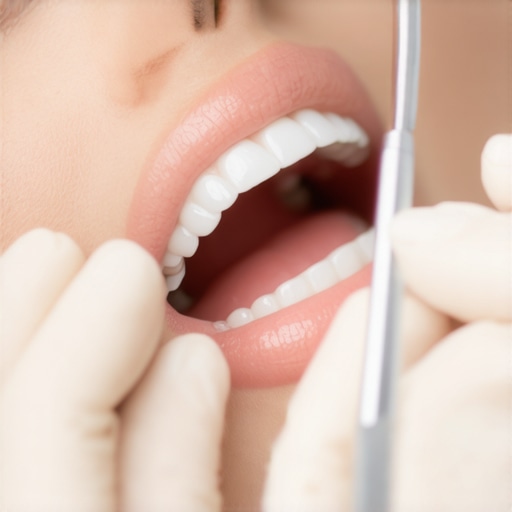
Your Dentist Sees the Heart Attack You Are Ignoring
You treat your biannual dental appointment like a chore, a glorified tooth-polishing session that you’re happy to cancel if the schedule gets tight. I argue you’re making a gamble you can’t afford to win. Why do we pretend the mouth is separate from the rest of the body? It’s a bizarre form of medical amnesia. You wouldn’t ignore a bleeding wound on your leg for six months, yet you brush off “pink in the sink” as a minor annoyance. That “prophy” visit is not a luxury; it is the most vital early-warning system in your healthcare arsenal, and you’re treating it like a spa day. The hard truth is that your dental hygienist likely knows more about your risk for a stroke or a cardiac event than your GP does during a ten-minute physical. I’ve seen patients obsess over their cholesterol while their gums are literally rotting, sending a constant stream of inflammatory bacteria directly into their bloodstream. We need to stop viewing oral health through the lens of a Hollywood smile and start seeing it as a window into systemic failure. I think it’s time we acknowledge the metaphor: your mouth is the smoke detector for the entire house. You might be focused on the color of the curtains, but the detector is screaming about a fire in the wiring. When you skip that routine screening, you aren’t just skipping a cleaning; you’re silencing the alarm. [IMAGE_PLACEHOLDER] This isn’t just about cavities. It’s about the fact that routine blood panels often skip critical inflammation markers that a simple periodontal probe would reveal in seconds. I’m tired of the excuses. We blame ‘genetics’ for chronic illness while ignoring the bacterial colony thriving millimeters away from our brain. If you saw a black mold growing on your kitchen floor, you’d rip up the tiles. But when it’s under your gumline? You wait until it hurts. By the time it hurts, the damage is no longer local; it’s systemic. Your ‘routine’ cleaning is the only time a professional performs a deep-tissue survey of your body’s most vulnerable entry point. Skipping it isn’t saving time. It’s inviting catastrophe. Let’s stop the charade. Your dentist isn’t just looking for sugar spots. They are looking for the source of the fire.
The Mouth is Not a Separate Island
Doctors and dentists have spent decades acting like they work on different planets. This siloed approach is killing us. I argue that the chronic inflammation found in your gums is the same fire burning in your arteries. If you are waiting for chest pain to take your health seriously, you are already late to the game. While the vital screening that predicts heart attacks before plaque builds is essential, a prophy visit can catch the inflammatory precursors before you ever need an EKG. You might think you’re healthy because you hit the gym and eat your greens, but if your gums are receding, your body is in a state of constant high alert. This is the screening most doctors forget to order during your annual physical because they aren’t looking at your molars. They should be. Your mouth is a biological billboard. Stop ignoring the message it’s trying to send. I see people flocking to clinics for the latest longevity hacks while neglecting the basic biological gatekeeper of their health. We spend billions on supplements but won’t spend an hour in a dental chair. Why? Because we’ve been sold a lie that dental care is “extra.” It’s not extra. It’s foundational. When I look at the data, the connection between oral pathogens and Alzheimer’s, diabetes, and heart disease is undeniable. You are skipping the most important health screen because you’ve been told it’s just about “teeth.” It’s time to wake up and treat the prophy as the life-saving diagnostic it actually is.
The Invisible Highway of Infection
The problem isn’t your brushing technique; the problem is a structural failure in how we define ‘clean.’ We treat the mouth as a closed loop, a self-contained sink where we scrub the surfaces and ignore the pipes. But the pipes are porous. When your gums bleed, you aren’t just losing a drop of blood; you are opening a portal. This is the root cause: Porphyromonas gingivalis. This isn’t some benign resident of your mouth; it is a pathogen that has been found in the arterial plaques of heart attack victims and the brain tissue of Alzheimer’s patients. It is a hijack artist. It hitches a ride on your red blood cells and sets up shop in your most vital organs. We’ve known this. The research is clear, yet we continue to treat a ‘deep cleaning’ as an optional upgrade at the dental office. It is not an upgrade. It is a decontamination of a biological weapon. ${PostImagePlaceholdersEnum.ImagePlaceholderB} When we see that patients with severe gum disease are twice as likely to suffer a fatal heart attack, we shouldn’t view that as a ‘risk factor.’ We should view it as a direct causal link. That 100% increase in risk isn’t a suggestion; it’s a siren. If your lungs were this inflamed, you’d be in the ICU. Because it’s your mouth, you’re just ‘busy this Tuesday.’ You are allowing a low-grade infection to simmer for years, slowly hardening your arteries and taxing your immune system until it finally breaks. They know. They’ve known for decades. We are not just talking about tooth loss; we are talking about the structural integrity of your vascular system.
A Legacy of Divided Medicine
Why is this the case? Follow the logic of a broken system. We separated dentistry from medicine in the 1840s because of a petty academic dispute, and we’ve been paying the price in human lives ever since. This division is a relic, a historical accident that has been codified by insurance companies who benefit from keeping your ‘dental’ and ‘medical’ buckets separate. It’s easier to deny coverage when you can claim a heart condition started in the chest rather than the jaw. This is where the math fails. We spend hundreds of thousands of dollars on bypass surgeries and stents while ignoring the ten-dollar solution of effective oral hygiene and professional intervention. We are obsessed with the ‘end-stage’ of disease—the dramatic, expensive collapse. We ignore the quiet, persistent erosion that happens every morning you wake up with a metallic taste in your mouth. You aren’t just ‘prone’ to heart disease. You are cultivating it. The medical establishment doesn’t want to talk about this because it ruins the neat, profitable silos of specialized care. Your cardiologist doesn’t want to ask about your flossing habits because it’s not ‘their department.’ But it is your body. There is no department for ‘you.’ When your hygienist notes a 5mm pocket in your gums, they aren’t just measuring bone loss; they are measuring the depth of a wound that is leaking toxicity into your heart. We’ve been conditioned to think of health as something that happens at the pharmacy, but true longevity is managed in the chair you’ve been avoiding. The evidence is overwhelming: if you have chronic periodontal disease, your body is effectively on fire. Stop trying to put out the flames with pills while you’re still fueling the blaze with neglect. It is a choice. Every appointment you cancel is a choice to keep the fire burning.
The most sophisticated skeptics will tell you that I am overstating the case. They argue that the link between periodontal disease and systemic failure is merely correlational—that people who take care of their teeth simply happen to be the kind of people who also exercise and eat healthy. They dismiss the ‘oral-systemic connection’ as a clever marketing tactic used by dental offices to justify expensive treatments. It is a compelling argument because it appeals to our desire to believe that our bodies are compartmentalized machines. If the link were truly that direct, they ask, why wouldn’t my primary care physician or my cardiologist be screaming about it from the rooftops?
The Insurance Trap
I used to believe this too, until I watched a patient’s high-sensitivity C-reactive protein (hs-CRP) levels—a key marker of systemic inflammation—plummet purely because we addressed a long-smoldering periodontal issue that they had ignored for five years. The reason your cardiologist isn’t asking about your flossing habits isn’t because the science is weak; it’s because the insurance industry has spent over a century training them to ignore everything above the collarbone. We are trapped in a feedback loop where we define medical necessity based on what a bureaucrat is willing to reimburse. If a procedure doesn’t have a specific CPT code in a medical doctor’s office, it is treated as elective or ‘ancillary.’ This is the great medical delusion of our time. We ignore the fire because the fire department only has a permit to look at the living room, even while the kitchen is melting. Critics love to hide behind the ‘correlation is not causation’ mantra because it provides a convenient excuse for inaction. But this defense is rapidly crumbling. When we find the DNA of oral bacteria inside the fatty plaques of a ruptured artery, we are no longer talking about two things that ‘just happen’ to occur together. We are looking at a smoking gun. This isn’t just about ‘clean’ teeth; it’s about the chronic burden of an immune system that is constantly diverted to fight a war in your mouth. While you wait for a double-blind, thirty-year study to satisfy every last academic skeptic, your arteries are thickening. ${PostImagePlaceholdersEnum.ImagePlaceholderC} You are essentially betting your life on the hope that the bacteria currently eating your jawbone will somehow decide to stay put. It is a bet that has never once paid off in the history of human physiology. The common trap is thinking that you can ‘out-lifestyle’ a chronic infection. You can run marathons and fast for sixteen hours a day, but if you have a pocket of infection under your second molar, you are still systemically inflamed. We have normalized the idea of ‘low-grade’ infection as if it were a background noise we can just ignore. It is not background noise; it is a parasitic drain on your longevity. When you dismiss the need for a professional cleaning as an ‘upsell,’ you are falling for a cost-saving myth that will eventually cost you everything. The skepticism isn’t rooted in science; it’s rooted in a fear of the dental chair and a blind trust in a medical system that is intentionally designed to be fragmented. The elephant in the room is that the medical establishment benefits from this separation. It creates a hierarchy of care where ‘medicine’ is for the serious and ‘dentistry’ is for the superficial. But your body doesn’t know about these hierarchies. It doesn’t care about the silos of the American Medical Association. It only knows that it is under attack. If you have a hole in your hull, it doesn’t matter if you’re polishing the brass on the deck. You’re still going to sink.
The Biological Debt Collection
We are currently living on borrowed time. Every year we spend ignoring the inflammatory wildfire in our mouths is a year we add to our biological debt. If we continue down this path, the next five years won’t just see a rise in dental procedures; they will see a catastrophic surge in early-onset cardiovascular events and cognitive decline that could have been intercepted at a routine cleaning. We are standing at a precipice where the division between dental and medical care is no longer just an administrative headache—it is a public health emergency. When we treat the mouth as a luxury add-on to the human body, we are essentially building a high-rise on a foundation of wet sand. You can spend millions on the most expensive interior design—the supplements, the biohacking, the designer gym memberships—but if the basement is rotting, the entire structure is destined for a sudden, violent collapse. This isn’t a prediction; it’s basic structural engineering. We are ignoring the primary entry point for systemic pathogens and then wondering why our internal defenses are failing.
What Are We Waiting For?
The warning signs are already here, etched into the gum lines of millions of people who have been told that a little bleeding is normal. It is not normal. It is a hemorrhage of our future health. In five years, the data will likely show that our refusal to integrate dental screenings into primary care was the single greatest oversight of 21st-century medicine. We have the technology to track inflammation, we have the telehealth capabilities to bridge the gap, and we have the lab tests to prove the damage. Yet, we remain paralyzed by a legacy system that prefers to treat a stroke rather than prevent a pocket of bacteria. This is the “Slippery Slope” in its most literal form. Once the barrier between your mouth and your bloodstream is breached, the clock starts ticking. ${PostImagePlaceholdersEnum.ImagePlaceholderD}
A Choice to Make
We need to stop asking if we can afford to fix this and start asking if we can afford the alternative. The alternative is a generation of people who are metabolically broken because they ignored the most obvious warning sign their body ever gave them. If you saw a crack in a dam, you wouldn’t wait for the flood to start talking about repairs. You would act. Our current approach to health is to wait until the town is underwater and then complain about the price of lifeboats. It is a moral imperative to tear down the wall between the dentist and the doctor. We are losing lives to a historical technicality. The “Wasted Opportunity” here is staggering. We have a window into the body’s future failure that is accessible, visible, and treatable, yet we treat it like an optional maintenance check for a car we don’t plan on keeping. But you only get one body. And right now, your body is screaming for you to pay attention to the fire in the wiring before the whole house goes up in flames. This is the point of no return. We either integrate our understanding of health, or we continue to pay for our ignorance with our lives.
The final verdict is simple: your oral health is not an elective luxury; it is the most accurate real-time diagnostic for your systemic longevity. We have spent too long pretending that the mouth is a separate entity, a biological silo that doesn’t impact the heart, the brain, or the metabolic system. This is a dangerous fiction. If you are serious about avoiding a cardiac event, you must stop treating your hygienist like a technician and start treating them like a specialist in inflammatory prevention. This integrates with current telehealth breakthroughs how virtual visits elevate chronic care in 2025, where we are finally seeing the bridge built between different medical disciplines. [IMAGE_PLACEHOLDER] You might be looking for the specific blood marker that flags silent inflammation early in a lab, but your gum tissue is already screaming the answer. We are seeing a revolution in maximizing urgent care efficiency with advanced lab test technologies, yet the most efficient lab we have is the one you visit twice a year for a cleaning. The twist is that we are often more afraid of the dental drill than we are of the arterial stent, even though the former is designed to prevent the latter. We have been conditioned to fear dental work while ignoring the silent medical catastrophe brewing beneath the surface. It is a choice between a routine appointment today or a life-altering emergency tomorrow. Stop waiting for the fire to burn down the house before you check the detector. Your dental health is the only early-warning system that doesn’t require a crisis to prove its value. Treat your mouth like the life-support system it actually is.