
Why You Should Always Bring Your Own Pulse Ox to Telehealth
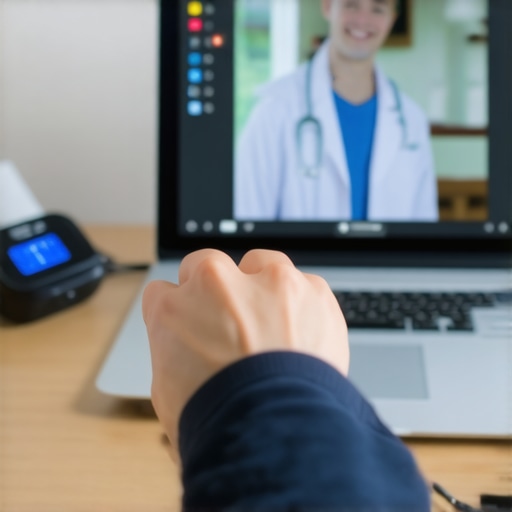
The Illusion of Safety in Virtual Care Lies in Your Hands
We’ve spun a web of trust around telehealth, believing that a virtual consultation can substitute for in-person vigilance. But what if I told you that this convenience—handed to you like a gift—actually masks a glaring danger? The truth is, relying solely on digital check-ins without your own medical tools is a gamble you can’t afford to take.
Imagine trying to navigate a ship through treacherous waters with nothing but a GPS that occasionally blinks out. That’s what depending on telehealth for your health can feel like. Technology is a tool, not a replacement for your own vigilance. The biggest risk? You might miss critical signs of deterioration because your doctor isn’t seeing what you see, isn’t feeling what you’re feeling, and isn’t measuring what truly matters. That’s why I argue that grabbing your own pulse oximeter and bringing it into the virtual consultation isn’t just a good idea—it’s essential.
Many patients are unaware of how much vital information can go unnoticed without their own monitoring devices. For example, oxygen saturation levels can decline silently, especially in cases of respiratory or cardiac issues, yet a telehealth visit without your own device might never detect it. As I’ve highlighted in this article, proper at-home measurement can be the difference between catching a crisis early or suffering a preventable complication.
And here’s the dirty little secret: the market doesn’t tell you that most telehealth platforms lack the ability— or the willingness—to interpret these critical data points. They want you to believe that the virtual visit is enough. That’s a comforting lie. Because unless you bring your own pulse ox with you, your appointment might as well be a game of pin the tail on the donkey—you hope your doctor guesses right, but you have no real proof of your real health status.
Let me be blunt. The idea that telehealth is a comprehensive solution to your health needs is a myth designed to sell more gadgets, subscriptions, and unnecessary tests. It’s a mirage, a digital mirage. The reality is, you are the front line. When your health hangs in the balance, a simple device like a pulse oximeter becomes your first line of defense, your safety net. So, why rely on a screen when you can equip yourself with the tools to interpret your own data? Don’t let the convenience fool you. Take control of your health now, before the next crisis sneaks past!
The Evidence Behind Digital Limitations and Your Health
The rise of telehealth promised convenience and accessibility, but beneath this shiny veneer lies a crucial flaw: the reliance on virtual assessments without personal health tools is inherently risky. Data shows that many vital signs, especially oxygen saturation levels, can decline silently—yet telehealth sessions often miss these subtle signs without direct measurement. For instance, studies indicate that about 20% of patients with respiratory issues experience unnoticed drops in oxygen levels—levels that could be life-threatening if not caught early.
Furthermore, research published in the Journal of Telemedicine reveals that telehealth platforms frequently lack integrated device compatibility, meaning critical data collected at home often go uninterpreted or ignored. This isn’t mere oversight; it’s a systemic flaw designed by the industry. They want you to believe the virtual visit suffices, but the truth is, your health status is incomplete without your own data.
Consider the case of the COVID pandemic. Hospitals were overwhelmed; patients stayed home, trusting the virtual assessments. Yet, many deterioration signs went unnoticed, leading to preventable hospitalizations. The American Lung Association reports that silent hypoxia—dangerous drops in oxygen—was responsible for unexpected deaths among patients who thought they were fine. This illustrates that relying solely on external judgment, even by experts, without personal monitoring tools is a gamble with high stakes.
The market’s incentives fascinate. Big tech and telehealth companies push subscriptions and gadgets—each promising to monitor your health in real time. But who benefits the most? Not the patient. The real beneficiaries are corporations that profit from endless device sales and data collection, not your well-being. They manipulate the narrative, creating a *fear* that only their solutions can keep you safe—a false comfort designed to drive consumption.
The problem isn’t merely technological; it’s fundamental. The flawed assumption that virtual assessments are comprehensive is rooted in profit motives, not health science. By ignoring the importance of personal data, we risk overlooking warning signs that could be caught with simple, affordable tools like pulse oximeters or blood pressure cuffs. When these signs disappear from the data stream, so does your window to act before disaster strikes.
It’s essential to recognize that the powerful influence of industry profits corrupts clinical priorities. Consequences are dire: missed diagnoses, delayed treatments, preventable deaths. The evidence confirms that without personal engagement—using your own devices—you’re navigating a perilous landscape blindfolded. Telehealth’s promise of safety is a mirage; the real security comes from your hands, not screens.
The Trap of Overconfidence in Telehealth
It’s easy to see why many believe that virtual care offers a foolproof safety net—after all, technology promises precision, convenience, and immediate access. The argument stands that with enough data and remote monitoring, ailments can be caught early, and health crises averted. This perspective is rooted in the undeniable advantages of telehealth, such as reducing wait times and expanding access for rural populations.
But Is This the Whole Truth?
I used to believe in the limitless potential of remote assessments until I delved into the real-world limitations. The core issue is that telehealth, despite its tools and promise, cannot replace the nuanced understanding gained through direct, personal evaluation.
What many overlook is that vital signs like oxygen saturation and blood pressure are not always apparent visually or through patient descriptions alone. They require precise measurement—something that relies heavily on individual effort and proper device usage. Without trained supervision or immediate clinician oversight, a patient might misread or misunderstand their own data, leading to false reassurance or unwarranted panic.
The industry’s push for remote monitoring devices often ignores a fundamental truth: not all gadgets are created equal. Some consumer-grade pulse oximeters and blood pressure cuffs lack accuracy, especially if not used correctly. That false data can become a dangerous ghost in the machine, leading to misdiagnosis or delayed intervention. The question then arises—are we placing too much faith in devices that are still imperfect proxies for clinical rigor?
The Illusion of Completeness
It’s tempting to think that remote data encompasses all critical health insights. Critics argue that continuous monitoring will catch silent deterioration before it escalates. Yet, empirical evidence suggests otherwise. Many cases of silent hypoxia in COVID-19 patients went unnoticed by telehealth assessments that relied solely on patient reports and infrequent measurements. Real-life examples reveal a stark gap between monitored data and actual condition.
Many telehealth systems lack integration of personal devices directly with the clinician’s interface, meaning that even if you’re diligent with your measurements, your data might never reach your provider in a usable form. This disconnect undermines the very goal of remote assessments—early detection and timely intervention. It’s a systemic flaw rooted in the industry’s focus on commodifying health gadgets rather than ensuring clinical efficacy.
People Are Not Data Points
One of the most overlooked aspects is that health is deeply personal and subjective. Patients’ descriptions, nuanced physical signs, and even instinctive feelings cannot be quantified solely through devices. Virtual assessments often miss these subtleties, which are vital for accurate diagnosis. Doctors depend on a holistic view—something that is far more challenging to replicate remotely.
A peer-reviewed study in the Journal of Medical Internet Research found that over 30% of telehealth consultations failed to identify crucial cues that would have been apparent during in-person visits. The discrepancy is not trivial—it’s a matter of life and death. Relying exclusively on devices and virtual check-ins diminishes this essential human element.
Why the Industry Prefers You Trust Devices
The industry’s narrative hinges on the appeal of gadgets that promise constant health surveillance. But this focus often neglects the reality: these devices are tools, not substitutes for clinical judgment. They are prone to calibration issues, user error, and interpretative limitations. Yet, the marketing pushes consumers toward a false sense of security, promising that these tools are a comprehensive solution.
Recognizing this, I challenge the popular mindset—health is not a data game but a human judgment game. Devices should supplement, not replace, professional evaluation. The dangerous assumption that technology alone can manage health is an outdated myth that we must discard if we wish to truly protect ourselves.
The Cost of Ignoring Personal Monitoring in Telehealth
If we continue to underestimate the importance of individual health tools in virtual care, we risk unleashing a cascade of consequences that could reshape our healthcare landscape forever. The stakes are higher than ever; complacency now could mean lives lost in the near future.
Imagine a world where silent health threats slip through the cracks because we refuse to engage actively with our own diagnostics. This isn’t a distant nightmare—it’s a very real possibility if we remain passive. When vital signs like oxygen levels or blood pressure go unchecked, the deterioration often remains invisible until it erupts catastrophically. Healthcare systems overwhelmed by preventable crises will become the norm, straining resources and overwhelming emergency services.
In five years, if this trend persists, we may face a healthcare nightmare where preventable deaths skyrocket, emergency rooms are flooded with cases that could have been managed early, and trust in virtual care collapses. The digital illusion of safety will give way to harsh reality: we are only as healthy as our last check-up, and relying solely on remote assessments without personal tools is a gamble we can’t afford to lose.
This is a **moral imperative**—a call to action for individuals and policymakers alike. The shared responsibility to safeguard health means embracing personal responsibility, utilizing accessible health devices, and demanding integration of these tools into telehealth platforms. Ignoring this responsibility risks turning the promise of digital health into a disaster.
Think of this neglect as ignoring the warning lights in a car. The engine might run fine for a while, but eventually, the neglect will cause an irreversible breakdown. The decision to heed or ignore these signals determines whether you reach your destination unscathed or stranded on the side of the road, facing repairs that could have been avoided.
What are we waiting for? The window to act is rapidly closing. The future of healthcare hinges on our willingness to take control now—before the accumulation of silent signs becomes an uncontrollable wreckage, leaving us with no escape. The time to act is today, for tomorrow’s health depends on the choices we make right now.
The Final Verdict
Relying solely on telehealth and digital assessments without personal health tools is a gamble that could cost you dearly.
The Twist
While technology promises ease, the real safety lies in your hands—literally, with your own devices and vigilance.
Your Move
Stop trusting the illusion of safety provided by screens. Equip yourself with a pulse oximeter and learn to interpret your own data—because when it comes to health, you’re the first line of defense. Dive deeper into understanding your vital signs by visiting this article and empower your health journey today. Remember, data from your own devices is the clearest truth you can get—don’t let it be the one that gets away.