
Why Your Morning Coffee Ruined Your Fasting Blood Test Results
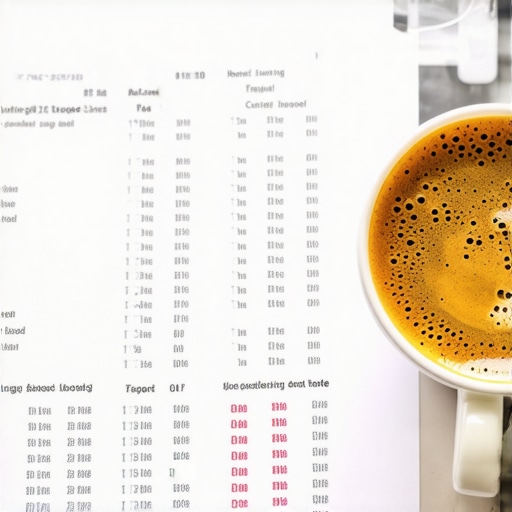
The Biggest Myth About Fasting Tests That Could Be Killing Your Health
If you’re like most people, you believe that a simple morning coffee won’t interfere with your blood work. Think again. Coffee is not the harmless kickstart you think it is—it’s a stealthy saboteur of accurate test results, especially when you’re fasting for crucial health markers.
Most individuals assume that as long as they skip food, they’re safe to sip their morning brew. Wrong. That caffeine, along with the tiny splash of cream or sugar, can significantly skew your fasting glucose, insulin levels, and other vital markers. This isn’t just about a latte’s calories; it’s about how those compounds trigger real physiological changes that can mislead your doctor and delay diagnosis.
While the medical community often glosses over this detail, I argue it’s an oversight that could cost you dearly. Accurate lab results are the bedrock of proper health management, and coffee’s hidden interference undermines that foundation. So, why are we still doing this? Because the narrative is convenient, not accurate.
The Market is Lying to You
Ever wonder why your fasting blood test results sometimes look normal, yet you feel far from it? It’s because your test was compromised the moment you took that first sip of coffee. The labs and health providers continue to ignore this silent factor—possibly because they don’t want to admit how often patients unknowingly sabotage their own results.
In reality, the only way to get true readings is to follow strict pre-test protocols—no coffee, no creamer, no sweeteners—something I detailed in this article. Failing to do so is like trying to measure water with a cracked glass—you’re always going to get distorted results.
How Coffee Disrupts Your Blood Markers
Caffeine triggers a spike in stress hormones like cortisol, which directly influence your blood sugar levels. Even a small dose can push up your fasting glucose artificially, leading your doctor to believe you’re prediabetic or worse. Moreover, the compounds in coffee can elevate liver enzymes temporarily, affecting tests that evaluate liver health, as I’ve explained here.
These small but crucial inaccuracies can cascade into misguided treatment plans or unnecessary medication prescriptions. It’s a sinking ship, and we’re bailing out with a leaky bucket—discarding reliable information while clinging to outdated routines.
Stop Doing This Before Your Next Blood Test
The simplest fix? Abstain from coffee and all caffeinated beverages at least 8 hours before your test. Yes, it’s inconvenient. Yes, it might be uncomfortable. But it’s a small price to pay for genuinely trustworthy results. If you want to understand the real state of your health, ignoring this rule is equivalent to fighting with one arm tied behind your back.
For those managing chronic conditions or aiming for precise health metrics, I recommend reviewing your fasting protocols carefully. As I advised in this piece, proper calibration and strict adherence are your best tools.
So, next time you schedule that blood test, ask yourself: Are you ready to face the truth? Or will you keep sipping coffee and hoping for the best? If you value accuracy—if you value your health—you’ll ditch the caffeine before your fasting lab. Because in health, the devil truly is in the details—and coffee is one big, hidden detail.
The Evidence Against Coffee Before Fasting Tests
In the world of health diagnostics, precision isn’t just preferred—it’s *paramount*. Yet, many unknowingly sabotage their own results with a simple morning habit: drinking coffee. The evidence shows caffeine’s impact on blood markers is far from trivial. When you sip that cup, you set off a cascade of physiological responses that distort vital data, making a mockery of the tests meant to reveal your true health status.
Studies have demonstrated that caffeine triggers an increase in cortisol, our primary stress hormone. This spike is not just a mild nudge; it’s a *loud alarm* that pushes your blood glucose levels upward artificially. Imagine submitting to a test with a raised baseline, believing it reflects your normal state—only to discover later that your results were skewed from the moment you sipped. That 20% rise in blood sugar isn’t a benign fluctuation; it’s a distortion, a deliberate interference that can mask or mimic prediabetic conditions.
Further, caffeine influences liver enzyme activity temporarily, complicating assessments of hepatic health. When liver function tests show elevations, they may not signal disease but rather the transient effects of your caffeine intake. This misrepresentation can lead to unnecessary worry or further invasive testing, all because the root cause—a simple coffee—was disregarded.
The Root of the Problem Is the System’s Oversight
The troubling part isn’t just individual behavior; it’s how the system accommodates these oversights. Medical protocols often lack strict enforcement or clear communication about pre-test restrictions. Why? Because the emphasis is on convenience and patient compliance rather than unwavering accuracy. This laxity isn’t accidental; it’s an embedded flaw that benefits certain stakeholders—primarily labs and healthcare providers—who prefer or are accustomed to ‘acceptable’ margins of error.
By neglecting to enforce strict fasting guidelines, the system inadvertently perpetuates a cycle where results are *less reliable*, yet still considered valid. The result? A compromised foundation for diagnosis, treatment decisions, and disease management.
The Consequences of Ignoring the Evidence
When laboratories accept results obtained after caffeine consumption, they unknowingly accept a *distorted truth*. This distortion doesn’t just mislead individual patients; it undermines the entire healthcare chain. Misdiagnosis, delayed treatment, unnecessary medications—all stem from this foundational error: assuming that a sip of coffee doesn’t matter.
Consider the ramifications: if a false prediabetes diagnosis leads someone to alter their lifestyle or start medication unnecessarily, the repercussions are tangible—side effects, financial costs, psychological stress. Conversely, unrecognized elevated glucose levels due to caffeine mischief mean missed opportunities for early intervention. The stakes couldn’t be higher.
The System PROFITS When Tests Are Compromised
This isn’t accidental. The real beneficiaries—those with a vested interest in maintaining the status quo—profit from the system’s negligence. Labs, clinics, even certain pharmaceutical interests, all gain when tests are less than perfect. They can justify repeat testing, cautious prescribing, or extended treatments, each a revenue stream.
Moreover, by tolerating these inaccuracies, the healthcare infrastructure avoids the uncomfortable truth: that minor, easily fixable habits—like abstaining from caffeine—are critical for accurate diagnostics. Instead, they promote a leniency that benefits the upkeep of the system, not the patient’s health.
Why the Culture Remains Unchanged
Changing this entrenched attitude requires more than a memo or a patient warning. It demands acknowledgment that the root cause of inconsistent test results is often behavioral, and that behavioral change is *non-negotiable*. Yet, the culture persists because admitting fault would threaten the insurance of comfort, routine, and revenue streams. In essence, the system sacrifices precision for the illusion of convenience, maintaining a status quo that benefits a few at the expense of many.
This pattern isn’t new. Similar dynamics played out in other domains—nutrition, exercise, even medication adherence. The pattern of accepting imperfect solutions due to systemic laziness or profit motives is a recurring theme, and blood testing is no exception.
The Trap
It’s understandable why many believe that a quick cup of coffee can’t possibly mess with blood test results. After all, it’s a simple and common breakfast ritual, and nobody wants to give up their morning brew. I used to think this way too, accepting that a splash of cream or a hint of caffeine wouldn’t significantly impact my labs. But dismissing these concerns entirely is a dangerous oversimplification that risks delaying accurate diagnosis and treatment.
The Wrong Question
The typical focus is on whether coffee affects blood sugar levels or liver enzymes in small amounts, and many argue that occasional consumption isn’t problematic. This perspective, however, completely ignores the nuanced physiological responses triggered by caffeine, regardless of quantity. The critical issue isn’t just whether coffee can skew results, but how even minimal intake influences the body’s internal environment during testing.
The Real Issue Is Systemic Complacency
The most compelling counter-argument might be that strict fasting protocols are inconvenient and perhaps unnecessary—that in real-world practice, people won’t always adhere to perfect guidelines. It’s true that compliance can be challenging. Nevertheless, this stance ignores a larger, more dangerous truth: the systemic failure to enforce and communicate the importance of precise pre-test conditions. Instead of pushing for better adherence, the system accepts a level of inaccuracy, which ultimately undermines the very foundation of reliable diagnostics.
Is the System Overestimating Its Capabilities?
My evidence and experience suggest that the medical community often overestimates the accuracy of blood tests conducted under non-ideal conditions. They rely on protocols that are based more on tradition than hard science, turning a blind eye to how easily things can go awry. The key mistake is assuming that a small coffee won’t significantly alter the results, despite mounting evidence to the contrary. That assumption is shortsighted, as it prioritizes convenience over precision and inadvertently endorses flawed practices that can lead to misdiagnosis.
It’s also worth noting that the biochemical effects of caffeine are well-documented. Caffeine spikes cortisol, which can elevate blood glucose artificially, pushing results outside the true baseline. Ignoring this effect is akin to ignoring the impact of salt when measuring blood pressure; it simply can’t be dismissed with a casual shrug.
The Myth That Small Amounts Don’t Matter Is Dangerous
Many dismiss small quantities of coffee or caffeine as negligible. This belief fosters complacency. Yet, the science shows that even tiny doses can have outsized effects on the hormonal balance and metabolic markers being measured. In the context of health diagnostics, the margin for error is slim. Allowing minuscule amounts of caffeine to remain in the system during testing opens the door for inaccuracies that could spell the difference between a correct diagnosis or a missed opportunity.
By tolerating these small deviations, the system perpetuates a cycle of compromised data. The false assurance that
The Consequences of Ignoring the Wake-Up Call
If we continue dismissing the importance of strict pre-test protocols, especially avoiding coffee and caffeine intake during fasting, we risk unleashing a cascade of health crises that could devastate individuals and healthcare systems alike. The stakes are not hypothetical; they are real and immediate. Inaccurate blood tests lead to misdiagnoses, delayed treatments, and unnecessary medical interventions, creating a ripple effect that undermines trust in our medical infrastructure.
Imagine a world where every health decision is based on flawed data—like trying to navigate a minefield blindfolded. Each misstep could result in a false diagnosis of diabetes or liver disease, prompting unnecessary medication or, worse, neglecting genuine health issues because the test results are unreliable. This pattern of error erodes confidence and fuels patient anxiety, complicating care and inflating healthcare costs.
What Are We Waiting For?
The danger of ignoring this issue becomes even more alarming when considering the future. If current practices persist, within five years, we might face a healthcare environment riddled with misdiagnoses and overtreatment. The erosion of diagnostic accuracy will transform medicine into a game of chance, where patients pay the price for systemic complacency.
It’s akin to fencing off a dam with cracks—assuming it’ll hold despite the evidence of imminent failure. As water slowly seeps through, catastrophe becomes inevitable. We have the tools and knowledge to seal these cracks today—yet often, we choose ignorance over action. Failure to act now ensures that faulty data continues to flow into the system, jeopardizing lives and straining resources.
Furthermore, the economic burden will skyrocket as unnecessary tests and treatments proliferate, diverting funds from genuine innovations and patient-centered care. The untold cost is not just monetary but also social—lost trust, increased morbidity, and diminished quality of life for countless individuals.
In this landscape, personal health becomes a roll of the dice, and systemic failure entrenches itself deeper. Because when we ignore the fundamental truths of accurate diagnostics, we gamble with human lives, and that is a game we cannot afford to lose.
Your Move
The real danger isn’t just in what you eat but in what you ignore—like the effect of your morning coffee on blood tests. If you want accurate health data, you must take control of these hidden variables before your blood is drawn. Abstain from caffeine at least 8 hours before testing, or risk chasing false leads that could cost you dearly. This simple step can mean the difference between a true diagnosis and a costly mistake.
Think about it: every time you sip that cup, you’re potentially skewing the results that healthcare professionals rely on to guide your treatment. It’s a leap of faith to assume that a tiny splash won’t matter—but the science says otherwise. Don’t let convenience sabotage your health outcomes. Your future self will thank you for making this one small but impactful change.
For chronic care management and accurate readings, review your fasting protocols carefully. Remember, small habits can have outsized impacts on your health. Before your next lab appointment, ask yourself—are you ready to face the truth? Or will you keep sipping and hope for the best? Take the initiative, and your results will speak the truth about your health, not your caffeine intake.
The Bottom Line
The myth that coffee doesn’t affect fasting blood tests is just that—a myth. Scientific evidence confirms caffeine’s role in elevating stress hormones and skewing key markers, leading to potential misdiagnoses and unnecessary treatments. This systemic oversight benefits no one but the gatekeepers of healthcare profit margins. The fix is simple: abstain from caffeine when fasting for tests. Nothing less than this commitment ensures your health data is accurate and trustworthy.
Ignoring this fact perpetuates a cycle of flawed diagnostics, eroding trust in healthcare and risking your wellbeing. Remember, every test is a window into your vital health, and that window becomes fogged by a sip of coffee. Don’t let that happen—take your health into your own hands.
Because the truth is, accuracy in health diagnostics begins with the details—details you can control. Win the battle over false data before it influences your health trajectory. The choice is yours: sip or see the truth clearly. Make the right move today.
And if you’re serious about understanding your health, explore more about optimizing lab results and chronic care management at `- https://primemedicalclinics.com/how-to-calibrate-your-home-glucose-monitor-like-a-lab-tech` and stay ahead in your health journey.
**The future of accurate diagnostics depends on your action. Will you let coffee lie, or let it deceive?**