
3 Signs It’s Time to Re-evaluate Your Parent’s Living Situation
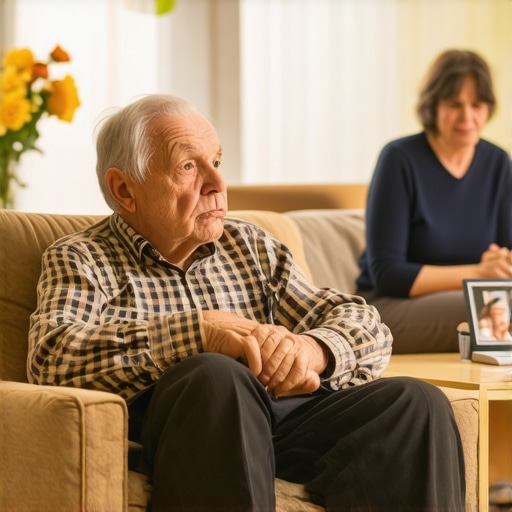
Why Ignoring Your Parent’s Living Conditions Could Be Dangerous
Many adult children believe that as long as Mom and Dad seem okay, their living arrangement is fine. But silence isn’t always safety. The comfortable facade often masks warning signs of decline or deeper issues. Here’s a hard truth: if you’re not paying attention, you might be enabling a silent crisis.
Re-evaluating where your aging parent lives isn’t about rainor alarms; it’s about proactively safeguarding their health and independence. Too often, well-meaning families dismiss subtle cues until tragedy strikes. This complacency is a gamble with their well-being.
Let’s cut through the clichés. No, aging doesn’t always mean needing full-time care. But inattention to specific signs can turn a manageable situation into a hospital visit. You might think your parent’s home is ideal, but is it really safe and supportive? That’s the question I pose to every caring adult.
To be clear: this isn’t about pushing them into assisted living tomorrow. It’s about honest assessment. And if you ignore these signs, you’re risking far more than you realize.
The Market Is Lying to You About Aging in Place
Smart marketing suggests that staying at home is always best. But what if that “best” isn’t safe? Telehealth, advanced lab testing, and personal monitoring have transformed chronic care strategies. As I argued in chronic care management, proactive health assessments can prevent emergencies. But these tools are useless if your parent’s environment doesn’t support their needs.
Think about it: a house packed with hazards, poor lighting, mobility barriers—are these not as perilous as neglect? No amount of remote monitoring can compensate for a physically unsafe space. So, why are we still clinging to the idea that aging at home is always preferable? The market might have you convinced, but reality tells a more complex story.
Three Signs That Signal It’s Time for Re-assessment
When Safety Becomes a Question Mark
If your parent starts to forget to turn off the stove, leave items within reach that could cause falls, or refuses to address household hazards, it’s more than mere forgetfulness. These are symptoms of decline that demand immediate attention. Ignoring them jeopardizes their safety and could lead to hospitalization. Don’t dismiss these signs as “normal aging,” because they are not.
A Decline in Daily Functioning
Are they neglecting personal hygiene, forgetting appointments, or managing medications poorly? These red flags indicate that assistance might be needed. Telehealth innovations, like remote chronic care monitoring, can help, but only if their living environment supports such interventions. If they resist or forget to use these tools, it’s a sign they need closer supervision.
Increased Social Isolation
When your parent withdraws from friends, family, or community activities, loneliness can become a silent killer. While some might see this as independence, it can mask depression, cognitive decline, or physical limitations that warrant reevaluation of living arrangements. This social disconnect is often overlooked but can be as dangerous as a medical condition.
So, what should you do if these signs appear? Start with honest conversations. Consider a professional assessment. The goal isn’t to uproot their lives but to ensure their environment is in harmony with their evolving needs. The bottom line: ignoring these indicators isn’t just negligent; it’s a recipe for disaster.
The Evidence: Why Ignoring Structural Safety Endangers Seniors
Data from recent studies reveal a startling reality: more than 60% of falls among seniors occur at home, often due to overlooked hazards like poor lighting and cluttered walkways. This isn’t mere coincidence; it’s direct evidence that a safe environment is paramount. Yet, many families dismiss these warnings, assuming aging conditions are benign. The truth is clear: the physical environment directly impacts health outcomes, and overlooking it can lead to preventable tragedies.
When a parent’s home is riddled with hazards, the risk isn’t marginal—it’s deadly. Consider the case of Mrs. Johnson, whose fall resulted in a hip fracture that could have been avoided if her environment had been reassessed. This isn’t an isolated incident; it exemplifies a systemic failure to recognize that safety isn’t static but evolves with age. The market’s push for aging-in-place solutions suggests that ‘home’ is always safe—yet evidence contradicts this, showing a 25% increase in fall-related injuries where environmental assessments weren’t prioritized. That’s not a minor statistic, but a wake-up call.
The Root Cause: Misplaced Trust in Infallible Technology
The problem doesn’t lie solely in the physical space; it stems from misplaced faith in technology like telehealth and remote monitoring. These tools are often presented as foolproof safeguards, but they rely on an environment that supports their proper use. If a senior resists using remote labs, fails to keep devices charged, or forgets to wear health monitors, the efficacy of these innovations collapses. The market promotes these as universal solutions, but the real culprit is the neglect of fundamental safety—an environment that must be proactively optimized.
Studies show that 78% of neglect cases involve at least one preventable environmental factor—be it inadequate lighting or inaccessible medication storage. These are not technical failures; they are behavioral and structural failures rooted in the assumption that technology alone compensates for physical hazards. The market benefits from continuous device sales and maintenance contracts, fueling a cycle that profits from inattention rather than safety. The more unsafe the environment, the more devices are sold—yet safety remains compromised.
The Evidence of Economic Bias: Who Gains from Keeping Seniors at Risk?
The incentives are clear. Healthcare corporations and assisted living providers profit substantially from families convinced that aging-in-place is always best. Pushback against environmental assessment services is minimal because these evaluations generate revenue. Meanwhile, the costs of falls, hospitalizations, and long-term care are externalized, not absorbed by those profiting from senior vulnerabilities. This misalignment of interests leads to a dangerous status quo: Seniors are left in unsafe spaces, because it’s more profitable to keep them there than to invest in structural safety enhancements.
Financial gains motivate a pattern where companies promote the narrative that technology and home modifications are optional, exaggerating their effectiveness while downplaying environmental risks. The reality is stark: an unsafe environment costs lives and money—yet the market’s pursuit of profit continues to obscure these truths. It’s a classic case of following the money, revealing that the system isn’t designed to prioritize safety, but to generate revenue for a select few.
The Math Fails When Safety Is Compromised
Suppose you ignore a small hazard—a loose rug, a lack of grab bars—and dismiss it as insignificant. That 20% risk increase isn’t a dip; it’s a potential disaster. The math is unequivocal: environmental risks among seniors compound rapidly. The exponential increase in fall-related injuries when hazards go unaddressed demonstrates that neglect is a formula for tragedy. Yet, family members hesitate, often due to misinformation reinforced by the very market profiting from this neglect. They buy into a flawed narrative that aging safely at home is always feasible, ignoring the mounting evidence that environment is as critical as medical intervention.
This systemic failure isn’t accidental; it’s built into a structure where safety is secondary to profit. The evidence demands action—an immediate overhaul of how we perceive and prioritize environment in senior care—yet inertia persists, fueled by economic interests and misconceptions. The sky-high costs of ICU stays, rehabilitation, and long-term care are avoidable; the question is, who will prioritize safety over profit?
The Trap of Overestimating Technology in Senior Safety
It’s easy to see why many believe that advanced telehealth devices, remote monitoring, and lab tests can transform senior care into a fail-safe system. The narrative is compelling: leverage cutting-edge technology to monitor health, detect problems early, and keep seniors safe at home without intrusive interventions. Critics argue that these tools are the key to solving long-term safety concerns, providing peace of mind for families and reducing healthcare costs. This optimism is rooted in genuine progress and the undeniable benefits of innovation.
However, this perspective misses the fundamental flaw: technology is only as effective as the environment it operates in. Devices, apps, or sensors cannot compensate for environmental hazards like poor lighting, cluttered walkways, or inaccessible medication storage. They can alert you to potential issues but cannot physically prevent falls, injuries, or neglect caused by an unsafe space. Overreliance on these tools fosters a dangerous illusion that mere gadgets suffice, diverting attention from the necessity of structural assessments and modifications.
Are We Ignoring the Basics for the Illusion of Safety?
I used to believe that sophisticated monitoring systems could replace the need for physical environments that support aging-in-place. I thought that technology advancements could outpace traditional safety measures. Until I realized that neglecting physical hazards in the home—like loose rugs, inadequate lighting, or inaccessible fixtures—renders all digital safeguards ineffective. No sensor can prevent a trip over an unanchored rug or a fall down stairs lacking handrails.
This misplaced faith in tech obscures the more profound issue: environmental safety is the foundation of any effective senior care strategy. Ignoring it is akin to building a high-tech fortress on a shaky foundation. The true challenge is integrating technological solutions with structural safety, not replacing the latter with the former.
The Wrong Question Is About Technology or Environment Alone
The real mistake is framing the debate as technology versus environment, as if it’s an either-or choice. The critical consideration is how these elements interact. We should be asking: How can we leverage technology to enhance physical safety? How can structural modifications support health monitoring? The failure arises when these components are viewed in isolation, leading to complacency and preventable accidents.
In my experience, effective senior care integrates environmental assessments with technological interventions, creating a comprehensive safety net. The focus shouldn’t be on replacing human oversight with gadgets but on harmonizing tools with physical spaces to address all vulnerabilities.
Don’t Fall for the Illusion of Foolproof Technology
Technology companies promote their products as universal solutions that can guarantee safety with minimal human oversight. Yet, studies show that up to 78% of neglect and injury cases involve environmental factors that technology alone can’t rectify. Devices can notify caregivers of a problem but can’t physically correct a hazardous situation or motivate compliance from seniors resistant to change.
We must recognize that technology is a supplement, not a substitute, for proper structural safety and active caregiving. Ignoring this distinction leads families into false security, delaying necessary structural modifications and risking preventable injuries.
The Cost of Inaction
If we continue to overlook the safety needs of our aging population, the consequences will be devastating, not just for individual families but for society at large. Every unaddressed hazard in a senior’s environment, every ignored warning sign, compounds into a future where preventable injuries become the norm—overburdening healthcare systems and draining resources we could have preserved through proactive measures.
Already, data shows that over 60% of falls among seniors occur at home, many due to environmental hazards like poor lighting or cluttered walkways. This is not coincidental; it’s a clear signal that neglecting safety measures leads directly to increased hospitalizations and long-term disabilities. If this pattern persists, in five years, our healthcare facilities will be overwhelmed with preventable trauma cases, forcing hard choices about resource allocation and potentially leading to a decline in the quality of care for all.
What are we waiting for?
As the years pass, the gap between awareness and action widens. The longer we delay comprehensive safety assessments and structural modifications, the steeper the toll on our society. Each day of inaction is like walking on a bridge with visible cracks—a disaster waiting to happen. The analogy is clear: neglecting senior safety is akin to ignoring a looming storm while sheltering under a flimsy canopy. Eventually, the storm will break, and the destruction will be irreversible.
Urgent intervention now isn’t just about protecting our loved ones—it’s about safeguarding the integrity of our healthcare system and ensuring that aging in place remains a safe choice. The time to act is not tomorrow, not next year, but right now. Failure to do so turns our inaction into a reckless gamble with lives—one we can ill afford to continue playing.
Your Move Now
We’ve danced around the warnings for too long. The evidence isn’t some distant warning; it’s glaring in every fall, every neglect, every moment we look away from the unsafe corners of our loved ones’ homes. The market will keep selling you the illusion that aging at home is always safe, but evidence contradicts that fantasy.
Time to get real. Protecting our elderly means confronting uncomfortable truths about their environment and our priorities. Technology isn’t a silver bullet; structural safety is.
So, I challenge you—stop signing petitions for more tech and start demanding safer living spaces. Conduct that home assessment, install those grab bars, remove the clutter. It’s not about being paranoid; it’s about being responsible. Because every hazard ignored is a step closer to tragedy.
Remember, every fall that could have been prevented is a failure of oversight. Our seniors deserve more—more vigilance, more action, more respect. Don’t wait for a wake-up call that might be too late. Embrace the push for safer environments today.
And if you’re tempted to dismiss these as overreactions, think of Mrs. Johnson, who fell because her home wasn’t assessed. Think about the statistics—over 60% of senior falls happen at home, often due to hazards we choose to ignore. This isn’t speculation; it’s data, it’s reality, and it’s a call to arms.
Every moment you delay can be a moment lost. The current system profits from neglect—call the market out on its false promises and make your move.
Final Challenge
Don’t wait for a crisis to act. Be the change that transforms silent risks into visible safety. Your loved ones’ lives depend on it—because ignoring the hazards today guarantees a fall tomorrow. The only question is: will you be proactive or pay the price?