
The Tactic to Keep Senior Medication Schedules Accurate During Travel
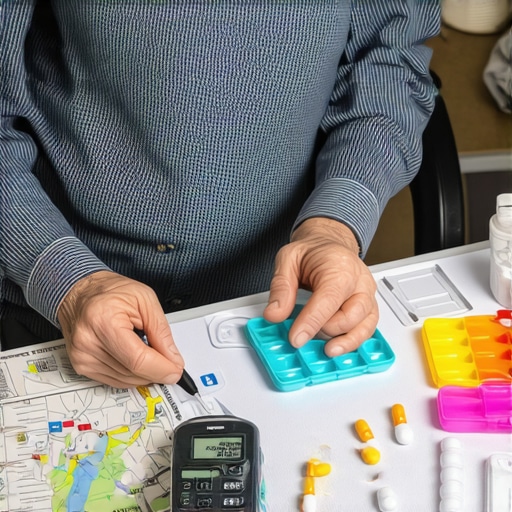
Why Most Approaches to Senior Medication Management During Travel Fail Spectacularly
If you think just packing pills or relying on a simple checklist will keep your senior loved ones safe while traveling, think again. The truth is, these superficial strategies are like trying to repair a sinking ship with a bucket of water—they might offer temporary relief but ignore the looming disaster beneath the surface.
Here’s the brutal reality: without a structured system that ensures medication accuracy, seniors face the risk of dangerous gaps, toxic overlaps, and even life-threatening errors. Yet, we continue to cling to outdated methods, believing that a quick glance at a pillbox or a reminder app suffices. Spoiler alert: it doesn’t.
In this article, I will argue that the real game-changer isn’t just about reminding or reminding better—it’s about embedding a **comprehensive, technology-driven approach** that guarantees medication schedules stay on track, no matter where the road takes you. As I have highlighted in other discussions on telehealth strategies, the integration of real-time medication monitoring with virtual oversight is the future. Only then can we truly safeguard our elders during their travels.
The Market is Lying to You
Medical apps and pill organizers promise a lot but deliver little when it matters. They overlook the complexity of each senior’s medication regimen, especially those with chronic conditions requiring precise dosing. The industry’s shiny gadgets distract from the core issue: maintaining accuracy when chaos erupts. The real tactic lies in leveraging advanced remote monitoring tools and consistent virtual check-ins, as detailed in personalized telehealth strategies.
Imagine this: instead of hoping your loved one remembers to take meds at the right time, a smart system verifies, updates, and alerts healthcare providers, making `medication errors` virtually impossible. Think of it as the difference between sailing a boat blindly and having a sophisticated GPS system guiding every turn—your journey is safer, smoother, and more predictable.
The Evidence Behind Outdated Approaches
Multiple studies highlight that nearly 50% of medication errors among seniors occur during transitions—when they travel, move, or shift healthcare providers. These errors are not random; they stem from reliance on *simple tools* like pill organizers or hastily prepared checklists. Data from the National Institute on Aging warns us that such superficial measures are not just inadequate—they are dangerous. If half of the errors happen during travel, and most solutions depend on manual, error-prone methods, then the risk gap widens dangerously. These numbers aren’t just statistics—they are a stark warning.
The Roots of the Problem
The core flaw isn’t in seniors forgetting pills or the chaos of travel—it’s in the systemic neglect of robust, reliable systems. Consider this: manual tracking relies heavily on memory and discipline, traits that decline with age and stress. When travel introduces variables—disrupted routines, unfamiliar environments—these fragile systems collapse. The problem is that these approaches ignore the *root cause*: a lack of **integrated, real-time medication management**. The industry’s focus on shiny gadgets masks this truth and distracts from what actually works. Without a centralized, monitored system that updates in real-time, errors are inevitable.
The Market’s Illusion and Who Benefits
Big tech and pharmaceutical companies have a vested interest in promoting apps and pillboxes. Why? Because these solutions are cheap, marketed heavily, and generate ongoing sales. They benefit from the illusion that a simple app or device can replace comprehensive oversight. Meanwhile, the actual benefits of sophisticated remote monitoring technologies—like real-time alerts, virtual clinician oversight, and dynamic scheduling—are sidestepped because they cost more upfront and threaten existing business models. This manipulation is not an accident; it is profitable deception.
Think about the financial incentives: companies promote quick fixes that keep consumers coming back—yet do little to prevent errors. They ensure that seniors remain dependent on these inferior solutions, creating a cycle that favors profits over safety. It’s a clear case where industry interests eclipse patient well-being. The truth is, these markets are feeding on our fears, not solving them.
Why Real Solutions Are Being Suppressed
Advanced remote monitoring and telehealth integration—technologies proven to dramatically cut medication errors—are deliberately underutilized. Policymakers and healthcare systems that could endorse comprehensive solutions are often beholden to industry lobbying. As a result, the adoption of proven, cost-effective systems remains sluggish. The *financial benefit* of maintaining the status quo outweighs the investment needed to implement real safety measures. This is why, despite evidence and emerging technologies, the systemic change necessary to protect seniors during travel remains elusive.
Consequently, seniors are left vulnerable, exposed to preventable harm. They’re pawns in a larger game where profit and inertia guarantee that outdated methods persist. The evidence is clear: without a fundamental shift to technology-driven, integrated medication systems, the risk of catastrophic errors will only grow, especially as the population ages and travel becomes more prevalent.
The Easy Out That Everyone Clings To
It’s easy to see why many believe that packing a few pills or relying on basic checklists will suffice for senior medication safety during travel. The logic seems straightforward: organize, remind, repeat. These methods are familiar, low-cost, and appear to offer a quick fix. Many caregivers and even some healthcare providers argue that the complexity of medication management doesn’t warrant sophisticated solutions, especially when they’re busy or resources are limited.
But that completely ignores the fundamental flaw at the heart of this approach: it underestimates the chaos that travel introduces. Routines are disrupted, environments are unfamiliar, and memory becomes unreliable, especially for older adults. Relying solely on manual methods or simple apps assumes a level of consistency and discipline that simply does not exist in real-world travel scenarios.
The Myth of Simplicity
I used to believe that just staying organized was enough—until I saw the devastating consequences of such superficial strategies. Statistically, nearly half of medication errors among seniors occur during transitions, including travel. This isn’t coincidence. It highlights a critical misunderstanding: that humans can manage complex, error-prone systems unaided in unpredictable circumstances.
The critics will argue that adding technology complicates things and that seniors may be resistant or unable to adopt new systems. While this is a valid concern, it sidesteps the core issue: the existing solutions are fundamentally inadequate. No matter how user-friendly, simple tools cannot match the reliability of systems designed with fail-safes, real-time monitoring, and virtual oversight—traits essential during travel when the environment changes constantly.
The Wrong Question to Ask
Many ask whether high-tech systems are too expensive or too complicated for widespread use. This distraction misses the point entirely. The real question is: what is the cost of a preventable medication error? The aftermath — hospitalizations, injuries, or worse — far outweighs the investment needed for advanced telehealth solutions. It’s not about the cost of technology; it’s about the cost of ignoring proven, life-saving systems.
When we compare the price of a sophisticated remote monitoring setup against the potential price of medical emergencies caused by mismanagement, the choice becomes clear. Yet, the industry and policymakers often cling to the status quo—because change threatens vested interests, not because it’s in the best interest of seniors.
Addressing the Elephant in the Room
It’s uncomfortable to admit that most of the current solutions are a facade—designed more to comfort caregivers than to actually ensure safety. The brutal truth is that superficial remedies are often perpetuated because they are profitable and manageable, not because they work. This is the elephant in the room that no one wants to acknowledge: our reliance on outdated, error-prone techniques is a systemic failure dressed up as progress.
For years, I believed that incremental improvements could bridge the gap—until I recognized that a paradigm shift is needed. The technological advancements that allow real-time data sharing, virtual oversight, and automated alerts aren’t just optional luxuries—they are necessary, non-negotiable components of effective medication safety in travel.
Continuing to believe that a pillbox or checklist suffices ignores the weight of evidence and the potential for preventable tragedies. To truly protect our seniors, we must abandon the illusion of simplicity and embrace comprehensive, integrated solutions that adapt to the chaos of travel, not ignore it.
The Cost of Inaction
If we dismiss the urgency of adopting comprehensive, technology-driven medication systems for seniors during travel, we are gambling with lives at an unprecedented scale. The stakes are undeniably high: preventable medication errors lead to hospitalizations, long-term health deterioration, and in the worst cases, loss of life. Right now, as the world encourages more travel among older adults, neglecting this issue means accepting a silent epidemic of medical emergencies that threaten to overwhelm healthcare systems. The chaos of one mistake could cascade into devastating consequences—costly repairs that could have been avoided with smarter technology.
Imagine a senior with multiple chronic conditions, relying solely on manual checklists or basic pillboxes. As they venture into unfamiliar environments, routines are disrupted—distractions, stress, and fatigue combine, making errors inevitable. Without integrated remote monitoring, alerts, and real-time data sharing, these mistakes are not just probable—they become the norm. This is not hyperbole but a looming reality for millions.
The Future Looks Grim If We Keep Ignoring This
If the current approach persists, the next five years could see a surge in preventable hospital admissions among seniors—overburdening healthcare facilities and inflating costs dramatically. Chronic conditions will become increasingly unmanaged, leading to emergency scenarios that could have been averted. The healthcare infrastructure may become crippled under the weight of avoidable crises, while families are left devastated, powerless, and emotionally drained.
This trajectory mirrors a faulty train set on a destructive path. Every delay, every ignored warning, accelerates the catastrophe. As new generations age, the volume of seniors with complex medication regimens traveling more frequently will spark a crisis, unless decisive action is taken now. The opportunity to mitigate this risk is slipping away; complacency is a luxury we cannot afford.
What are we waiting for?
The reluctance to embrace comprehensive digital solutions is a reckless oversight. Technologies capable of providing real-time medication oversight, virtual clinician support, and automated error prevention exist today. To ignore them is to endorse a future riddled with preventable tragedies. It’s akin to ignoring the impending iceberg as a ship sails straight toward it—dangerous, unnecessary, avoidable. Failure to act now means opening the floodgates for a crisis that will be written on the bodies and bank accounts of millions.
Delaying action isn’t just a failure of healthcare policy—it’s a moral failure. The cost of inaction extends beyond dollars; it strikes at the core of our ethical responsibility to protect the vulnerable among us. The time for hesitation has passed. We must face the brutal truth: that the cost of ignoring this problem will be paid in suffering, tragedy, and loss. The decision logjam must be broken if we are to avoid a future that is bleak and catastrophic.
Your Move
It’s time to abandon the comforting illusions of manual checks and simplistic apps. The real solution lies in adopting **integrated, real-time telehealth systems** that safeguard our seniors wherever their journeys take them. Fail to upgrade, and you’re gambling with lives—this isn’t hyperbole, it’s a stark reality. The technology exists, the evidence is clear, yet systemic inertia and market lobbies hold us hostage. We can’t afford to stay stuck in the past when futures are on the line—the future of telehealth is calling for decisive action.
The Bottom Line
The systemic neglect of robust medication management during seniors’ travels leaves them vulnerable to errors with devastating consequences. Relying on outdated methods isn’t just negligent—it’s a prescription for disaster. As the landscape of aging and mobility shifts, so must our approach. We stand at the crossroads: accept a safer, smarter way or continue down a dangerous path paved with broken hopes and preventable tragedies. Remember, technology isn’t the enemy; complacency is. The question is, will we rise to meet the challenge before it’s too late?
For a deeper understanding of how telehealth is revolutionizing chronic care, visit this resource. And as you consider your next steps, ask yourself—are you prepared to do what it takes to protect those who depend on us most?