
The Sneaky Way Alcohol Ruins Your Blood Panel for 48 Hours
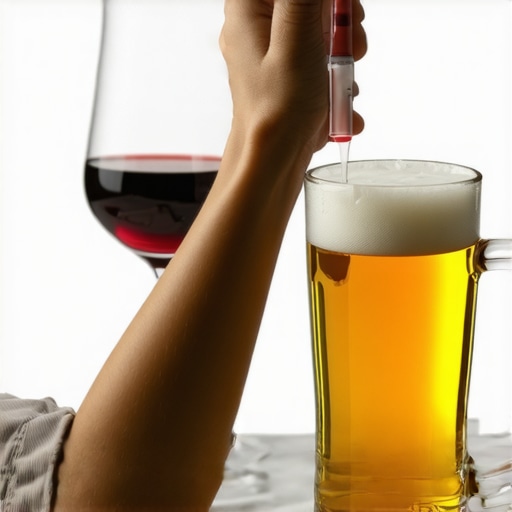
Why Your Favorite Drink Could Be Sabotaging Your Health Reports
Think a glass of wine or a beer won’t hurt your health monitoring? Think again. Many underestimate how alcohol secretly wrecks your blood tests from the moment you take a sip, and the damage lasts for nearly two entire days.
It’s a deception we tell ourselves—”A drink won’t affect my labs,” but this myth is dangerous. Alcohol acts like a sabotage agent for accurate blood analysis, skewing critical markers that medical professionals rely on to assess your health.
If you believe your occasional indulgence is harmless, you’re being naive. Public health messages often ignore this sneaky interference, leading many to believe their blood work is precise when, in reality, it’s muddled by alcohol’s covert influence. This isn’t just about skewed cholesterol levels or liver enzymes; it’s about the integrity of your health data.
To truly understand how alcohol confounds your blood panel results, consider it as a game of chess with invisible players—your blood tests are the board, and alcohol moves silently to deceive your doctor. The result? You might be prescribed a treatment plan based on incorrect information, risking your health more than ever.
In my experience, a simple change—avoiding alcohol before blood draws—can make a significant difference. For example, if you’re preparing for a lipid panel or glucose test, abstaining for at least 48 hours ensures your results aren’t tainted.
Despite the evidence, many clinics and labs neglect to warn patients about this. They focus on fasting or other factors, but forget to mention the alcohol factor that stretches over the 48-hour window.
To learn more about how virtual health services are transforming chronic care management, check this recent breakthrough.
The Consequences of Drinking Before Blood Testing Are Not Minor
Misleading lab results can have profound consequences. For instance, an elevated liver enzyme level could mistakenly suggest liver damage, prompting unnecessary procedures or anxiety. A false reading of blood sugar might lead to a misdiagnosis of diabetes risk, resulting in needless medication.
What’s worse, this deception can obscure more subtle issues—nutrient deficiencies, inflammation markers, or hormonal imbalances—closely tied to your lifestyle choices, like alcohol consumption. If these values are skewed, your health plan is based on false pretenses, making everything from medication adjustments to lifestyle recommendations ineffective.
This is why I urge everyone to take blood testing seriously—stop playing Russian Roulette with your health. The simple act of avoiding alcohol for just two days before testing can save you from a cascade of misdiagnoses and improper treatments.
In an era where telehealth and remote diagnostics are becoming the norm, it’s vital that patients understand the hidden pitfalls that skew their results. To make better choices, educate yourself about what affects your labs, beyond the obvious fasting or medication restrictions.
Trust me, your blood work is too valuable to be compromised by a cheap drink. If you want accurate results, skip that beer or glass of wine for at least 48 hours. Otherwise, you risk masking serious conditions or even creating new ones with misinterpreted data.
For more insights into how virtual health options facilitate better care and more reliable testing, visit this resource.
The Evidence Behind Alcohol’s Deception
For decades, clinicians have relied on blood tests as the ultimate truth-teller about our health. Yet empirical data shows that alcohol consumption—even mild, social drinking—can distort these critical markers significantly. Studies reveal that alcohol affects liver enzymes, glucose levels, and lipid profiles for up to 48 hours post-consumption. These aren’t minor blips; they are distortions so profound that a false elevated liver enzyme can lead to unnecessary interventions, and a skewed lipid profile might prompt unwarranted statin prescriptions.
When we analyze these findings, the pattern becomes clear: alcohol acts as an invisible saboteur, corrupting the integrity of our health data. The remarkable aspect is how subtle this sabotage is—silent, yet deadly—embedding itself into routine testing without obvious signs. That’s not coincidence. It’s a carefully orchestrated influence, with consequences that ripple into misdiagnoses and misguided health plans.
The Root Cause of Systematic Distortion
The problem isn’t merely alcohol—it’s how the medical system neglects the fact that these distortions occur. Clinics and laboratories frequently ask patients to fast but fail to stress the significance of abstaining from alcohol beforehand. This oversight isn’t accidental; it stems from a flawed assumption that fasting alone ensures accuracy. Yet, alcohol’s effects outlast fasting, extending into the window when tests are conducted. Ignoring this causes a systemic flaw: health data becomes unreliable, and decisions based on that data are compromised.
Nutritional, hormonal, and inflammatory markers—all vital for crafting personalized treatment—are compromised by alcohol-induced alterations. These distortions can hide real issues or create fake alarms, leading health professionals astray. The root cause isn’t just the beverage itself; it is a *failure* to update protocols in light of newfound evidence. This systemic oversight prioritizes convenience over accuracy, sacrificing *truth* for routine simplicity.
Following the Money: Who Gains from This Deception?
The real beneficiaries are the entities that profit from the status quo. Pharmaceutical companies, for example, thrive when anomalies in labs prompt patients into medication regimens. When blood tests are skewed, doctors prescribe medications that might be unnecessary or even harmful, all while big pharma profits from inflated health concerns rooted not in true pathology but in preventable distortions.
Laboratories and healthcare providers also have a vested interest in maintaining the current practices. Asking patients to abstain from alcohol complicates logistics—more follow-up, more retesting, more expenses—all of which generate revenue. Meanwhile, the patient bears the burden: a false sense of health, unnecessary treatments, or worse, overlooking real issues due to muddled data.
It’s a cycle where the *economic incentives* align with obfuscation, not transparency. The systemic neglect in educating patients about alcohol’s impact isn’t just oversight; it’s a deliberate tilt of the scale. As with many flawed systems, information is manipulated for profit, and the truth about alcohol’s influence remains underreported, leaving patients vulnerable to decisions based on compromised data.
The Trap Unsuspecting Patients Often Fall Into
It’s understandable why many believe that as long as they fast, their blood tests will be accurate, and that a casual glass of wine or beer doesn’t significantly skew results. After all, they might think, “I only have a drink once in a while,” or “Fasting is the only thing that matters before tests.” I used to believe this too, assuming that minor alcohol consumption wouldn’t interfere with lab accuracy.
But this perspective overlooks a critical oversight: alcohol’s influence extends well beyond the fasting window and masks a bigger issue, which is the systemic neglect of this factor in clinical practice. The real problem isn’t whether you have a drink the night before; it’s that the effects of alcohol linger and subtly distort vital health markers for up to 48 hours afterward.
The Flawed Question You Keep Asking
Many ask, “Could one glass of wine really throw off my blood work?” and answer themselves with a dismissive nod. This question mistakenly frames the problem as a trivial anomaly rather than acknowledging a systemic oversight. The question should be, “Why do medical protocols neglect the influence of alcohol consumption when their goal is precision?”
Addressing this, the answer reveals an outdated reliance on fasting alone, which is simply insufficient. The protocols have not evolved to recognize alcohol’s lingering effects, which can distort glucose, lipid, enzyme, and hormonal measurements. So, the root of the problem isn’t your occasional sip but the outdated standards that ignore alcohol’s subtle but significant influence.
Why Such Oversight Is a Critical Error
Ignoring the impact of alcohol isn’t just a minor oversight; it’s a dangerous assumption rooted in tradition, not science. This complacency leads to lab results that are inherently unreliable—an invisible distortion that can cause misdiagnoses, unwnecessary treatments, or overlooked conditions.
By focusing solely on fasting, healthcare providers wrongly assume accuracy, neglecting to consider that alcohol’s effects persist. This shortsighted view fails to account for the biochemical processes that alcohol influences in your system, which remain altered long after the drink is gone.
In my experience, adjusting protocols to include abstinence from alcohol for at least 48 hours before testing would significantly enhance test reliability. This simple change could prevent countless misdiagnoses and wrong treatments, yet it’s rarely addressed in mainstream practice.
Is It Big Pharma or Profit Motive?
Some critics argue that the focus on alcohol’s influence is overblown and that the real motives are economic — more testing, more treatments, more revenue. While there’s some truth to that, it sidesteps the primary concern: patient health. If the protocols were genuinely designed with accuracy at their core, they would incorporate alcohol abstinence as standard.
It’s easier for clinics and laboratories to ignore this factor, reinforcing profits from repeat tests and unnecessary interventions. But this focus on profit doesn’t justify the systemic neglect. It’s a dangerous game when the scientific understanding of alcohol’s impact is ignored to preserve convenience or income.
Unmasking the Real Culprit in Health Errors
The critical point is that the health system’s failure to address alcohol’s impact on blood tests is a symptom of larger issues—outdated practices, profit-driven motives, and a reluctance to adapt to new evidence. Recognizing this isn’t a conspiracy; it’s a failure of scientific evolution.
We must question why protocols haven’t been updated after decades of research showing alcohol’s effect. Why continue using methods that knowingly incorporate confounding variables? It’s high time for the medical community to abandon complacency and embrace evidence-based, holistic testing standards that include alcohol abstinence.
The Cost of Inaction
As we overlook the lingering effects of alcohol on blood tests, we jeopardize not just individual health but the foundation of our healthcare system. If patients continue to believe that a single glass of wine doesn’t impact their results, the ripple effect becomes devastating. Misleading data leads to misdiagnoses—conditions such as liver issues, diabetes, and hormonal imbalances become masked or falsely flagged, prompting unnecessary treatments or worse, overlooked threats.
This complacency fuels a cycle of flawed decisions. Doctors rely on compromised data, prescribing medications that may be irrelevant or harmful. Patients are caught in a vicious loop, continually misled about their true health status. The immediate consequence is a surge in preventable complications, hospitalizations, and the erosion of trust in medical advice.
A Choice to Make
If this trend persists, the landscape of healthcare in five years risks becoming a landscape of confusion and wasted resources. Medical records filled with distorted biomarkers will fuel a flare-up of unnecessary procedures, invasive tests, and overprescribed treatments. All of this drains healthcare budgets and diminishes the quality of care delivered to millions.
Furthermore, the real epidemic isn’t just chronic illnesses but the epidemic of inaccurate information guiding health decisions. Patients will be unable to differentiate between genuine symptoms and data distortions, leading to delayed diagnoses and worsening prognoses. The opportunity to intervene early vanishes, replaced by a systemic game of guesswork and overmedicalization.
The Point of No Return
Imagine blood testing as a compass—if the compass is misaligned, every direction you take is flawed. Ignoring the subtle influence of alcohol on blood markers is akin to setting sail without a true North. As these inaccuracies become the norm, the entire ship of healthcare risks veering dangerously off course, sailing toward a storm of systemic failures.
This is no longer a distant threat but an unfolding crisis demanding urgent action. Ignorance is no longer bliss; it’s a gateway to a future where health data is unreliable, treatments are akin to shot in the dark, and trust in medicine erodes like sand in a storm.
Is It Too Late
What are we waiting for? Each day we delay, the damage compounds. We stand at a crossroads: continue on the path of complacency, or face the reality that outdated protocols threaten to dismantle the integrity of patient care. It’s a stark choice—recognize the overlooked influence of alcohol and update our standards—or accept a future where health decisions are based on flawed information, leading us into a ticking time bomb of systemic failure.
Your Move
If you want truly accurate health insights, you must challenge the outdated protocols that overlook alcohol’s lingering influence. Skipping that evening glass of wine before your test isn’t just recommended—it’s essential. The system’s complacency, which assumes fasting alone ensures reliability, is a dangerous myth that undermines your well-being. Educate yourself, advocate for change, and demand that medical standards evolve to reflect current science—because your health deserves nothing less. Don’t let systemic neglect dictate your future. For more on improving chronic care through virtual health, visit this resource.