
3 Methods for Tracking Senior Mobility Patterns at Home
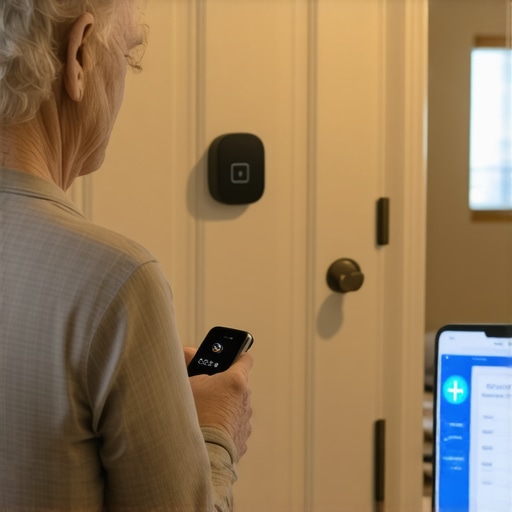
Why Most Senior Mobility Tracking Methods Are Misleading and Dangerous
You might believe that simply installing a few cameras or relying on medications is enough to monitor your aging loved ones’ movement patterns. But think again. The truth is, those methods are often as effective as trying to navigate a sinking ship with a paper map — flawed and ultimately futile.
I argue that current approaches to tracking senior mobility at home are not only insufficient but actively risky, giving caregivers a false sense of security while neglecting the nuances of individual movement patterns. It’s time to stop trusting generic solutions and start implementing strategies that cut through the clutter and provide actionable insights. Because if you’re not accurately tracking mobility, you’re flying blind in a storm.
The Market is Lying to You
For years, technology companies have sold us on the idea that the latest wearable devices or passive sensors are the ultimate keys to senior safety. But is that true? Not quite. Many of these products are oversold, overhyped, and—most critically—underperform when you need them most. Relying solely on step counts or movement alerts can miss critical subtleties about gait, balance, or hesitation that signal underlying health issues.
Devices like [home sensors](https://primemedicalclinics.com/about-us-2) claim to monitor seniors’ activity patterns, but they often generate noisy data, leading to false alarms or missed warnings. Meanwhile, caregivers are left sifting through meaningless metrics, unsure whether a change in walking speed indicates a health crisis or just a bad day.
The Limitations of Wearables and Cameras
Wearables can be useful, but only if they’re used diligently and interpreted correctly. Many seniors forget to wear devices, or they find them intrusive. Cameras, on the other hand, invade privacy and still fail to capture movement nuances. And let’s not forget, technology is only as good as its capacity to process and analyze data.
Just counting steps doesn’t tell you if someone is gradually developing a shuffle or avoiding walking altogether—precursors to falls. That’s why relying solely on these methods is like trying to diagnose a car problem just by listening to the engine noise without inspecting the components.
Real Tracking Means Deep Data and Context
Instead of superficial metrics, what we need are methods that capture the rich tapestry of mobility—how seniors move, hesitate, or struggle over time. This requires integrating advanced data collection with expert analysis. Technologies like smart mats or floor sensors that monitor gait patterns provide a better picture, especially when combined with regular virtual assessments.
And yes, these tools are effective—when paired with context and clinician oversight. As I argued in telehealth innovations, virtual assessments that incorporate real-time gait analysis can detect early signs of deterioration, often before a fall or hospital trip occurs.
The bottom line? If you want to truly understand your loved ones’ mobility, you need to shift from passive, superficial monitoring to active, nuanced analysis. Otherwise, you’re just watching shadows on a wall, missing the real danger lurking in the details.
The Evidence: Why Superficial Metrics Fail in Tracking Seniors
When we rely on step counters or motion sensors, we’re missing the forest for the trees. The data generated often measures *quantity* rather than *quality.* For instance, a senior’s walking speed may remain within normal limits, yet subtle signs—like hesitation or shuffling gait—alert clinicians to underlying deterioration. That 20% decrease in gait stability isn’t a minor fluctuation; it’s a potential precursor to a fall. Ignoring these nuances isn’t just negligence; it equates to watching a house burn while focusing on the flickering flames.
The Root of the Problem: Overconfidence in Technology
The root issue isn’t that sensors and wearables are inherently useless. It’s that their design and application are fundamentally flawed. These devices are built to collect data—nothing more. They lack the context, the clinical insight, to interpret what that data truly signifies. The fallacy is in believing that numbers alone can tell the whole story. This overconfidence leads to a dangerous complacency; caregivers assume that a device’s
The Trap
It’s easy to see why many believe that installing cameras or using basic wearable devices provides sufficient oversight of senior mobility. The logic seems straightforward: if there’s data, there’s safety. This mindset, however, is dangerously shortsighted.
I used to believe this too, assuming that more sensors meant better monitoring. But that was before I realized that relying solely on superficial data leads us astray, missing the nuanced signs of decline that could prevent falls or hospitalizations.
The Flawed Focus on Numbers
Many proponents argue that step counts, activity durations, or motion alerts are enough. Yet, these metrics lack the depth necessary to spot early deterioration. A senior might walk the same number of steps daily but exhibit hesitation, imbalance, or shuffling—signs invisible to basic sensors but critical for early intervention.
This superficial focus also leads to false reassurance. A caregiver might see steady activity levels and assume everything’s fine, ignoring significant gait changes or hesitation that precede falls. The real danger is in misreading data shaped only by quantity, not quality.
The Wrong Question
Some suggest that investing in more sensors or more complex algorithms is the solution. But this is the wrong question entirely. The debate shouldn’t be about how much data we collect but how meaningfully we interpret it. Sensors are tools; without context and expert analysis, they’re just noise.
It’s akin to diagnosing health issues by looking at a photograph instead of a full medical history and physical exam. You might see the skin color or the wrinkles, but without the full picture, you’re missing the critical cues that inform care.
Challenging the Status Quo
A common trap is assuming technology’s role is solely to replace clinical judgment. This ignores the fact that technology should augment, not substitute, expert oversight. The current one-size-fits-all approach ignores individual variability, often leading to overgeneralization and missed opportunities for tailored intervention.
By integrating nuanced gait analysis, balance assessments, and contextual virtual evaluations, we can create a more accurate, responsive system. I believe that the future of senior mobility tracking depends on harmonizing data collection with clinical insight, not just amassing digits.
The Cost of Inaction Will Be Catastrophic
Failing to act on the critical insights about senior mobility today sets the stage for a future filled with preventable tragedies. Every day we delay, we risk more falls, hospitalizations, and loss of independence among our aging population. Imagine a chain reaction where overlooked gait deterioration leads to a fall, then a serious injury, and ultimately, a move to long-term care—each link representing lives shattered and families devastated. The urgency to recalibrate our approach cannot be overstated; ignoring this makes us complicit in a potential crisis that spirals beyond control.
The Future Looks Bleak if We Continue Down This Path
If current trends persist without meaningful change, in five years, our communities could be overwhelmed with healthcare burdens. Emergency rooms and hospitals will be overrun by preventable injuries rooted in ignored signs of mobility decline. The social fabric frays further as seniors lose autonomy, increasing reliance on caregivers and institutional interventions. This trajectory translates into an unsustainable public health nightmare, draining resources and diminishing quality of life for countless families. We stand at a crossroads: implement smarter, nuanced monitoring now or face an era where aging in place becomes a perilous gamble—an avoidable tragedy waiting to unfold.
What are we waiting for? Is it too late?
This moment is akin to standing at the edge of a burning building, debating whether to escape or stay and await disaster. Every incremental neglect, every delayed decision, adds fuel to the fire that will engulf our health systems and personal lives. The analogy of a sinking ship is fitting—clinging to outdated equipment and ignoring the incoming storm ensures inevitable disaster. The choice we face is simple but urgent: adapt with precise, context-rich monitoring or face the mounting consequences of inaction that threaten to overwhelm us all.
We’ve been sold the myth that technology alone can safeguard our seniors’ mobility, but this illusion is precisely that—an illusion. Authentic understanding requires nuance, context, and expert insight, not just surface-level data. If you’re relying solely on superficial metrics, you’re flying blind in the storm of aging.
Here’s the twist: the real revolution isn’t in more sensors or complex algorithms—it’s in integrating clinical expertise with intelligent data. The future of senior care hinges on our willingness to look beyond gadgets and embrace a holistic, nuanced approach that truly captures the complexities of mobility deterioration. Virtual assessments with gait analysis exemplify this shift, offering early detection before catastrophe strikes.
Stop trusting the false security of superficial data and start demanding real insights. Our seniors deserve nothing less.