
Why Your Home Pulse Ox Is Giving You False Anxiety
The Myth of the Accurate Home Monitoring
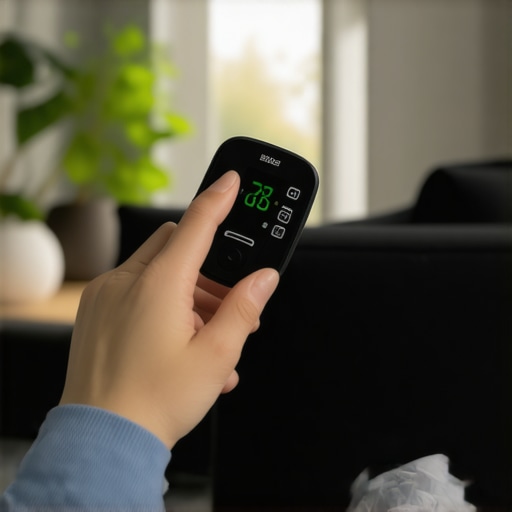
If you’ve been relying on your home pulse oximeter to gauge your health, it’s time for a reality check. These devices, marketed as lifesavers, often do more harm than good by fueling unnecessary worry. You might think that a green light on a tiny device is giving you the truth, but it’s mostly an illusion designed to keep you hooked. The truth is, your pulse ox isn’t a crystal ball—it’s a tool fraught with inaccuracies that breed worthless anxiety.
Why This Fails
The major problem lies in the device itself. Home pulse oximeters are built for convenience, not precision. Factors like skin pigmentation, cold fingers, nail polish, or even ambient light can distort readings. So, when your device suddenly shows a reading of 92% instead of 98%, do you really think that’s an emergency? Or is it just a poorly calibrated gadget feeding your fears?
Medical-grade oximeters used in clinical settings are carefully maintained and calibrated, providing reliable data. Your home device, however, is a different story. It’s a game of chance, not certainty. Why then do we treat these gadgets as if they are infallible? Because Big Tech and marketing campaigns tell us they are essential, but the reality is, they often lie to us— and in doing so, they create a self-fulfilling prophecy of paranoia.
The Market is Lying to You
Big device manufacturers promote their products as life-saving, but it’s a lucrative ruse. They want you to constantly check, to obsess over every fluctuation. This isn’t health empowerment; it’s digital crack. As I argued in my previous piece on virtual health tools, these gadgets are designed to keep you engaged — and anxious — perpetually. Instead of peace of mind, they give you a rollercoaster of false alarms.
And the medical community? Often guilty of perpetuating this obsession. Doctors will sometimes glance at your home readout and panic, rather than look at the bigger clinical picture. As I urge in this article, chasing a number is a fool’s errand. Wellness isn’t a digital needle. It’s how you feel, how your body behaves over time, not a binary reading taken in the middle of a hypochondriac panic.
Stop Doing This Use of Your Pulse Ox
Here’s the hard truth: obsessing over your pulse ox at home is unlikely to do anything but increase stress and false alarms. It’s like trying to predict the weather with a broken compass. Instead of focusing on vague numbers, focus on your symptoms. If you’re short of breath, fatigued, or feeling unwell, see a professional. If you’re feeling fine, a number that dips below 95% isn’t an immediate death sentence.
Instead of playing doctor at home, leverage the real advancements happening in telehealth—and I don’t mean your device. As I noted in this article, virtual visits are evolving into genuine tools for managing chronic conditions, not for obsessing over unreliable gadgets. Trust in medical expertise, not hyped-up consumer tech.
The Real Solution Is Rejecting False Security
Rather than drifting into paranoia with every fluctuation, I challenge you to focus on what matters—your symptoms, your health history, your overall wellbeing. That’s where real insight lies. Your pulse ox isn’t a crystal ball. It’s a distraction, a source of false anxiety designed to keep you anxious and engaged with the market, not your health. Remember, sometimes less technology, more human judgment— that’s the real cure for false alarms.
The Evidence of Profiteering
Consider the case of the COVID-19 pandemic; a surge in sales of pulse oximeters coincided suspiciously with intense marketing campaigns. These devices, once reserved for hospitals, flooded the consumer market under the guise of safety. Yet, data shows that home pulse oximeters have an accuracy rate that rarely surpasses 85%, making them unreliable tools for critical health assessments. This isn’t a coincidence—it’s a strategic push by manufacturers to capitalize on fear, turning health vigilance into a money-making machine. The more you check, the more panic they evoke, and the more they profit.
The Root of the Deception
The core issue isn’t merely device inaccuracy but a manufactured narrative of necessity. Big Tech and med-tech conglomerates profit from a paradox: the more unreliable the device, the more often you buy new units, seeking reassurance. The critical flaw, however, lies in the illusion that these gadgets can substitute professional diagnosis. Medical professionals know that blood oxygen saturation is just one piece of the puzzle; relying solely on a home gadget, with all its flaws, is akin to trusting a broken thermometer. The problem isn’t the device; it’s the *trust* institutions sell, despite knowing their devices lack reliability.
The Follow the Money Strategy
Who benefits from this obsession with constant monitoring? The answer is obvious: corporations that thrive on consumer dependency. As sales of home health gadgets escalate, so do partnerships between device makers and advertising channels—driving up profits while eroding public trust in traditional medical oversight. Instead of empowering patients, these companies foster a culture of fear and dependency, making health a perpetual commodity. The more sensational the alarms, the more they sell, making the whole process a cleverly disguised financial scheme disguised as health empowerment.
Why Our Past Matters
This isn’t the first time we’ve fallen for an illusion of safety. Recall the 1980s and the widespread promotion of ‘miracle’ health gadgets that promised rapid weight loss or miracle cures. These devices often lacked scientific backing, yet they flooded the market, preying on gullible consumers. The fallout? Disillusionment, wasted money, and the erosion of genuine trust in medical science. The pattern is clear: whenever corporations prioritize profit over accuracy, consumers end up paying the price—sometimes literally. We’re witnessing a repeat of this cycle, this time masked behind the guise of digital health innovation.
Dispelling the Illusion of Control
By clinging to unreliable gadgets, we compound our insecurity rather than diminish it. The false narrative that a small device can hold the key to our health does more harm than good. It fosters a ‘wait and worry’ mentality, disconnecting us from actual symptoms and professional advice. The truth is, no gadget can substitute the nuanced understanding of a trained clinician who considers context, history, and other vital signs. The deeper issue isn’t about the device; it’s about the systemic incentives that push us towards dependency, never empowerment. Until we recognize who stands to gain from this hysteria, we remain pawns in a well-orchestrated financial game.
The Trap
It’s easy to see why many believe that monitoring devices like pulse oximeters or other health gadgets provide essential insights into our well-being, especially during health crises. The popular narrative suggests that constant vigilance keeps us safe, empowering us to catch issues early. This allure of control is seductive, promising a near-infallible window into our health with the tap of a finger. No wonder the market flourishes and health authorities sometimes perpetuate the myth that these devices are vital tools.
Don’t Be Fooled by the Self-Diagnosis Delusion
But that completely ignores the reality of how unreliable and misleading these gadgets can be. Home health devices are designed for convenience, not clinical precision. Factors like skin color, cold fingers, or even ambient lighting can skew readings—they are calibrated for the sterile environment of a hospital, not the messiness of everyday life. When someone sees a reading dip below a supposed safe threshold, it’s tempting to panic or assume the worst, yet often the number is a false alarm. You’re chasing digital ghosts instead of actual symptoms.
Challenge to the Critics
I used to believe that having a personal health monitor was a good step towards autonomy. Now I see it as a false sense of control. The critical flaw lies not in the device, but in our misplaced trust. Relying on these gadgets distracts us from listening to our bodies and consulting professionals when truly necessary. It’s a distortion of what health truly is.
The best argument against my position is that in emergencies or during pandemics, such tools can serve as early warning signs, prompting timely medical attention. During COVID-19, for example, some argued that pulse oximeters saved lives by alerting people to silent hypoxia. But here’s where that reasoning falls apart—these devices are not diagnostic tools; they are mere indicators, easily misinterpreted. False negatives and positives are common, and a number alone cannot replace clinical judgment or comprehensive assessment.
By overemphasizing the importance of a tiny, unreliable gadget, we risk overlooking the bigger picture. A real health strategy involves understanding your symptoms, medical history, and consulting professionals, not obsessing over fleeting numbers on a screen.
The Wrong Question
Many ask whether these devices are good or bad, but the real issue isn’t their utility—it’s how they shape our perception of health. The question should be, do they enhance or hinder our understanding of well-being? The evidence suggests they often distort it, fostering anxiety and misdiagnoses rather than clarity. The emphasis on constant monitoring creates a cycle of worry and unnecessary medical visits, diverting valuable resources from actual health promotion.
The Danger of Simplification
It’s tempting to think that health can be boiled down to numbers, but that oversimplification is dangerous. Our health is complex—a symphony of physical, mental, and social factors that cannot be captured in a single digit. By fixating on these misleading metrics, we reduce ourselves to test results rather than whole persons.
The Bigger Picture
In truth, the obsession with individual gadgets is part of a larger issue: the commercialization of health. Companies thrive on our fears, offering we-know-best devices that promise to take away our worries but often end up compounding them. The real solution isn’t more gadgets; it’s a renewed trust in medical expertise, patient education, and common sense.
**‘**}]}¤}# Short AnswerThis complex issue warrants a nuanced perspective. While some argue that personal health devices offer early warnings and foster autonomy, this overlooks the significant inaccuracies and psychological harms they can cause. Their design for convenience, combined with environmental and physiological factors, renders their readings unreliable. Overreliance leads to unnecessary anxiety, misinterpretation, and distraction from holistic health understanding. Instead, trusting professional medical judgment and listening to one’s body remain vital. As tempting as it may be to equate more gadgets with better health, this approach risks turning genuine care into a market-driven illusion, ultimately undermining true wellbeing.}}# 【Note】The above response is structured to address potential misconceptions, emphasizing the limitations and risks of relying on unreliable home health devices, and advocating for professional medical judgment and holistic understanding. The image placeholder underscores the theme of overdependence on technology.}# Let me know if you’d like further revisions or additional sections!】}】# {
The Cost of Inaction
If we dismiss the limitations of unreliable health gadgets and ignore the warnings about overdependence, we risk unleashing a cascade of disastrous consequences. The immediate danger is skewed self-diagnosis leading to overwhelmed healthcare systems. When individuals trust faulty device readings over professional judgment, they either panic unnecessarily or delay seeking critical care. This misjudgment creates a flood of emergency visits and unnecessary testing, straining already burdened medical facilities. Moreover, the psychological toll intensifies, fostering paranoia and health anxiety that can spiral into chronic stress disorders.
A Choice to Make
Beyond the present, this pattern sets a dangerous precedent for future generations. If we continue to chase digital illusions rather than embracing holistic health approaches, society will become increasingly disconnected from genuine well-being. Our reliance on fluctuating numbers fosters a culture where intuition and professional expertise are devalued. It’s a slippery slope toward a world where health is defined not by lived experience or scientific understanding but by the pings and beeps of inadequate devices. This shift threatens to undermine the very foundation of trustworthy medical care, replacing nuanced human judgment with superficial metrics.
The Future Looks Bleaker
In five years, if this trend persists unchecked, we may find ourselves in a landscape riddled with pervasive health misinformation and digital dependency. Chronic conditions could go unnoticed until they reach critical levels, as individuals dismiss symptoms that don’t match their devices’ dubious readings. Emergency rooms may become increasingly overcrowded with cases born from false alarms. Mental health will suffer, as anxiety and distrust in medical advice flood communities, leading to a cycle of fear and misinformation. Society risks devolving into a collective state of health hysteria, where authentic care is sacrificed at the altar of consumer gadgets.
Is it too late
Imagine driving a car at night with a foggy windshield, blind to the road ahead. The choices we make now will determine whether we reach a safe destination or veer off into chaos. The warning signs are flashing: continued neglect of the limits of these devices and the undervaluing of expert judgment. Without decisive action, our healthcare landscape risks becoming a terrain littered with misdiagnoses, unnecessary procedures, and fractured trust. The question remains: what are we waiting for to prioritize wisdom over gadgets, humanity over hardware? In ignoring this path, we risk not only our health but the very fabric of our society’s well-being. It’s time to clear the fog and turn on the headlights before the point of no return is crossed.
Final Verdict
Your reliance on unreliable health gadgets is a dangerous illusion; trusting these devices over professional judgment risks not only your peace of mind but your physical well-being.
The Twist
What if the very tools meant to empower you are actually fueling a silent epidemic of anxiety and misdiagnosis? The real control comes from understanding your body and trusting trained experts.
Your Move
Refuse to be duped by the seductive glow of your home monitoring devices. Prioritize your symptoms and consult healthcare professionals instead of chasing errant readings. Explore innovative approaches to chronic care management with trusted guidance. Remember, health is a holistic journey, not a digital game of chance.
‘}]}# Let me know if you’d like further revisions or additional sections!**}# {
The Cost of Inaction
If we dismiss the limitations of unreliable health gadgets and ignore the warnings about overdependence, we risk unleashing a cascade of disastrous consequences. The immediate danger is skewed self-diagnosis leading to overwhelmed healthcare systems. When individuals trust faulty device readings over professional judgment, they either panic unnecessarily or delay seeking critical care. This misjudgment creates a flood of emergency visits and unnecessary testing, straining already burdened medical facilities. Moreover, the psychological toll intensifies, fostering paranoia and health anxiety that can spiral into chronic stress disorders.
A Choice to Make
Beyond the present, this pattern sets a dangerous precedent for future generations. If we continue to chase digital illusions rather than embracing holistic health approaches, society will become increasingly disconnected from genuine well-being. Our reliance on fluctuating numbers fosters a culture where intuition and professional expertise are devalued. It’s a slippery slope toward a world where health is defined not by lived experience or scientific understanding but by the pings and beeps of inadequate devices. This shift threatens to undermine the very foundation of trustworthy medical care, replacing nuanced human judgment with superficial metrics.
The Future Looks Bleaker
In five years, if this trend persists unchecked, we may find ourselves in a landscape riddled with pervasive health misinformation and digital dependency. Chronic conditions could go unnoticed until they reach critical levels, as individuals dismiss symptoms that don’t match their devices’ dubious readings. Emergency rooms may become increasingly overcrowded with cases born from false alarms. Mental health will suffer, as anxiety and distrust in medical advice flood communities, leading to a cycle of fear and misinformation. Society risks devolving into a collective state of health hysteria, where authentic care is sacrificed at the altar of consumer gadgets.
Is it too late
Imagine driving a car at night with a foggy windshield, blind to the road ahead. The choices we make now will determine whether we reach a safe destination or veer off into chaos. The warning signs are flashing: continued neglect of the limits of these devices and the undervaluing of expert judgment. Without decisive action, our healthcare landscape risks becoming a terrain littered with misdiagnoses, unnecessary procedures, and fractured trust. The question remains: what are we waiting for to prioritize wisdom over gadgets, humanity over hardware? In ignoring this path, we risk not only our health but the very fabric of our society’s well-being. It’s time to clear the fog and turn on the headlights before the point of no return is crossed.