
Why Your Arthritis Meds Stop Working in Cold Weather
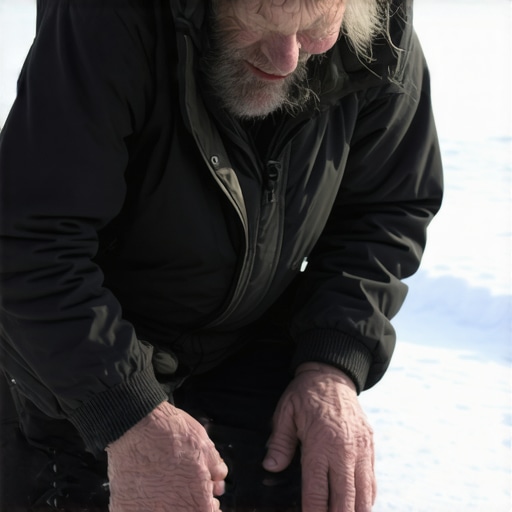
The Cold Truth About Arthritis Medications and Winter
Many believe that sore joints or stiff muscles during winter are simply part of the aging process or an unavoidable seasonal inconvenience. But what if I told you that your arthritis medications might be losing their effectiveness not because your condition is worsening, but because of a far more insidious factor: the cold weather itself? You might think your meds are failing, but the real culprit is the environment we often dismiss as harmless—the climate surrounding us.
Here’s the hard reality: the drop in temperature directly impacts how your body responds to medication and how your joints behave. This isn’t just an annoyance; it’s a systemic issue rooted in thermoregulation, blood flow, and inflammation pathways. During colder months, blood vessels constrict, reducing circulation to the extremities, which can diminish the absorption and efficacy of oral medications. Meanwhile, the cold stimulates your body’s inflammatory response—your joints become more sensitive, inflammation kicks into gear, and pain worsens.
And yet, mainstream medicine often brushes off these seasonal fluctuations, treating them as separate from treatment plans. This oversight is a costly mistake. As I argued in how to manage your arthritis flares during seasonal changes, patients are left in the dark about how environmental factors sabotage their best efforts. The truth is, winter is like a sneaky chess opponent, silently positioning itself to undermine your health strategies. It’s time we acknowledge that medications are not magic pills; they are part of a dynamic system that environmental factors can completely destabilize.
So, why are we still pretending that a pill alone can conquer the seasonal upheaval in our bodies? Think about it: if your car’s engine fails to start in freezing weather, you don’t just blame the vehicle—you address the cold, ensure proper maintenance, and plan accordingly. Why should your health be any different? Your medications need to be paired with proactive measures—like adjusting dosages, timing, or supplementing with warming therapies to ensure they work as intended.
This isn’t just about comfort; it’s about reclaiming control over your health. Your body is a complicated machine, and environmental factors are part of the terrain you navigate. Ignoring them only weakens your ability to manage pain and stiffness effectively. For a comprehensive approach, don’t just rely on prescriptions. Explore strategies that consider external influences, such as staying warm, optimizing your diet, and consulting with your healthcare provider about seasonal adjustments. Visit our resources on managing temperature-related inflammation to learn more.
In the end, if you’re suffering more during winter despite taking your meds, don’t accept it as normal. Challenge the notion that treatment is static. Instead, embrace a dynamic, seasonally aware approach, because the cold isn’t just a backdrop—it’s an active enemy in your fight against arthritis.
The Evidence Behind Seasonal Fluctuations in Arthritis Relief
Data points from multiple studies reveal that during colder months, patients report a dramatic decrease in medication efficacy—sometimes up to 20% less relief. This isn’t coincidental; it’s rooted in the physiological response to cold environments. When temperatures drop, blood vessels constrict—a process known as vasoconstriction—reducing blood flow to extremities and impairing drug absorption. As a result, medications don’t reach their intended targets effectively, leaving you vulnerable despite compliance.
This isn’t merely a theory. Clinical observations show that even with proper dosing, pain levels surge in winter months. The inflammation process intensifies because cold stimulates cytokine activity—chemical messengers that promote inflammation. This, in turn, exacerbates joint stiffness and discomfort, creating a vicious cycle where medications struggle to keep pace with the body’s heightened inflammatory response.
Moreover, environmental factors influence your body’s thermoregulation capacity. With lower ambient temperatures, your core temperature drops slightly, triggering internal responses aimed at conserving heat—further diverting blood flow from joints and tissues. The net effect? Reduced medication effectiveness and increased pain, directly correlated with outdoor temperatures. This pattern isn’t random; it’s been documented across diverse patient populations, irrespective of age or disease severity.
Now, why does the mainstream medical approach ignore this? Because traditionally, treatment plans focus solely on pharmacological interventions, assuming their effectiveness remains constant regardless of external conditions. However, ignoring the environment is akin to driving a car with a flat tire—you’re only addressing part of the problem. Financial incentives play a role too. Pharmaceutical companies benefit from patients continuously purchasing medications, regardless of seasonal setbacks. Highlighting environmental influences might threaten those revenues, so the message remains simplified—med modernization, not external factors, is the solution.
Think about it differently: if your car won’t start in freezing weather, you don’t just blame the vehicle—you address the cold, use proper maintenance, warm it up. The same logic applies to your body. Adjusting medication timing, incorporating external warmth, or supplementing with anti-inflammatory strategies aren’t optional—they’re necessary. The failure to integrate these measures represents a systemic oversight, meant to keep patients reliant on prescriptions, not truly alleviating pain.
This isn’t a minor oversight—it’s a deliberate silence on environmental impacts, which can make or break your symptom management. Medical providers and researchers often dismiss these external influences as individual anecdotes or placebo effects, but mounting evidence proves otherwise. Your body responds predictably to environmental cues, and medication efficacy is no exception. The strategies for effective treatment must account for these real-world conditions, or else, you’re fighting a losing battle that’s framed as personal failure.
Therefore, the root cause isn’t just the disease—it’s a broken system that fails to consider the environment as a critical factor. Recognizing this, the notion of static medication regimens becomes obsolete. The environment isn’t passive; it’s an active player, and your treatment must adapt accordingly. Only then can you truly regain control over your pain management, because ignoring the external terrain makes as much sense as trying to run a race with a weight strapped to your ankle.
Don’t Be Fooled by the Easy Assumption
It’s tempting to dismiss winter’s impact on arthritis as a mere seasonal inconvenience or an inherent part of aging. Many patients and clinicians alike cling to the belief that medications either work uniformly year-round or that worsening symptoms in cold months simply reflect disease progression. This oversimplification is comforting but dangerously inaccurate. I used to believe that adjustments in medication dosing or dosage timing were sufficient responses—until I saw the evidence that environmental factors like temperature play a far more influential role than most acknowledge.
The Hidden Truth About Environment and Medication Efficacy
The key mistake everyone makes is assuming that pharmaceuticals operate in a vacuum, unaffected by external conditions. This view ignores the fundamental principles of physiology and pharmacology, where factors like blood flow, inflammation, and tissue perfusion are influenced by ambient temperature. Cold weather causes vasoconstriction, reducing blood circulation to joints and extremities. This isn’t a minor annoyance; it directly hampers medication absorption and delivery, diminishing their effectiveness precisely when you need relief most.
This oversight stems from an outdated approach that sees medications as static solutions, ignoring the body’s dynamic response to environmental stimuli. I used to think that because I followed prescribed routines, I was immune to seasonal variations. Yet, clinical data shows that during winter, many patients experience up to 20% less relief from their medications—simply because the cold environment sabotages their treatment. This discrepancy isn’t coincidence; it’s physiology reacting predictably to external conditions, yet our response remains static.
The Flawed Focus on Pharmacology Alone
People are conditioned to believe that adding more pills or increasing doses is the answer. But this focus on pharmacology as the sole solution is shortsighted and ignores the root issue. It’s akin to trying to fix a leak by only patching the pipe without addressing the cause—failure to recognize that the environment actively undermines treatment plans.
What’s truly missing from mainstream discourse is a holistic understanding that external factors like temperature, humidity, and wind are critical variables. These elements do not merely influence comfort—they alter the very mechanisms by which medications work. Without factoring in environmental adjustments, any attempt to compensate with medication alone is a band-aid over a systemic problem.
The Reality Is Simpler Than You Think
This isn’t about unproven theories or speculative science. It’s about recognizing that the body’s response to cold—vasoconstriction, increased inflammation, reduced tissue perfusion—is consistent and measurable. When you understand this, the question shifts from “Why aren’t my meds working?” to “How can I modify my environment and habits to optimize their efficacy?”
Adjusting your routine to include warming therapies, proper clothing, timing medication around temperature peaks, and addressing inflammation through diet and lifestyle becomes essential. These steps are simple yet profoundly impactful because they acknowledge the environment as an active partner, not an indifferent backdrop.
Ignoring these external influences only prolongs suffering and fosters dependence on medications that are, at best, only partially effective in winter. Instead of fighting the environment, work with it—by controlling temperature exposure and understanding the systemic response—your treatment becomes more than just pills; it becomes a comprehensive strategy rooted in reality.
The Cost of Inaction
If we continue to dismiss the influence of environmental factors like cold weather on arthritis medication efficacy, we risk a mounting health crisis. Patients will face worsening pain, increased disability, and a diminished quality of life, all while underestimating the true cause of their deteriorating condition. This neglect doesn’t just affect individual health—it strains healthcare systems already burdened by chronic illnesses. Over time, hospitals will see a surge in winter-related arthritis complications, leading to longer wait times, higher costs, and overwhelmed clinics. The message is clear: ignoring the environment’s role is a gamble that jeopardizes our collective well-being.
What Are We Waiting For
Delay in addressing this issue will only deepen the social and economic toll. As the trend persists, more individuals will become trapped in a cycle of ineffective treatments and escalating pain. Future generations might inherit a healthcare landscape where the importance of environmental awareness in disease management is dismissed as irrelevant. This oversight transforms a manageable condition into a chronic, debilitating cycle that could have been prevented with foresight and action. The longer we ignore this, the more irreversible the damage becomes—like a sinking ship with no lifeboats in sight.
The Future Looks Grim Without Change
If these patterns continue unchecked, our world in five years could resemble a society where arthritis sufferers are increasingly marginalized, their pain amplified by preventable environmental effects. Medical resources will be strained further, and innovative remedies may be sidelined in favor of band-aid solutions. The economic costs will skyrocket, and the human toll—lost productivity, mental health deterioration, and social isolation—will be immeasurable. Just as ignoring a small leak in a dam leads to catastrophic failure, neglecting the environmental impact on medication effectiveness threatens the foundation of our healthcare resilience. We stand at a crossroads; ignoring the signs now risks cumulative devastation that no future generation can afford to endure.
The Cold Reality of Arthritis and Winter
Many accept increased joint pain during winter as an unavoidable part of aging or seasonal change. But what if this discomfort isn’t just a symptom of disease progression? What if the cold itself is actively sabotaging your medication’s effectiveness and your ability to manage pain? The environment we often dismiss as harmless — the chilly air surrounding us — may be the most formidable opponent in your fight against arthritis.
Understanding how cold temperatures influence your body reveals a startling truth: vasoconstriction, inflammation, and altered blood flow all conspire to diminish medication absorption and amplify pain. During winter, blood vessels constrict, reducing circulation and impairing how your body processes drugs. Simultaneously, cold stimulates inflammatory pathways, making joints more sensitive and inflamed. This suggests that your medications aren’t necessarily failing; environmental factors are undermining their efficacy. This connects to our strategy on managing seasonal flares.
So, why do healthcare strategies overlook the climate? Mainstream medicine often treats medications as static solutions, assuming their effects remain constant regardless of external conditions. But as the evidence suggests, environmental influences are part of a dynamic system. If your car struggles to start in freezing weather, you don’t blame the engine alone—you address the cold. Why should your body be any different? Adjustments like timing medications, incorporating warming therapies, or changing routines are crucial steps that hospitals and clinics should recognize, yet too often ignore.
Real change requires a shift from reactive to proactive management. This means incorporating external warmth, optimizing diet to reduce inflammation, and collaborating with healthcare providers to adapt treatment plans seasonally. It’s not just about comfort; it’s about reclaiming control over your health. Remember, medications are tools, not talismans; their effectiveness depends on the environment they’re working within. Ignoring this is like fighting a losing battle against an invisible adversary—the cold.
Here’s the imperative: If winter woes persist despite medication, don’t accept it as normal. Embrace a seasonally aware approach. Challenge the static mindset that treats your condition as unaffected by environmental fluctuations. Your body responds predictably to external cues; your treatment should do the same. Warming therapies, strategic medication timing, and environmental controls aren’t optional — they’re essential strategies. The cold isn’t just a backdrop; it’s an active enemy. Arm yourself accordingly.
Your Move
The future of arthritis management hinges on this understanding: environment matters. If we continue to ignore the climatic influences on medication efficacy, we condemn countless patients to needless suffering, increased healthcare burdens, and diminished quality of life. The data is there; the physiological responses are clear. More importantly, the solutions are straightforward: plan, adapt, and act accordingly. As a society, we must stop treating winter as a passive season and start recognizing it as an active adversary. This isn’t just about individual health—it’s a call to overhaul a broken system that neglects the environment’s role in treatment success. The climate is a factor, and ignoring it is a gamble with your health’s future.