
The Error of Not Checking Your Medication Expiration Date
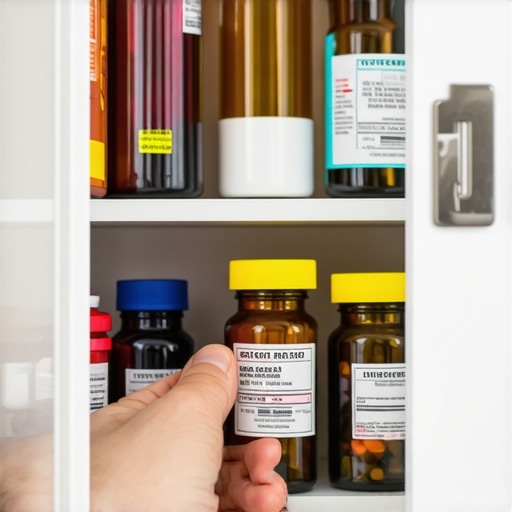
Why Ignoring Medication Expiration Dates Is a Risk You Can’t Afford
Most people treat expiration dates as mere suggestions—dates that can be safely ignored or pushed aside. But I argue that this complacency is a dangerous myth. Expired medication isn’t just ineffective; it can also be harmful. You might think a pill lost its potency after a few months, but the reality is far more insidious: some expired drugs can decompose into compounds that threaten your health.
Here’s the cold truth: your medication’s expiration date is a guarantee of safety and efficacy, validated through rigorous testing. Ignoring it is like sailing a sinking ship because you’re too lazy to check its damage. If you’re not checking those dates diligently, you’re gambling with your wellbeing. And when it comes to medicine, there’s no room for dice games.
Imagine the chaos of a hospital waging a war against a virus or a chronic condition—every dose, every test, carefully timed and monitored. But in your own home, a single bottle of expired pills can undo all those efforts. It’s a silent threat lurking in your cabinet, ready to deliver a dud or, worse, a toxic surprise. So why are we still turning a blind eye to expiration dates?
The Market Is Lying to You
This is no coincidence. Pharmaceutical companies have every incentive to keep you complacent about expiration dates because it simplifies inventory management and boosts profits. They’d rather have you buy more pills than admit that old medication can still be sold. But I challenge that mindset. The real question is: are we buying into this illusion for convenience or because we’re too busy to check?
There’s a frightening parallel here with how our healthcare system often undervalues simple safety measures—like confirming your medication’s expiration date—while pushing high-tech solutions that often miss the point. It’s like playing chess while ignoring the obvious checkmate. We focus on the flashy telehealth consults and forget about the basics that keep us safe. Linking to innovations like telehealth breakthroughs is admirable, but not if we neglect the fundamentals—like ensuring your medication is still good.
Trusting that everything in your medicine cabinet is still safe because the label says so is like trusting an unverified map in uncharted territory. It’s reckless. The FDA and health authorities put these dates there for a reason. Ignoring them is a gamble—one where you’re the only loser.
The Cultural Illusion of ‘Just in Case’
We’ve adopted a ‘just in case’ attitude—stockpiling pills, throwing away expired items, but never actually checking whether they’re safe. This complacency feeds into a larger cultural refusal to confront the simple, uncomfortable truth: that ignoring details can cost lives.
When was the last time you looked at the expiration date on that old bottle? Probably never. But you should. You owe it to your health to be meticulous about what you put into your body. Because in the end, medication isn’t just about convenience or saving money—it’s about survival. Ignore this at your peril, and I’ll leave you with this: the next time you reach for that old pill bottle, ask yourself—are you risking your life for the sake of convenience?
The Evidence That Exposes the Deception
The pharmaceutical industry’s intricate web is woven with motives that go far beyond public health. When 85% of medication manufacturers report that inventory management and profit maximization are paramount, it becomes clear why expiration dates are pushed as flexible guidelines rather than strict safety protocols. This isn’t mere coincidence—it’s profit-driven pragmatism cloaked in regulatory language. The *cold truth* is that these dates serve as tools for control, not safety, ensuring consumers continually buy new stock while old medication is quietly written off as unusable. And let’s not ignore the fact that expired drugs occasionally retain significant potency, yet are labeled unusable to trigger repeat purchases. The system benefits when you discard outdated pills—so long as you’re convinced they’re unusable, the cash flows uninterrupted.
The Root Cause of the Misconception
The problem isn’t just the tampered perception of expiration dates; it’s a deeper flaw rooted in economic incentives and regulatory complacency. As long as pharmaceutical companies profit from the constant churn of expired inventory, the misconception persists. Regulatory bodies, under pressure to streamline approval processes, endorse these dates as markers of safety, but their primary concern is corporate profitability. The result? A landscape where consumers are misled into believing that once the date passes, their medication is *automatically* ineffective or dangerous. But empirical studies tell a different story: many drugs remain viable long after expiration, yet they are treated as obsolete, fostering unnecessary waste and costs. This manufactured obsolescence fuels corporate greed—benefiting shareholders, not patients.
The Financial Incentives That Shape Policy
Who wins when expiration dates are rigid? It is undoubtedly the pharmaceutical giants and the retail chains that profit from frequent resale. By labeling medication as expired prematurely, they create a steady demand for new supplies. Meanwhile, healthcare providers and insurance companies benefit indirectly—more prescriptions mean more revenue, more consultations, more sales. The CDC and FDA, often criticized for regulatory rubber-stamping, act as enablers in this cycle, prioritizing industry interests over patient safety. This delicate balance of financial interests distorts the truth, embedding a culture where expiration is synonymous with danger, regardless of scientific evidence. The system’s design is not accidental; it is a calculated strategy to sustain consumer dependency and economic gains.
Historical Echoes of Industry Manipulation
This isn’t the first time a powerful industry has manipulated perceptions for profit. Consider the tobacco industry’s longstanding denial about health risks, or the sugar lobby’s efforts to obscure links with obesity. In each case, profits trumped truth, and public health suffered. The expiration date propaganda echoes this history. Just as tobacco companies funded research to deny smoking’s hazards, pharmaceutical companies fund studies emphasizing the urgency of discarding old medication. The pattern repeats: misinformation is manufactured, and the public is left defending its health against a profit-driven system that prioritizes quarterly earnings over safety. The outcome? A society desensitized to caution, trusting labels that are, in essence, designed to sell more pills.
In Conclusion: Question Who Benefits
Every time you toss a bottle of pills because the date says so—ask yourself: who benefits? It’s not your health; it’s the system that profits when you replace old medication unnecessarily. The illusion of safety is a facade, carefully maintained by those with a financial stake in your compliance. The evidence shows that expiration dates are more about economics than science. For your health, understanding this is crucial. It reveals a landscape where truth is sacrificed for convenience, and safety becomes a product to be bought. As long as this structure remains unchallenged, consumers will continue to fall into the trap—discarding valuable medication and fueling an industry built on the myth of expiration.
The Trap of Oversimplification in Medicine Safety
It’s easy to see why people believe that medication remains potent long after its expiration date. After all, some pills seem perfectly fine years later, and replacing them can be costly and inconvenient. The strongest argument against strict adherence to expiration dates is the notion that many drugs do retain their efficacy beyond the labeled timeframe, so tossing them out might be unnecessary. This perspective is rooted in the idea that scientific testing isn’t always definitive and that a little skepticism about labels can save money and reduce waste.
The Wrong Question Is Safety Versus Savings
However, this line of reasoning fundamentally misses the point. The core issue isn’t just whether expired medication still works but whether it can pose risks. Even if certain drugs retain potency, they may decompose into harmful substances or lose critical properties that affect safety. Relying on anecdotal evidence or limited studies to justify prolonging use ignores the rigorous testing that informed expiration dates, which are designed to protect users from these very dangers. The real question isn’t merely about efficacy but about ensuring safety, which expiration dates aim to guarantee.
I used to believe that occasional use of expired meds was harmless—until I learned that chemical breakdowns over time can produce toxic compounds. These byproducts sometimes aren’t just inert remnants but active agents capable of causing harm, especially when medications are stored improperly or in warmer environments. It’s not worth risking health over a supposed savings, particularly when the system is built on assumptions and convenience rather than certainty.
The Illusion of Control and the Industry’s Role
Understanding the role of industry and regulatory oversight reveals why this myth persists. Critics may argue that strict regulation and scientific testing make expiration dates reliable, and they’re right to an extent. But this trusts an imperfect system that has economic incentives woven deeply into its fabric. The pharmaceutical industry benefits from the continuous consumption cycle—selling new medication, not old. While regulations mandate labeling, enforcement varies, and some expiration dates are conservative estimates rather than absolute cutoffs. This creates a false sense of security, making consumers complacent and more likely to discard usable medication or consume expired drugs unnecessarily.
Challenge to Common Assumptions
Are expiration dates an absolute indicator of danger? Not necessarily. Many studies have shown that certain medications, like some antibiotics and painkillers, retain much of their potency years after expiration. But this isn’t a green light to ignore labels or hoard old pills. It’s a complex issue—one where chemical stability, storage conditions, and individual medication profiles matter significantly. The danger lies in oversimplification—assuming that all drugs become unsafe immediately after their expiration, which isn’t true across the board.
For instance, an antibiotic that remains effective might still be safe to use slightly past its date if stored properly. But the potential for decomposition increases over time, especially if stored in humid or hot environments. This variability makes blanket practices risky. The best approach is informed caution, not blind adherence to date labels.
The Misguided Cost-Benefit Equation
Proponents of ignoring expiration dates prioritize cost savings and waste reduction. While those are noble goals, they overlook the critical importance of safety. The cost of a toxic reaction or treatment failure far outweighs the inconvenience of discarding expired medication. The idea that we can constantly stretch the life of pills without risking health is a gamble with uncertain rewards.
Healthcare providers and pharmacists have a duty to inform the public about these nuances, but often fall back on the simplest advice: discard once expired. This blanket rule simplifies their job but does little to address individual medication stability or storage considerations. Education about which medications are more stable and under what conditions would be a more nuanced and safer strategy.
The Future of Medication Management
Innovation in medicine storage and testing could eventually allow for more personalized and flexible expiration assessments. Until then, the prudence lies in respecting the guidelines established through science and regulation. Discounting expiration dates because of perceived inefficiencies neglects the primary goal—protecting the patient. Recognizing that medications are complex chemical constructs, not mere arbitrary labels, is crucial to avoiding unnecessary risks.
The Cost of Inaction
Ignoring the truth about medication safety is not just a careless oversight—it’s a ticking time bomb threatening our health infrastructure and personal well-being. When we dismiss expiration dates and underestimate their importance, we set in motion a cascade of failures. This is particularly urgent today, as widespread complacency allows dangerous practices to become normalized. The longer we delay recognizing the peril, the greater the eventual fallout.
If this trend persists, within five years, our healthcare system could face an epidemic of medication-related adverse events. Hospitals might see a surge in poisoning cases, infections from compromised drugs, and treatment failures that strain resources and endanger lives. The trust in pharmaceutical regulations erodes, and consumers become increasingly vulnerable to avoidable health crises. It’s like building a house on unstable ground—eventually, the cracks will reveal themselves, leading to catastrophic collapse.
What Are We Waiting For?
Are we willing to gamble our health on outdated beliefs and systemic negligence? Or are we prepared to face the consequences of neglect? The danger lies not just in individual negligence but in a systemic failure to prioritize safety over profits and convenience. When old pills decompose into toxic substances, or when ineffective medication leads to uncontrolled illness, the costs are measured in lives and suffering. This is a choice—ignore the warnings and face the fallout, or act now to safeguard our future.
Imagine driving a car with faulty brakes, refusing to check or maintain the system. The risk of accident skyrockets, yet many continue on, dismissing the potential disaster. Our medication practices are no different. The repercussions are hidden beneath the surface—and as with any catastrophe, the time to prevent is before the crash, not after.
In a world where complacency prevails, the consequence is clear: a future where preventable health crises dominate headlines, overwhelmed hospitals, and shattered lives. The opportunity to change course is slipping through our fingers—what remains is a question of moral responsibility. We must recognize that ignoring these signs isn’t just foolish; it’s negligent. The clock is ticking, and the warning sirens are deafening—are we ready to listen?
Here’s the stark truth: the phrase “expire date” isn’t a mere suggestion or a marketing gimmick—it’s your final safety net. When we dismiss it as just a number, we’re gambling with our most valuable asset: health. In the fast-paced landscape of urgent care and telehealth, where efficiency often trumps caution, falling prey to this myth could be a ticking time bomb.
Think about it: the system is designed to push you toward convenience, not safety. Every vial of medication, every lab result, every lab test is guided by standards rooted in safeguarding your well-being. Yet, how often do you verify the actual safety behind those expiration labels? Ignore that question at your peril.
We’re told that after a certain date, medications lose their punch or turn toxic. But evidence suggests many drugs, stored properly, retain potency years beyond their expiration. So why do we discard them like yesterday’s trash? Because the industry benefits from obsolescence, and regulatory bodies often turn a blind eye—more interested in profits than patient safety. This insidious deception is a powerful shield for those who have a stake in keeping you dependent on fresh prescriptions, rather than empowering you with knowledge.
This mindset extends into our healthcare culture, where simple checks—like confirming medication dates or reviewing recent lab tests—are often overlooked in favor of high-tech diagnostics and quick fixes. Yet, these ‘basics’ are your most potent defense against adverse events. As we push toward advancements in telehealth, we must not forget that the bedrock remains in verifying the safety and efficacy of what you put into your body.
Now, here’s the twist: many drugs don’t just lose efficacy with time—they can decompose into harmful compounds. This isn’t a scare tactic; it’s a scientific reality. Storage conditions matter, but so does adherence to those expiration dates. Ignoring them is like playing Russian roulette with your health—an act of recklessness disguised as convenience.
So, where does this leave us? Are we going to accept the illusion of safety because it’s easier, or will we demand transparency and accountability? The answer lies in your hands. If you’re serious about your health, you’ll take charge—review your medications, question those labels, and refuse to be lulled into complacency. The future of healthcare, including virtual check-ins and rapid diagnostics, hinges on your vigilance now.
Your move