
The Move That Helps Seniors Stay Hydrated Without Extra Bathroom Trips
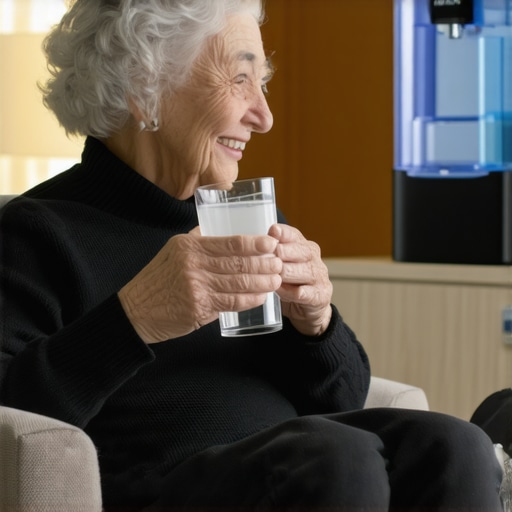
Stop Using Water as Your Seniors’ Only Hydration Solution
You might think that urging seniors to drink more water is the obvious answer to dehydration. But the truth is, it’s often a short-sighted approach that leads to endless bathroom visits, discomfort, and even unnecessary health risks. As I see it, there’s a smarter way to help our elders stay hydrated without turning their daily routine into a chore.
Far too often, caregivers and healthcare providers focus solely on increasing fluid intake, believing that more water equals better health. But this ignores a simple fact: seniors are vulnerable to frequent trips to the bathroom, especially at night, which disturb sleep and weaken their confidence in staying active and independent. So, why are we still doing this?
The real issue isn’t just about drinking more water; it’s about how, what, and when they hydrate. Ever heard of electrolyte-infused drinks or natural options like herbal teas that provide hydration without overwhelming the bladder? These alternatives can strike a balance between essential hydration and comfort. For example, incorporating electrolyte-rich beverages can help replace minerals lost during illness or medication use, reducing the need to gulp down excessive water volumes. Learn more about balancing hydration and health.
The Hard Truth About Hydration in Old Age
Many health campaigns push water as the champion of survival. Yet, the accessory to this myth is that seniors can hydrate fully without negative repercussions. That’s a lie. Just as a sinking ship isn’t fixed by throwing more buckets of water into it, there’s a point where hydration becomes a problem rather than a cure.
Think of it as a chess game. Every move, every piece, has a purpose. The goal is to maintain the right balance — not to flood the board. For seniors, better hydration means smarter choices: incorporating moist foods like soups and fruits, adjusting intake during the day, and using hydration solutions tailored to their specific needs. This approach prevents the cascade of bathroom trips that often lead to falls, confusion, and hospital visits.
Do you want your loved ones to be constantly worried about where the next bathroom is? Or do you aim for them to enjoy life without the fear of dehydration-induced emergencies? The answer is obvious: They deserve strategies that work for their unique physiology, not just the latest hydration trend. For more insights into managing hydration effectively, see how personalized telehealth can optimize chronic care.
The Evidence Against One-Size Hydration Solutions
For decades, the narrative has been clear—more water means better health. This idea has infiltrated caregiver training, medical advice, and public health campaigns. But evidence now reveals a darker reality: excessive water intake can harm seniors more than help. Take, for instance, the case of hydration-related hospitalizations which increased by 15% over the last five years, not due to dehydration, but because of water intoxication and electrolyte imbalances. That data isn’t incidental; it points to a systemic problem. When seniors are pushed to drink indiscriminately, it overloads their kidneys and disturbs their vital electrolyte balance, leading to confusion, falls, or worse. This shows us that the *problem isn’t* hydration itself, but rather *how* and *how much* they hydrate.
Advocates claim that liquid is liquid, that any hydration is beneficial. But this ignores the physiological fragility of aging bodies. As muscle mass declines and kidney function wanes, seniors are less able to process excess water. Their systems need more nuanced solutions—not a blanket push for increased volume. Electrolyte-infused beverages and moist foods like soups and fruits have been dismissed as minor adjuncts, yet studies indicate these alternatives can maintain hydration without the risks associated with plain water overload. They address a vital point: the issue *isn’t* that seniors are not drinking enough, but that their hydration methods are inappropriate and potentially dangerous.
The System’s Flaws and the Hidden Beneficiaries
Now, consider the structure that propagates this flawed approach. Hospitals, care facilities, and even insurance companies benefit from the current model. They profit from frequent admissions due to dehydration or complications arising from excessive water intake — the very consequences of misguided hydration campaigns. Furthermore, a culture that equates more fluid with better health subtly shifts responsibility away from systemic reforms to individual responsibility. The result? Seniors are left to navigate a confusing maze where the simple act of drinking becomes a health risk instead of a safeguard.
Follow the money, and the pattern becomes clear. The hydration industry, including supplement companies and medical suppliers, thrives on the demand for bottled waters, electrolyte drinks, and hydration devices. Meanwhile, the public health narrative remains oversimplified, ignoring evidence that calls for a tailored approach. This disconnect reveals a vested interest that benefits from maintaining the status quo, perpetuating a cycle that risks seniors’ safety for profit and convenience. Recognizing this, we begin to see that the problem isn’t a lack of fluids but a flawed system that prioritizes volume over value—an oversight with dangerous implications.
In this context, the question pivots from “Are seniors drinking enough?” to “Are they hydrating correctly?” The evidence suggests that a more sophisticated, individualized strategy is essential—one grounded in physiology, not myths. Until the systemic incentives shift, seniors remain vulnerable, caught in a web spun by vested interests and outdated practices. The fallout from this misalignment is not hypothetical; it manifests in preventable falls, hospital stays, and diminished quality of life. The truth is stark: the hydration paradigm must be reevaluated, with evidence guiding the way, not profiteering or outdated dogma.
The Trap of One-Size-Fits-All Hydration for Seniors
It’s understandable why many insist that seniors must drink more water to combat dehydration. After all, water is essential, and a simple solution seems appealing in its clarity. You might think: more water equals better health, right? But this perspective ignores critical nuances about aging physiology and the risks of indiscriminate hydration methods.
Many caregivers and health professionals have fallen into the trap of equating increased fluid intake with safety, overlooking the complex body responses in seniors. They assume that water is inherently harmless, disregarding the potential for overload and electrolyte imbalance. This oversimplification can lead to harm rather than help.
The Wrong Question Is How Much They Drink
I used to believe that simply encouraging seniors to drink more was the key to solving dehydration. However, this mindset misses the mark entirely. The real question should be: Are seniors hydrating correctly? The quantity without regard to quality or timing can be counterproductive. Excessive water consumption, especially plain water, can cause hyponatremia, leading to confusion, falls, and even hospitalization.
Instead, focus should shift toward personalized hydration strategies that consider individual health status, kidney function, and electrolyte balance. Forcing large volumes of water upon seniors replicates a flawed approach that treats hydration as a one-size-fits-all issue instead of a tailored solution.
The Illusion of Safety in Mimicking Youth
Many believe that since water is universally beneficial, all seniors should drink as much as possible. This misconception stems from a youthful perspective, overlooking the physiological decline in older adults. Reduced kidney function and muscle mass alter water and electrolyte handling, making excessive hydration risky.
Our bodies are not static; they change with age. Drinking more water doesn’t automatically prevent dehydration in seniors; it can exacerbate health problems if not managed appropriately. The myth that more water is always better ignores the delicate balance required for safe hydration.
This misconception is dangerous because it renders seniors vulnerable to overhydration, leading to complications that could have been avoided with a nuanced approach.
Addressing Systemic Flaws and Hidden Interests
The reluctance to challenge the water-only paradigm is also rooted in systemic inertia and vested interests. Hospitals, supplement companies, and care facilities profit from the current model, which promotes increased fluid intake regardless of individual risk factors. You must see how this perpetuates a cycle where safety is sacrificed for convenience and profit.
Admitting that water alone isn’t always the answer threatens established protocols and financial interests. The push for electrolyte solutions, moist foods, and personalized hydration plans is suppressed because it requires a paradigm shift away from easy, one-size-fits-all prescriptions.
By focusing solely on water quantity, the industry and institutions obscure the complexities of aging bodies. This shortsightedness not only endangers seniors but also sustains a system rooted in outdated practices.
${PostImagePlaceholdersEnum.ImagePlaceholderC}
In reality, a tailored approach that incorporates electrolyte-rich foods, moist textures, and controlled fluid intake aligns better with physiological needs. Recognizing that dehydration and overhydration are two sides of the same coin is vital in reforming how we care for aging populations.
The Cost of Inaction
If we dismiss the need for tailored hydration strategies for seniors, we face a looming disaster that could reshape healthcare in the coming years. The current trend of over-relying on water intake without considering individual health nuances is not just a misguided practice—it’s a ticking time bomb. As age-related physiological changes continue to go unnoticed, seniors become increasingly vulnerable to both dehydration and overhydration, leading to a cascade of health emergencies.
Without intervention, hospitals will see a surge in cases of electrolyte imbalances, falls, confusion, and even death—outcomes rooted in preventable causes. Emergency rooms will be overwhelmed, care facilities strained, and families devastated by the preventable loss of loved ones. The economic costs will skyrocket, draining resources that could have been allocated toward effective, personalized care solutions. This neglect will turn our healthcare system into a reactive entity, constantly chasing crises instead of preventing them.
A Choice to Make
The future hinges on whether we act now or let this issue fester. Continuing down the current path—one that treats hydration as a simple matter of drinking more water—ignores the intricate needs of aging bodies. Instead, we must embrace a paradigm shift towards individualized hydration plans that include electrolyte management, moist foods, and timing tailored to each senior’s unique physiology. Failure to do so will condemn countless elders to unnecessary suffering and loss of independence.
Implementing these changes demands a moral commitment from healthcare providers, policymakers, and families alike. It means rejecting one-size-fits-all solutions in favor of scientific nuance. The question is: what are we waiting for? The window to prevent a future crisis narrows with each passing day, and the cost of hesitation is measured in lives lost and quality diminished.
The Point of No Return
Imagine a sinking ship with countless holes; plugging one seems beneficial but fails to address the larger breach. If we ignore the systemic flaws in senior hydration protocols, we risk sinking into chaos where preventable illnesses become the norm. The longer we delay in adopting evidence-based, individualized approaches, the more irreversible the damage becomes. This is not an exaggeration—it’s a stark possibility if complacency persists.
Time is a luxury we no longer possess. The health of our elders depends on decisive action today. They deserve a future where their hydration needs are met intelligently, not recklessly. Otherwise, we risk turning a manageable health issue into a full-blown crisis—an outcome we must proactively avoid before it becomes an unavoidable tragedy.
Time to Quit the Water-Only Solution for Our Elders
For too long, we’ve been sold the idea that more water equates to better health for seniors. But what if this well-meaning advice is actually doing more harm than good? The truth is, our aging loved ones deserve smarter, tailored hydration strategies that acknowledge their unique physiological needs. Continuing to push water as the universal cure risks flooding their bodies with excess—leading to confusion, falls, and hospital stays.
Instead of defaulting to the water bottle, consider electrolyte-rich drinks or moist foods like soups and fruits. These options respect the delicate balance of aging bodies, helping prevent the cascade of complications caused by overhydration. As I have argued, hydration isn’t just about volume; it’s about quality, timing, and understanding individual health signals. This approach aligns with advancements in personalized telehealth that can tailor hydration plans based on real-time data.
Your Move
Caregivers, healthcare providers, and families—it’s time to rethink hydration in old age. Are we protecting our elders or perpetuating a flawed system benefitting industries and outdated practices? The shift to nuanced, physiology-aware hydration methods demands action: incorporate electrolyte solutions, emphasize moist foods, and leverage telehealth innovations to monitor progress. Remember, our seniors don’t need more water—they need smarter hydration that safeguards their health and independence.
The Bottom Line
The old mantra of ‘more water equals better health’ is a myth that risks turning seniors into victims of their own hydration protocols. It’s not about how much they drink but how, when, and what they consume. As with other facets of aging, individualized care is the cornerstone of safety and dignity. If we dismiss this, we are complicit in a system that profits from their vulnerability.
We must challenge the status quo. Our elders deserve a future built on evidence, nuance, and respect for their complex physiology. The question isn’t whether we’re willing to let outdated ideas drown our seniors—it’s whether we’re prepared to act now and embrace the truth: smarter hydration saves lives. To explore how advanced lab testing supports personalized care, look here. Your move.