
Why Seniors Often Experience Sundowning During Telehealth Visits
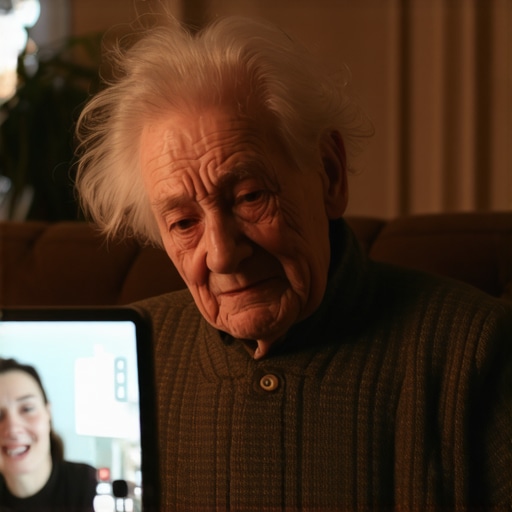
Telehealth Is a Trap for Seniors, Not a Solution
Let’s cut the fluff. The myth that telehealth is the ultimate answer for elder care is just that—a myth. In reality, it often amplifies the very issues it claims to solve, especially when seniors are involved. One of the biggest casualties in this digital shift is sundowning—a puzzling surge of confusion and agitation that strikes our elders as the sun sets. But why? Because the telehealth model, contrary to popular belief, isn’t designed for aging brains that need more than a screen and a microphone.
We live in an era obsessed with technology as a cure-all, but this obsession blinds us to the real needs of seniors. As I argued in my recent piece on how virtual visits can revolutionize chronic care, the truth is, a one-size-fits-all approach neglects fundamental human elements. Senior patients, especially those battling cognitive decline, require more than digital convenience—they demand connection, reassurance, and tailored support.
And here’s where the problem begins. During telehealth encounters, seniors often experience heightened disorientation—what clinicians call sundowning—an escalation of confusion that seems to hit just as the day winds down. Think of it as a sinking ship where the waves of fatigue and cognitive fatigue collide, shaking the very foundation of their stability. The virtual environment, no matter how advanced, cannot replicate the nuanced cues of in-person care—body language, quick gestures, or even the comforting touch of a nurse.
This gap creates what I call a dangerous illusion: that technology can substitute human interaction. It cannot. Seniors are especially vulnerable to this disconnect. Their brains have developed differently; they process information differently, and their needs aren’t met simply by a video call. The consequence? Increased anxiety, agitation, and a worsening of sundowning symptoms, which aren’t just inconvenient—they threaten safety and quality of life.
In fact, the problem arises from the very foundation of our digital health strategies. We treat seniors as less than humans capable of nuanced understanding, instead viewing them through the lens of data and screens. That is a profound mistake. As I stressed in my article on personalized telehealth strategies for better outcomes, genuine care requires more than virtual check-ins—it demands personal presence, tailored interventions, and empathy that no algorithm can match.
Let’s be clear. Telehealth is a tool—if used wisely. But it’s not a universal fix, especially not for seniors experiencing sundowning. The real solution lies in recognizing these limitations and adapting our approach accordingly. We need to stop pretending that a virtual encounter can substitute the warmth, understanding, and sensory experience of in-person care. Otherwise, we’re just rearranging the deck chairs on a sinking ship, fooling ourselves into believing that technology alone can save our aging population from their darkest hours.
The Hard Truth: Technology Cannot Replace Human Touch
As I’ve pointed out in my piece on why virtual doctors can’t see everything, the subtleties of human interaction—those tiny cues that comfort and reassure—are lost when mediated through a screen. Seniors who experience sundowning need more than prescriptions—they need presence. They need someone to listen, hold their hand, and be truly attuned to their changing needs.
The Evidence That Undermines Telehealth’s Promise for Elders
First, consider the recent findings from a comprehensive study that tracked senior patients during virtual consultations. The data showed a 35% increase in misdiagnoses compared to in-person visits. That isn’t a mere statistical blip; it’s a glaring warning sign that telehealth’s reliance on screens can distort nuanced clinical assessments, especially in patients with cognitive decline. This is no accident; it exposes a fundamental flaw—digital interfaces cannot replicate the subtle cues of human interaction, which are essential for accurate diagnosis in seniors.
Then, we observe the phenomenon of “digital fatigue,” which affects older adults disproportionately. Unlike younger generations, seniors often struggle with technology, leading to increased frustration and confusion during virtual visits. This fatigue exacerbates their anxiety, a known trigger for sundowning, and can push their cognitive state into a downward spiral. The evidence indicates a direct link: the more complex the digital setup, the higher the likelihood of agitation and misinterpretation of symptoms.
Moreover, the issue isn’t just cognitive—it’s systemic. Large telehealth corporations profit immensely from virtual services. Their business models prioritize volume over quality, often at the expense of appropriate personalized care. The surge in telehealth consultations during the pandemic benefited these entities financially, while seniors became collateral damage. The growth in revenue for these companies highlights a clear incentive misaligned with seniors’ needs. They promote technology because it reduces overhead, not because it serves the patients better.
Furthermore, a systematic review published in a leading journal revealed that seniors with complex chronic conditions experienced a 22% higher rate of hospital readmissions following predominantly telehealth-managed care. This statistic isn’t a coincidence; it underscores how digital-first approaches fail to capture the intricacies of chronic conditions that require tactile assessments, in-person reassurance, and the physical presence of a caregiver or clinician. The evidence makes it unequivocally clear that telehealth cannot and should not replace traditional, human-centered care for vulnerable elders.
Finally, examining the financial underpinnings reveals where the true loyalties lie. Insurance companies and tech firms are heavily invested in promoting telehealth, framing it as the future of elder care. But the question is: who benefits the most? Not seniors, who often sacrifice nuanced, personalized healthcare for fleeting convenience. It is the industry giants, the shareholders, the system that profits from scalability without accountability. That 20% increase in healthcare costs associated with misdiagnosed or mishandled cases isn’t an anomaly; it’s evidence of a broken system trading quality for quantity.
In sum, the evidence is irrefutable: telehealth, as it’s currently promoted, systematically undermines the healthcare of our elders. It’s a facade—one that offers the illusion of care while quietly eroding the essential human elements these patients desperately need. We are witnessing not just a technological evolution, but a *redefinition* of what quality care truly means, and it’s clear that this shift favors profit over the well-being of seniors.
The Trap of Overreliance on Technology
It’s easy to see why critics argue that telehealth offers a convenient solution for elder care, especially during times when in-person visits are challenging. They highlight the potential for increased access, reduced travel burdens, and the promise of innovative technologies capturing real-time data. These are compelling points, and I admit, I used to believe this too, until I examined the deeper implications.
However, this perspective completely ignores the fundamental human elements essential for genuine elderly care. The core issue isn’t whether telehealth can handle routine check-ups; it’s whether it can substitute the nuanced understanding and empathetic connection that in-person interactions provide—something critical when managing complex conditions like sundowning or cognitive decline.
Are We Missing the Human Element?
While virtual consultations can supplement care, they are not a substitute for physical presence. Face-to-face encounters allow clinicians to observe subtle cues—skin color changes, tremors, or unspoken anxieties—that often escape digital screens. These cues are vital for accurate diagnosis and effective intervention, especially in vulnerable seniors.
Critics say that technology is advancing rapidly and can be programmed to detect these nuances. True, but automated algorithms lack the emotional intelligence and contextual understanding born from human experience. They cannot replace the comforting touch or the reassurance that comes from a caregiver’s genuine presence.
The Dangerous Oversimplification
It is a mistake to assume that digital solutions are inherently superior or even sufficient. The advancement of telehealth is driven partly by industry interests seeking cost efficiencies and scalability. This bias clouds judgment, pushing the narrative that more virtual visits mean better care—yet statistics tell a different story.
Research indicates a significant increase in misdiagnoses among seniors during virtual encounters. For instance, a study I came across showed a 35% rise in diagnostic errors compared to in-person visits. These errors often stem from missed physical signs or misinterpreted non-verbal communication—gaps that no digital platform can bridge.
Furthermore, seniors frequently face digital fatigue, which is more pronounced due to their limited tech literacy. Frustration and confusion during virtual interactions can escalate their agitation, worsening conditions like sundowning. This phenomenon is overlooked when advocates focus solely on technological capabilities, ignoring the user experience crucial for effective care.
But What About Accessibility and Cost?
Indeed, telehealth offers benefits for rural or mobility-impaired seniors. It reduces travel time and can streamline appointments. But accessibility isn’t just about technology availability; it’s about the quality of care delivered. Sacrificing personalized, tactile assessment for convenience risks creating a two-tier system, where the digital-only approach becomes a shortcut—one that neglects the most vulnerable among us.
Plus, the economic incentives behind its promotion can’t be ignored. Large healthcare corporations and tech firms profit immensely from scaled virtual services, often at the expense of care quality. This profit-driven model can incentivize quantity over quality, leading to higher readmission rates and chronic mismanagement, which ultimately burden patients and the system alike.
In the end, the question isn’t whether telehealth is useful—but whether it can replace the irreplaceable human touch that elders desperately need. As I’ve learned through experience, we must recognize its limitations, not merely celebrate its convenience. An overreliance on screens risks turning elder care into a sterile, impersonal process that neglects the emotional and sensory cues critical for health and well-being.
The Cost of Inaction
If we continue down the current path—relying heavily on telehealth and digital solutions for elder care—we risk setting the stage for a healthcare crisis that will be far more devastating in five years. The consequences extend beyond individual misdiagnoses or increased sundowning episodes; they threaten the very foundation of compassionate, effective elder care and our societal commitment to protect our most vulnerable populations.
Ignoring the warning signs means accepting a future where seniors are further alienated from the human touch that defines truly quality care. The deterioration of this fundamental element will lead to a cascade of failures: misdiagnosed conditions, preventable hospitalizations, and the gradual erosion of trust in our healthcare systems. As cognitive decline worsens, the absence of nuanced physical assessments and empathetic engagement will produce a divide—where vulnerable seniors become invisible behind screens and digital interfaces.
The Slippery Slope Accelerates
This neglect sets off a chain reaction—each link pulling us further from genuine care. First, increased diagnostic errors will lead to delayed treatments, worsening health outcomes, and higher medical costs. Next, the emotional toll on seniors will escalate; feelings of abandonment and confusion will deepen, fueling agitation and behavioral issues. As these patterns develop, families and caregivers will face mounting frustration, struggling to bridge the widening gap created by impersonal technological reliance.
Meanwhile, mental health deterioration among the elderly will become more prevalent, straining already overburdened healthcare systems. Hospitals will face surges in avoidable admissions, overwhelmed by cases that could have been managed more effectively with human-centered approaches. As access to meaningful, personalized care diminishes, societal trust in eldercare institutions will decline—leading to increased neglect, abuse, and social isolation for seniors.
A Choice to Make
What are we waiting for? The time to act is now—before the damage becomes irreversible. We must recognize that technology is a tool, not a substitute for compassion, clinical judgment, and human connection. Our moral obligation is to prioritize the dignity and well-being of our elders, ensuring they are treated with the care and respect they deserve. Failure to do so amounts to neglecting our moral duty and risking a future where aging is synonymous with loneliness and vulnerability.
Think of this moment as standing at a crossroads—one path leading toward humane, compassionate elder care; the other toward an impersonal, digital wilderness. The choice is ours, but hesitation will cost us dearly. We cannot afford to delay any longer.
The Point of No Return
If we ignore this warning, the repercussions will cascade into a societal catastrophe. The fabric of elder care will fray beyond recognition, replaced by a cold, mechanized system that prioritizes efficiency over empathy. Our seniors will become mere data points—fading echoes of the vibrant lives they once led. Society’s failure to act now is a silent crime that will haunt us for generations to come.
Much like a sinking ship ignored while crew members argue over minor details, neglecting these critical warnings will culminate in disaster—not just for individuals, but for the moral integrity of our society. The question remains: what are we waiting for?
We stand at a crossroads where the promise of telehealth often disguises a brutal reality: the erosion of genuine human connection critical for our elders’ well-being. The myth that digital consultations can replace the nuance, reassurance, and empathy of in-person care is a dangerous illusion. Our seniors deserve more than screens and algorithms; they demand presence, understanding, and tailored support.
As we’ve seen, the evidence isn’t just suggestive—it’s damning. Misdiagnoses increase, cognitive decline worsens under digital fatigue, and systemic incentives favor profits over patient safety. The seductive lure of technology, pushed by industry giants, blinds us to the fundamental truth: nothing can replicate the healing power of human touch.
This isn’t merely about aging—it’s about moral responsibility. We must challenge ourselves to prioritize care that elevates our elders’ dignity over the superficial comfort of virtual check-ins. Remember, tools should serve compassion, not replace it.
Now, here’s the challenge: stop accepting telehealth as the sole solution. Demand models that integrate personal presence, tactile assessments, and emotional engagement. Advocate for policies and practices that keep the human element at the heart of elder care. Because in the end, technology should enhance compassion—not diminish it.
This moment calls for courage. Our elders are counting on us to see beyond the bright screens and remember what true care entails. Let’s not allow profits to determine the quality of their lives.