
The Early Warning Signs of Type 2 Diabetes Most People Ignore
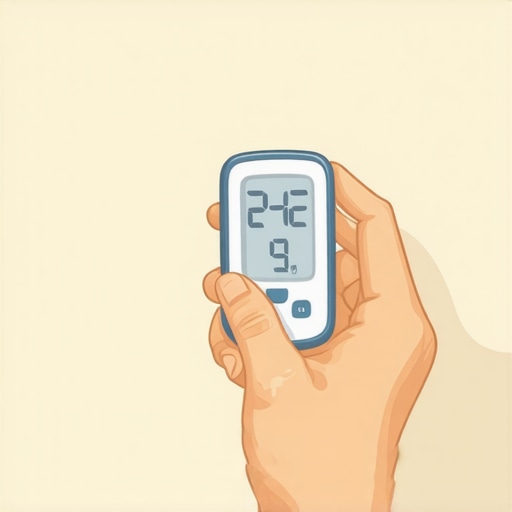
The Hidden Dangers That Could Be Preparing the Ground for Diabetes
Everyone talks about the big symptoms—excessive thirst, frequent urination, blurred vision. But the reality is, by the time those appear, your body has been silently signaling trouble for years. The question is: are we paying attention to the subtle whispers before they turn into shouts?
I argue that most people ignore the crucial early warning signs of type 2 diabetes—signs that, if recognized early, could save lives. These aren’t the obvious signals broadcasted on the billboard of health. Instead, they are quiet, often dismissed as minor inconveniences or mere aging.
Here’s the hard truth: our healthcare system and personal habits have lulled us into a false sense of security. We think diabetes is a disease of the obese or the elderly, but in reality, it’s a disease of neglect—neglecting the small, almost invisible signs that accumulate over years. Ignoring these signs is akin to a chess game where you keep sacrificing pawns, oblivious to the imminent checkmate.
The Market is Lying to You
Devices like continuous glucose monitors and lab tests can keep you a step ahead, but their real potential is wasted if you don’t understand what to look for. Many believe that regular blood work is enough, but it’s the small deviations in blood sugar levels and other metabolic markers that often precede the diagnosis.
Think of your body as a sinking ship. If you keep bailing water without repairing the leak, you’re fighting a losing battle. The leak in metabolic health might be tiny insulin resistance or mild inflammation, but ignoring these is the equivalent of ignoring the growing cracks in the hull.
Why We Are Our Own Worst Enemies
The culture of busyness, convenience, and denial blinds us. We prefer to dismiss symptoms like fatigue, unexplained weight gain, or minor skin changes as normal aging or stress, rather than red flags. This attitude is dangerous because the earliest signs are often dismissed as trivial.
One of the most overlooked signs is persistent skin condition. A study I came across highlights how skin tags and darkened patches—called acanthosis nigricans—are often the body’s way of signaling insulin resistance. Recognizing these can be a game-changer, yet many ignore them or attribute them to poor hygiene or aging.
Similarly, subtle changes in energy levels, even slight numbness in feet, or recurring yeast infections can be early signs of disrupted glucose metabolism. The problem is, these warning signs are often dismissed because they don’t seem urgent.
Gathering Data Before It’s Too Late
Advanced telehealth options and at-home testing kits are making it easier to catch these signs early. But knowing that is not enough; understanding what’s normal and what’s alarming is crucial. Regular check-ins with your healthcare provider, like those I discussed through modern telehealth innovations, can help prevent the disease from taking hold.
Don’t wait until you’re desperate for urgent care or, worse, diagnosed alongside a host of preventable complications. Recognize the tiny signals—like increased fatigue or skin changes—and act. Because when it comes to type 2 diabetes, the real battle is won or lost in the early, often ignored, moments.
Unmasking the Codes of Neglect in Metabolic Health
When examining the rising tide of type 2 diabetes, one cannot ignore the patterns buried within our healthcare assumptions. The evidence suggests that we’ve normalized subtle signs—skin tags, fatigue, minor numbness—and dismissed them as trivial. But why? The answer lies in the entrenched flaws of our health system and societal priorities.
Data indicates that acute diagnosis often follows years of neglecting these minor signals. For instance, studies show that skin tags and acanthosis nigricans precede diagnosis by an average of five years. Yet, these signs are shrugged off as cosmetic issues or aging. This isn’t mere oversight; it’s a systematic failure that benefits certain vested interests.
The Roots of the Oversight
Here’s where the analysis deepens: our medical approach is reactive, not proactive. We wait until blood sugar spikes to intervene, ignoring the silent buildup of insulin resistance. Faster, cheaper, more profit-driven testing methods—like routine labs—fail to flag early deviations unless they reach a critical threshold. The problem isn’t just medical ignorance; it’s a profit-centered model that benefits from late diagnoses.
Moreover, the marketing of devices and tests fuels a cycle of false reassurance. Continuous glucose monitors and advanced lab panels are marketed as revolutionary, but they often detect only established disease, not the preclinical stages. This strategy benefits device manufacturers and labs more than patients, who remain unaware of the *tiny deviations* signaling impending disaster.
The Follow-the-Money Trail
Who profits from this inertia? The healthcare industry, for one, thrives on treating advanced disease. Pharmaceuticals, surgical centers, and specialists all benefit from late-stage diagnoses—they’re the ones who profit from the consequences of ignored early signs. Conversely, early intervention is less lucrative, which explains why early detection tools and patient education are underfunded and underemphasized.
This is no coincidence. The structure of the healthcare economy incentivizes delayed diagnosis. Insurers and providers prefer chronic management over prevention. It’s a cycle where neglect becomes profitable, and early signs remain unaddressed—until it becomes a crisis. The subtle clues are there, yet the system chooses to overlook them, channeling resources into more lucrative, symptomatic treatments.
Why Our Habits Reinforce the Cycle
Beyond systemic flaws, societal behavior plays a pivotal role. The culture of busyness and instant gratification discourages reflection on minor health anomalies. Fatigue becomes a badge of honor, not a warning sign. A slight skin change? Ignored. Because acknowledging these signals often implies a lifestyle overhaul—an inconvenient truth that no one wants to face.
Furthermore, the normalization of stress and poor diet accompanies the diminishing recognition of early signs. The more we accept fatigue, weight gain, and skin changes as “normal,” the broader the failure becomes. It’s a collective abdication of responsibility that feeds into the cycle of neglect and late diagnosis.
The Hidden Cost of Ignoring Evidence
Every ignored skin tag, every dismissed fatigue, compounds into a flood of preventable disease. The evidence is unequivocal: early recognition saves lives. Yet, the system and society conspire to keep us blind to these signals—because the economic incentives favor the status quo.
In this dance of denial, we become unwitting accomplices. The evidence keeps piling up, revealing that the real obstacle to combating diabetes isn’t just biology—it’s a broken cycle of neglect fueled by profit and complacency. Recognizing the signs early isn’t just good practice; it’s a protest against a system that profits from our silence.