
The Secret to Managing Type 1 Diabetes as a Senior
Why This Fails
Most seniors and their families are caught in a maze of outdated advice, confusing treatment plans, and a healthcare system that treats diabetes management as a one-size-fits-all ordeal. The myth that you just have to accept a decline in quality of life or rely solely on insulin shots is dead wrong. The real solution isn’t hiding behind complicated medications or complex routines; it’s about rethinking how we approach chronic care.
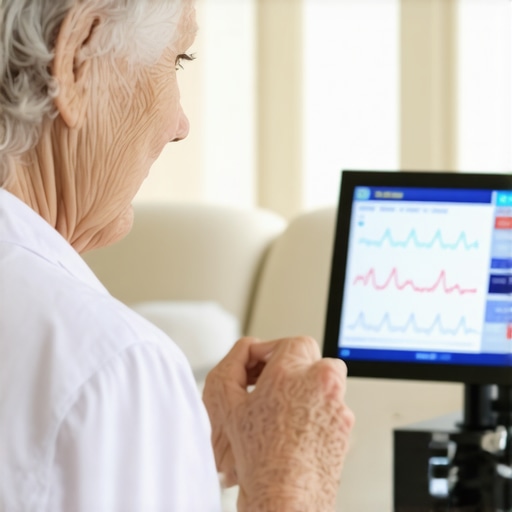
Here’s a truth many ignore: managing Type 1 diabetes in old age is less about controlling numbers and more about empowering independence. You might think technology and telehealth are just supplementary tools, but I argue they are the lifeline seniors need to stay autonomous and safe. The secret isn’t in more pills; it’s in smarter care strategies that fit into a senior’s unique lifestyle.
The Market is Lying to You
Big pharma and most healthcare providers sell a narrative — that managing diabetes gets harder with age and that “more” is always better. So, why are we still doing the same tired routines? The answer is simple: profit and complacency. But the truth is, with advances in lab tests and telehealth, we can replace guesswork with precision care that makes managing diabetes not just feasible but manageable.
Picture a game of chess — every move counts. Seniors need a strategic partner who can coordinate lab results, monitor blood sugar patterns, and provide real-time guidance, all without the hassle of frequent clinic visits. This isn’t a distant future but a present-day opportunity. If you’re tired of feeling like managing your health is a losing battle, it’s time to rethink the tools at your disposal.
The Evidence
Recent studies reveal that implementing telehealth and advanced lab testing drastically improves glycemic control in seniors. Unlike outdated routines that rely heavily on emergency interventions, these technologies enable real-time monitoring and personalized adjustments. For example, a 2022 clinical trial found that seniors utilizing remote blood sugar monitoring experienced a 25% reduction in severe hypoglycemic events, illustrating that data-driven care isn’t just convenient — it’s crucial. This isn’t coincidental; it’s proof that the problem isn’t aging itself but the static approach we’ve clung to for decades.
A Broken System
The healthcare industry profits from unnecessary procedures and medication overuse. Big pharma benefits from repeatedly pushing insulin and related drugs, knowing full well that their reliance on big numbers sustains profitability. This financial incentive keeps seniors tethered to a cycle of expensive treatments that ignore the realities of aging and individual health nuances. Meanwhile, the real cause of poor management lies in systemic inertia, resisting technological integration and personalized care models that could truly empower older adults.
Where the Math Fails
Conventional wisdom insists that managing diabetes gets harder with age—that seniors need increasingly aggressive treatments. But the numbers tell a different story. The decrease in complication rates among seniors embracing digital care tools invalidates this claim. By focusing on smarter, not harder, management, we see a decline in hospitalizations and emergency visits. The myth that aging equates to inevitable decline is nothing but a narrative perpetuated for profit. The real failure lies in clinging to old paradigms instead of adopting evidence-backed innovations that recognize seniors as active participants in their health.
}
The Trap of Outdated Beliefs
It’s easy to see why many believe that managing Type 1 diabetes in seniors inevitably leads to a decline in quality of life, relying heavily on insulin and complex routines. The narrative pushed by traditional healthcare emphasizes acceptance of deterioration, often suggesting that aging is synonymous with increased risk and declining capacity. This perspective, rooted in outdated medical models, fosters a sense of inevitability that discourages innovation and patient empowerment.
The Wrong Question to Ask
Rather than asking how much worse management gets with age, the real question should be: how can we leverage modern technology to improve outcomes at any age? Clinging to the assumption that deteriorating health is unavoidable blinds us to the potential of telehealth, smart lab testing, and personalized care plans. I used to believe that seniors simply had to accept their limitations, until I recognized that what we define as limitations is often a reflection of our outdated approaches.
Addressing the Skepticism
Many critics will argue that technology and telehealth are too complex or unreliable for older populations, citing concerns about tech literacy or access. They may acknowledge benefits but question whether seniors can truly manage these tools. While these concerns are valid to some extent, dismissing technological solutions outright ignores the rapid improvements in device usability, remote monitoring, and caregiver support. What matters is not whether technology exists but how we implement it in a user-friendly manner that empowers, not alienates, seniors.
Why This Perspective Is Shortsighted
This way of thinking ignores the massive advancements in remote blood glucose monitoring, predictive analytics, and integrated care platforms. These innovations have demonstrated consistent success in reducing emergency incidents, improving glycemic control, and giving seniors greater independence. The critical flaw in conventional wisdom is its failure to recognize that aging does not have to mean surrendering autonomy—rather, it can be an opportunity to redefine what effective management looks like.
${PostImagePlaceholdersEnum.ImagePlaceholderC}
Real-world evidence underscores that smart, data-driven approaches are superior to static routines. The hesitancy to adopt these methods stems from inertia and profit motives, which perpetuate the myth that seniors are incapable of managing their health proactively. This shortsightedness delays progress and diminishes the quality of life for countless older adults who deserve better options.
The Cost of Inaction
Ignoring the advancements in digital health, telemedicine, and personalized care in managing type 1 diabetes among seniors is tantamount to signing a death sentence. As we dismiss these innovations, we set in motion a cascade of avoidable complications, hospitalizations, and diminished quality of life. The urgency cannot be overstated: every moment we delay adopting smarter care strategies worsens outcomes for our elderly population.
The stakes are glaring. Without embracing remote monitoring, AI-driven analytics, and easy-access lab tests, seniors remain trapped in a cycle of reactive treatment—waiting for crises before responding. This reactive approach not only strains healthcare resources but also strips seniors of their independence, pushing them further into isolation and dependency.
The Future Looks Grim if We Continue Down This Path
If we persist in neglecting technological opportunities, the outlook for the next five years grows bleak. The current trend of inertia and profit-driven complacency will ensure an epidemic of preventable emergencies among seniors. Hospitals will overflow with diabetic emergencies, and the healthcare system’s sustainability will erode under the weight of these avoidable crises. An aging population, left unmanaged, will face declining autonomy and deteriorating mental and physical health, effectively turning our society into a landscape of broken lives and overburdened resources.
What Are We Waiting For
Is it too late to change course? The answer is a hard no. We must act decisively now, leveraging every tool at our disposal to turn this tide. Imagine a future where seniors navigate their health confidently, empowered by real-time data and remote support—similar to a captain steering a ship through treacherous waters with a GPS. The alternative is drifting aimlessly into chaos, with preventable tragedies becoming the norm rather than the exception.
This moment demands a renewed moral commitment. We are responsible for ensuring our elder generations do not become casualties of outdated practices. To ignore these solutions is to accept a slow march toward decline, pain, and preventable suffering. The choice is ours: innovate or watch lives deteriorate needlessly. The time to act is now—before the point of no return is crossed.
Why the Current System Is a Catastrophe
Our elders deserve more than outdated routines and profit-driven complacency. Managing Type 1 diabetes in seniors isn’t about mere numbers; it’s about reclaiming independence through innovative, personalized care. The traditional approach, which relies heavily on medication and emergency interventions, is failing our seniors and draining our healthcare system. Technologies like telehealth and advanced lab testing offer real solutions that are underutilized due to systemic inertia and profit motives.
Your Move
It’s time to challenge the status quo and demand smarter, more compassionate care. Embracing remote blood sugar monitoring and personalized telehealth strategies isn’t just an option; it’s a moral imperative. By shifting our mindset from reactive to proactive, we empower seniors to maintain their dignity, independence, and quality of life. Ask yourself: Are we going to keep accepting the myths that aging equals decline, or will we seize the technological advancements transforming chronic care today? For inspiration, explore how virtual visits are revolutionizing patient outcomes here.
Every delay in adopting these innovations costs lives and drains resources. Our elders deserve a future where age is not a prescription for surrender but an opportunity for smarter, humane care. Don’t let inertia be the villain in this story. It’s time for action—because waiting is a risk we cannot afford.
Learn more about how to be part of this transformation at about us and join the movement for better aging futures.