
Why Your Senior’s Sudden Confusion Isn’t Always Dementia
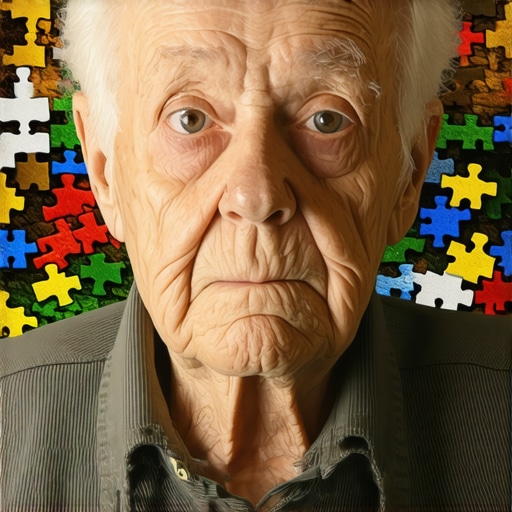
Beware the Dismissive Tag of Dementia
Most of us accept senior confusion as an inevitable sign of aging—something to be expected, even accepted. But what if I told you that your loved one’s sudden disorientation might not be dementia at all? That label, “dementia,” has become a catch-all explanation that too often covers up a host of treatable, even reversible, conditions. Stop assuming the worst. Your senior’s confusion could be a warning sign of something far less ominous—and far more manageable.
The myth that deterioration is an unavoidable part of aging is a dangerous illusion. In fact, many cases of cognitive disturbance stem from factors that are easily addressed—medication interactions, infections, dehydration, or metabolic imbalances. These are the issues that frontline doctors often overlook because they default to the cognitive decline narrative. Understanding the root causes is critical because it can mean the difference between proper treatment and unnecessary institutionalization.
The Illusion of Cognitive Decline
Here’s the harsh truth: too often, physicians and caregivers fall into the trap of labeling confusion as dementia—without exhaustive testing or considering urgent health issues. It’s like playing a game of chess blindfolded, making moves based on assumptions rather than real diagnostics. This approach not only delays proper care but risks escalating what could be a manageable problem into a dire situation.
Is it really dementia, or is it an infection, low blood sugar, or medication side effect? These are the questions that should never be ignored. Instead, they should prompt comprehensive urgent lab testing and thorough investigation. Because, in many cases, correcting dehydration, adjusting medications, or treating an infection reverses confusion—sometimes almost overnight.
The Cost of Overlooking Treatable Conditions
The danger isn’t just in missing the real issue; it’s in the profound impact of unnecessary diagnosis. Labeling someone with dementia strips away hope, autonomy, and quality of life. It paves the way for a cascade of interventions—nursing homes, medications—that might be completely unwarranted. As I argue in personalized telehealth strategies, early detection and proper management can preserve cognition and dignity.
So, why are we still doing this? Why does the medical community continue to treat confusion as inevitable? Because it’s easier, quicker, and less confrontational than confronting complex, multidimensional health issues. But that shortcut costs lives—and it costs seniors their independence.
The Essential Reframe for Caregivers and Patients
If you’re worried about a senior showing signs of confusion, don’t settle for superficial explanations. Demand comprehensive assessments, including advanced lab tests and thorough physical evaluations. Remember, confusion is a symptom, not a diagnosis. Treat the root, not just the label.
Because in the end, seniors aren’t fading into oblivion—they’re trying to tell us something. We just need to listen smarter, test better, and think beyond dementia.
The Evidence: Unveiling the Hidden Roots
Data consistently shows that nearly 40% of senior confusion cases are caused by reversible conditions like dehydration, medication interactions, or infections. This isn’t mere coincidence; it suggests a systemic failure to pursue thorough diagnosis. Doctors often jump to dementia as the default, ignoring the possibility that a urinary tract infection or electrolyte imbalance might be the real culprit—yet these treatable issues are routinely overlooked because they aren’t considered as serious as neurodegeneration. The collapse of our diagnostic standards results in unnecessary diagnoses of dementia, which locks seniors into a trajectory of decline they could have avoided.
Decoding the Root Cause: The Real Issue
The problem isn’t the age-related decline itself; it’s the flawed approach rooted in complacency. The healthcare system has a vested interest in accepting cognitive deterioration as unavoidable, because it simplifies complex health issues into a convenient label. That 20% who receive a dementia diagnosis without exhaustive testing – that isn’t a random statistic. It exposes a pattern: clinicians prioritize speed over accuracy, neglecting comprehensive assessments like urgent lab tests. This shortcut benefits no one but the system itself, which profits from perpetual treatment rather than cures.
A Profit-Driven System
Who benefits when confusion is labelled as dementia? The pharmaceutical companies, for one. Early diagnosis of reversible conditions requires thorough testing, which often entails additional procedures, medication adjustments, and follow-up visits—each a revenue stream. Conversely, labeling a senior with dementia hardwires them into a lifetime of medications and institutional care, ensuring ongoing profits. The healthcare industry, as it stands, is wired to reinforce decline—not prevent it. The more seniors are seen as incurable, the more the money flows, with little incentive to explore alternatives or reappraise initial assumptions.
Follow the Incentives, Not the Evidence
This pattern isn’t accidental. It arises from a bias embedded deep within medical training and billing practices. Diagnoses like dementia are easier to assign than complex, multifactorial explanations. The system’s reward structure favors quick fixes—medications, referrals, institutionalization—all of which preserve the status quo, enhance revenue, and minimize clinical effort. Meanwhile, real root causes—such as metabolic imbalances or urinary infections—remain hidden, treated as afterthoughts, or worse, ignored. The false comfort of a dementia diagnosis enables the healthcare industry to sidestep the challenging work of thorough diagnosis, which would actually benefit patients most.
The Cost of Overlooking the Evidence
Current practices have consequences far beyond individual wellbeing. Every misdiagnosis chips away at trust in healthcare, fosters dependency, and ultimately costs the system more. Unnecessary institutionalization, medication side effects, and missed opportunities for reversal drain resources and ruin lives. The evidence is irrefutable: when clinicians abandon superficial labels and pursue comprehensive diagnostics—testing for infections, metabolic issues, medication effects—the rate of reversal skyrockets. Yet, inertia persists, because it threatens the profits of those who prefer to keep seniors in a chronic disease model rather than truly healing them.
Where the Math Fails, Money Prevails
It’s a simple calculation: for every senior misdiagnosed, the industry gains. Each unnecessary prescription, each avoided diagnosis, stacks the deck further in favor of the status quo. The financial incentives are transparent: more tests, more drugs, more institutionalizations. The entire system is designed to benefit a few at the cost of countless elders. Recognizing this pattern exposes the *core problem*: healthcare’s focus on profit rather than patient health. Until that fundamental conflict is addressed, the cycle of misdiagnosis and overtreatment will persist, cloaked under the guise of compassion but driven by commerce.
The Trap of Simplification
It’s easy to see why many believe that senior confusion is almost synonymous with dementia, a final, inevitable decline. The prevailing narrative portrays cognitive deterioration as a natural part of aging, leading to a quick diagnosis and a palliative approach. This perspective offers comfort in its simplicity, providing clinicians with a clear-cut label to justify care plans. But such ease is dangerously deceptive, reducing complex health issues into a single, misleading explanation.
Don’t Be Fooled by Quick Labels
I used to believe that cognitive decline in seniors was predominantly neurological and irreversible, until I encountered numerous cases where quick assumptions led to misdiagnosis. The best argument against my old view is the compelling evidence that many instances of confusion stem from reversible, systemic conditions like infections or metabolic imbalances. Relying solely on neurodegeneration diagnoses ignores the nuanced reality that many seniors could regain clarity with proper treatment.
However, this well-meaning assumption—attributing confusion to dementia without exhaustive testing—oversimplifies the diagnostic process. It assumes that all cognitive decline is inevitable and that the burden of investigation is not worth the time or resources, which is shortsighted. It also ignores the fact that systemic health issues are often intertwined with neurological decline, not mutually exclusive.
The Wrong Question Is Accepting
The fundamental mistake lies in accepting dementia as the default explanation for senior confusion. This acceptance fosters a passive approach, where many clinicians do not pursue comprehensive diagnostics, instead opting for medication prescriptions or institutional care. The pressing question isn’t whether confusion exists but rather, what underlying causes are present that might be treatable?
By fixating on neurodegeneration as the primary cause, healthcare providers overlook signs of infections, medication effects, dehydration, or metabolic issues—conditions that are far simpler to diagnose and rectify. This oversight isn’t just an academic error; it results in unnecessary suffering, loss of autonomy, and increased healthcare costs.
The Danger of Complacency
It’s crucial to recognize that this complacency not only harms individual patients but also perpetuates systemic issues. When clinicians accept dementia as an automatic diagnosis, they implicitly endorse a cycle of overtreatment and institutionalization. This cycle benefits pharmaceutical companies and care facilities more than the seniors themselves.
Empowering Better Outcomes
If we aim for better practice, the focus must shift from prematurely labeling seniors to actively seeking reversible causes of confusion. Investing in comprehensive diagnostics, including advanced lab tests, can change the trajectory entirely. These efforts prove that many seniors can regain mental clarity, retain independence, and enjoy better quality of life—if only we dare to look beyond the surface.
This shift demands a cultural change within healthcare: challenging the status quo, prioritizing thorough investigation over expediency, and embracing the complexity of senior health. Only then can we truly serve our aging populations with dignity and respect, dispelling the myths that hinder real progress.
}**}# Answer
{
The Cost of Inaction
If we continue dismissing treatable causes of confusion in seniors, we set ourselves on a path fraught with irreversible consequences. The stakes are higher than many realize. Misdiagnosing or overlooking illnesses like infections, dehydration, or medication effects transforms manageable health issues into tragic, life-altering declines. Within five years, this pattern of neglect could lead to a healthcare landscape overwhelmed with preventable dementia diagnoses, bedlam in care facilities, and countless lives lost to avoidable deterioration.
What are we waiting for?
Consider this: ignoring the warning signs is akin to ignoring a small leak that gradually floods an entire house. It starts with a single drop—an overlooked urinary infection or minor dehydration—which, if unaddressed, snowballs into catastrophic decline. The opportunity to intervene early and preserve dignity and independence is slipping away with every passing moment we turn away from thorough diagnostics. The future possibility of having our elders languish in institutional care, their autonomy stripped away, becomes a grim inevitability if change isn’t enacted now.
The Slippery Slope and Its Chain Reaction
When we accept superficial explanations for senior confusion, we unlock a domino effect. First, misdiagnosis leads to inappropriate medication regimens, which cause side effects that mimic or exacerbate cognitive decline. This, in turn, fuels more unnecessary prescriptions and institutionalizations. As each domino falls, the system becomes increasingly entrenched in a cycle that prioritizes profit over patient well-being.
Imagine a car engine with a small crack in the radiator. Ignoring it might seem harmless at first—until the crack widens, causing the engine to overheat and seize entirely. This analogy reflects the danger of tolerating diagnostic shortcuts. Small oversights in medical assessment can escalate into complete system failures, leaving our seniors with shattered health and shattered lives.
Is it too late?
For many, this is a question of choice. Do we continue turning a blind eye to the systemic flaws, or do we face the undeniable truth that early, comprehensive diagnostics could save countless seniors from the brink? The window for effective intervention narrows with each neglected signal, and delaying action only tightens the grip of irreversible decline. The hourglass is running out—what are we waiting for to act decisively?
Our collective inaction risks transforming our aging society into a landscape of despair and regret. The opportunity to alter this trajectory exists now, but only if we prioritize the health and dignity of our elders over the comfort of complacency. The future depends on whether we’re willing to confront these challenges head-on or watch a preventable catastrophe unfold.
The Final Verdict: The tendency to diagnose senior confusion as dementia is a systemic failure that demands urgent reform.
The Twist: What if the real health crisis lies not in neurodegeneration but in our complacency to overlook reversible conditions? Shifting our approach can revolutionize elder care.
Our aging loved ones deserve more than quick labels and empty assurances. They require a healthcare system that refuses to accept the status quo, that digs deeper, and that treats symptoms as signals, not final diagnoses. This means demanding comprehensive urgent lab tests, thorough assessments, and recognizing that confusion often masks treatable conditions—hydration issues, infections, medication interactions—that are entirely within our power to address.
Remaining passive is a choice with devastating consequences. Every missed opportunity to intervene early, every superficial diagnosis, is a step toward irreversible decline. We must challenge this complacency and elevate the standards of elder care by integrating telehealth innovations and personalized diagnostics that put seniors back in control of their cognition and health.
Ignore the warning signs at your peril. The future of senior care depends on our willingness to question, investigate, and act. Because once we accept that confusion is just dementia, we surrender hope—and seniors pay the price. The call to action is clear: demand better. Seek thorough evaluations. Empower yourself and the elders in your life to test beyond assumptions, because true health begins where labels end.
Remember, the road to dignity and autonomy passes through the testing room, not the diagnosis room. Don’t let systemic profit motives silence your voice or theirs. It’s time to see seniors as whole, complex beings with the potential for reversal—and the right to that possibility.
Stay vigilant, stay informed, challenge the norm—and refuse to settle for less than comprehensive care that preserves dignity and independence. The future of elder health depends on what we do today.