
Why Seniors Need More Water Than They Think During Winter
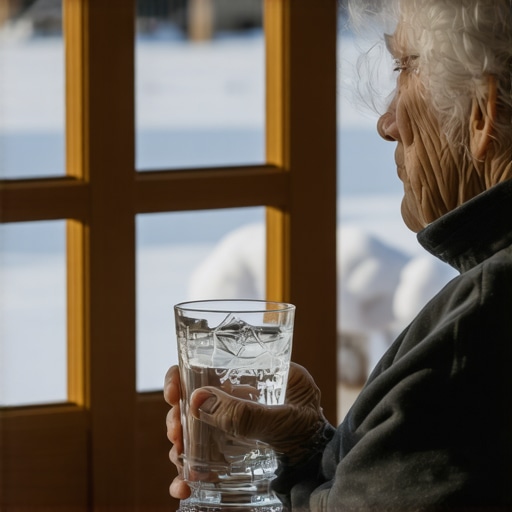
The Dangerous Myth of the Summer-Only Thirst
We spend the entire month of July screaming at our elderly neighbors to stay hydrated, yet we fall silent the moment the first frost hits. This is a deadly mistake. I believe our collective obsession with summer heat has blinded us to a much more insidious threat: the bone-dry air of a winter radiator. While we watch the thermostat, we are effectively letting our parents and grandparents dry out like forgotten house plants. The truth is that winter dehydration is the more dangerous beast because it is silent, invisible, and completely ignored by the mainstream health narrative. We treat hydration as a response to heat, but in the aging body, hydration is a biological battle against evaporation that never takes a day off.
I argue that the medical establishment fails seniors by not emphasizing that thirst is a traitorous guide as we age. By the time an eighty-year-old feels thirsty, the damage is already done. You might think you can wait for the signal, but in winter, that signal never arrives. This isn’t just about a dry mouth; it is a physiological failure. You must learn how to tell if your aging parent is secretly dehydrated before the crisis hits, because the signs aren’t what you expect. The body simply stops sending the ‘memo’ that it needs water, and the dry winter air is all too happy to capitalize on that silence.
The Summer Obsession is Killing Us
We associate dehydration with sweat. If you aren’t dripping, you must be fine, right? Wrong. In the winter, we lose significant moisture through our breath. Every exhale in that crisp, cold air is a withdrawal from the body’s water bank. Because we don’t feel the ‘heat,’ we don’t think to replenish. It is a physiological heist. Our bodies are essentially being robbed in broad daylight, and we are too busy checking the snow forecast to notice. Why are we still doing this? Why are we waiting for a heatwave to take basic biological needs seriously? The standard advice is failing because it ignores the environment inside our homes.
Your Living Room is a Dehydrator
Think of a senior in a centrally heated home as a grape left on a shelf. The moisture isn’t scorched away by a summer sun; it is sucked out by the thirsty, recirculated air of a furnace. This constant evaporation happens 24 hours a day. When you combine this ‘invisible’ water loss with the fact that many seniors purposely limit fluids to avoid frequent bathroom trips, you have a recipe for disaster. This leads to more than just fatigue; it is a direct line to cognitive decline. I have seen countless cases where how to manage a seniors sudden confusion safely at home becomes a frantic search for answers, when the answer was simply a half-empty water pitcher. We need to stop treating winter hydration as an afterthought and start treating it as a medical priority. You can even use the simple home test for checking dehydration in seniors to see the reality for yourself. The lack of sweat does not mean a lack of need. It is time to stop trusting the ‘thirst’ and start trusting the science of winter air.
A Physiological Signal That Has Gone Dark
The problem isn’t that our elders are becoming forgetful. That is a lazy explanation used by a medical system that prefers easy labels over difficult biological truths. The actual crisis is a total failure of the body’s internal alarm system. In a healthy adult, the hypothalamus acts as a vigilant sentry, sensing the slightest rise in blood salt levels and screaming for water. But as we age, that sentry falls asleep. This isn’t a theory; it is a physiological breakdown called hypodipsia. By the time a seventy-year-old realizes they are parched, their cells are already screaming. We are asking people to rely on a broken instrument while navigating a storm. It is a trap.
We see the same pattern in the way we treat hydration. We’ve been told for decades that thirst is the gold standard for when to drink. They lied. Or, at the very least, they neglected to mention that the rule changes after sixty. When the body stops sending the ‘memo’ that it is drying out, the person doesn’t feel ‘less hydrated’—they feel nothing at all until the dizziness or the confusion sets in. This silence is the killer. It is a biological betrayal that turns every winter morning into a gamble.
The Hidden Math of Lung Loss
Let’s talk about the physics of breathing. We focus so much on sweating because it is visible, messy, and undeniable. But in the winter, the theft is subtler. Every time a senior exhales in a heated room, they are losing water. The air coming out of our lungs is 100% saturated with moisture. The dry, furnace-blasted air they inhale, however, has near-zero humidity. The result is a constant, unrelenting transfer of fluid from the blood to the air. This isn’t a ‘minor loss.’ It is a physiological heist. Consider the data: the average senior has a 15% lower total body water volume than a younger adult. That 15% isn’t just a number; it is the entire safety margin. When that buffer is gone, the body has no choice but to start pulling water from vital organs. This isn’t a dip; it’s a collapse of the system’s baseline integrity.
${PostImagePlaceholdersEnum.ImagePlaceholderB}
Dehydration’s Masquerade as Cognitive Collapse
The most sinister aspect of this winter drought is how it manifests. It doesn’t always look like a dry mouth. Often, it looks like dementia. I have stood by and watched as families discussed nursing homes because ‘Grandpa is getting confused,’ only to find that the man hasn’t had more than a cup of tea in forty-eight hours. The brain is 75% water. When that level drops, the electrical signals misfire. It is a short circuit. We are currently witnessing a massive misdiagnosis of ‘sudden onset’ cognitive decline that is actually just chronic, cold-weather desiccation. The medical establishment is too quick to prescribe pills for memory when they should be prescribing a liter of water and a humidifier.
The problem isn’t the cold outside. The problem is the climate we create inside. Our modern heating systems are designed for comfort, not for biological preservation. They create an environment that is effectively a desert, but without the heat that triggers our survival instincts. We are living in a paradox where the very technology meant to keep us safe in winter is actually sucking the life out of our most vulnerable. We must stop treating water intake as an optional habit and start treating it as the primary defense against the neurological and physical decay that winter tries to impose. This is a fight against the air itself, and right now, the air is winning.
It is easy to see why some skeptics push back against this urgency. They worry about the burden on aging kidneys or the risk of water intoxication, formally known as hyponatremia. This is the standard retort: we should not force fluids because we might throw off their delicate electrolyte balance. It sounds responsible. It sounds like careful, measured medicine. But in reality, this argument is a convenient shield for a systemic lack of effort. We are so terrified of a rare electrolyte imbalance that we allow thousands of seniors to slowly wither into a state of delirium, falls, and kidney failure. We are choosing a hypothetical risk over a certain catastrophe. The medical community often treats the five percent of clinical exceptions as if they were the universal rule for the other ninety-five percent of the aging population. This is the Common Trap of modern geriatrics: prioritizing the avoidance of a manageable complication over the prevention of a systemic collapse. I used to believe this too, until I sat through a dozen intake assessments where the primary ‘symptom’ of supposed dementia was actually a level of dehydration so severe it had physically compromised the patient’s neurological response time. We are essentially letting people starve for moisture because we are afraid they might get too full. It is a logic that defies the basic physics of the winter environment.
Stop Fearing the Water Pitcher
The opposition argues that aging kidneys cannot handle the ‘stress’ of increased hydration. This is a fundamental misunderstanding of biological stress. What is more stressful for a kidney: processing a steady stream of clean water, or trying to filter thick, viscous blood through a dehydrated system? When we deny seniors consistent hydration out of a misplaced fear of ‘overworking’ their organs, we are actually forcing those organs to work exponentially harder. The blood becomes sludge. The heart has to pump harder to move that sludge. The kidneys have to struggle to extract toxins from a dwindling supply of fluid. By ‘protecting’ them from water, we are actually condemning them to a slow-motion multi-organ failure. We need to stop viewing water as a pharmaceutical intervention with dangerous side effects and start seeing it as the literal fuel of the human machine.
${PostImagePlaceholdersEnum.ImagePlaceholderC}
Then there is the argument of autonomy. Critics will say that we shouldn’t ‘nag’ our elders, that if they wanted water, they would drink it. This is the Elephant in the Room that no one wants to address: the idea that we are somehow violating a person’s dignity by ensuring their basic biological needs are met. But when the hypothalamus—the very part of the brain responsible for that autonomy—is being deprived of the fluid it needs to function, the ‘choice’ not to drink isn’t a choice at all. It is a symptom of the condition itself. We wouldn’t leave a person with a broken leg to ‘choose’ whether or not they want to walk to the hospital; we recognize the physical limitation. Yet, we treat the thirst-mechanism failure of an eighty-year-old as a lifestyle preference. It is a dereliction of care disguised as respect for independence. The dry, radiator-heated air of a modern apartment is an aggressive environmental force. To counter it requires an equally aggressive strategy. You cannot fight a desert with a ‘wait and see’ attitude. We must move past the outdated fears of the medical textbooks and address the dry, gasping reality of the modern winter home. The risk of drinking a bit too much water is a clinical footnote; the risk of not drinking enough is a death sentence in slow motion.
The High Price of Biological Neglect
If we continue to treat hydration as a seasonal hobby rather than a biological mandate, the consequences will be measured in more than just dry skin. We are looking at a systemic failure that threatens to overwhelm our emergency rooms and strip the dignity from our elders. When we ignore the drying effect of the winter radiator, we are effectively signing off on a chain reaction of physical and mental decline. This isn’t just about a few skipped glasses of water; it is about the erosion of the human foundation. If the current trajectory of neglect holds, we will see a massive influx of seniors entering acute care for ‘confusion’ that was entirely preventable. We are choosing to let the environment dictate the health of our parents because we are too comfortable to challenge the status quo. This is the cost of inaction: a generation of people slowly losing their minds not to disease, but to simple evaporation.
What are we waiting for?
We are standing at a crossroads where we can either acknowledge the physiological reality of the aging body or continue to hide behind outdated medical tropes. Consider the analogy of a historic home: when the soil beneath the foundation dries out completely, the wood begins to warp, the windows stick, and the very structure starts to lean. You can paint the walls and replace the roof, but until you address the desiccation of the base, the house is doomed. Our elders are those historic homes. We are trying to ‘paint’ over their symptoms with memory-enhancing drugs and anti-anxiety medications while their biological foundation is literally cracking from a lack of fluid. It is a fundamental error in care that borders on the criminal. We cannot wait for a ‘signal’ from a brain that is already too parched to send one.
${PostImagePlaceholdersEnum.ImagePlaceholderD}
The Coming Crisis of Misdiagnosis
In five years, if we do not shift our approach, we will be facing a world where ‘winter dementia’ is an unspoken epidemic. Our memory care facilities will be filled with people who simply needed a more aggressive hydration strategy and a better humidifier. This is the Moral Imperative of our time: we must protect the cognitive integrity of the aging population from the silent theft of the winter air. The medical establishment’s refusal to prioritize hydration over pharmaceutical intervention is a wasted opportunity of staggering proportions. Every time we default to a diagnosis of ‘age-related decline’ without first checking the hydration status of the patient, we are failing in our duty of care. The stakes are nothing less than the survival of the self. Without water, the brain cannot maintain the electrical pathways that hold a lifetime of memories. We are essentially allowing the winter wind to blow away the history of our families, one exhale at a time. The warning is clear, and the window for meaningful change is closing. We must act before the silence of dehydration becomes the permanent silence of the grave.
The Final Verdict
The medical community’s obsession with complex pharmaceutical interventions has blinded us to the most basic requirement of human life: the simple, consistent presence of water. We are allowing our elders to evaporate into a state of cognitive and physical ruin because we are too distracted by sophisticated diagnoses to notice the dry radiator in the corner. If we want to truly protect our parents, we must move beyond the reactive model of care and embrace chronic care management that treats hydration as a mandatory, daily biological defense. The survival of their memories depends entirely on our willingness to acknowledge the desert we have built inside our own homes. We are effectively choosing between a pitcher of water and a nursing home admission.
${PostImagePlaceholdersEnum.ImagePlaceholderE}
Your Move
Stop treating thirst as a reliable guide and start treating it as a broken alarm system that has been silenced by age. This is not a suggestion; it is a direct challenge to every caregiver and medical professional to stop the “stealth theft” of winter air before the neurological damage becomes irreversible. By utilizing the future of telehealth, we can now monitor these risks with a precision that was once impossible, turning a reactive crisis into a proactive, hydrated baseline. If you find yourself navigating the complex needs of an aging parent, do not wait for the next fall or the next bout of confusion to strike. Reach out and contact us to build a safety strategy that prioritizes biology over bureaucracy. The choice is yours: you can continue to watch the thermostat, or you can start saving the foundation of the person you love. The water pitcher is the most powerful tool in your house. Use it.