
The Stealth Move for Managing a Toddler’s Fever at 3 AM
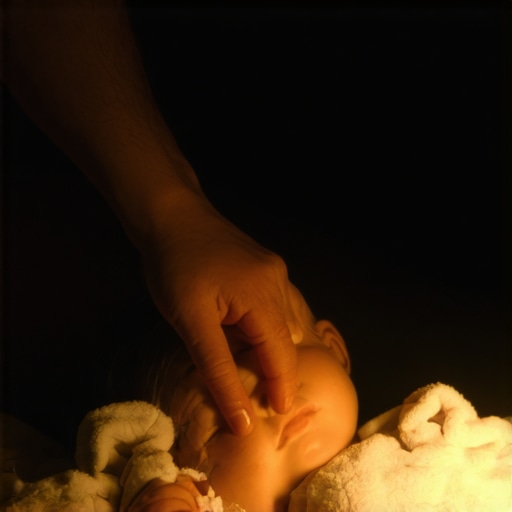
The 3 AM Fever Panic is a Trap You Need to Stop Setting for Yourself
The blue light of a digital thermometer at three in the morning has a way of inducing a specific kind of parental psychosis. You’re standing there, bleary-eyed, staring at 102.4 degrees as if it’s a countdown on a Hollywood explosive. Your heart is racing, your thumb is hovering over a search engine, and you’re already halfway to putting on shoes for a frantic drive to the emergency room. But I argue that this knee-jerk reaction is exactly what’s wrong with how we handle pediatric care today. We have been conditioned to see a fever as the enemy, when in reality, it is nothing more than a biological smoke detector. You don’t call the fire department every time you burn a piece of toast, so why are we treating a standard viral response like a five-alarm blaze? The truth is that your panic is often more dangerous than the temperature itself.
You might think that being a ‘good parent’ means immediate, physical intervention at the first sign of heat, but you’re wrong. The stealth move—the one that actually protects your child and your sanity—isn’t found in a crowded waiting room at dawn. It’s a strategic retreat. It’s about realizing that the fever myth that keeps parents awake all night is built on a foundation of outdated anxiety. My thesis is simple: the most effective way to manage a toddler’s fever isn’t a midnight dash to the clinic; it is the aggressive use of virtual triage to determine if you actually have a problem or just a normal, functioning immune system. We are living in an era where dragging a sick child into a germ-filled lobby is not just unnecessary; it’s a failure of logic.
The Waiting Room is a Biological Hazard Not a Solution
Let’s be blunt about the reality of the 24-hour urgent care center. It is a petri dish. When you take a child whose immune system is already busy fighting off a common virus and sit them in a chair next to someone with a hacking cough and a potentially contagious flu, you aren’t ‘getting help.’ You are doubling down on risk. I believe we need to stop viewing the physical clinic as our first line of defense. Instead, the real power move is to stay on your couch. This is where why your child needs a virtual triage before an in-person visit becomes the only sensible path forward. It allows you to consult a professional without the cross-contamination of a public facility.
So, why are we still doing this? Why are we still convinced that a doctor has to touch a child’s forehead to tell us they’re going to be fine? Much of it comes from the poisonous habit of consulting the internet in the middle of the night. I’ve said it before and I’ll say it again: why you should stop using Dr. Google for a childs fever is because algorithms thrive on your fear. They will tell you about rare brain infections when your kid just has a cold. A virtual check-in bypasses the noise and gives you a roadmap. If you can’t tell the difference between a minor illness and a crisis, you need a screen, not a car key. You need to know how to tell if your childs high fever is a true emergency before you ever consider waking up the neighbors with your car engine. This isn’t just about convenience; it’s about making a pragmatic choice for your family’s health. Stop being a victim of the 3 AM panic and start being a strategist.
The Fallacy of Physical Presence
The root of our collective 3 AM insanity isn’t a lack of parental instinct; it is a cultural indoctrination that equates physical presence with medical quality. We have been trained to believe that if a professional doesn’t physically press a stethoscope to a chest, the diagnosis isn’t real. This is a lie. The vast majority of pediatric fever cases require zero physical intervention. They require observation, hydration, and time. When you rush to a clinic, you aren’t seeking a cure—because there isn’t one for a standard virus—you are seeking a performance. You want the theater of the waiting room to validate your anxiety. This performance has a cost. The problem isn’t the fever; the problem is an antiquated medical model that demands you travel to a central hub for information that can be transmitted in seconds over a fiber-optic cable.
A Legacy System Built on Friction
The traditional urgent care model is built on the architecture of the 1950s, a time when doctors were the sole gatekeepers of all medical data. Today, that gate is wide open, yet we still act like we’re waiting for a horse and buggy. Telehealth isn’t a ‘backup’ option; it is the superior diagnostic tool for initial triage. Why? because it removes the variable of environmental stress. A child’s vitals in a cold, sterile exam room after a terrifying car ride are not their true vitals. They are the vitals of a scared, exhausted toddler. When we look at the data, the reality is stark. Research indicates that roughly 30% of pediatric emergency department visits are for non-urgent issues that could have been handled at home. That 30% isn’t just a number; it is a massive, avoidable burden on a healthcare system that is already buckling under its own weight. We are clogging the pipes because we refuse to trust the tools in our pockets.
${PostImagePlaceholdersEnum.ImagePlaceholderB}
The Waiting Room Infection Cycle
Let’s talk about the math of the waiting room. It is a zero-sum game where nobody wins except the virus. When you enter a physical facility for a ‘quick check,’ you are participating in a high-stakes exchange of pathogens. It is a biological tax you pay for the privilege of sitting in a plastic chair. The root cause of many secondary infections in children isn’t the original cold they had; it’s the RSV or flu they picked up from the kid coughing three feet away in the ‘sick’ section of the lobby. This is where the logic of the physical visit completely falls apart. You are taking a vulnerable system and exposing it to a concentrated pool of illness just to be told to ‘give them fluids and rest.’ It is irrational. It is dangerous. It is obsolete.
The Myth of the ‘Hands-On’ Requirement
The argument usually goes like this: ‘But the doctor needs to look in their ears!’ Does they? Not initially. A skilled clinician via a virtual triage can determine through breathing patterns, hydration levels, and behavior whether an ear check is a priority or a distraction. The problem is that we’ve confused thoroughness with proximity. Chronic care and complex diagnostics certainly need labs and physical sites, but the standard fever does not. By bypassing the physical clinic, you are not ‘settling’ for lesser care. You are choosing a precise, targeted, and sterile form of consultation. The evidence is clear: the most dangerous place for a mildly ill child is a room full of other sick children. The shift to virtual-first triage isn’t about convenience for the doctor; it’s about the biological safety of the patient. If you can’t see that the system is broken, you aren’t looking at the data—you’re looking at your own fear.
The Physical Touch Delusion
I hear the skeptics already. They will tell me that a screen cannot feel a pulse, look behind an eardrum, or listen to the crackle of a lung. It is easy to see why parents cling to the necessity of the physical exam; we have been socialized to believe that a doctor’s hands possess a diagnostic magic that a high-definition camera cannot replicate. The most sophisticated version of this counter-argument centers on the ‘missed catch’—the idea that without a physical check, a provider might miss a subtle sign of a brewing disaster. It is a compelling, fear-based narrative that relies on the rare exception to dictate the rule. I used to believe this too, until I saw the data on how many parents leave an emergency room with a ‘standard virus’ diagnosis and a new case of RSV they didn’t arrive with. We are trading the certain risk of exposure for the vanishingly small probability of a physical find that a thorough virtual history wouldn’t have already flagged.
This insistence on physical presence is not about medical necessity; it is about psychological comfort. You want someone in a white coat to pat you on the shoulder and tell you it’s going to be okay. But that pat on the shoulder comes with a bill for hundreds of dollars and a three-hour wait in a room filled with pathogens. When we prioritize our need for emotional validation over the biological safety of our children, we aren’t practicing ‘thorough’ medicine. We are practicing anxiety management. Modern telehealth is not a ‘watered-down’ version of care. In many ways, it is more rigorous because it forces the clinician to rely on objective data, parental observation, and clinical history rather than the theater of the exam room.
The Diagnostic Security Blanket
The argument that a doctor must touch a child to treat a fever is a relic of a time before we understood viral shedding and cross-contamination. If a child is alert, hydrated, and breathing normally, the ‘hands-on’ portion of the exam rarely changes the clinical outcome. What it does do, however, is provide a false sense of security that ignores the secondary risks of the clinic environment. The ‘hands-on’ requirement is a fallacy that treats the clinic as a sanctuary, ignoring the fact that for a child with a fever, the most dangerous place in the city is often the urgent care waiting room. ${PostImagePlaceholdersEnum.ImagePlaceholderC}
Critics will argue that telehealth is ‘lazy’ or ‘incomplete,’ but this perspective completely ignores the evolution of triage. We use technology to monitor heart failure, manage chronic care, and interpret complex lab tests remotely. Why do we suddenly become Luddites when a toddler’s temperature hits 101? The ‘Elephant in the room’ is that the traditional model is profitable for the system, not beneficial for the patient. Physical clinics are built on volume. They want you in that chair because that chair represents a higher billing tier. When you opt for virtual triage, you are opting out of a system that treats your panic as a revenue stream. You are choosing to be a strategist rather than a customer in the medical marketplace. If the opposition truly cared about ‘better outcomes,’ they would be the first ones telling you to stay home and use a screen. The fact that they don’t tells you everything you need to know about the friction-filled legacy of the current site model.
If we continue to ignore the evolution of medical delivery, we are doing more than just wasting our own time; we are participating in the slow-motion dismantling of pediatric safety. The stakes are no longer about a single night of lost sleep. We are talking about the long-term viability of a healthcare system that is already being crushed under the weight of inefficiency. Every time you choose the ‘performance’ of a physical visit for a minor fever, you are contributing to a culture that prioritizes fear over evidence-based logic. This is the slippery slope that leads to a world where physical clinics are so overwhelmed by the ‘worried well’ that they can no longer function as centers for true emergencies.
What Are We Waiting For?
Let’s be clear about the future we are building. If we do not adopt virtual-first protocols now, in five years, the average wait time for a pediatric emergency will not be measured in hours, but in shifts. We are looking at a future where the local urgent care is nothing more than a high-priced incubator for the next pandemic, a place where healthy children go to become patients. Using an emergency room for a standard toddler fever is like trying to put out a campfire with a fire-bombing aircraft; you are deploying a massive, expensive, and limited resource for a problem that requires a simple bucket of water. In doing so, you leave the real forest fires to burn unchecked elsewhere because the pilots are busy dousing your embers.
The Impending Collapse of Pediatric Access
The warning is written on the walls of every overcrowded lobby in the country. We are reaching a tipping point where the ‘old way’ of doing things is no longer just inconvenient—it is a mathematical impossibility. As more parents flood physical sites for non-urgent issues, the quality of care for everyone involved drops. The clinicians are exhausted, the rooms are contaminated, and the diagnostic accuracy suffers. This is not a hypothetical scenario; it is the current trajectory of our medical infrastructure. By refusing to utilize the digital tools in our pockets, we are effectively choosing a lower standard of health for our children in the name of tradition. We are clinging to a broken system because we are afraid to trust a screen, even though that screen is the only thing standing between our families and a cycle of perpetual infection.
${PostImagePlaceholdersEnum.ImagePlaceholderD}
A Choice to Make Before the System Breaks
This is a moral imperative as much as it is a practical one. We have a duty to protect the physical spaces of medicine for those who truly need them—the kids with broken bones, the toddlers with respiratory distress, and the families facing genuine medical crises. When we treat the clinic as a convenience store for reassurance, we are stealing time and resources from the most vulnerable among us. The future of pediatric care depends on our ability to act as strategists rather than reactionary victims of our own anxiety. If we do not make this shift, we will soon find ourselves in a world where the very medical care we so desperately seek is no longer available, buried under the weight of a million unnecessary visits. This is the warning: the system cannot save us if we refuse to stop breaking it.
The Future of Your Household Health
We have reached the end of the era where the physical waiting room can be seen as a place of safety. The biological math simply does not add up anymore. When you drag a feverish child into a public facility, you are choosing a legacy system that prioritizes billing tiers over patient safety. The modern parent must transition from a reactive protector to a proactive strategist. This shift is even more vital for families navigating chronic care management personalized telehealth strategies for better outcomes, as it preserves clinical resources for the most complex cases and keeps the vulnerable away from the petri dish of the lobby. If we do not make this change, we are effectively choosing a lower standard of health in the name of tradition.
The argument for staying home isn’t just about avoiding a cold chair and a long wait. It is about the optimization of diagnostics. When you utilize urgent care innovations streamlining same day lab tests for faster results through a virtual-first filter, you aren’t just saving time; you’re hardening your family’s biological defenses. You are ensuring that when you do have to visit a physical site, it is for a legitimate medical need that has already been triaged and verified. The efficiency of the system depends entirely on your willingness to trust the technology in your pocket. Before you ever reach for your car keys, knowing how to prep your phone for a lag free virtual visit is more valuable than knowing the shortcut to the nearest emergency department.
The Final Verdict
The traditional 3 AM dash to the physical clinic is no longer an act of heroic parenting; it is a failure to adapt to a world where virtual triage is the only rational first move. Your Move: The next time that digital thermometer flashes a number that makes your heart race, do not reach for your shoes. Reach for your laptop. Challenge the cultural indoctrination that demands your physical presence in a lobby to validate your concern. Trust the data, trust the clinician on the screen, and most importantly, trust the immune system you are trying to protect. The Twist: The biggest irony of modern medicine is that by staying away from the doctor’s office, you are actually becoming a more responsible patient and parent than those rushing the gates. Stop being a customer of the medical industrial complex and start being the architect of your child’s recovery. The next time you feel the panic rising, remember: a strategist waits for the data, but a victim only waits in line.