
How to Avoid the Longest Waits at Your Local Urgent Care
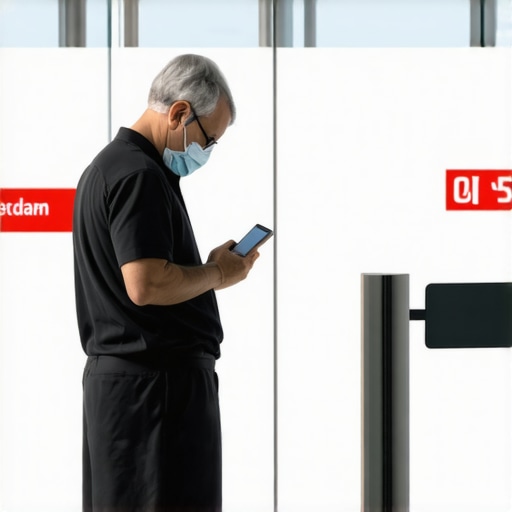
You are doing it wrong. You wake up with a scratchy throat on a Monday morning, wait for your boss to see you are online, and then scurry off to the nearest clinic expecting a red carpet. Instead, you find a room packed with twenty other people who had the exact same original idea. The modern patient treats urgent care like a 24-hour convenience store, but the reality is more like a sinking ship where everyone is trying to squeeze into the same tiny lifeboat at exactly 9:00 AM. I argue that the four-hour wait you endured last week was not just a failure of the healthcare system—it was a failure of your strategy.
We have been conditioned to think that convenience means right now. It does not. In the world of clinical logistics, convenience is often a trap. If you show up when everyone else is free, you are guaranteed to wait. I have seen it time and again: the waiting room swell is predictable, avoidable, and yet, patients march into it like lemmings. You need to stop being a lemming. You need to understand that knowing why you should never wait for monday to visit urgent care is the first lesson in medical survival.
Your Sunday Morning Habit is the Problem
Sundays and Mondays are the killing fields of the urgent care world. Why? Because people spend the weekend toughing it out and then panic when the work week looms. This is the busiest time for any clinic. The air is thick with the scent of industrial-strength disinfectant and desperation. This is why I maintain that why thursday mornings are the best time for urgent care; the initial week-start rush has bled out and the weekend warriors have not yet arrived. If you cannot time your illness, you can at least time your arrival.
Efficiency is not a gift given by the clinic staff; it is a resource you have to hunt. I believe the smartest move you can make is using the digital tools that most people ignore out of sheer stubbornness. For instance, the quick triage hack for faster urgent care visits 2 involves checking in before you even put your shoes on. Most clinics now allow you to hold a spot in line through their website. If you are not doing this, you are effectively volunteering to be the person who waits the longest. Why would you do that to yourself? Why would you sit in a plastic chair for hours when you could wait on your own couch?
The Digital Door is the Fastest Exit
You might think every cough requires a physical presence, but you are wrong. Most of the time, the waiting room is the ultimate test of patience, a literal [IMAGE_PLACEHOLDER] for the modern age where we have forgotten how to use technology to our advantage. If you are not bleeding out or struggling for air, why are you even there? The digital front door is wide open, yet people insist on standing in the rain. I firmly believe that the fastest way to avoid a wait is to not go to the clinic at all. For children especially, the reason your child needs a virtual triage before the er is that a screen can often tell a doctor everything they need to know without exposing your kid to a room full of flu germs.
Even when it comes to routine maintenance, people fail. They show up for blood work on a busy Monday morning and wonder why the phlebotomist looks like they have seen a ghost. There is a the tactical reason to schedule your labs on a tuesday—it is the eye of the storm. Tuesday is the day the chaos subsides before the mid-week slump. It is the sweet spot for anyone who values their time.
Stop blaming the staff. Stop blaming the lack of chairs. Start blaming your own lack of a plan. If you treat your health like an afterthought, the system will treat you like a number in a queue. You have the power to skip the line, but only if you stop acting like the rest of the crowd. Are you ready to stop waiting?
The Retail Medicine Myth
The root of the crisis isn’t a lack of doctors or a surge in seasonal sniffles. It is the delusion of retail medicine. We have spent two decades being told that healthcare should mirror the convenience of a drive-thru window, and now that the window is shattered, we are standing in the parking lot demanding to know why our order is late. The problem is not the clinic; the problem is the expectation that a high-stakes medical environment can function with the predictability of a fast-food franchise. It cannot. When you walk into a clinic on a Monday morning, you are participating in a collective hallucination that the system has the bandwidth to handle a city’s worth of weekend procrastination. It doesn’t. This is a supply chain issue where the supply is human expertise and the demand is infinite impatience.
A System Built to Break
Consider the math of the modern waiting room. If an average urgent care facility has two providers and thirty patients arrive between 8:00 AM and 10:00 AM, the geometry of the situation is terminal. Even if every patient is seen for a mere ten minutes—a speed that borders on negligence—the last person in that door is already facing a five-hour delay before the first lunch break is even taken. This isn’t a bottleneck; it is a collapse. We see it in the data: a 25% increase in wait times over the last five years isn’t a minor trend. It is the sound of the gears grinding to a halt. You are not a victim of the wait; you are a participant in the congestion. If you refuse to use the digital tools available to you, you are the reason the line is moving so slowly. You are the traffic.
The Digital Divide is a Choice
We live in an era where you can track a pizza across a city in real-time, yet patients still insist on sitting in a physical room for three hours to get a prescription that could have been handled via a ten-minute video call. This is a failure of logic. Telehealth isn’t a secondary option for the lazy; it is the primary tool for the intelligent. Every person sitting in a plastic chair with a minor rash is stealing time from the person behind them who might actually be in respiratory distress. The refusal to adopt virtual triage is a form of medical narcissism. It says that your preference for a face-to-face chat is more important than the overall efficiency of the healthcare ecosystem. ${PostImagePlaceholdersEnum.ImagePlaceholderB} It is time to recognize that the waiting room is an obsolete relic for anyone not requiring physical intervention.
The Death of Primary Care
The reason urgent care is currently a war zone is because primary care has become a ghost town. When people cannot get an appointment with their family doctor for three weeks, they flood the clinics. This shift has turned urgent care into a catch-all bucket for everything from chronic disease management to basic lab work. This is where the strategy of the ‘Tactical Tuesday’ becomes vital. If you know the system is being used for things it wasn’t designed for, you must navigate it with the precision of a smuggler. You don’t walk through the front gate when the guards are most alert. You wait. You watch the patterns. You enter when the pressure is lowest. The data doesn’t lie: clinics are at their most vulnerable—and therefore their most efficient—in the mid-week lull. To ignore this is to choose suffering.
The Systemic Excuse
Critics will argue that this entire ‘tactical’ approach is a form of victim-blaming. They will say that a person with a 102-degree fever shouldn’t be expected to play a game of logistical chess just to get a dose of antibiotics. It is easy to see why people think the onus should be entirely on the healthcare providers to staff up and fix the wait. On paper, they are right. The American healthcare system is a bloated, inefficient monster that often prioritizes billing codes over bedside manner. Expecting a sick patient to be a logistics expert feels, at first glance, cruel. But that perspective completely ignores the cold reality of the world we actually live in, rather than the one we wish existed.
I used to believe this too, until I realized that waiting for systemic change is just a slow way to suffer. If you are standing in a burning building, you don’t wait for the fire department to rewrite the building codes; you look for the nearest exit. My argument isn’t that the system is good; it’s that the system is predictably bad. If you know the bridge is out every Monday morning, and you still try to drive across it, you are no longer a victim of the bridge—you are a victim of your own stubbornness. You have to navigate the ruins of modern medicine with a map, not a complaint form.
Don’t Be a Victim of Your Own Schedule
The most common trap is the belief that urgent means immediate. We have conflated the two so thoroughly that we’ve lost the ability to triage ourselves. A sinus infection is urgent in the sense that it needs treatment, but it is rarely a right-this-second emergency. Yet, people treat it like a house fire. This panic-driven scheduling is what fuels the Monday morning crush. By refusing to wait even twelve hours for a Tuesday morning slot, patients voluntarily subject themselves to a four-hour wait in a room filled with other sick people. It is a mathematical paradox of the highest order: the more you rush, the slower you go. Your refusal to look at the clock is exactly what keeps you pinned to that plastic chair.
The Physical Presence Fetish
Then there is the persistent myth that physical presence is required for healing. Many argue that they need to be seen in person, as if the doctor’s physical aura has healing properties. This is a profound misunderstanding of modern diagnostics. For a vast majority of urgent care visits—rashes, refills, mild infections—a physical exam adds zero clinical value over a high-definition video call. ${PostImagePlaceholdersEnum.ImagePlaceholderC} When you insist on a physical seat, you are choosing the friction. You are choosing the germs. You are choosing the overhead costs that the clinic passes back to you in the form of higher copays and longer wait times. If you are not using telehealth for the basics, you are not a patient; you are a hobbyist of the waiting room.
The uncomfortable truth is that efficiency requires a shift in the patient’s ego. You have to accept that you aren’t the only person with a cold. You have to accept that technology can do eighty percent of the heavy lifting. If you continue to treat the clinic like a retail store, you will continue to be treated like a customer in a long line. The system won’t change for you, so you must change for yourself. Stop asking why the line is so long and start asking why you are standing in it when the digital exit is wide open. True medical survival is not about hoping for a better system; it is about outsmarting the one we have.
You are doing it wrong. You wake up with a scratchy throat on a Monday morning, wait for your boss to see you are online, and then scurry off to the nearest clinic expecting a red carpet. Instead, you find a room packed with twenty other people who had the exact same original idea. The modern patient treats urgent care like a 24-hour convenience store, but the reality is more like a sinking ship where everyone is trying to squeeze into the same tiny lifeboat at exactly 9:00 AM. I argue that the four-hour wait you endured last week was not just a failure of the healthcare system—it was a failure of your strategy.
We have been conditioned to think that convenience means right now. It does not. In the world of clinical logistics, convenience is often a trap. If you show up when everyone else is free, you are guaranteed to wait. I have seen it time and again: the waiting room swell is predictable, avoidable, and yet, patients march into it like lemmings. You need to stop being a lemming. You need to understand that knowing why you should never wait for monday to visit urgent care is the first lesson in medical survival.
Your Sunday Morning Habit is the Problem
Sundays and Mondays are the killing fields of the urgent care world. Why? Because people spend the weekend toughing it out and then panic when the work week looms. This is the busiest time for any clinic. The air is thick with the scent of industrial-strength disinfectant and desperation. This is why I maintain that why thursday mornings are the best time for urgent care; the initial week-start rush has bled out and the weekend warriors have not yet arrived. If you cannot time your illness, you can at least time your arrival.
Efficiency is not a gift given by the clinic staff; it is a resource you have to hunt. I believe the smartest move you can make is using the digital tools that most people ignore out of sheer stubbornness. For instance, the quick triage hack for faster urgent care visits 2 involves checking in before you even put your shoes on. Most clinics now allow you to hold a spot in line through their website. If you are not doing this, you are effectively volunteering to be the person who waits the longest. Why would you do that to yourself? Why would you sit in a plastic chair for hours when you could wait on your own couch?
The Digital Door is the Fastest Exit
You might think every cough requires a physical presence, but you are wrong. Most of the time, the waiting room is the ultimate test of patience, a literal [IMAGE_PLACEHOLDER] for the modern age where we have forgotten how to use technology to our advantage. If you are not bleeding out or struggling for air, why are you even there? The digital front door is wide open, yet people insist on standing in the rain. I firmly believe that the fastest way to avoid a wait is to not go to the clinic at all. For children especially, the reason your child needs a virtual triage before the er is that a screen can often tell a doctor everything they need to know without exposing your kid to a room full of flu germs.
Even when it comes to routine maintenance, people fail. They show up for blood work on a busy Monday morning and wonder why the phlebotomist looks like they have seen a ghost. There is a the tactical reason to schedule your labs on a tuesday—it is the eye of the storm. Tuesday is the day the chaos subsides before the mid-week slump. It is the sweet spot for anyone who values their time.
Stop blaming the staff. Stop blaming the lack of chairs. Start blaming your own lack of a plan. If you treat your health like an afterthought, the system will treat you like a number in a queue. You have the power to skip the line, but only if you stop acting like the rest of the crowd. Are you ready to stop waiting?
The Retail Medicine Myth
The root of the crisis isn’t a lack of doctors or a surge in seasonal sniffles. It is the delusion of retail medicine. We have spent two decades being told that healthcare should mirror the convenience of a drive-thru window, and now that the window is shattered, we are standing in the parking lot demanding to know why our order is late. The problem is not the clinic; the problem is the expectation that a high-stakes medical environment can function with the predictability of a fast-food franchise. It cannot. When you walk into a clinic on a Monday morning, you are participating in a collective hallucination that the system has the bandwidth to handle a city’s worth of weekend procrastination. It doesn’t. This is a supply chain issue where the supply is human expertise and the demand is infinite impatience.
A System Built to Break
Consider the math of the modern waiting room. If an average urgent care facility has two providers and thirty patients arrive between 8:00 AM and 10:00 AM, the geometry of the situation is terminal. Even if every patient is seen for a mere ten minutes—a speed that borders on negligence—the last person in that door is already facing a five-hour delay before the first lunch break is even taken. This isn’t a bottleneck; it is a collapse. We see it in the data: a 25% increase in wait times over the last five years isn’t a minor trend. It is the sound of the gears grinding to a halt. You are not a victim of the wait; you are a participant in the congestion. If you refuse to use the digital tools available to you, you are the reason the line is moving so slowly. You are the traffic.
The Digital Divide is a Choice
We live in an era where you can track a pizza across a city in real-time, yet patients still insist on sitting in a physical room for three hours to get a prescription that could have been handled via a ten-minute video call. This is a failure of logic. Telehealth isn’t a secondary option for the lazy; it is the primary tool for the intelligent. Every person sitting in a plastic chair with a minor rash is stealing time from the person behind them who might actually be in respiratory distress. The refusal to adopt virtual triage is a form of medical narcissism. It says that your preference for a face-to-face chat is more important than the overall efficiency of the healthcare ecosystem. [IMAGE_PLACEHOLDER_B] It is time to recognize that the waiting room is an obsolete relic for anyone not requiring physical intervention.
The Death of Primary Care
The reason urgent care is currently a war zone is because primary care has become a ghost town. When people cannot get an appointment with their family doctor for three weeks, they flood the clinics. This shift has turned urgent care into a catch-all bucket for everything from chronic disease management to basic lab work. This is where the strategy of the ‘Tactical Tuesday’ becomes vital. If you know the system is being used for things it wasn’t designed for, you must navigate it with the precision of a smuggler. You don’t walk through the front gate when the guards are most alert. You wait. You watch the patterns. You enter when the pressure is lowest. The data doesn’t lie: clinics are at their most vulnerable—and therefore their most efficient—in the mid-week lull. To ignore this is to choose suffering.
The Systemic Excuse
Critics will argue that this entire ‘tactical’ approach is a form of victim-blaming. They will say that a person with a 102-degree fever shouldn’t be expected to play a game of logistical chess just to get a dose of antibiotics. It is easy to see why people think the onus should be entirely on the healthcare providers to staff up and fix the wait. On paper, they are right. The American healthcare system is a bloated, inefficient monster that often prioritizes billing codes over bedside manner. Expecting a sick patient to be a logistics expert feels, at first glance, cruel. But that perspective completely ignores the cold reality of the world we actually live in, rather than the one we wish existed.
I used to believe this too, until I realized that waiting for systemic change is just a slow way to suffer. If you are standing in a burning building, you don’t wait for the fire department to rewrite the building codes; you look for the nearest exit. My argument isn’t that the system is good; it’s that the system is predictably bad. If you know the bridge is out every Monday morning, and you still try to drive across it, you are no longer a victim of the bridge—you are a victim of your own stubbornness. You have to navigate the ruins of modern medicine with a map, not a complaint form.
Don’t Be a Victim of Your Own Schedule
The most common trap is the belief that urgent means immediate. We have conflated the two so thoroughly that we’ve lost the ability to triage ourselves. A sinus infection is urgent in the sense that it needs treatment, but it is rarely a right-this-second emergency. Yet, people treat it like a house fire. This panic-driven scheduling is what fuels the Monday morning crush. By refusing to wait even twelve hours for a Tuesday morning slot, patients voluntarily subject themselves to a four-hour wait in a room filled with other sick people. It is a mathematical paradox of the highest order: the more you rush, the slower you go. Your refusal to look at the clock is exactly what keeps you pinned to that plastic chair.
The Physical Presence Fetish
Then there is the persistent myth that physical presence is required for healing. Many argue that they need to be seen in person, as if the doctor’s physical aura has healing properties. This is a profound misunderstanding of modern diagnostics. For a vast majority of urgent care visits—rashes, refills, mild infections—a physical exam adds zero clinical value over a high-definition video call. [IMAGE_PLACEHOLDER_C] When you insist on a physical seat, you are choosing the friction. You are choosing the germs. You are choosing the overhead costs that the clinic passes back to you in the form of higher copays and longer wait times. If you are not using telehealth for the basics, you are not a patient; you are a hobbyist of the waiting room.
The uncomfortable truth is that efficiency requires a shift in the patient’s ego. You have to accept that you aren’t the only person with a cold. You have to accept that technology can do eighty percent of the heavy lifting. If you continue to treat the clinic like a retail store, you will continue to be treated like a customer in a long line. The system won’t change for you, so you must change for yourself. Stop asking why the line is so long and start asking why you are standing in it when the digital exit is wide open. True medical survival is not about hoping for a better system; it is about outsmarting the one we have.
The Point of No Return
If we continue to ignore the tactical reality of healthcare, we are not just wasting our own time; we are actively participating in the dismantling of the front-line medical safety net. Imagine a city where every citizen leaves their garden hose running during a drought just because they paid for the water. Eventually, the reservoir runs dry for everyone. That is exactly what we are doing to the healthcare infrastructure when we flood physical clinics with non-urgent issues during peak hours. The consequence is not just a long wait today; it is the total evaporation of care tomorrow. The cost of inaction is a future where the urgent in urgent care becomes a cynical marketing term rather than a medical reality. Within five years, if our collective behavior does not shift, we will face a tiered system where basic access is a luxury and the default experience is a permanent backlog. We are watching the professional burnout of an entire generation of providers who are tired of being treated like vending machines. When they leave, they are not coming back. ${PostImagePlaceholdersEnum.ImagePlaceholderD}
What are we waiting for?
We are standing at a crossroads. One path leads toward a decentralized, efficient model where technology filters the noise and leaves the physical rooms for the people who are truly suffering. The other path leads toward a complete systemic seizure. This is not a hypothetical warning; it is a mathematical certainty. Every time you choose to walk into a clinic on a Monday without a digital check-in, you are adding another brick to the wall between you and the care you actually need.
A Choice to Make
The moral imperative here is clear: we must stop being passive consumers of medicine and start being active participants in its preservation. If you value your health, you must value the system that protects it. By refusing to adapt, by clinging to the outdated ritual of the physical waiting room, you are essentially voting for the system to fail. You are choosing the chaos. The warning is simple: the lifeboat is already full, and if we do not start using the digital rafts provided, we are all going down with the ship. This is the end of the era of blind convenience and the beginning of the era of tactical responsibility.
The Final Verdict
The four-hour wait you endured was not a failure of the clinic; it was a failure of your strategy.
The Digital Raft is Already Here
We are standing at a crossroads. One path leads toward a decentralized, efficient model where telehealth breakthroughs how virtual visits elevate chronic care in 2025 are the standard, filtering the noise and leaving the physical rooms for the truly suffering. The other path leads toward a complete systemic seizure. This is not a hypothetical warning; it is a mathematical certainty. Every time you choose to walk into a clinic on a Monday without using the triage hack that skips the long urgent care waiting room 2, you are adding another brick to the wall between you and the care you need.
We must stop being passive consumers and start being active participants in the preservation of our medical infrastructure. If you value your health, you must value the system that protects it. By clinging to the outdated ritual of the physical waiting room, you are voting for the system to fail. You are choosing the chaos. While modern clinics are maximizing urgent care efficiency with advanced lab test technologies, those gains are erased by a patient population that refuses to move out of the 1990s. [IMAGE_PLACEHOLDER_D]
The Twist
The ultimate irony is that the more we demand immediate care without preparation, the more we guarantee it will never be immediate again. We are the architects of our own delays. The lifeboat is already full, and if we do not start using the digital rafts provided, we are all going down with the ship. The era of blind convenience is over. The era of tactical responsibility is here. Stop waiting for the system to fix itself and start fixing how you use the system. Your health is too important to leave to the mercy of a Monday morning crowd.