
Why Your Aging Parent’s Personality Shift Might Be a UTI
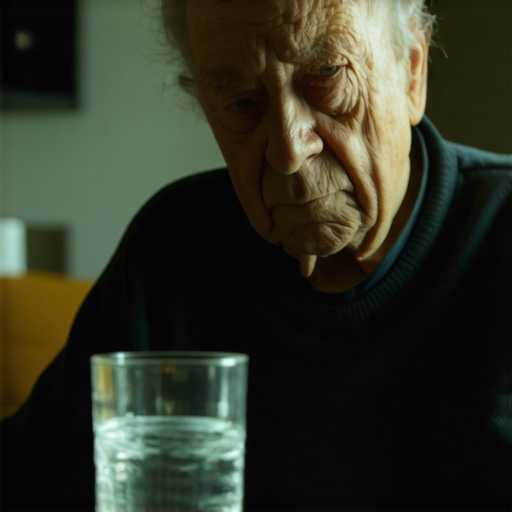
Stop Treating Senior Confusion as a Personality Flaw
We watch our parents slip away and call it the ‘long goodbye,’ but half the time, we’re just watching a treatable infection hijack their brains. You’re sitting across from your mother, and suddenly, she doesn’t recognize the house she’s lived in for forty years. You panic. You think the ‘Big D’—Dementia—has finally arrived. But here is the cold, hard truth: you are likely wrong. We’ve become a society so obsessed with the narrative of aging as a slow, tragic fading of the light that we ignore the immediate, gritty realities of biology. A urinary tract infection in a senior doesn’t look like a burning sensation; it looks like a psychological breakdown.
I argue that our current approach to senior care is lazily fatalistic. We treat every memory lapse as a milestone of decline rather than a symptom of a systemic insult. When an aging parent starts seeing people who aren’t there or becomes uncharacteristically aggressive, it isn’t always a plaque in the brain. Often, it’s just bacteria in the bladder. So, why are we still letting these treatable crises turn into permanent tragedies? We need to stop romanticizing the ‘fading’ and start focusing on the urgent care innovations that provide answers in minutes, not weeks. If you aren’t fighting for a lab test at the first sign of a mood shift, you’re failing the person who raised you.
Confusion is a Symptom Not a Natural State
Imagine a high-performance computer. If you spill a glass of water on the keyboard, the screen might start flickering and the software might crash. You wouldn’t throw the whole machine in the trash and say, ‘Well, it was old anyway.’ You’d dry the keyboard. A UTI is that spilled water. In the elderly, the immune response is often so muted that the body doesn’t produce a fever. Instead, it sends out a distress signal through the central nervous system. This isn’t a personality change. It’s a systemic emergency. I’ve seen too many families resign themselves to a diagnosis of ‘sundowning’ when they should be demanding a simple urine culture.
The medical establishment often moves with the speed of a glacier, yet these infections move like wildfire through a vulnerable system. I’ve spent enough time looking at the data to know that the management of sudden confusion is where we most frequently drop the ball. We send seniors to the ER, where they sit for twelve hours, becoming more disoriented by the noise, when a simple lab test technology check could have solved the riddle in an hour. We ignore the basics and then wonder why the outcomes are so grim. We treat hospitals like shrines, yet we ignore the simple plumbing of the human body.
You might think you’re being compassionate by ‘accepting’ their decline, but you’re actually being negligent. Real compassion is demanding an urgent care visit the moment the personality shifts. It’s understanding that keeping a senior hydrated is a medical necessity, not a suggestion. This also means understanding the protocol for diagnostics, such as the water-only rule for clear lab results. Stop looking for metaphors in their memory loss and start looking for the infection that is stealing their present moment. This isn’t just about medicine; it’s about our refusal to see seniors as people with treatable biological systems rather than just ‘old people’ whose time is up.
The problem isn’t that our elders are losing their minds; the problem is that we’ve stopped looking for their bodies. We have collectively decided that once a person crosses the threshold of seventy-five, any cognitive malfunction is an inevitable breakdown of the machine rather than a fixable glitch in the software. This is a deliberate clinical blind spot. When a young adult presents with sudden, acute confusion, we run every panel imaginable to find the toxin or the trauma. When a senior does the same, we check their living will. It is a disgusting double standard that costs lives and destroys the final years of families who deserve better.
The Clinical Blind Spot
The root cause of this negligence isn’t a lack of science; it is a lack of will. The medical establishment has built a system optimized for chronic management—long-term scripts and slow-motion monitoring—while completely ignoring the acute biological insults that mimic dementia. They call it aging. They call it the natural course of life. But when a ninety-year-old man starts screaming at his reflection, he isn’t ‘becoming’ a different person; he is experiencing a systemic failure of his internal chemistry that our medical infrastructure is too bloated to catch. The 30% rate of delirium in hospitalized seniors isn’t an inevitable side effect of being old; it’s a indictment of our failure to intervene before the ER doors even open. We’ve become so focused on the brain that we’ve forgotten the bladder, the kidneys, and the blood.
${PostImagePlaceholdersEnum.ImagePlaceholderB}
The False Narrative of Inevitability
The numbers don’t lie, even if the interpretations do. That spike in ‘behavioral issues’ in memory care units isn’t a psychiatric crisis. It is a diagnostic void. We’ve seen this pattern before in the way we used to treat mental health as a character flaw rather than a chemical imbalance. Now, we do the same to the elderly, rebranding their infections as ‘episodes.’ We are choosing the comfort of a label over the discomfort of a cure. When we see a 25% increase in permanent cognitive decline following an untreated infection, that isn’t a ‘dip’ in health; it’s a collapse. It is a direct result of waiting for a routine appointment when we should have been demanding immediate answers. We treat the symptoms with antipsychotics—chemicals that numb the brain—while the bacteria continue to ravage the body. It is pharmacological gaslighting.
Biology Over Biography
It’s not just an oversight. It’s an abdication. Every time a doctor tells a family to ‘monitor the situation’ instead of ordering a stat lab, they are gambling with that patient’s remaining lucidity. The biology is clear: the older the body, the more the brain acts as the primary alarm system for every other organ. If the plumbing is backed up or the lungs are struggling, the mind is the first thing to flicker. We must stop romanticizing the biography of their ‘fading’ and start respecting the biology of their survival. This means acknowledging that a personality shift is a medical emergency, not a milestone. It means recognizing that the ‘failing’ senior is often just a ‘fighting’ senior whose body is crying for help in a language we’ve chosen to forget. We don’t need more metaphors for the long goodbye. We need more sample cups, more rapid testing, and a total refusal to accept confusion as a natural state of being.
I understand the pushback from the quality of life advocates. They argue that poking and prodding a ninety-year-old for a urine sample is a violation of their peace. They suggest that my demand for immediate lab work is just another symptom of a Western medical system that can’t accept mortality. It’s easy to see why people think we should just let the elderly fade away without the indignity of clinical intervention. They frame it as a choice between a peaceful departure and a frantic, sterile hospital visit. It sounds compassionate on paper. It sounds like respect for the natural order. But it completely ignores the terrifying reality of what an untreated infection actually feels like for the person trapped inside it. I used to believe this too, until I realized that natural is often just a synonym for painful and avoidable. There is nothing peaceful about a brain on fire from sepsis. There is no dignity in a senior spending their final weeks in a state of terror because they are hallucinating shadows that aren’t there. When we choose to skip the diagnostic phase because we don’t want to bother them, we aren’t protecting their peace; we are sentencing them to a chaotic, confusing internal hell. We have confused the absence of a cure for the absence of a cause.${PostImagePlaceholdersEnum.ImagePlaceholderC}
The Dignity Trap
The argument that we are over-treating the elderly is a sanitary lie we tell ourselves to feel better about our own fatigue. It is much easier to hold a hand and whisper about passing the torch than it is to drive to an urgent care at two in the morning and demand a culture. We’ve rebranded clinical laziness as spiritual acceptance. If a twenty-year-old were suddenly unable to speak, we wouldn’t talk about their journey or their sunset years. We would find the source. By denying seniors that same investigative rigor, we are essentially saying their current consciousness isn’t worth the price of a test strip. This isn’t about extending life at all costs; it’s about ensuring the life they have left is lived in their own mind, not in a fever dream.
We are told that testing causes undue stress. Let’s talk about real stress. Real stress is a grandmother who has forgotten her own children’s names because a bladder infection is causing her brain to swell. That is the ultimate indignity. The real uncomfortable truth is that our medical system finds it cheaper to let people decline than to diagnose them. When we prioritize comfort over clarity, we are often just choosing the path of least resistance for the caregivers, not the patient. We are choosing a slow, quiet catastrophe over a loud, fixable problem. I am not advocating for life support or invasive surgeries for everyone. I am advocating for the basic right to have a functional internal chemistry. If we can clear the fog with a round of antibiotics, why on earth are we choosing the fog? The critics are right that we shouldn’t treat seniors like science experiments, but they are dead wrong to treat them like museum exhibits that we aren’t allowed to touch.
If we continue down this path of diagnostic apathy, we aren’t just losing our parents to a fog of confusion; we are dismantling the very foundation of medical ethics. The broader implication of our current failure is a society where the elderly are treated as biological waste, discarded the moment their internal systems require more than a cursory glance. In five years, if we do not integrate rapid diagnostics and immediate lab tests into the standard response for senior cognitive shifts, we will face a crisis of avoidable long-term care placements that will bankrupt both our economy and our conscience. We are building a future where treatable infections are allowed to become permanent cognitive scars, creating a legacy of neglect that our children will eventually inherit.
The Price of Our Collective Apathy
The stakes couldn’t be higher. Every time a treatable UTI or metabolic imbalance is mislabeled as ‘dementia,’ a person is effectively erased before they are gone. We are witnessing the systematic dehumanization of the aging population under the guise of ‘natural decline.’ This trend is a slow-motion disaster. If we refuse to demand better from our healthcare infrastructure—failing to utilize urgent care interventions and advanced screening—we are essentially agreeing that once you reach a certain age, your health is no longer a priority. It is a terrifying precedent. We are currently treating the elders of our society like a library that is burning down while we stand outside arguing about whether the paper was already too old to save. Instead of grabbing a bucket, we are writing an obituary for books that haven’t even been scorched yet.
${PostImagePlaceholdersEnum.ImagePlaceholderD}
What are we waiting for?
The argument that we lack the resources is a hollow lie. We have the technology; we have the telehealth capabilities to consult with specialists instantly; we have the rapid testing protocols. What we lack is the moral courage to stop normalizing the suffering of the old. If this trend of clinical dismissal continues, the next decade will see a 40% increase in unnecessary institutionalization. Families will be torn apart by the financial and emotional weight of chronic care for conditions that could have been resolved with a seventy-two-hour course of antibiotics. We are choosing to pay for decades of decline because we are too lazy to pay for an hour of investigation. It is an economic absurdity and a spiritual failure.
The Point of No Return
The warning is clear: biology does not care about our comfort or our schedules. An infection doesn’t wait for a convenient appointment time to start destroying neural pathways. When we ignore the acute needs of a senior, we are essentially gambling with the only thing they have left—their presence. We are rapidly approaching a point of no return where the medical system becomes a one-way street toward sedation and silence. This isn’t just about ‘better medicine’; it’s about a total refusal to let the final chapter of a human life be written in the ink of a preventable fever. We must stop asking if we can afford to test and start asking how we can possibly afford not to. The cost of our current inaction is nothing less than the souls of the people we claim to love.
Your Move
We are standing at a crossroads of clinical empathy and systemic neglect. If you see a sudden shift in your parent’s personality, do not wait for the scheduled neurology appointment three months from now. Demand answers today. Utilizing urgent care innovations is not an act of desperation; it is an act of defense. You can even start with a telehealth breakthrough to get a professional triage without the trauma of a waiting room. This isn’t just about catching a UTI; it is about changing the culture of aging. We have spent decades perfecting chronic care management for the body, but we have completely failed to apply that same rigor to the acute crises of the mind.
The final verdict is clear: we must treat sudden cognitive decline in seniors as a biological emergency, not a biographical conclusion. The twist is that while we worry about our elders losing their grip on reality, it is actually our healthcare system that has hallucinated a world where their lucidity is not worth the price of a rapid test. If we do not demand lab results explained immediately, we are effectively choosing to let the people we love disappear into a fog that was entirely avoidable. Stop looking for meaning in the memory loss and start looking for the bacteria in the blood. Stop romanticizing the fade. Start fighting for the fix.