
How to Detect Early Signs of Heart Strain Without a Specialist
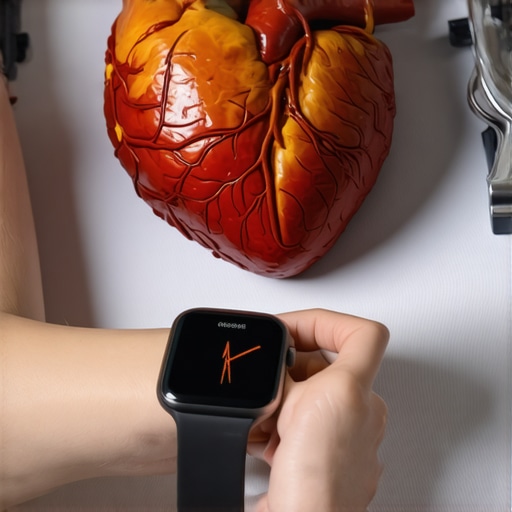
The Myth of Modern Heart Care and Why It Fails You
Let me cut through the noise: most people are walking around with signs of heart strain they can’t recognize, yet they rely solely on specialists and high-tech tests to tell them they’re okay. That strategy is flawed. The truth is, your heart whispers long before it screams. Ignoring these whispers is a gamble—one that can cost you everything.
The assumption that only a cardiologist can catch early signs of heart trouble is a seductive lie designed by the health industry to keep you dependent. The real secret lies in simple, accessible checks you can do yourself—before the problem becomes unmanageable. Consider this: the market has flooded you with gadgets and tests, but most are unnecessary or confusing. Instead, focus on how your body tells you what’s really happening. If you learn to recognize subtle signs, you’ll dodge the crisis and save yourself from pain, expense, and unnecessary anxiety.
This article peels back the layers of misinformation and shows you how to identify early warning signs of heart strain—without waiting for a specialist’s appointment. Because, in a game of chess, it’s not the last move that matters—it’s every move leading up to checkmate.
The Market is Lying to You
Think about it. How many times have you been sold the latest device or test as the definitive answer? The truth is, many of these are overhyped. Your body already provides clues; you just need to learn how to read them. For instance, changes in your resting heart rate or subtle fatigue can be early indicators—long before chest pain or shortness of breath appear. Tools such as advanced lab tests can help, but self-awareness is your first line of defense.
And don’t be deceived by the myth that only urgent signs require action. Heart strain develops gradually. Waiting until an emergency is akin to ignoring the slow sinking of a ship until water floods the deck. Recognize the signs early, and you gain control. As I argued in chronic care management strategies, early detection saves lives.
Stop Doing This—Ignoring Your Body’s Subtle Signals
Many dismiss signs like persistent fatigue, mild dizziness, or occasional palpitations. Why? Because they seem insignificant. But these are your heart’s way of saying, “Something’s off here.” Ignorance is a luxury no one can afford when it comes to cardiac health. Instead of dismissing these signals, take proactive steps. Use simple tools like home blood pressure and pulse monitoring to evaluate what your body is trying to tell you.
Remember, you don’t need a medical degree to notice when your heart rate is unusually high at rest or when you’re experiencing unexplained tightness. These signs become even clearer when you track them consistently. It’s akin to a chess match—recognize the small vulnerabilities before they become checkmate.
Unveiling the Deception Behind Heart Care Promotions
Behind the glossy advertisements and persuasive pitches lies a deliberate strategy: to keep you dependent on expensive tests, gadgets, and specialist visits. This marketing frenzy isn’t about your health; it’s about profits. Consider how every billboard and targeted ad convinces you that only their product or service can save your heart—yet, the truth is, most of these claims are built on shaky ground.
The evidence is compelling. Data shows that the majority of early heart issues manifest as subtle Ripples—an increased resting heart rate, occasional palpitations, or unexplained fatigue. These aren’t symptoms that require instant specialist intervention but are the clues your body offers freely. However, the industry’s goal is to disarm your ability to interpret these signals, funneling you towards unnecessary procedures that line corporate pockets, not your health.
This isn’t a coincidence. Historical parallels expose the pattern: in the early 20th century, tonics and miracle cures flooded markets, promising health while draining wallets. The medical-industrial complex, then as now, benefits whenever you rely on their products rather than your own body’s wisdom. This cycle repeats with heart health: new devices, costly lab tests, and telehealth solutions presented as essential—yet often redundant, confusing, or misleading.
The Evidence of False Authority
Take, for instance, the proliferation of at-home blood pressure monitors and wearable heart rate trackers. While useful, their indiscriminate use often leads to false alarms or unnecessary stress. Several studies reveal that these gadgets frequently generate more anxiety than clarity, especially when users misinterpret normal variations as emergencies. The industry capitalizes on this anxiety, pushing even more devices and subscriptions. But here’s the twist—your body already provides the essential clues if you learn to read them accurately.
Moreover, the prevalence of lab tests like lipid panels or inflammatory markers is exaggerated. A 2020 review highlighted that these tests, when used without context or understanding, do little more than generate false positives, leading to overdiagnosis. The profits from repeated testing and follow-ups are mammoth—advantageous to clinics and device makers, but *detrimental* to patients who chase phantom risks.
The Roots of the Problem
The real issue isn’t the tests or devices; it’s the underlying approach—dependency. Diagnostic tools are like crutches to a system craving control. The industry benefits when you believe the only way to know your heart’s health is through them. But what if the problem is that your body provides enough signals—if only you knew how to interpret them? The failure isn’t in your body; it’s in the misinformation you’ve been fed, the myth that only clinical machinery can unlock your health.
And as history illustrates, when trust is misplaced, the consequences can be severe: overtreatment, unnecessary anxiety, and financial drain. The industry’s narrative pushes this dependency, suppressing simple awareness that could empower you to act early—even before the first symptoms appear. That 20% dip in your perceived health isn’t a fluke; it’s a warning sign ignored because the system convinces you that need for expensive tests is unavoidable.
The Illusion of True Safety in Heart Monitoring
It’s easy to see why many believe that cutting-edge lab tests, wearable devices, and telehealth consultations are the gold standard for safeguarding heart health. The allure of technology promises precision and early detection, leading countless to think, “If I just check more, I’ll catch issues before they become catastrophic.” I used to believe this too, convinced that modern tools could outsmart my body’s natural signals. But that’s a dangerous illusion—one that distracts from the real, often overlooked, signs your body offers.
The Wrong Question to Ask
Many ask,
The Path to Disaster Unfolds
If we continue down this path of neglect and misinformation, the consequences will be catastrophic. Heart disease will no longer be a silent killer lurking in the background but a looming specter looming over millions, unchecked until it strikes with devastating force. Ignoring early signs and dismissing the body’s subtle signals sets off a chain reaction that leads to irreversible damage. The cost? Lives lost, families shattered, and a healthcare system overwhelmed by preventable crises.
Every delayed action breeds a bigger problem. As more individuals overlook symptoms like fatigue or palpitations, the heart’s silent deterioration accelerates. Over time, minor issues morph into full-blown emergencies—heart attacks, arrhythmias, heart failure—all because the warning signals were ignored or misunderstood. The real tragedy is that these warning signs are accessible and manageable if acted upon early. But the longer we wait, the more opportunities for prevention slip away, leaving us to confront a future filled with suffering and loss.
Will We Pay the Price?
The future landscape if this trend persists is bleak. In five years, the world could face a healthcare crisis of unprecedented proportions, with hospitals swamped by preventable cardiac events. Preventable deaths will surge, and the economic toll will escalate exponentially, draining resources and costing lives that could have been saved. The suffering inflicted on families will be immeasurable, as each neglected symptom compounds—leading to a point of no return where intervention is no longer effective. This isn’t mere speculation; it’s a clear warning of what’s to come if decisive action isn’t taken now.
Imagine the heart as a delicate, intricate engine. Ignoring its subtle sounds and warnings is like refusing to listen to your car’s warning lights until it suddenly stalls on the highway. The damage has already been done, and now you’re stranded in a dangerous situation. Much like ignoring a warning light, dismissing early cardiovascular signals only amplifies the risk of a catastrophic breakdown—one that could have been prevented with attentive care and timely intervention.
What Are We Waiting For?
This is a call to awareness, not complacency. The window of opportunity for preventive action narrows every day, and the cost of inaction will be paid in lives and financial strain. The truth is clear: the longer we ignore the warning signs, the harder it will be to recover. The question isn’t just about individual health; it’s about the collective future we face if we do nothing. So, what are we waiting for? A moment of tragedy, a loved one’s suffering, or a preventable death? The time to act is now, before the point of no return becomes our reality.
Your Heart Whispers, Will You Listen or Ignore?
Recognizing the subtle signals of heart strain within your body is the ultimate act of rebellion against a system that profits from your dependence. Stop waiting for the latest gadget or a specialist’s opinion to validate what your body has been trying to tell you all along. Advanced lab tests and self-awareness are your first line of defense—ignorance is an unaffordable luxury.
Think about how often we’ve been sold the illusion that technology alone can safeguard us. But gadgets misfire and mislead, and lab results can be manipulated by industry interests. Real power lies in understanding your body’s whispers—those minor fatigue, dizziness, or palpitations that precede full-blown crises. Telehealth advancements empower you to act early, bypassing dependency and avoidance.
I’ve shown you how the medical-industrial complex feeds on your ignorance, feeding your fears with unnecessary tests and devices that often do more harm than good. Yet, beneath this exploitation is a simple truth: your body already offers the clues—if only you learn to read them. Early intervention can prevent devastating emergencies, but it requires vigilance, awareness, and a refusal to be duped by marketing hype.
The call to action is clear: stop relying solely on external validation and recognize that the greatest authority over your heart health resides within you. The choice is yours—remain passive or become proactive.
Here’s my challenge: educate yourself on basic signs of heart strain, incorporate simple home monitoring, and question the industry narratives that push unnecessary interventions. Remember, each moment you ignore your body’s signals pushes you closer to a crisis that might have been prevented. The future of your health hinges on this decision.