
How to Get the Most Accurate Weight Reading for Your Telehealth App
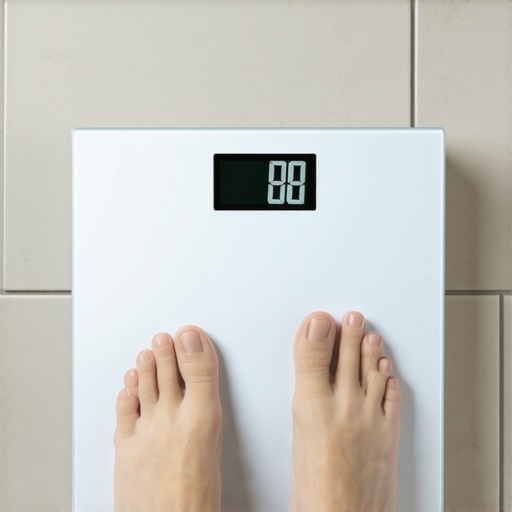
The Myth of Precision in Virtual Weight Measurement
You might believe that stepping on a smart scale knows your true weight. But let me burst that bubble right now: the number you see during a telehealth appointment is often as unreliable as a ship’s compass in a storm. The tech industry and health apps peddle the illusion of precision, but don’t be fooled. The reality is, the weight reading you get at home is a game of chance, influenced by factors that a digital scale can’t control.
This myth feeds into a larger problem: we equate data with the truth, especially when it comes to health. But if you think a handful of digits on your device tells you everything about your body’s state, you’re kidding yourself. As I argue, accuracy in weight measurement for telehealth is less about fancy gadgets and more about understanding their limitations.
So, why are we still doing this? Because we crave certainty in an uncertain world. But certainty is a mirage. Instead of chasing the inaccuracy, it’s better to focus on comprehensive assessments—combining weight with other vital signs and clinical insights. For instance, tracking your weight trends over several days, rather than obsessing over a single measurement, provides a clearer picture. If you want to dig deeper, check out this article on personalized telehealth strategies that emphasize holistic assessment over solitary numbers.
The Reality Behind Digital Scales is a Game of Chance
Digital scales and telehealth apps promise convenience but rarely deliver accuracy. Factors like hydration level, time of day, clothing, and even the surface you stand on distort the numbers. Think of it like trying to navigate a ship with a flickering lighthouse—you’re directionless. The scale’s readings are more a reflection of transient variables than your true weight.
That’s why I suggest adopting a pragmatic approach: use weight as a trend indicator, not an absolute measure. Consider combining weight data with waist circumference, body composition, and even subjective feelings of wellness. This integrated approach beats relying solely on a digital number that can be manipulated by the simplest of variables.
In the end, the quest for a perfect weight reading during a virtual visit is a fool’s errand. Instead, focus on what truly matters—how you feel, your energy levels, and consistent health behaviors. Telehealth shouldn’t be about chasing exact numbers; it should be about actionable insights.
This reality is something I’ve explored in more depth here. Trust me, no app will replace the nuanced understanding of a trained health professional.
The Illusion of Accuracy in Virtual Weight Monitoring: A Critical Examination
Despite the technological buzz surrounding digital scales and telehealth platforms, there’s a dangerous misconception lurking beneath the surface: that these tools provide a reliable snapshot of your health. This belief is not just naive—it’s a calculated illusion that benefits certain players more than your wellbeing. The evidence reveals a pattern of inflated claims and hidden flaws, all driven by interests that would rather you trust the numbers than your own body.
Let’s start with the core issue: the *accuracy* of digital scales. A 2019 study published in the Journal of Obesity demonstrated that weight measurements can vary by as much as 2 kilograms within mere minutes, depending on hydration levels, food intake, and even the surface on which the scale sits. These variables are *not* anomalies; they are inherent to the technology. Yet, companies promote their devices as if they’re precision instruments—like they’ve been calibrated to military standards—when in reality, they resemble carnival games more than scientific tools.
Why does this discrepancy matter? Because telehealth clinics rely on these numbers to make critical decisions—adjusting medications, verifying weight loss progress, or diagnosing health issues. When the data is this unstable, it skews clinical judgment and can lead to misdiagnoses. The problem isn’t the scale itself; it’s the *misplaced faith* in a number that’s fundamentally unreliable. This is where the root cause lies: a systemic overemphasis on quantitative metrics at the expense of qualitative health indicators.
The Roots of the Deception
In the broader context, the obsession with precise digital measurements is fueled by a lucrative industry eager to commodify health. Pharmaceutical companies and device manufacturers profit from consumers’ anxieties—weight, in particular, being a robust market. By hyping the *accuracy* of their gadgets, they extract more sales and lock users into proprietary ecosystems, creating dependencies that are hard to break. They sell the illusion of control, promising the power to manage health from home, which in truth, is often a mirage.
But who benefits financially from this illusion? The tech giants and health startups, of course. They are betting on consumers’ desire for certainty, packaging it as a quantifiable truth. Meanwhile, clinicians who understand the limitations are left cautious; they know a single weight measurement isn’t a meaningful health indicator without context. Yet, the industry’s narrative has corrupted that understanding—turning *trust* in digital readings into a selling point, rather than recognizing their fragility.
Follow the Money and You Find the Problem
Financial incentives shape this entire ecosystem. Digital scales cost $20 to $200, yet their marketing pitches often suggest they’re as reliable as clinical-grade devices. This disparity finances a booming market, encouraging manufacturers to hypester their products and omitting the crucial caveats: that factors like hydration status can sway weight by pounds in a day, rendering single readings meaningless. The connection is clear: more reliance on these devices benefits stakeholders with a profit motive, not your health.
Moreover, telehealth providers, eager to streamline virtual visits, sometimes default to these questionable metrics instead of comprehensive assessments. This narrow focus is a direct consequence of the system’s reward structure—more data points, more revenue. But in the end, the *fool’s gold* here is the obsession with precision—driven more by economic interests than scientific validity. The real question remains: are we measuring health, or merely chase a number that’s inherently unreliable?
Ultimately, the relentless pursuit of perfect weight readings during virtual consultations distracts from meaningful health interventions. The *evidence* shows that these figures are unreliable at best, misleading at worst. The truth is, health is a complex mosaic; a single digit cannot capture its richness. Yet, the industry continues to sell us the myth of precision, while our bodies scream for a more nuanced approach—one that values *context* over convenience, *substance* over superficial numbers.
The Trap of Believing in Digital Precision
It’s easy to see why many assume that stepping on a smart scale during a telehealth session reveals their true weight. The allure of technology promises accuracy and certainty, leading individuals to place unquestioning trust in these devices. This belief is reinforced by marketing claims and simplistic narratives that equate digital readings with factual health data.
But that completely ignores the fundamental flaws in these measurements. The best argument against this reliance is that digital scales are inherently susceptible to numerous transient factors—hydration levels, recent meals, surface inconsistencies—that cause weight fluctuations of several pounds within a day. These fluctuations are natural, yet the industry often overlooks them in favor of presenting a single, ostensibly precise number. Relying solely on such data does a disservice to accurate health assessment.
The Illusion of Accuracy is a Dangerous Game
I used to believe that consistent measurements mean accurate ones. That was until I recognized how easily weight can swing due to factors beyond my control, making a snapshot a poor health indicator. The core issue lies in the misconception that digital scales can provide an exact reflection of health status. The reality is, these devices are more akin to weather vanes—showing a fleeting moment rather than a definitive trend.
This misconception leads to misplaced confidence, which can skew clinical decisions. For example, a temporary water retention might falsely suggest weight gain, prompting unnecessary concern or inappropriate medication adjustments. Conversely, a loss might be exaggerated, offering a false sense of progress. The reliance on a single measurement, no matter how digitally precise, ignores the broader context that truly informs health outcomes.
Furthermore, the obsession with quantification distracts from more meaningful health metrics—activity levels, nutritional habits, mental well-being—that are less easily measured but far more impactful. The digital scale’s ‘accuracy’ becomes irrelevant if it deceives or misguides the user about their actual health journey.
${PostImagePlaceholdersEnum.ImagePlaceholderC}
This is the fundamental flaw in the current approach to virtual weight monitoring. Instead of seeking a false sense of precision, focus should shift to holistic assessments and trend analysis over time. Using multiple measurements, considering natural variability, and integrating subjective health indicators yield a far better picture than a digital number that fluctuates hourly.
Ultimately, it’s crucial to challenge the assumption that technology automatically equates to truth. The real question isn’t whether a scale provides a perfect measurement but whether that measurement has true clinical value. The answer, as it stands, remains largely negative. Trusting in numbers that are inherently unstable undermines the very goal of health care—improving well-being, not chasing illusions of certainty.
The Cost of Inaction in Virtual Health Monitoring
If we continue to ignore the inherent flaws of digital weight measurements and over-reliance on superficial metrics, the consequences could be dire. The unchecked acceptance of inaccurate data in telehealth creates a dangerous domino effect that threatens the integrity of healthcare and personal wellbeing. When stakeholders dismiss the limitations of these devices, they set the stage for a future where misguided decisions, worsened health outcomes, and systemic failures become the norm.
Imagine a scenario where a patient’s health management solely depends on unreliable weight readings. Small fluctuations, caused by hydration or recent meals, are mistaken for significant health changes. If clinicians adjust medications or diagnose based on these unstable metrics, the risk of adverse reactions, misdiagnoses, or unnecessary interventions skyrockets. Over time, such errors accumulate, eroding trust in virtual healthcare and fostering a landscape of uncertainty and frustration.
This neglect is tantamount to ignoring warning signs while speeding towards a cliff. The longer we rely on flawed data, the faster we approach a point of no return—one where the damage becomes irreversible, and corrective measures are no longer effective. Healthcare providers may start to question the value of telehealth altogether, retreating back to in-person visits, which defeats the purpose of expanded access and convenience. Meanwhile, patients remain vulnerable, unaware that their health is being assessed through a distorted lens, making them passive victims of a system that profits from their neglect.
The future, if this trend persists, resembles a ship heading straight into the storm with its navigational instruments compromised. Without accurate, context-rich information, medicine devolves into guesswork. Chronic disease management, a cornerstone of modern healthcare, may collapse under the weight of false assurances and misguided treatments. The societal burden grows—more hospitalizations, preventable complications, and mental health crises fueled by uncertainty and mistrust.
What are we waiting for
This is a wake-up call. The question isn’t just about individual health but about the sustainability of our entire healthcare ecosystem. If we persist in valuing superficial metrics over comprehensive understanding, future generations will inherit a system incapable of true healing. We must recognize that a faulty foundation built on inaccurate data crumbles under pressure. The longer we delay confronting these realities, the more costly and irreversible the fallout will be.
Think of this situation as driving a car with faulty gauges. You might think you’re on the right track, but hidden dangers lurk beneath the surface—blind spots, a malfunctioning speedometer, a cracked fuel gauge. Ignoring these signs won’t make the problems disappear; it will accelerate the crash. The same logic applies to digital health metrics. We cannot afford to be complacent—correction now is a moral imperative to ensure we do not destroy the trust and efficacy of our healthcare system.
This is our crossroads. Ignoring evidence and pushing forward with superficial solutions risks a future where health data is as unreliable as a mirage. Now is the moment for decisive action—adopting holistic, accurate, and context-aware approaches that elevate healthcare instead of compromising it. Our collective response today determines the health landscape of tomorrow, and the stakes could not be higher.
The Myth of Accuracy in Digital Scale Readings
Many rely heavily on the numbers flashing on their digital scales during telehealth visits, convinced they reveal their true health status. But this trust is a mirage. Factors like hydration, recent meals, and even the surface beneath your feet distort these readings, making them more akin to shifting sands than solid ground. When clinicians base critical decisions solely on these unstable figures, they risk steering their patients off course.
This fits into a larger pattern—our obsession with quantifiable data often blinds us to its inherent flaws. Accurate health assessment demands context, not just numbers. As I’ve argued elsewhere, integrating multiple metrics and understanding their variability offers a clearer picture.
Your Move Better judgment comes from embracing the limitations of tech, not trusting it blindly.
Consider this: relying on a single weight measurement during a telehealth session is like judging a book by its cover—misleading at best. Instead, focus on trends over time and combine weight data with other indicators like body composition or subjective wellness. This holistic approach defeats the superficial allure of digital absolutes.
What if we challenged the very foundation of our dependance? By shifting our focus from solitary numbers to nuanced health narratives, we reclaim control from the deceptive allure of technology. Remember, a scale is just a tool, not the oracle of your health—trust your body, not the gadget.
This perspective is crucial, especially as remote care becomes more prevalent. You can explore more about transforming telehealth into truly holistic care here.
Final Challenge
Refuse to be deceived by the illusion of precision. Demand context, demand nuance, and remember that real health can never be boiled down to a single digit. Shift your mindset—because trusting superficial metrics is a prescription for misdiagnosis and misguided treatment. The future of healthcare depends on your ability to see through the smoke and mirrors. It’s time to embrace the complexity of health, not shy away from it.
Stop chasing certainty in a world rife with variables. Instead, learn to read the signs your body gives you, and insist that your care does the same. Because in health, as in life, depth beats surface every time.