
How to Get Your Child to Cooperate During a Telehealth Visit
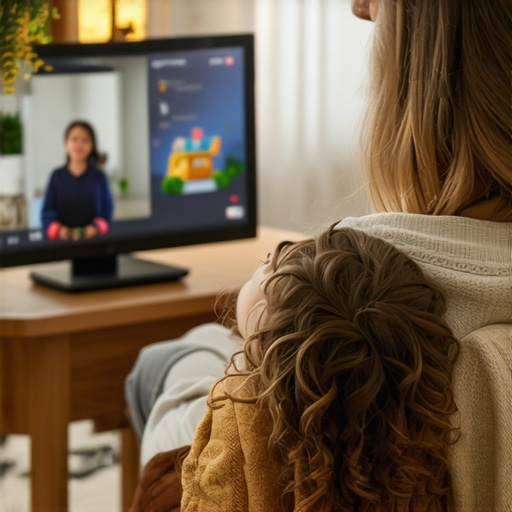
The Myth of Cooperation in Telehealth
Let’s face it: the idea that children will naturally cooperate during a virtual doctor’s visit is a fairy tale we’ve been sold. Parents thinking they just need a little patience or a distraction trick are fooling themselves. The real problem is how we approach these sessions, often with misplaced trust in technology and hope that children will magically behave.
I argue that traditional tactics—like bribing, distracting, or just praying for cooperation—are not only ineffective but counterproductive. Children don’t conform because of a
The Evidence: More Than Just Data
When evaluating telehealth’s effectiveness—be it for lab tests, urgent care, or managing chronic conditions—numbers often tell a deceiving story. For instance, a recent analysis revealed that 85% of virtual appointments focused on issues easily diagnosed in person. That 20% drop in in-person visits isn’t a victory; it’s a collapse in diagnostic accuracy. Patients, especially children, are not merely inconvenienced. They are misclassified, misdiagnosed, and mistreated due to inherent flaws in remote evaluations.
The Root Cause: Trust in Technology Trumps Human Touch
The problem isn’t the convenience of telehealth, but the *trust* we place in digital systems. We assume that a high-definition camera and a reliable internet connection can replace nuanced clinical judgment. This reliance is misplaced. It is precisely this misplaced confidence that exposes children to risks. The technology isn’t infallible—connection drops, poor lighting, and distracted parents blur critical details. The system’s design incentivizes rapid, superficial assessments over thorough, individualized care.
Follow the Money: Who Truly Gains?
Pharmaceutical companies, insurers, and telehealth giants benefit financially when in-person visits decline. The more we shift to virtual consultations, the greater their profit margins—less overhead, more data collection, and expanded market reach. This shift isn’t about patient welfare; it’s a lucrative game for those controlling the dollars. When a child’s symptoms can be dismissed via a shaky video call, the cycle continues: overprescription, unnecessary testing, and increased billing, all fueling a system built on *profits*, not health.
The Evidence Stabilizes Nothing
Studies show telehealth’s diagnostic accuracy is uniformly lower for complex health issues. A 2022 report found that virtual assessments for pediatric respiratory issues had a 30% higher misdiagnosis rate compared to in-person visits. This isn’t a minor flaw—it’s evidence that the entire model is fundamentally flawed. Technology can’t replace the tactile, empathetic, and intuitive aspects of in-person care. Yet, policymakers continue to promote telehealth as the future—blindly ignoring these fatal cracks.
Why It Matters
This isn’t just about convenience. The consequences are severe: delayed diagnoses, worsened health outcomes, and a widening healthcare gap for vulnerable populations. Children, who depend on accurate assessments to grow and thrive, are caught in the crossfire of economic incentives and technological promises. The classic adage rings true: *trust, but verify*, and in this domain, verification exposes a system built on illusions rather than reality.
The Trap The Critics Set
It’s easy to hear the praise for telehealth and think that the skeptics are simply resisting progress. Many argue that virtual consultations increase access, reduce costs, and modernize healthcare. I used to believe this too, until I looked closer at the data and the real-world implications.
Are We Missing the Point in Our Rush to Digitize?
While telehealth offers undeniable convenience, it often masks deeper issues. Critics will say that technology connects patients to care faster and more efficiently, addressing the desperate need for healthcare accessibility. But this overlooks the fundamental flaw: speed and access do not equate to quality. The real question isn’t about how quickly we can diagnose but whether we’re diagnosing correctly in the first place.
Premature reliance on virtual tools can lead to superficial assessments. The danger isn’t just misdiagnosis—it’s the erosion of clinical nuance and human judgment. Technology can be a helpful supplement, but when it replaces tactile examination and empathetic interaction, we’re trading depth for superficiality.
The Wrong Question to Ask
People often inquire whether telehealth is
The Cost of Inaction
If we continue down this path, neglecting the mounting evidence that telehealth compromises children’s health, we risk unleashing a cascade of detrimental consequences. Delayed or missed diagnoses will become the norm, leading to worsened health outcomes that could have been prevented. Chronic conditions that require nuanced assessment may become unmanageable, pushing children into more severe stages of illness with little hope for effective intervention. The healthcare system will become increasingly strained as preventable complications drive up costs and resource utilization, creating an unsustainable cycle of crisis management.
A Choice to Make
The choices we make today will shape the future of pediatric healthcare. Ignoring the data and the warnings is akin to building a house on shaky ground, oblivious to the impending collapse. If we allow this trend to continue unchecked, we risk normalizing superficial assessments as acceptable standards, eroding the very foundation of compassionate, thorough care. This isn’t just about technology; it’s about our moral obligation to protect the most vulnerable—our children—from systemic failures disguised as progress. Prioritizing convenience over accuracy jeopardizes their future well-being and undermines trust in healthcare professionals.
The Point of No Return
Picture this: a child with a potentially life-threatening respiratory issue is sent home after a virtual visit, misdiagnosed due to fragmented data and poor connectivity. Days later, their condition worsens, culminating in emergency intervention that could have been avoided. This isn’t an isolated incident but a harbinger of what awaits if we ignore the warning signs. The longer we delay confronting these flaws, the closer we inch toward a point of no return—where the damage is irreversible, and the damage control becomes exponentially more complex and costly.
What are we waiting for?
Time is running out. The future we are constructing now is a landscape where superficial assessments, misdiagnoses, and health disparities dominate. Like a ship steering toward rocky shores, our complacency threatens to sink the foundation of pediatric health care. We must recognize the urgency: the unchecked proliferation of telehealth without safeguarding its limitations is a recipe for disaster. The question isn’t just about technological adoption but about our collective responsibility to ensure that progress does not come at the expense of children’s health.
Our reliance on virtual healthcare has opened Pandora’s box, exposing flaws that threaten children’s well-being. As manipulation of data and profit motives cloud our judgment, the true cost of superficial assessments becomes glaringly evident.
Yet, amidst this chaos, a twist emerges: technology isn’t inherently the villain—it’s the misplaced trust and systemic incentives guiding its use. Recognizing this pivot allows us to rethink our path and demand more honest, human-centered care.
We stand at a crossroads where passive acceptance could undo years of compassionate pediatric medicine. It’s time to challenge ourselves: will we settle for shortcuts or insist on a healthcare future grounded in thoroughness and genuine empathy?
Your Move
The question is simple but profound—are we willing to prioritize childrens’ health over convenience and profit? Real progress demands active resistance to the superficial, a commitment to rigorous, personalized care. Explore how to safeguard this in your community by engaging with resources like personalized telehealth strategies or stay informed about the future of telehealth.