
How to Get Your Raw Lab Data Before the Doctor Calls You
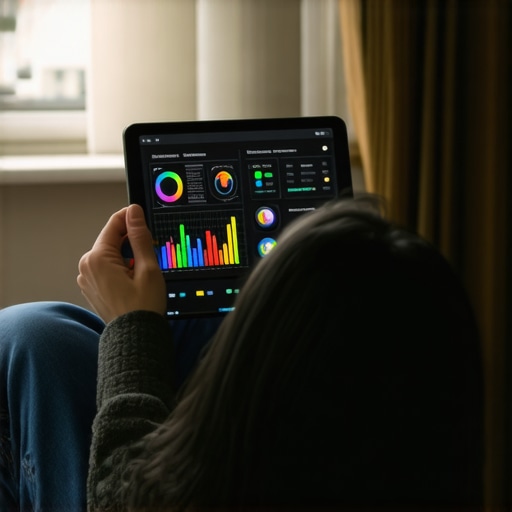
Why are we still pretending that a series of numbers on a page requires a high priest to interpret them? You pay for the blood draw. You pay for the lab. Yet, somehow, the results are treated like state secrets until a harried physician finds three minutes between appointments to give you a call. It is a ridiculous system. I argue that the waiting game is not just an inconvenience; it is a fundamental failure of modern healthcare transparency. You might think you are being patient by waiting for that phone call, but you are actually just being sidelined. You deserve the raw data the second the centrifuge stops spinning.
The Medical Gatekeeping Myth
The industry wants you to believe that raw data is dangerous in the hands of a layperson. They worry you will see a ‘high’ marker and spiral into a Google-induced panic. So, they keep the data behind a digital curtain. This isn’t protection; it is control. Waiting for lab results is like being a passenger on a plane where the pilot refuses to tell you the altitude or the remaining flight time until after you have already landed. I have seen too many patients wait days for news that could have been handled in minutes if they just had the secret to getting your lab results without calling the clinic. We live in an era of instant gratification for everything from pizza delivery to stock trades, yet our most vital biological information remains stuck in a 1990s voicemail loop.
The Hospital Portal is a Digital Paperweight
Most patient portals are designed to be intentionally vague. They show you a ‘normal’ range and a ‘result’ but offer zero context on what those numbers actually mean for your specific health journey. If you want the truth, you have to bypass the fluff. I have long advocated for a more aggressive approach to personal health data. Why should you wait for a phone call that might never come? You should be looking at the raw output. In fact, why you need your lab imaging instead of just the report is a hill I am willing to die on. A report is just someone else’s opinion; the data is the fact. If you are dealing with chronic issues, this delay isn’t just annoying—it’s a barrier to recovery. We are seeing urgent care innovations streamlining same-day lab tests, yet the communication of those results remains archaic.
So, why are we still doing this? Why are we settling for the ‘we will call you if there is a problem’ brush-off? That phrase is the ultimate gaslighting tool in medicine. It implies that no news is good news, which is a dangerous assumption to make when your health is on the line. You need to know how to navigate the system to get your information the moment it is finalized. Whether it is through third-party lab apps or demanding direct access at the point of care, the era of the passive patient is over. Stop asking for permission to know what is happening inside your own body. You should be the first to know, not the last. If you are tired of the runaround, you need to understand how to get your lab results explained without the long wait, because your health cannot wait for a doctor’s convenient schedule.
The Institutional Ego
The root cause of this data delay isn’t a lack of fiber-optic cables or slow-moving technicians. The problem is the institutional ego that demands an intermediary between a human being and their own biology. Medicine has long functioned on a paternalistic model where the doctor is the shepherd and the patient is the sheep. This hierarchy is built on the idea that you are too fragile or too uneducated to handle your own metabolic profile. It is an insult disguised as a courtesy. They claim they are protecting you from anxiety, but they are actually protecting their status as the sole source of truth. If the data is liberated, the gatekeeper becomes less essential. That is what they truly fear.
Consider the 21st Century Cures Act, a piece of legislation designed to stop ‘information blocking.’ Since its rollout, patients have had more access than ever, yet the system still drags its feet. A study published in the Journal of the American Medical Association (JAMA) noted that despite widespread physician anxiety about ‘confusing’ patients with immediate results, the vast majority of patients reported feeling more in control and less anxious when they saw their labs right away. That 90% satisfaction rate isn’t a fluke; it’s a direct refutation of the gatekeeping narrative. The panicked calls the doctors feared never arrived because people are smarter than the medical board gives them credit for. The ‘protection’ argument is dead; it just hasn’t been buried yet.
${PostImagePlaceholdersEnum.ImagePlaceholderB}
The Follow-the-Money Diagnostic
Why do they want you to wait for a phone call? Follow the billing codes. In many clinical settings, a ‘review of results’ is a billable event. If you see your results, understand them, and realize your cholesterol is fine, you might not feel the need to schedule that follow-up appointment or engage in a lengthy telehealth consultation. The delay is a friction point designed to keep you inside the monetization loop. This isn’t healthcare; it’s a subscription model where the ‘content’ is your own blood. When you are forced to wait, you are being trained to value the physician’s interpretation over the objective reality of the numbers. It is a classic move from the playbook of any industry that wants to justify its overhead.
The False Fear of the Informed Patient
The establishment loves to cite ‘Google University’ as a reason for their secrecy. They mock patients who search for their symptoms, yet they provide no alternatives to the void. If a patient sees a high creatinine level and searches for the cause, they aren’t ‘doing it wrong’—they are responding to a total lack of transparency from the source. The problem isn’t the search engine; the problem is the silence. If clinics provided the context alongside the results, the need for frantic searching would vanish. They create the vacuum and then complain when you fill it with outside information. It is the height of hypocrisy.
We see this in chronic care management every single day. A patient with a long-term condition shouldn’t have to beg for their markers. They are the managers of their own disease; the doctor is merely a consultant. Yet, the system treats the manager like an intern. This dynamic is backwards. The data belongs to the person whose body produced it. Period. Anything less than immediate disclosure is a form of digital theft. We are paying for these tests with our money, our time, and our literal lifeblood. To be told that we aren’t ready to see the results is a level of condescension that wouldn’t be tolerated in any other sector of the economy. You wouldn’t wait three days for a bank to tell you your balance ‘after a manager reviews it.’ You shouldn’t wait for your A1c either.
Critics will say that some information is too heavy to carry without a professional hand on the scale. They point to the nightmare scenario: a patient opening a portal on a Friday night only to see a marker that suggests a terminal diagnosis or a severe chronic condition. They argue that the physician’s role is to soften the blow, to provide the ‘what next’ before the patient even has time to ask ‘why me.’ It sounds compassionate. It sounds like the gold standard of care. But let’s be honest: this isn’t about compassion. It is about a lack of faith in the human capacity to handle objective truth. I used to believe this too, until I watched the alternative play out. I realized that the silence of a clinic is far more deafening than the cold reality of a spreadsheet. When you deny a patient their data, you do not take away their fear; you just rob them of their agency.
The Safety Excuse Is Losing Its Grip
The argument for holding back lab results rests on the idea that medical data is a volatile substance that might explode if handled by a layperson. This paternalism assumes that the average person is incapable of processing bad news or navigating a search engine responsibly. In reality, the most anxious patients are not the ones with the data; they are the ones without it. Waiting for a phone call that never comes creates a vacuum that is filled with worst-case scenarios. If a patient sees a high glucose level or an abnormal liver enzyme, they can begin the process of internalizing that reality. They can prepare their questions. They can walk into their follow-up appointment as a partner in their care rather than a victim of it. The traditional model forces you to be a passive recipient of your fate, waiting for the high priest to descend from the mountain with the tablets.
${PostImagePlaceholdersEnum.ImagePlaceholderC}
The False Dichotomy of Data and Interpretation
The medical establishment creates a false choice between ‘raw data’ and ‘clinical context.’ They suggest that if you have the data without the doctor, you are somehow in danger. This ignores the fact that in the age of telehealth and rapid urgent care, context is more accessible than ever. You do not need to wait three days to understand what a high creatinine level might mean. You need the number so you can seek that context on your own terms. By withholding the result until a doctor can ‘explain’ it, the system prioritize the clinic’s schedule over the patient’s peace of mind. If the system were truly designed around the patient, the data would be released immediately, and the ‘explanation’ would be a secondary, supporting service. Instead, we have a bottleneck where the gatekeeper holds the keys to the room you are already paying for.
The Digital Divide and Chronic Care Management
In the realm of chronic care, this delay is especially egregious. Patients with diabetes, kidney disease, or autoimmune disorders often know their markers better than the harried residents reviewing their charts. For these individuals, lab results are not ‘scary news’—they are vital metrics for daily life. Treating these patients like they are too fragile to see their own numbers is a fundamental misunderstanding of the modern patient-provider relationship. We are moving toward a world where health is managed in real-time, not in quarterly increments. The ‘we will call you’ culture is a relic of a time when paper charts were locked in cabinets. In a digital world, data blocking is not a safety measure; it is a service failure. We must stop pretending that the physician’s voice is the only thing that makes a lab result valid. The number is the truth; the rest is just commentary.
The danger of the current status quo isn’t just a matter of convenience; it’s a fundamental erosion of personal sovereignty. We are standing at a crossroads where the medical establishment must decide if it values the patient as a partner or as a permanent dependent. If we continue to accept the ‘we will call you’ mantra, we are consenting to a version of medicine that prioritizes institutional stability over individual survival. This isn’t just about cholesterol numbers or thyroid panels; it is about who owns the narrative of your life. When you are denied immediate access to your own biological data, you are being told that your body is a black box that only a specialist is allowed to open.
The Erosion of Patient Sovereignty
The stakes could not be higher. Every day that a lab result sits in a digital queue waiting for a signature is a day lost to uncertainty and potential progression of disease. This systemic delay is a silent killer of proactive health. If we don’t demand a shift toward radical transparency now, we are inviting a future where healthcare is a one-way street. In five years, if this trend of gatekeeping persists, we will see a two-tier system: one for the elite who can pay for concierge services that offer real-time data, and another for the general public who remains trapped in a perpetual cycle of waiting and wondering. We are effectively building a digital wall around the very information that could save us.
What are we waiting for?
Consider the absurdity of this dynamic through a financial lens. Imagine if your bank refused to show you your transaction history or your current balance until a branch manager reviewed it to ensure you wouldn’t be ‘too stressed’ by the numbers. You would call it theft. You would move your money immediately. Yet, when it comes to our most vital asset—our health—we allow ourselves to be treated like children who can’t handle the truth. This is the ultimate double standard. We are expected to pay our premiums and follow medical advice without question, yet we are denied the raw evidence required to make informed decisions about our own existence.
${PostImagePlaceholdersEnum.ImagePlaceholderD}
The Managed Ignorance of Tomorrow
The long-term consequence of this paternalism is a complete breakdown of trust. When the system treats you like a liability, you stop viewing the clinic as a place of healing and start viewing it as a bureaucratic hurdle. This alienation is how we lose the battle against chronic disease. If a patient feels sidelined by the very people supposed to help them, they will stop engaging. They will stop testing. They will retreat into a space of medical nihilism where ‘no news’ is assumed to be good news until it is far too late to change the outcome. This is the slippery slope of the ‘we’ll call you’ culture. It breeds a population of passive subjects rather than active participants.
We are at the point of no return. The technology exists to put every data point, every liver enzyme, and every imaging frame onto your smartphone the second it is generated. The only thing standing in the way is the institutional ego and a billing structure that benefits from your dependency. If we do not break the gatekeepers’ grip on our data today, we are sentencing the next generation to a healthcare experience that is more about management than it is about medicine. The silence of the clinic is not a courtesy; it is a warning. It is time to stop waiting for the phone to ring and start demanding the keys to the kingdom.
The Final Verdict
The biological data generated by your own body is your absolute property, and any delay in its release is an act of institutional theft. We cannot continue to participate in a system that treats us as passive observers of our own mortality. You must become the primary stakeholder in your diagnostics. This shift is already happening through telehealth breakthroughs how virtual visits elevate chronic care in 2025 and efforts toward maximizing urgent care efficiency with advanced lab test technologies.
${PostImagePlaceholdersEnum.ImagePlaceholderE}
Stop Asking for Permission
The twist is that the medical establishment doesn’t actually fear your confusion; they fear your independence. An informed patient is a patient who no longer needs a permission slip to understand their own life. If you are tired of being sidelined, you must master how to get your lab results explained without the long wait and refuse to accept the ‘no news is good news’ fallacy. The era of the medical gatekeeper is over; the age of the informed owner has begun. Stop waiting for the call. Demand the data. Own your health.