
How to Reach a Real Person When the Telehealth App Freezes
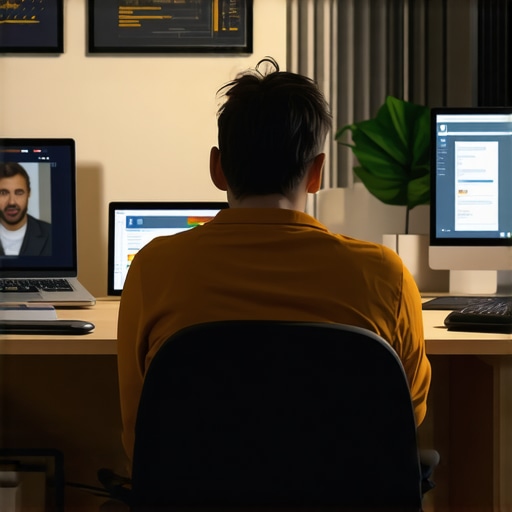
The Illusion of Convenience Is a Digital Mirage
In an era where AI chatbots and automated systems are touted as the future of healthcare, the cold truth is that we’re fooling ourselves. We buy into the myth that telehealth is the instant fix, the answer to all our medical needs, and yet, when the screen freezes or the connection drops, we’re left with an uncomfortable reality: no human is on the other end. It’s a digital mirage that promises ease but delivers frustration.
You might think that an app can replace a real doctor, but the reality is far messier. Technology is only as good as its human patchwork, and too often, we’re left staring at that spinning cursor, waiting for a human to pick up the phone or respond to an email. Why is reaching a person through telehealth so difficult? Because the system is designed to prioritize efficiency for the provider, not accessibility for you.
The Market Is Lying to You
This overhyped convenience doesn’t come without a cost. The promises of 24/7 access, immediate responses, and instant prescriptions are market lies, crafted to sedate you into complacency. Behind the sleek marketing are call centers, scripted responses, and layers of bureaucratic barriers that prevent you from talking to a real physician when you need one.
When your app freezes during a critical moment—say, you’re experiencing chest pain or severe allergy symptoms—the system’s fallback is often an automated message or a chatbot with canned responses. It’s a game of digital roulette: will you get a voice contact, or just another dead end?
The Human Element Gets Lost in the Code
This trend reveals a disturbing shift in healthcare priorities—from patient well-being to algorithmic efficiency. So, why are we still doing this? Because the system profits from keeping you in the digital waiting room, from your repeated login attempts, and from the repeat visits to in-person clinics after the virtual failure.
As I argued in this article, the best telehealth can do is bridge some gaps, not replace the vital human connection. In moments of crisis, your best bet isn’t waiting for a bot to figure out your symptoms—it’s finding a direct line to a real doctor, not a virtual ghost.
Why This Fails
Here’s the brutal truth: systems are designed to minimize the provider’s workload, not to serve your urgent needs. When your app freezes, the expectation that a quick fix will resolve itself is naive. Instead, be prepared to escalate—call the clinic directly or walk in if possible. Don’t rely solely on the digital facade.
And if you want to be smarter about it, check out these tactical mistakes that can make your urgent care visits faster and more effective.
The Illusion of Convenience Is a Digital Mirage
In an era where AI chatbots and automated systems are touted as the future of healthcare, the cold truth is that we’re fooling ourselves. We buy into the myth that telehealth is the instant fix, the answer to all our medical needs, and yet, when the screen freezes or the connection drops, we’re left with an uncomfortable reality: no human is on the other end. It’s a digital mirage that promises ease but delivers frustration.
You might think that an app can replace a real doctor, but the reality is far messier. Technology is only as good as its human patchwork, and too often, we’re left staring at that spinning cursor, waiting for a human to pick up the phone or respond to an email. Why is reaching a person through telehealth so difficult? Because the system is designed to prioritize efficiency for the provider, not accessibility for you.
The Market Is Lying to You
This overhyped convenience doesn’t come without a cost. The promises of 24/7 access, immediate responses, and instant prescriptions are market lies, crafted to sedate you into complacency. Behind the sleek marketing are call centers, scripted responses, and layers of bureaucratic barriers that prevent you from talking to a real physician when you need one.
When your app freezes during a critical moment—say, you’re experiencing chest pain or severe allergy symptoms—the system’s fallback is often an automated message or a chatbot with canned responses. It’s a game of digital roulette: will you get a voice contact, or just another dead end?
The Human Element Gets Lost in the Code
This trend reveals a disturbing shift in healthcare priorities—from patient well-being to algorithmic efficiency. So, why are we still doing this? Because the system profits from keeping you in the digital waiting room, from your repeated login attempts, and from the repeat visits to in-person clinics after the virtual failure.
As I argued in this article, the best telehealth can do is bridge some gaps, not replace the vital human connection. In moments of crisis, your best bet isn’t waiting for a bot to figure out your symptoms—it’s finding a direct line to a real doctor, not a virtual ghost.
Why This Fails
Here’s the brutal truth: systems are designed to minimize the provider’s workload, not to serve your urgent needs. When your app freezes, the expectation that a quick fix will resolve itself is naive. Instead, be prepared to escalate—call the clinic directly or walk in if possible. Don’t rely solely on the digital facade.
And if you want to be smarter about it, check out these tactical mistakes that can make your urgent care visits faster and more effective.
Critics Will Say Digital Healthcare Is a Necessary Evolution
It’s understandable why many argue that telehealth and automation are essential to modernizing medicine. They point to increased accessibility, reduced wait times, and the potential for innovative diagnostics. In a world driven by technology, these advancements seem like the logical next step. Advanced AI algorithms can sift through vast datasets rapidly, and remote monitoring devices can catch issues before they become critical.
These points are well-founded, and no one denies that technological progress has transformed many industries—and healthcare is no exception. The promise of instant lab test results, continuous chronic care monitoring, and on-demand urgent consultations paints a future where medicine becomes more efficient and, ostensibly, more effective.
The Wrong Question
Yet, focusing solely on efficiency and technological sophistication diverts us from the vital question: does this truly serve the human element at the core of healthcare? The opposition emphasizes data accuracy, system productivity, and convenience, but neglects the nuances of patient trust, empathy, and personalized care.
What they overlook is that healthcare is fundamentally about human connection. Machines can inform, but they cannot comfort. They can analyze data, but they cannot understand the context of a patient’s fears or anxieties. The push for digital dominance risks turning medicine into a transactional, impersonal process.
Here’s the reality that critics miss
I used to believe that automation would inevitably improve healthcare. Until I witnessed how patients felt disconnected when talking to a chatbot or dealing with unresponsive systems. Technology is a tool—wonderful when used correctly, but dangerous if mistaken for genuine care.
Their argument about technological efficiency ignores an uncomfortable truth: the system’s design often prioritizes cost-cutting and volume over quality and empathy. An AI cannot replace the subtle cues a physician picks up during a consultation—the tone of a voice, the hesitation in speech, the worn expression of a chronically ill patient.
While automation can support some aspects of healthcare, it must not become a substitute for human judgment. The emphasis should be on integrating technology to enhance, not replace, meaningful patient-provider interactions.
Why the opposition is shortsighted
By fixating on the presumed benefits of convenience and data processing, critics overlook the essential qualities that produce effective care. The human element fosters trust, compliance, and nuanced understanding—elements no machine can replicate. Ignoring this sidelines the very reason why healthcare exists in the first place.
Yes, systems can streamline routine tasks and support diagnostic tools, but at what cost? When systems fail or become impersonal, patients suffer not just physically but emotionally. The real progress in medicine is not measured solely by numbers or system uptime but by improved patient outcomes rooted in compassionate care.
In the end, technology should serve as a supplement, not a replacement. A future with a balance of human expertise and digital tools is the real goal—one that acknowledges the irreplaceable value of human touch amid the relentless march of innovation.
The Cost of Inaction
If we turn a blind eye to the mounting cracks in our digital healthcare infrastructure, we risk unleashing a cascade of consequences that threaten to overwhelm our system and erode patient trust. The illusion of convenience has lulled us into complacency, but beneath the surface lies a ticking time bomb.
As reliance on automated systems deepens, we sacrifice the essential human touch that underpins effective care. Ignoring this truth sets us on a slippery slope where errors multiply, delays become the norm, and public confidence deteriorates. When systems fail, lives hang in the balance, yet the response remains sluggish and unprepared.
In the next five years, this trajectory could transform healthcare into an impersonal assembly line, where patients are reduced to data points and symptoms are managed by algorithms detached from human empathy. Critical diagnoses may be missed, and the emotional support vital to healing will be lost in dispassionate code. This is not a distant dystopia but a looming reality if action isn’t taken now.
A Choice to Make
What are we waiting for? Embracing the future means recognizing that technology must serve as an aid, not a replacement, for human judgment. Our healthcare system stands at a crossroads: proceed with unchecked automation or reinvest in meaningful human interactions that foster trust and understanding.
Failure to act is akin to constructing a bridge while neglecting its pillars—eventually, the entire structure collapses. We cannot afford to let the pursuit of efficiency overshadow the fundamental goal of medicine: healing with compassion and competence. The time to safeguard this balance is now, before the digital foundation erodes beyond repair.
The Point of No Return
This process is reminiscent of steering a ship into a storm without charting a course. If we ignore the storm clouds gathering on the horizon, we will find ourselves capsized in a sea of systemic failures. The risk isn’t just inconvenience; it’s the potential loss of lives, trust, and the very essence of healthcare’s human core.
Consider this: our collective inaction today is the seed of a future where healthcare becomes a cold, robotic facade—destined to disenchant and disempower those who seek sincere help. The urgency is palpable. The stakes, undeniable. We have one shot to steer this ship back to safe waters. After that, the tide of consequences may be unstoppable.
In this pivotal moment, we must choose whether to safeguard the human element as the heart of healthcare or watch it fade into oblivion. The clock is ticking. What are we waiting for?
The Final Verdict
Real healthcare demands real human connection; anything less is a digital illusion that risks our wellbeing.
The Twist
While technology offers convenience, it should serve as a tool—not an escape from the essential human element that defines medicine.
Your Move
Stop accepting the sanitized, impersonal screens as your primary healthcare experience. Demand direct access to qualified professionals who listen, understand, and care. When your telehealth app fails or your symptoms worsen, do you have a plan beyond waiting in digital limbo? Reclaim your health by insisting on genuine human interaction—call your clinic directly, walk in if necessary, and never let automation replace empathy. Because the future of healthcare isn’t written in code; it’s written in the trust we build with real doctors. Don’t let the illusion of convenience dictate your wellbeing—challenge the system and prioritize human touch over digital fantasy. This connection is your lifeline, and dismissing it risks turning healing into a hollow transaction.