
How to Use Your Smartphone to Track Senior Heart Rhythm
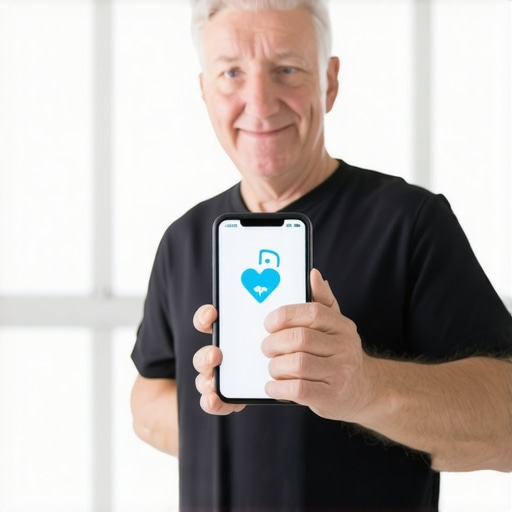
The Illusion of Smartphone Precision in Geriatric Heart Monitoring
You might think that just because your phone can tell you the weather or track your steps, it can also serve as a reliable tool to monitor your senior loved one’s heart rhythm. Wrong. This is a myth propagated by overenthusiastic wellness apps and snake-oil tech companies eager to cash in on caregiver anxiety. Your smartphone is not a medical device, and relying on it for crucial heart health data could be a dangerous gamble.
What’s the real story? The truth is, these consumer-grade apps and mobile ECG gadgets are often woefully inaccurate, providing a false sense of security or, worse, causing unnecessary panic. The market is flooded with so-called solutions that claim to detect arrhythmias or other cardiac anomalies — but they’re built on shaky ground. If you truly care about your senior loved one’s heart, you need to understand the limitations and opt for validated, clinically approved tools instead.
Why is this so important? Because overlooking a real arrhythmia or misreading a false positive can have life-altering consequences. These devices are not substitutes for professional medical evaluation. As I pointed out in the remote tools that make geriatric heart monitoring stress-free, correctly monitoring cardiac health involves more than just point-and-click convenience. It requires precision, calibration, and adherence to medical standards. Screening from an unregulated app cannot replace the insights gleaned from a properly calibrated Holter monitor or an ECG performed in a clinical setting.
Why the Market is Lying to You
The health tech industry has turned into a carnival of gimmicks, where apps claim to read your heart with dubious accuracy, and startups tout their “revolutionary” device as if it’s the next Apple Watch. The sad truth? Most of these products simply aren’t backed by rigorous validation. They’re designed to sell subscriptions, not save lives. If you’re serious about guarding your senior’s heart health, stop falling for the hype. Educate yourself about what’s proven and what’s simply a marketing ploy.
Remember: your phone’s camera and sensor are no match for advanced medical-grade equipment. While it might be tempting to believe in a quick fix, the reality is that a serious heart condition isn’t something you diagnose with a quick app download. It’s time to demand better — for your loved ones’ sake. For more insights on how to maximize senior health care, check out chronic care management strategies.
The Evidence: Questionable Accuracy of Consumer Heart Monitors
In recent years, the push for convenience has led families and caregivers to rely heavily on smartphone apps and portable ECG devices. But data reveals a troubling pattern: these gadgets frequently produce inconsistent results. Studies have shown that many of these consumer-grade tools have a sensitivity rate of less than 50% for detecting common arrhythmias—a statistic that should make anyone pause. If a device misses half of genuine problems, how can it be trusted to protect vulnerable seniors?
Why the Market is Lying to You
The industry’s true motive? Profit, pure and simple. With minimal regulatory oversight, startups and app developers capitalize on our fears, packaging unvalidated technology as if it were equivalent to clinical-grade equipment. They push subscriptions, premium features, and glossy advertising, all while sidestepping the rigorous testing that ensures safety and accuracy. The *truth* is that these devices are often built on shaky algorithms, relying on user input and low-quality sensors that distort reality rather than clarify it.
The Root Cause: Ignoring Medical Standards
The core issue isn’t the technology itself but the *widespread neglect* of proven medical standards. Clinical ECGs and Holter monitors undergo extensive validation—thousands of hours of calibration, peer-reviewed research, and FDA approval. Consumer devices, on the other hand, often skip these steps. This gap creates a dangerous disconnect: families rely on flawed data, mistaking coincidence for diagnosis, leading to either complacency or unwarranted alarm, both of which can be equally harmful.
Supporting Evidence from Medical Literature
For example, a 2022 review published in the Journal of Cardiology underscored that most mobile health apps lack the statistical power necessary to differentiate between benign anomalies and serious arrhythmias. The result? False positives that strain families and false negatives that allow real danger to slip through unnoticed. These are not trivial errors—they could mean the difference between life and death.
Follow the Money: Who Actually Benefits?
The financiers of this charade are not healthcare providers or regulators but tech entrepreneurs seeking quick profits. They profit from user subscriptions, data collection, and upselling premium features. This profit-driven model incentivizes *overstatement of capabilities* and downplays the risks involved. As with any ill-fated venture, the more convincing the illusion, the easier it is to sell false hope—at the expense of those who trust their loved ones’ lives to these unproven gadgets.
In essence, what we’re witnessing is a systemic failure rooted in greed and lax regulation. The technology isn’t the problem; it’s the *absence of accountability*. Until properly validated, these devices remain tools of illusion—promises of safety wrapped in glitzy interfaces, with little real-world reliability. The stakes are too high to accept this kind of deception.
The Flawed Logic Behind Smartphone Heart Monitoring
It’s understandable why many caregivers feel tempted to trust smartphone apps and portable ECG devices for senior heart health. After all, these tools are accessible, user-friendly, and seemingly capable of providing immediate feedback. You might argue that advancements in technology should improve accuracy and reliability. But this perspective overlooks critical realities about medical validation and technological limitations.
Don’t Be Fooled by Convenience
Yes, convenience is appealing. However, equating consumer-grade apps with clinical diagnostic tools is a fundamental mistake. These devices often lack rigorous validation, peer-reviewed research, and regulatory approval. They are designed for mass-market appeal, not precise medical diagnostics. The best tool in the world is worthless if it cannot accurately detect arrhythmias or other cardiac anomalies, especially in vulnerable seniors.
I used to believe that any device capable of reading a pulse or detecting irregular rhythms was sufficient for home monitoring. Then I realized that these devices often produce false positives and negatives, leading to false reassurance or unnecessary panic. For elderly patients, this can translate into missed warnings or unwarranted hospital visits, both of which carry risks and costs.
The Wrong Question Is Relying on Consumer Devices
Instead of asking if your smartphone can serve as a reliable heart monitor, ask whether it should. The critical question isn’t convenience but accuracy and safety. Are these devices validated by medical standards? Have they been approved by regulatory agencies like the FDA? If not, relying on them puts seniors at preventable risk. A true monitoring system for seniors requires clinical validation, calibration, and professional oversight that consumer gadgets simply cannot provide.
In fact, the pharmaceutical industry and healthcare providers have known for decades that quick fixes and gimmicks tend to do more harm than good. The reliance on unproven technology diverts attention from proven methods—such as regular check-ups, ECGs, and Holter monitoring—whose efficacy is backed by rigorous research. It’s a dangerous trap to think that a smartphone app is enough to replace these established procedures.
Addressing the Market’s Snake Oil
The industry exploits this desire for simplicity, marketing devices as “revolutionary” or “life-saving,” even when they haven’t undergone proper validation. It’s easy to be swayed by sleek interfaces and aggressive advertising. But that’s precisely the problem: these products are often built on shaky algorithms unsupported by scientific evidence. They are designed more to generate revenue than to safeguard health.
What’s more, this approach fosters a false sense of security. Families believe they are doing enough because they’re using a high-tech gadget, but in reality, they are missing the deeper issue—lack of proper medical oversight. The answer is not more gadgets, but better adherence to medical standards, professional monitoring, and validated diagnostic tools.
Undermining Critical Standards Is a Dangerous Game
The real danger lies in neglecting established medical standards. Clinical ECGs, Holter monitors, and professional assessments have undergone years of validation, calibration, and peer review. Consumer devices, in contrast, often lack transparency regarding their testing and validation processes, making their results inherently unreliable.
We cannot allow the allure of simplicity to overshadow the importance of accuracy. Seniors deserve monitoring systems that are grounded in scientific rigor, not marketing hype. It’s irresponsible to accept shortcuts when lives are truly at stake, especially when these shortcuts are cloaked in the guise of technological progress.
The Cost of Inaction
If we continue to dismiss the limitations of consumer-grade heart monitors for seniors, we risk unleashing a cascade of devastating consequences. Medical emergencies related to undetected arrhythmias can escalate rapidly, leading to preventable strokes, heart failure, or sudden cardiac arrests. These tragedies will not only devastate families but will also strain our healthcare system beyond its capacity. As we ignore the warning signs and rely on faulty technology, we willingly open the door to unnecessary suffering and loss.
Moreover, as these unvalidated devices proliferate, false positives and negatives will become more common, overwhelming emergency services with unnecessary calls or, worse, causing deadly delays. The false reassurance provided by illegitimate gadgets fosters a dangerous complacency among caregivers and families, blinding them to the severity of true cardiac issues. This dangerous ignorance sets a ticking time bomb that will inevitably explode, costing lives that could have been saved with proper medical oversight.
The Future Presents a Stark Warning
Picture a world five years from now where this trend continues unabated—an era where unproven, unreliable health gadgets are the norm rather than the exception. This scenario resembles a rising tide of misinformation where everyone assumes they are protected, but in reality, many are walking blindfolded toward disaster. The healthcare infrastructure will be flooded with preventable emergencies, and trust in medical professionals will erode further as they grapple with the aftermath of misdiagnoses fueled by these faulty devices.
The broader implication is clear: we are either going to face a future where technological hype has overridden scientific validation or we take a stand now to preserve the integrity of senior healthcare. Sacrificing accuracy for convenience is a perilous path—one lined with casualties and irreversible damage. Just like a faulty bridge, neglecting the importance of validated diagnostics risks one collapse too many, with lives falling into the abyss.
Is it too late?
The question haunts us: are we too far down this road to turn back? Acknowledging the truth now may be our last chance to avert a healthcare catastrophe. We’ve built our safety nets on trust—trust that clinical standards provide reliable, life-saving data. Abandoning this foundation in favor of the latest ‘gadgets’ risks undoing decades of progress, turning healthcare into a gamble with lives hanging in the balance. We cannot afford the luxury of delay anymore; time is both enemy and ally.
Like trying to fix a sinking ship with a sponge, patching the cracks of unvalidated consumer devices won’t save us from the impending flood. The stakes are too high, and the costs too grave. We must demand rigorous validation, professional oversight, and a return to scientifically proven standards before our inaction transforms a manageable problem into an irreversible tragedy.
The Final Verdict
Trusting unvalidated smartphone heart monitors for senior care is a gamble with lives at stake.
The Twist
The very devices promising safety may be the false security leading us to catastrophe; the illusion of accuracy is a dangerous mirage.
Your Move
Demand rigorously validated, clinically approved tools—refuse to let marketing hype dictate the health of our seniors. This isn’t about convenience; it’s about competence and accountability. Educate yourself, question the claims, and prioritize proven standards over shiny gadgets. Visit our impressum to learn more about responsible health monitoring. For personalized strategies, explore chronic care management strategies. Protecting our elders isn’t a task for apps; it’s a call for disciplined, evidence-based medicine.